
Ready to master Amazon Ads? This essential roadmap from Megaficus breaks down the only Amazon advertising strategy you need to convert ad spend into profit. Let’s discover the 5 core pillars and learn how to align every click with your ultimate goal: sustainable, scalable, and highly efficient growth.
Quick Summary
- Amazon’s advertising strategy: Success relies on establishing a structured plan that drives long-term growth by leveraging the Amazon Flywheel.
- Financial Blueprint: Advertising targets must align with financial health, differentiating between Break-Even ACoS and a lower Target ACoS.
- The 5-Pillar Framework: The strategy is built on five core pillars: Listing Optimization, Keyword Harvesting, Bidding Strategy, Placement Strategy, and continuous Measurement/Optimization.
- Precision Targeting: The core process involves discovering terms in Auto Campaigns, harvesting them into high-ROAS Exact Match Campaigns, and using aggressive Negative Targeting for cost control.
- Profit Maximization: Improve ROAS by eliminating low-converting traffic sources and strategically reallocating budget to top-performing keywords and placements.
- Advanced Growth: Leverage Sponsored Brands for awareness and Sponsored Display for retargeting.
What is Amazon Advertising, and Why is a Strategy Essential for Growth?
Amazon Advertising refers to the ecosystem of paid solutions that sellers and vendors use to promote their products and brand across the Amazon marketplace. The system operates on a Pay-Per-Click (PPC) model for most ad types, meaning the seller only pays when a shopper clicks their ad.
The core products in the system include Sponsored Products, which target keywords and products; Sponsored Brands, which boost brand visibility with custom creative; and Sponsored Display, used for retargeting and reaching shoppers both on and off Amazon. Each ad type serves a unique function within the customer’s buying journey.
To maximize this system, you must first differentiate between tactics and strategies. A single tactic focuses on an immediate goal, often resulting in wasted budget when the campaign ends due to a lack of long-term direction. In contrast, a holistic strategy is a long-term plan that uses multiple ad types and optimization cycles to achieve a business goal, like market share or profitability.
A successful holistic Amazon advertising strategy ensures that every ad click contributes not just to immediate sales but to the overall health of your product’s performance on the platform. This systematic approach is the foundation for scalable growth.
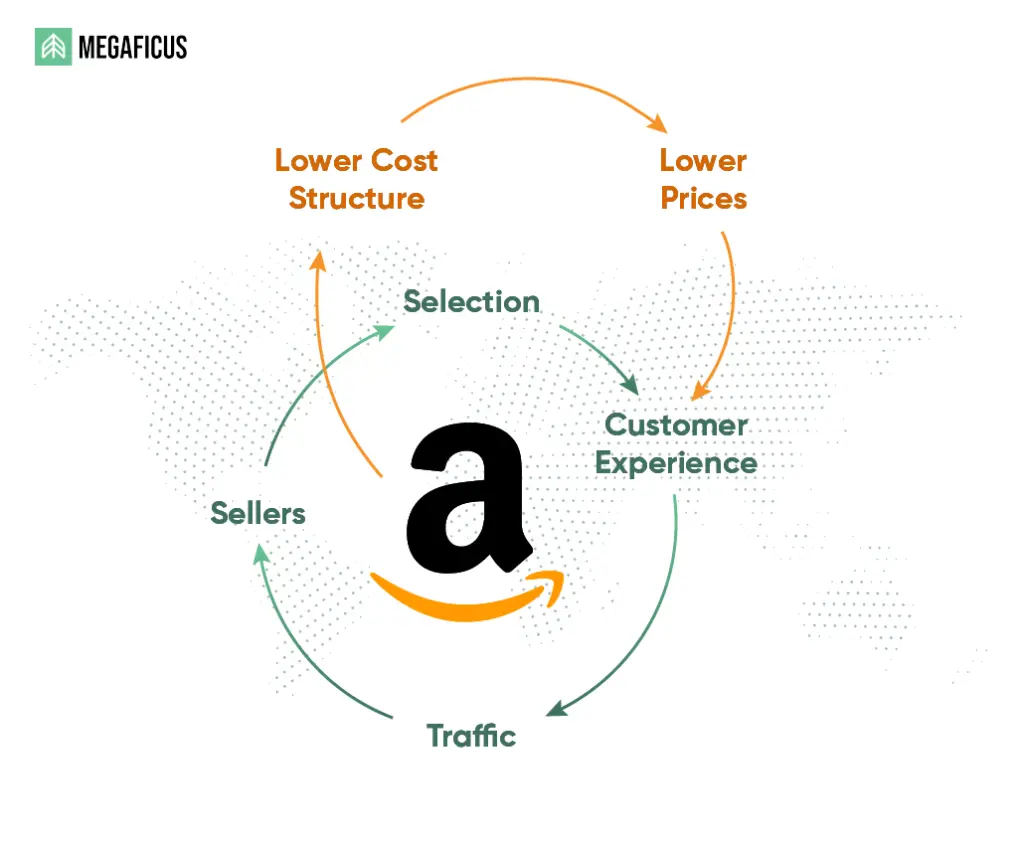
To understand how it creates scalable growth, the Amazon Flywheel concept is crucial: higher sales volume (driven by your ads) acts as a powerful signal to Amazon’s A9 search algorithm, rewarding the product with better organic search rankings. This increases visibility, then drives more organic sales and paid advertising is the initial force setting this profitable cycle in motion.
How Does a Winning Amazon PPC Campaign Strategy Align with Business Goals?
Every winning Amazon advertising strategy must first be anchored to your overall business goals and financial health. Without clear, measurable objectives, you risk spending thousands of dollars without achieving a single profitable sale. The initial focus must be on defining the true cost of customer acquisition.
To align advertising with your financial targets, setting a clear Advertising Cost of Sales (ACoS) goal is the crucial starting point. ACoS is the primary metric indicating how much of your ad-generated revenue is consumed by the ad cost itself. Knowing your profit margin allows you to set a maximum permissible ACoS.
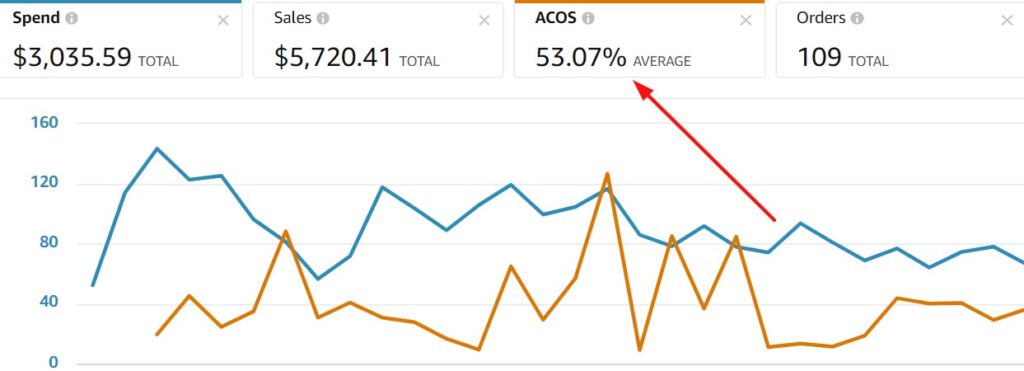
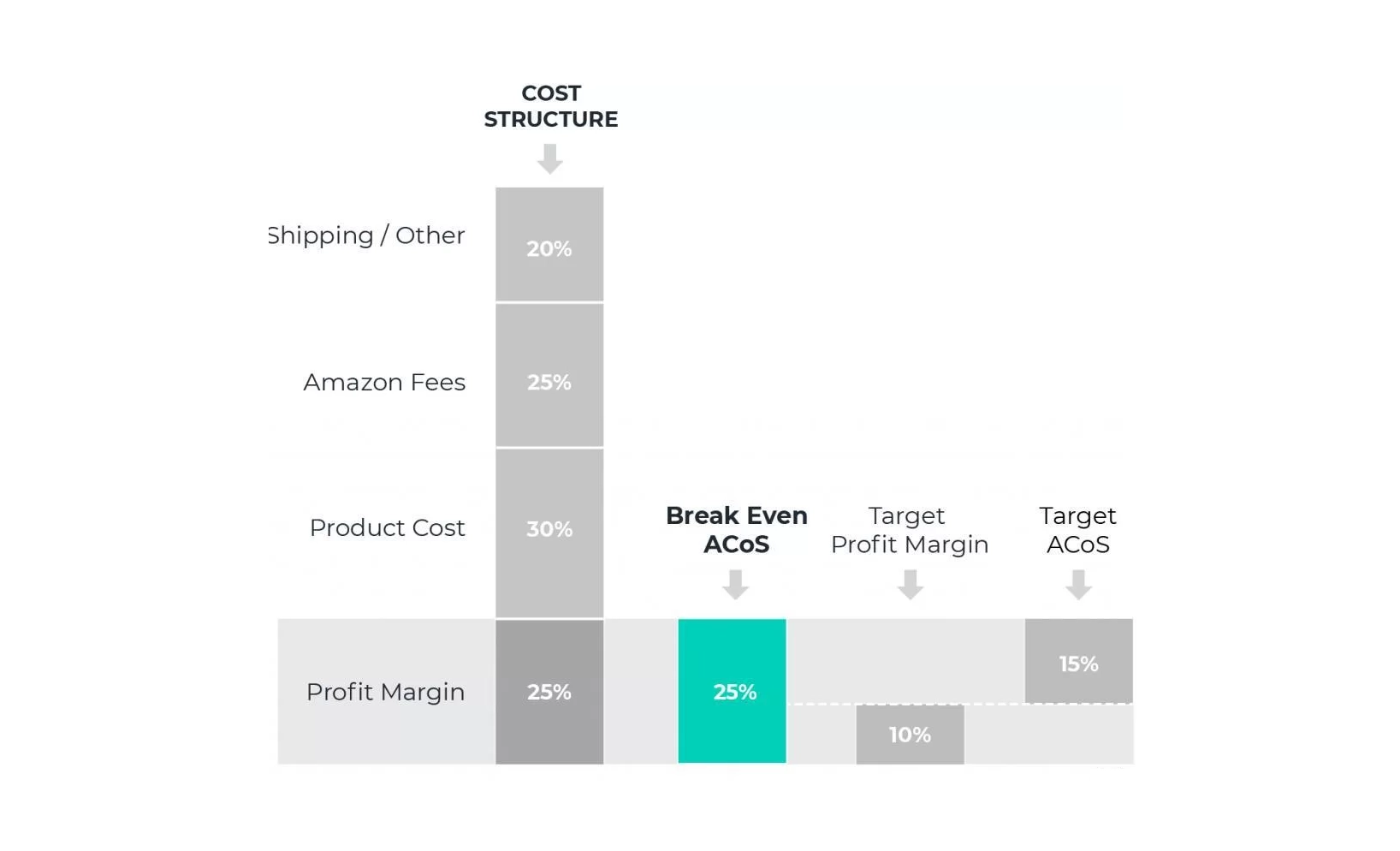
Strategically, you must differentiate between two crucial ACoS targets that align with different business phases. Break-Even ACOS is the point where ad spending equals gross profit, resulting in zero profit. This is typically used during a new product launch or a market-share aggressive period.
Conversely, your Target ACOS is the financial metric used for sustained, long-term profitable growth goals. It is set well below the break-even point to ensure a healthy profit margin remains after ad spend. For mature products, maintaining a low Target ACoS is critical for cash flow.
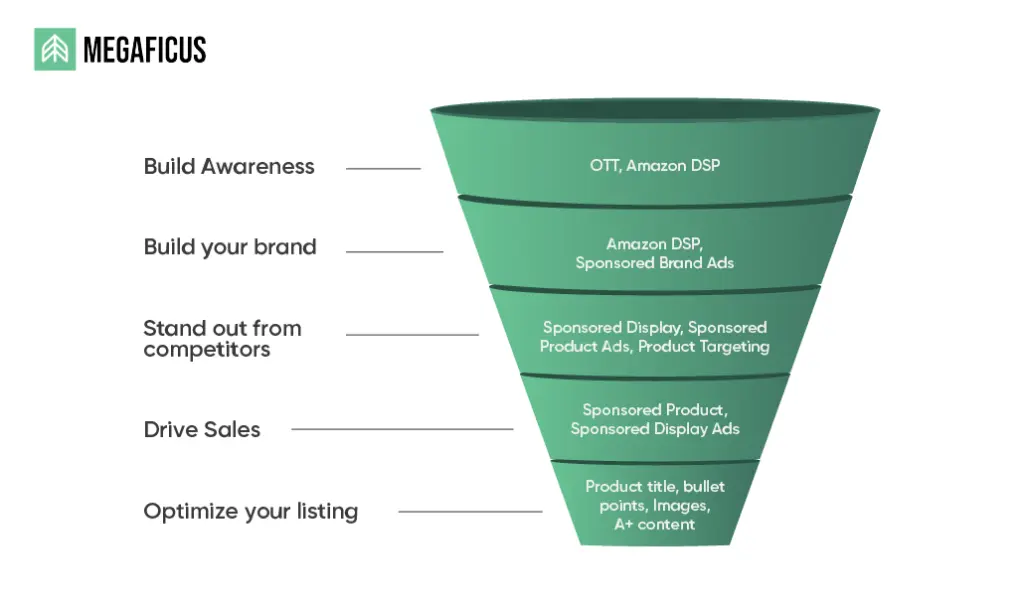
Beyond financial targets, your Amazon advertising strategy must also align with the Three Core Objectives: Awareness, Consideration, and Conversion. These objectives, which mirror the standard sales funnel, dictate the non-financial goals of your campaigns. A successful Amazon ad strategy must address all three for total market penetration.
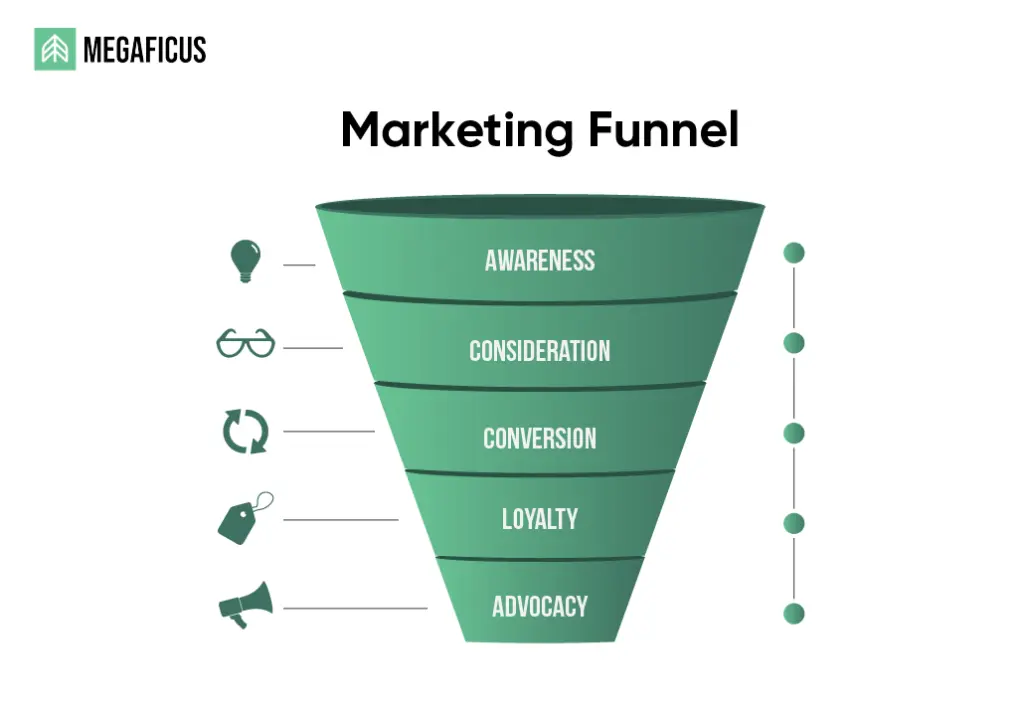
Specific ad types are best mapped to align with each objective in your Amazon advertising strategy. Use Sponsored Display for Awareness by targeting specific shopper demographics or off-Amazon placements. These ads can strongly maximize reach.
Whereas, Sponsored Brands are ideal for Consideration, appearing at the top of search results and guiding comparison shoppers to your brand’s Store page. They interrupt competitor searches effectively. Sponsored Products are primarily for Conversion, using highly relevant keywords to secure sales at the moment of purchase intent.
What are the 5 Core Pillars of a High-Converting Amazon Advertising Strategy?
To move beyond fragmented campaigns, a successful Amazon advertising strategy must be built on five interconnected pillars. These pillars guarantee that your advertising investment is built on a solid foundation, optimized for maximum return, and ready to scale consistently. Mastering these steps ensures long-term marketplace dominance.
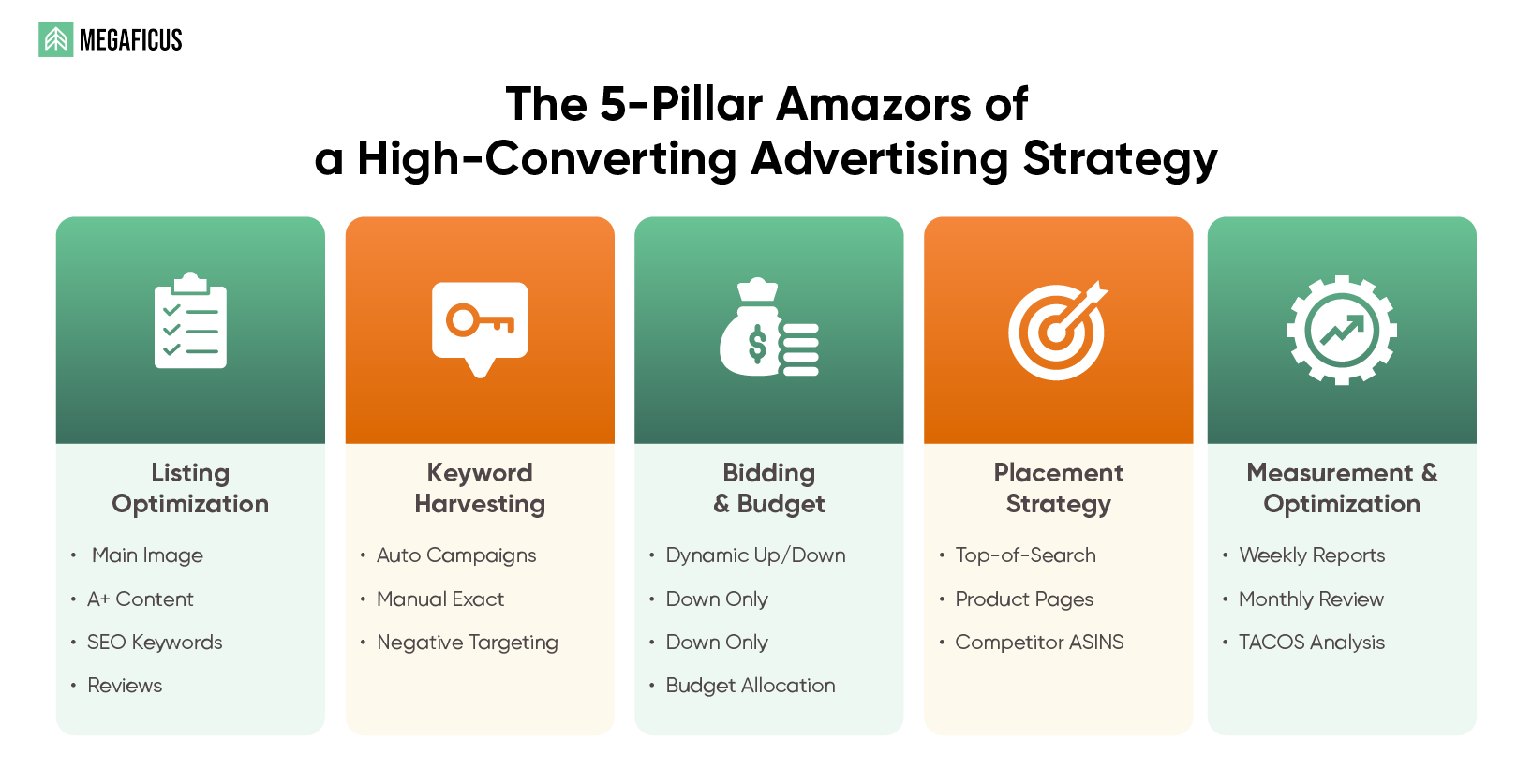
Pillar 1: Listing Optimization
Pillar 1 focuses on Listing Optimization, recognizing that your product page is the definitive destination for all ad traffic. No amount of money spent on advertising can salvage a poor product listing. A weak listing guarantees a high click-through rate (CTR) but a low conversion rate (CVR), resulting in wasted spend.
The quality of your main image is paramount, driving the initial click and determining your CTR. Invest in a clean, professional, and visually engaging main image. Next, A+ Content/Enhanced Brand Registry (EBC) and compelling bullet points handle the sales pitch, building trust and conveying value before a shopper purchases.
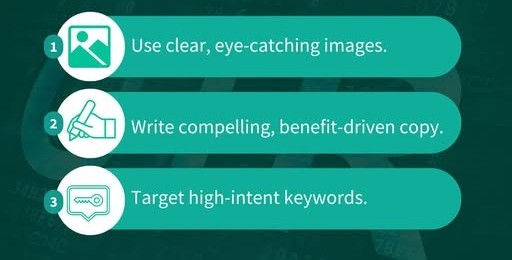
For example, if you have a supplement brand, then you must use its bullet points to list all benefits, dosage, and purity certifications clearly. Without this detailed information, the CVR will drop immediately. Only when the listing is perfected should you begin spending money on ads.
Pillar 2: Keyword Harvesting & Refinement
Pillar 2 establishes the three-stage process of Keyword Harvesting & Refinement in your Amazon advertising strategy. Keywords are not static; they must be actively discovered, validated, and refined over time to ensure peak efficiency. This method is the engine that continually feeds profitable terms into your account.
This refinement process begins by using Automatic Campaigns for discovery; these cast a wide net to find unknown, converting search terms. Next, you graduate those proven terms to Manual Campaigns for fine-tuned optimization and precise bidding. Finally, you employ Negative Targeting to block irrelevant searches, ensuring cost control and protecting your ACoS.
For instance, an Auto Campaign might discover the long-tail search term “silicone ice cube tray with lid.” This phrase, if profitable, is “harvested” and placed into a dedicated Manual Exact Match Campaign for maximum profitability. This eliminates random guessing.
Pillar 3: Bidding & Budget Strategy
Pillar 3 dictates your Bidding & Budget Strategy, which is essential for maximizing visibility while controlling costs. Amazon provides three dynamic bid options, and the correct choice depends entirely on the goal of that specific campaign. Using the wrong option on a general Amazon advertising campaign strategy can quickly deplete your budget.
To align bidding with profitability goals, Up and Down bidding is the most aggressive option, allowing Amazon to increase its bid by up to 100% for searches likely to convert. Reserve this for your highest-converting, low-ACoS Exact Match Campaigns. Down Only is the standard default, lowering bids on weak placements to save money.
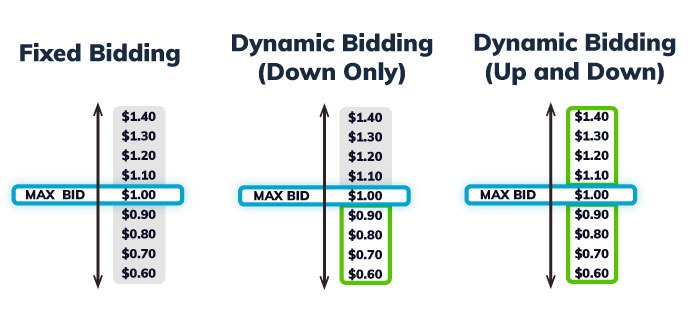
Static bidding with Fixed Bids should be avoided by most sellers. They force your full bid regardless of conversion probability, often resulting in wasted spend on low-quality traffic. A smart strategy uses data, not static bids, to guide spending.
Pillar 4: Placement Strategy
Pillar 4 defines your Placement Strategy, ensuring your ads appear where customers are most likely to click and buy. The two most valuable locations are Top-of-Search (TOS) and competitor product detail pages. Using placement modifiers allows you to aggressively bid for these spots selectively.
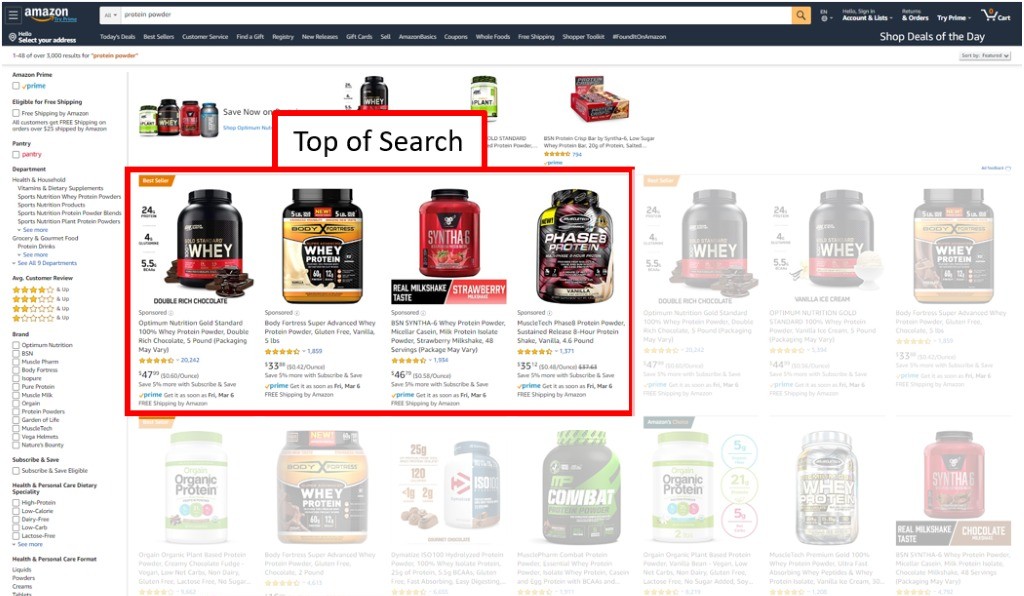
Targeting Top-of-Search placement is done to capture high-intent customers who are just starting their search. Use a positive bid modifier (e.g., +50%) on your most profitable Exact Match keywords to win these premium positions. These spots often drive higher CTR and conversion.
Capturing market share means targeting competitor product pages is a powerful tactic. Use Sponsored Product and Sponsored Display in your Amazon ads strategy to appear on high-volume competitor ASINs. This allows you to steal traffic from established brands, presenting your product as a direct alternative.
Pillar 5: Measurement & Optimization
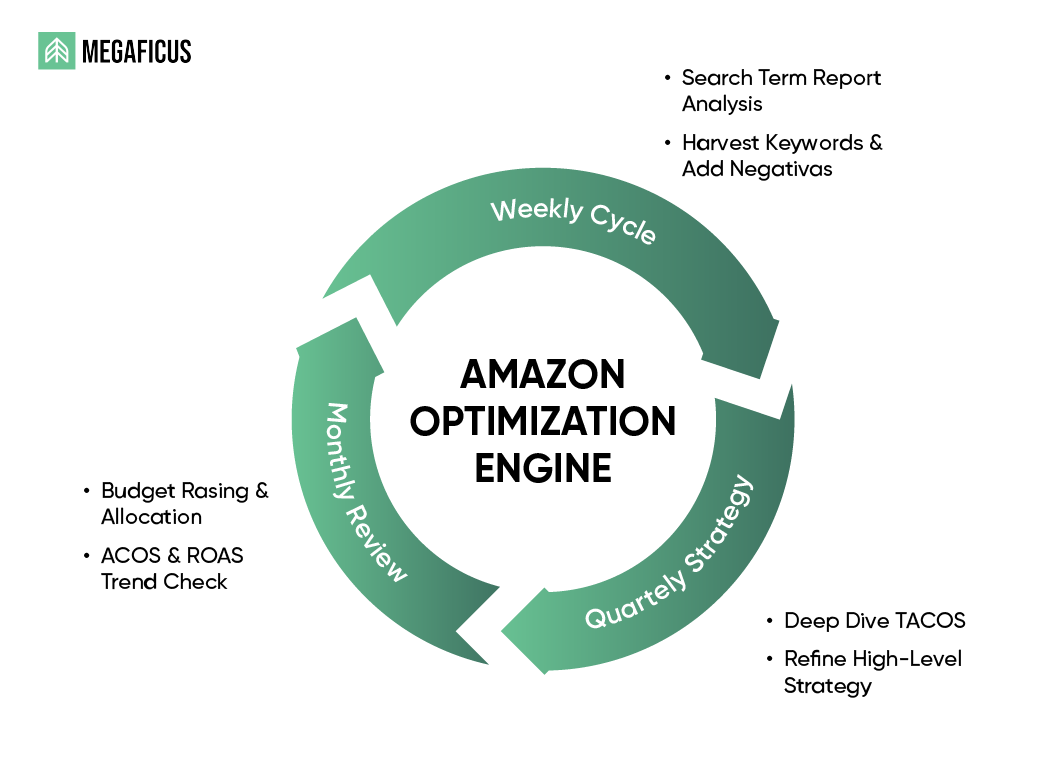
Pillar 5 is the final, ongoing step: Measurement & Optimization. Your Amazon advertising strategy must be viewed as a continuous cycle, not a one-time setup. This involves a distinct rhythm of review: weekly, monthly, and quarterly checks. Neglecting this step is the fastest way to lose profitability.
This measurement system requires your weekly cycle to focus on tactical adjustments: checking the Search Term Report for harvesting and negative keyword addition. The monthly cycle reviews budget pacing and ACoS trends to reallocate funds between campaign structures. Quarterly reviews assess overall TACOS and brand health goals.
How Can Sellers Optimize Amazon Ad Cost and Improve ROAS Without Cutting Spend?
The core of this optimization section is improving ROAS (Return on Ad Spend) and controlling cost, the primary ongoing task for any successful Amazon advertising strategy. The goal is to spend smarter, not less, by eliminating inefficient traffic. This involves diagnosing where the budget is being wasted and surgically correcting the campaign structure.
The top factors that instantly drive up your Amazon ad cost are low conversion rate (poor listing quality), bidding on irrelevant clicks, and weak keyword matching. These issues funnel money directly toward unprofitable clicks, destroying your margin.
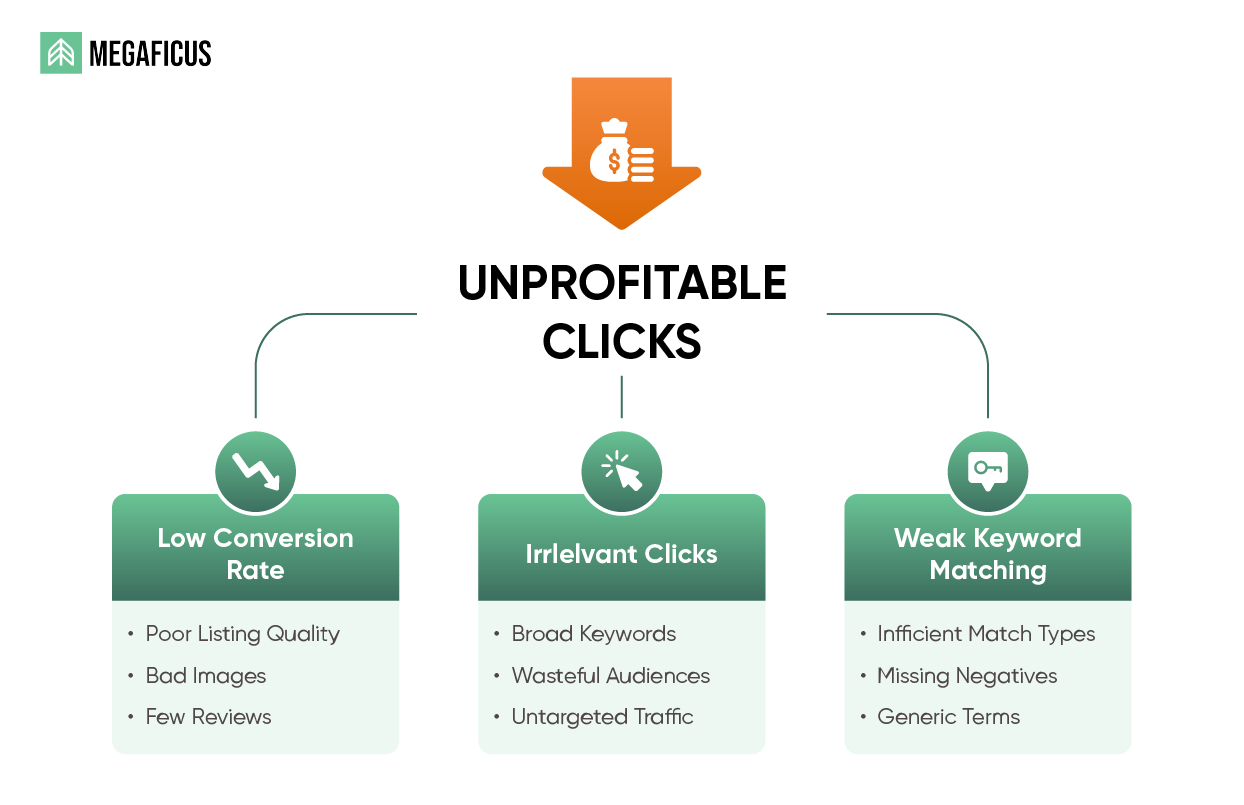
Actionable strategies to reduce wasted ad spend include daily budget checks and aggressively auditing the Search Term Report. Wasted spend often hides in Auto or Broad Match Campaigns that have been running too long without maintenance. You must prioritize the lowest-cost, highest-converting traffic.
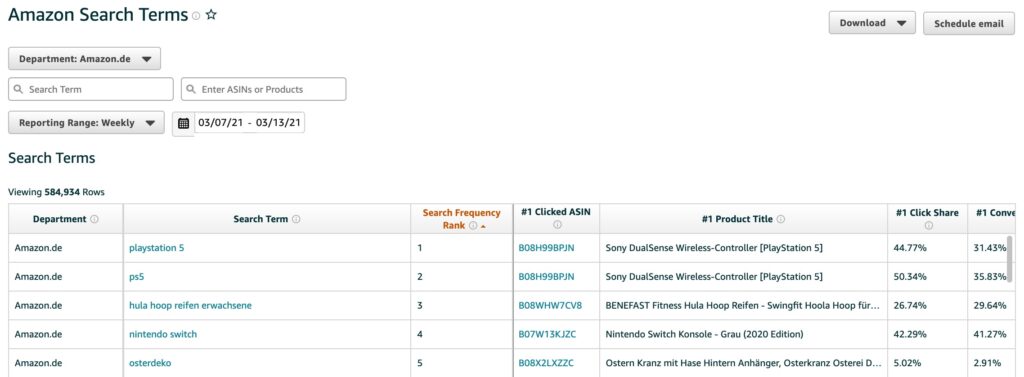
The most effective strategy to optimize cost is to focus on aggressive negative keyword addition and prioritizing Exact Match Campaigns. Negative terms act as a protective barrier around your budget. Meanwhile, shifting budget to Exact Match campaigns guarantees that money is spent only on terms proven to convert, dramatically improving your ACoS.
To complete the conversion funnel, you must know how to use Sponsored Display Ads for effective customer retargeting. Target shoppers who viewed your product in the last 30 days but did not buy. These ads bring the customer back to the listing just when they are ready to purchase, completing the conversion funnel at a low cost.
For large-scale growth, tips for leveraging Amazon DSP (Demand Side Platform) involve using it as a high-level scaling tool. DSP allows large brands to run programmatic display and video ads across the internet (e.g., ESPN, CNN). This drives brand awareness and external traffic back to Amazon. DSP is usually reserved for large budgets.
What are the Next Steps for Scaling Your Amazon Advertising Success?
The key to successfully scaling your Amazon advertising strategy is maintaining the balance between efficiency and growth. After optimizing your foundational campaigns, the next steps involve advanced testing, integration, and utilizing Amazon’s proprietary data tools. Scaling must be slow and data-driven to remain stable.
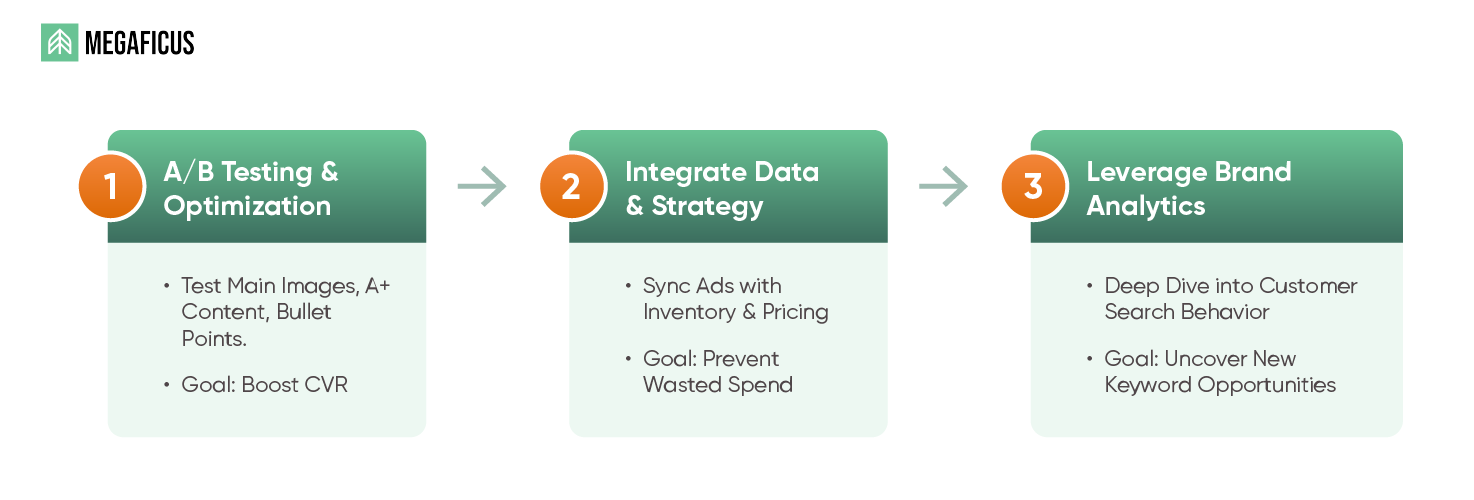
The first step in scaling is implementing A/B Testing on product listings and ad copy. Test different main images, bullet point structures, or price points to see which variation leads to the highest CVR. This data informs your ad campaigns, making every click more valuable.
Financial scaling also requires integrating advertising data with inventory and pricing strategy. Do not run aggressive ad campaigns for low-stock items, which wastes spend on unfulfilled demand. Adjust bids downward when inventory is low and pause campaigns if a price change hurts your Target ACoS.
Finally, exploring Brand Analytics for deeper customer and market insights offers invaluable intelligence for your Amazon advertising strategy. Use the Search Query Performance report to see how your brand performs against competitors at different stages of the search funnel. This informs new keyword targeting.
>>> Read more: Amazon Ads API Detailed Guide: From Setup to Best Practices
Frequently Asked Questions (FAQs) about Amazon’s advertising strategy
It depends on your goal and product margin, typically 10-20% for profit. A lower ACoS is always better, but a higher ACoS (40-60%) may be necessary for new product launches.
ACOS measures ad efficiency (paid sales only); TACoS (Total ACoS) measures overall business health (paid + organic sales). A low TACoS indicates your ads are successfully boosting organic rank.
Start with Automatic to discover keywords, then transition to Manual for control and optimization. Auto Campaigns are for learning, and Manual Campaigns are for profit.
The quality of the product listing (images, reviews, A+ Content). A perfect ad with a poor listing will still result in a very low conversion rate (CVR).
Weekly for keywords (harvesting and negating); monthly/quarterly for budget and strategy. Consistent, small adjustments outperform sporadic major changes.
Get Professional Help from Megaficus
In conclusion, developing an effective Amazon advertising strategy transforms your spending from a liability into a sustainable investment. This strategic approach ensures your money is driving both paid sales and, crucially, your organic rank, reinforcing the core “Amazon Flywheel” effect.
The long-term success of your business relies on treating the Amazon PPC strategy as a continuous cycle. You must constantly engage in testing new keywords, monitoring performance metrics, and optimizing bid levels to maintain a competitive edge and prevent budget bleed.
Ultimately, success on Amazon is a balance between ad efficiency (maintaining a low ACoS) and total business growth (reducing TACoS). By mastering the five pillars, you secure the foundation for profitable, scalable growth in the highly competitive marketplace.