

What is the Amazon Algorithm, and how can understanding its ranking factors help you dominate search results and drive sustainable sales growth? With proven optimization strategies and data-driven insights, Megaficus shows you how mastering A10 can transform your product visibility and accelerate marketplace success.
Quick Summary
- Amazon’s algorithm (A10) powers product search and ranking by prioritizing customer experience, relevance, and performance metrics aligned with Amazon’s customer-centric approach.
- How it works: The algorithm evaluates titles, descriptions, reviews, pricing, and availability while continuously learning from customer interactions to refine rankings and reward genuine quality over aggressive optimization tactics.
- Key ranking factors: Conversion rate and CTR are top-priority signals, PPC influences rankings indirectly, and seller authority (FBA, account health, feedback) significantly impacts visibility.
- Optimization strategies: Drive external traffic from social media and influencers, improve listing engagement through quality content, strengthen seller authority via excellent metrics, and implement competitive pricing strategies.
What Is The Amazon Algorithm?
Amazon’s algorithm, previously A9 and now A10, powers the platform’s search and ranking system. Its primary function is delivering the most relevant products to customers, thereby improving their shopping experience and satisfaction.
As Amazon brands itself as “the most customer-centric company in the world,” displaying the right products at the top naturally becomes critical for both customer benefit and maximizing the company’s revenue.
How The Amazon Algorithm Works?
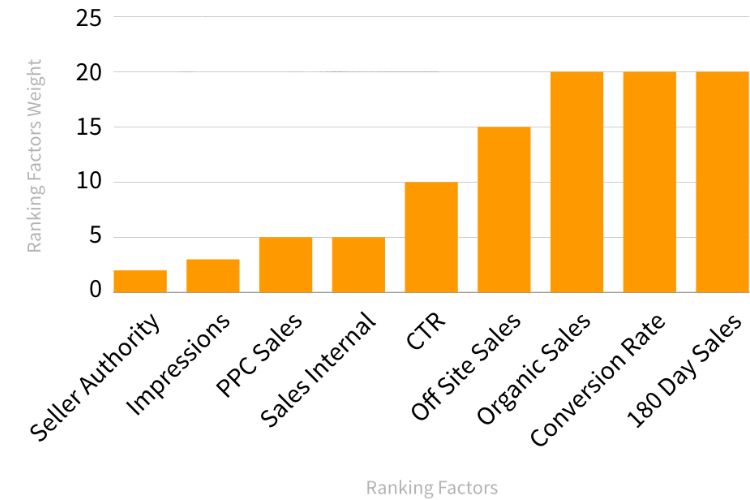
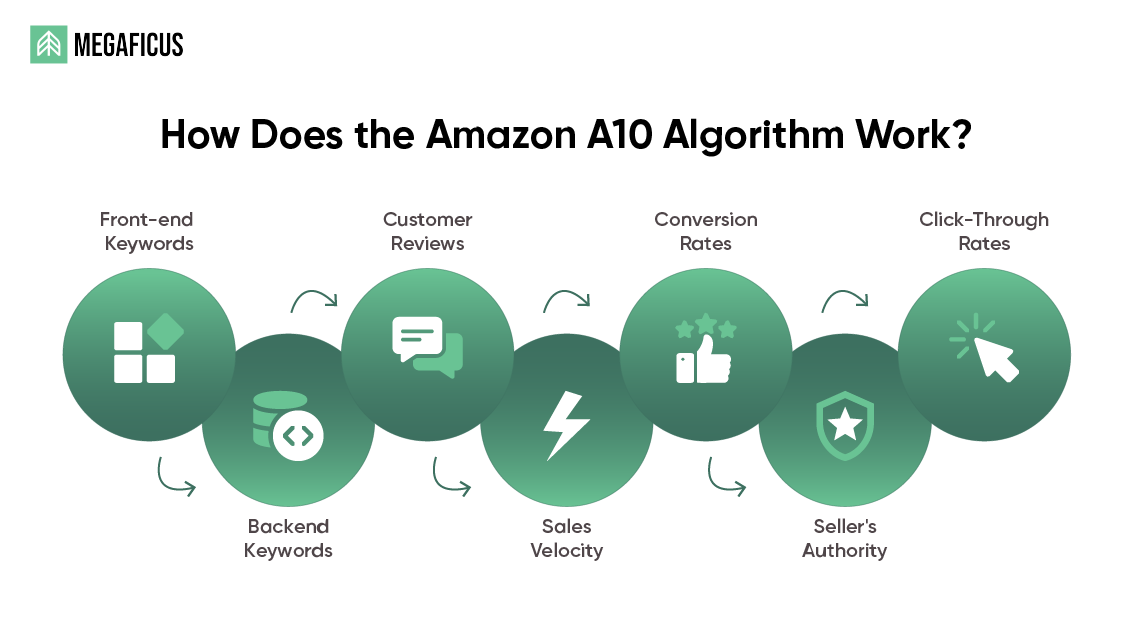
When shoppers search on Amazon, the platform evaluates product titles, descriptions, reviews, pricing, and availability to determine rankings. The system continuously learns from customer interactions to refine results over time.
The A10 algorithm marks a fundamental shift by prioritizing customer experience and product relevance over previous tactics like keyword stuffing or heavy PPC spending. Consequently, Amazon has redistributed ranking factor importance to reward genuine quality and performance rather than aggressive optimization techniques.
Comparing A9 and A10: What’s New in Amazon’s Algorithm
The updated algorithm places greater emphasis on customer search intent, therefore ensuring that products most likely to be purchased are ranked prominently. Moreover, naturally driven sales transactions have become a critical factor, whereas the direct influence of paid advertising campaigns has diminished.
In addition, A10 incorporates off-platform signals, such as social media engagement and external website traffic, which creates a more comprehensive evaluation system. Furthermore, seller credibility is now an essential component, while cross-platform data integration enhances the accuracy of search outcomes.
| Ranking Factor | A9 Algorithm (Previous) | A10 Algorithm (Current) |
|---|---|---|
| Primary Focus | Paid advertising and profit margins | Product relevance and performance metrics |
| Off-Platform Signals | Negligible consideration | Significant weight (social media, external traffic) |
| Customer Intent Matching | Secondary consideration | Primary ranking priority |
| Natural Sales Influence | Moderate importance | Critical ranking factor |
| PPC Advertising Impact | Dominant ranking driver | Diminished direct influence |
| Data Sources | Amazon platform only | Cross-platform data integration |
| Seller Credibility | Minor consideration | Essential ranking component |
| Optimization Approach | Advertisement-focused | Comprehensive marketplace strategy |
Overall, A10 represents a more sophisticated, data-driven, and customer-focused algorithm, meaning that sellers looking to optimize for A10 must therefore focus on organic sales, listing relevance, and building strong brand credibility, instead of relying primarily on paid advertising.
Key Factors That Impact Amazon’s Algorithm
A10 evaluates multiple performance signals to determine search rankings, with certain metrics carrying significantly more weight than others in influencing your product’s visibility.
Conversion Rate
Conversion rate measures the percentage of visitors who purchase after viewing your listing. While A9 recognized this metric, A10 has elevated it to a top-priority ranking factor.
High conversion rates signal to the algorithm that your product genuinely matches customer intent, prompting Amazon to boost its visibility in search results. Conversely, low conversion rates indicate a mismatch between customer expectations and product delivery, causing the algorithm to demote rankings regardless of other optimization efforts.
Pay-Per-Click (PPC) Ads
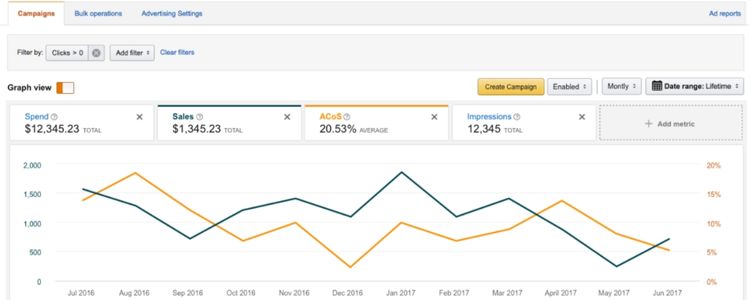
Under A10, PPC advertising carries significantly less weight in organic ranking calculations compared to A9, reflecting a shift toward rewarding natural sales performance. However, sponsored ads remain strategically important, especially for new product launches lacking organic visibility.
PPC campaigns influence rankings indirectly by driving initial traffic and conversions, which boost critical organic metrics like sales velocity and conversion rates. Additionally, sponsored placements secure top positions in targeted search results, accelerating the path to building the organic momentum that A10 ultimately prioritizes.
Seller Authority
A10 places greater emphasis on seller credibility as a ranking factor, evaluating trustworthiness through feedback ratings, account health, order defect rate, and fulfillment method. Using Fulfillment by Amazon (FBA) particularly strengthens authority by guaranteeing consistent delivery standards and customer service quality.
Strong seller authority translates directly into better search visibility, while sellers with poor metrics or policy violations face ranking penalties regardless of product quality. Amazon prioritizes protecting customer experience by rewarding reliable sellers with higher placement in search results.
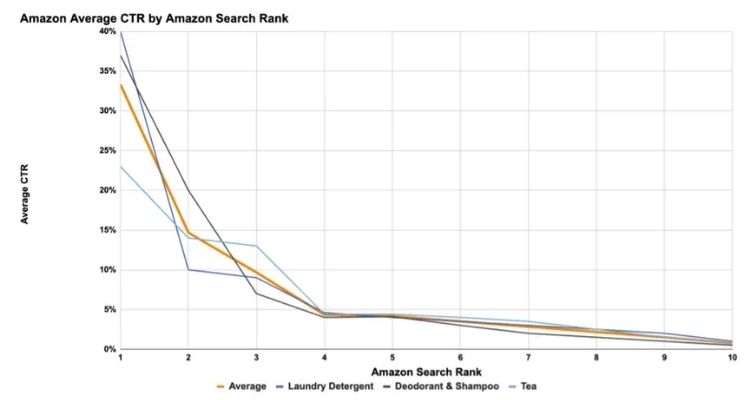
Click-Through Rate (CTR)
Click-through rate measures the percentage of shoppers who click your listing after seeing it in search results. While A9 recognized CTR’s importance, A10 has amplified its influence as a critical ranking signal.
High CTR demonstrates that your listing successfully captures shopper attention and appears relevant to their search intent. When users consistently choose to click your product over competitors, the algorithm interprets this as validation that your listing deserves higher placement.
Conversely, low CTR suggests your product presentation fails to resonate with target audiences, prompting Amazon to test other listings in premium positions.
How To Optimize Your Listings For The A10 Algorithm
Successfully adapting to A10 requires strategic optimization across multiple areas. Megaficus recommends these proven techniques to align with A10’s priorities and maximize your product visibility in Amazon’s competitive marketplace.
Drive External Traffic To Amazon Listings
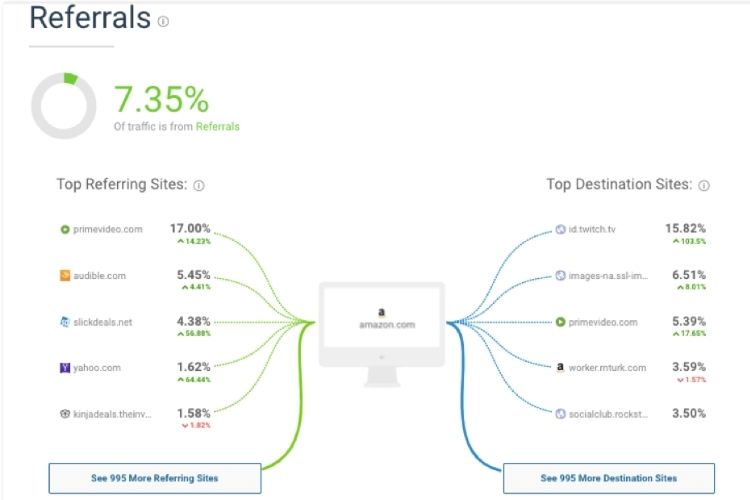
A10 rewards traffic originating from outside Amazon’s platform, making external marketing a critical component of your ranking strategy. By diversifying your traffic sources and bringing customers from social media, search engines, and content platforms to your listings, you signal strong product demand and brand authority to the algorithm.
- Leverage social media platforms:
- Create engaging content on Instagram, TikTok, or Facebook showcasing your product through demonstrations, testimonials, or lifestyle imagery.
- Direct followers to your Amazon listing using trackable links in bio, stories, or posts.
- Focus on platforms where your target audience is most active and consistently deliver content that drives purchase intent.
- Partner with influencers: Collaborate with micro-influencers in your niche who have engaged audiences aligned with your product category. Establish ongoing partnerships rather than one-time posts to create sustained traffic flow.
- Invest in content marketing: Develop or sponsor content through niche blogs, YouTube reviews, or relevant Reddit communities where customers seek product recommendations. Quality educational content naturally drives targeted traffic more likely to convert, which A10 values in its ranking calculations.
- Use Amazon attribution: Set up Amazon Attribution tags to track which external sources deliver the most conversions. Focus resources on channels generating actual purchases rather than just clicks, as A10 prioritizes quality traffic over volume.
Improve Listing Engagement
A10 monitors how shoppers interact with your listing, including time spent on page, scroll depth, and engagement with content. Consequently, higher engagement signals indicate your listing effectively answers customer questions and builds purchase confidence, prompting the algorithm to boost your visibility:
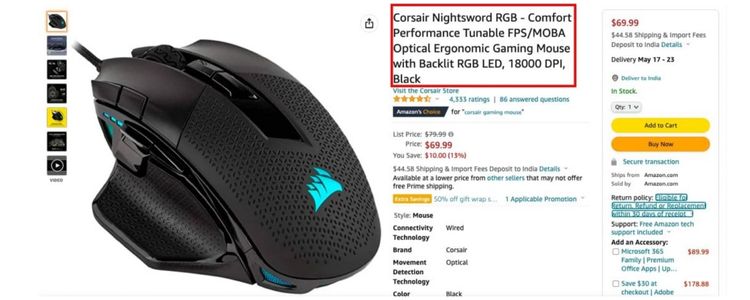
- Optimize product titles: You should craft titles that comply with Amazon’s guidelines while incorporating relevant keywords naturally. Non-compliant titles risk suppression from search results, so avoid keyword stuffing or all-caps formatting.
- Invest in professional images: Your main image must feature high-quality photography against clean white backgrounds per Amazon’s requirements. Beyond this, include lifestyle shots and feature close-ups in secondary images to help customers visualize product usage and scale.
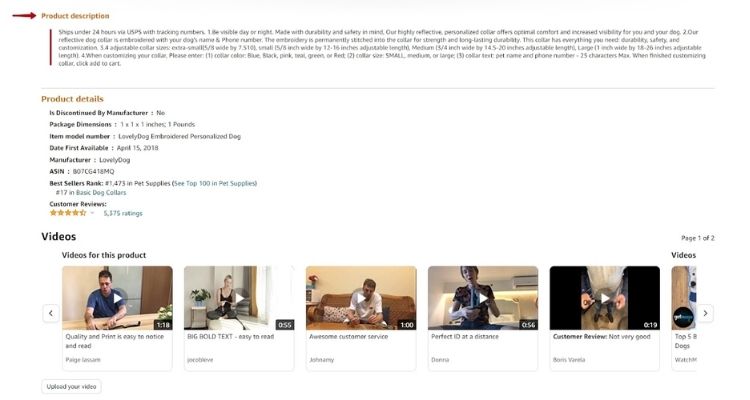
- Write compelling descriptions: Structure your descriptions with keyword-rich bullet points that emphasize benefits rather than just specifications. Furthermore, describe how customers can use your product to solve problems, as this approach increases read time and engagement metrics that A10 monitors.
Strengthen Seller Authority & Reputation
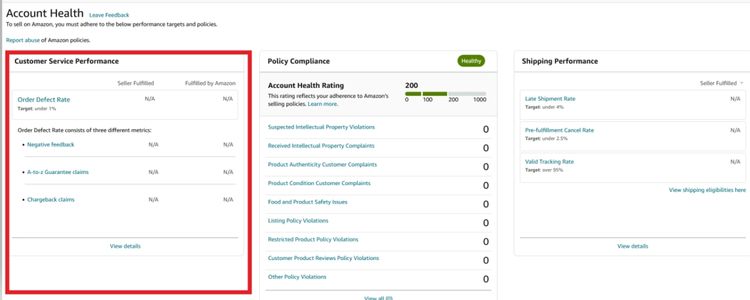
A10 evaluates your credibility through account-level performance metrics that reflect operational excellence and customer service quality. Consistently maintaining high standards across these areas directly improves your rankings.
- Maintain healthy account metrics: Monitor your Order Defect Rate (ODR), Late Shipment Rate, Pre-fulfillment Cancel Rate, and Valid Tracking Rate closely. Amazon expects ODR below 1%, late shipments under 4%, and cancellations under 2.5%.
- Leverage fulfillment by Amazon (FBA): Using FBA significantly boosts authority by ensuring consistent delivery standards and customer service quality. Additionally, FBA products receive Prime eligibility, which increases conversion rates and signals reliability to the algorithm.
- Build and protect seller feedback: Actively encourage satisfied customers to leave seller feedback through follow-up communications. Promptly address negative feedback by resolving issues professionally, as maintaining a rating above 95% demonstrates consistent reliability to both shoppers and the algorithm.
- Minimize returns and refunds: Keep return rates low by ensuring accurate product descriptions and realistic customer expectations. Furthermore, handle return requests promptly to maintain positive customer relationships and protect your account health score.
Implement Strategic Pricing
While A10 doesn’t directly evaluate price points, competitive pricing significantly impacts conversion rates and sales velocity, which are critical ranking factors:
- Conduct regular competitive analysis: Monitor competitor pricing weekly and position your products strategically. You don’t need the lowest price, but your value proposition must justify any premium through bundling, enhanced features, or superior quality.
- Use psychological pricing tactics: Price products at $19.97 instead of $20 or $49.99 instead of $50 to leverage psychological triggers that improve purchase decisions. Test different price points to find the optimal balance between conversion rate and profit margin.
- Run Time-limited promotions: Execute short-term discounts during high-traffic periods like Prime Day to create sales momentum that improves organic ranking. However, avoid constant discounting as it erodes brand perception and trains customers to wait for sales.

Top 3 Tools To Help You Work With Amazon Algorithm
Leveraging specialized tools can automate optimization tasks and provide data-driven insights to help you stay competitive with A10’s evolving ranking factors.
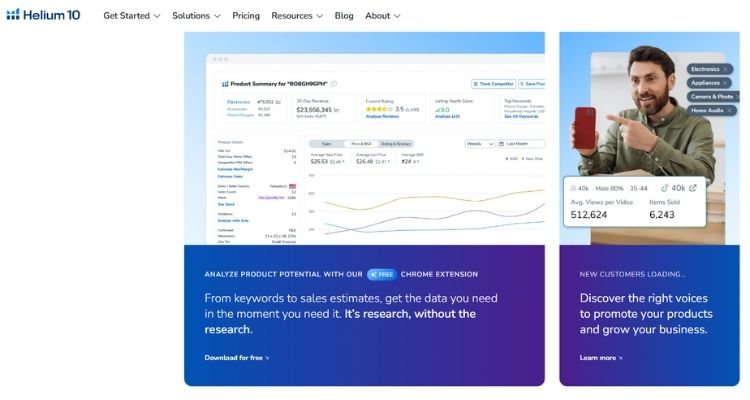
Helium 10
Helium 10 is a comprehensive software suite for Amazon sellers, offering data-driven tools for product research, listing optimization, keyword tracking, and competitor analysis to improve A10 rankings.
Key services:
- Keyword research & Optimization
- Listing optimization analysis
- Competitor intelligence
- PPC campaign management
Adspert
Adspert is an AI-powered PPC automation software specializing in bid management and campaign optimization across Amazon Ads and other platforms. It uses machine learning algorithms to automatically adjust bids 24/7, helping sellers reduce ACoS while maximizing conversions and sales.
Key services:
- AI-Powered bid optimization
- Smart keyword & ASIN harvesting
- Scenario analysis & Forecasting
- Multi-Marketplace management

BidX
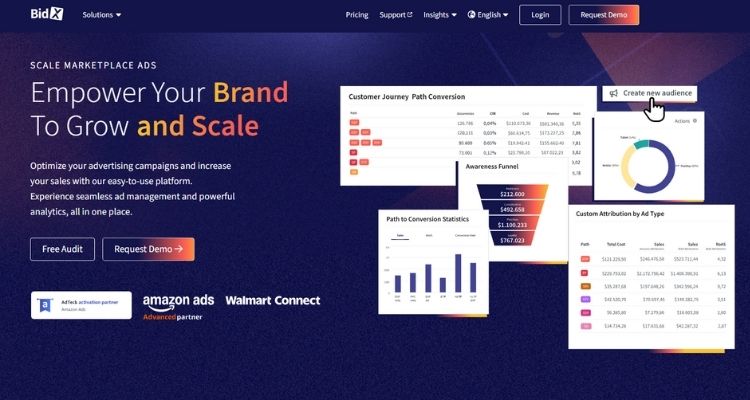
BidX is an AI-powered marketplace advertising platform that automates campaign creation, bid optimization, and performance analysis across Amazon Ads, including Sponsored Products, DSP, and Amazon Marketing Cloud. It combines automation with advanced analytics to help sellers maximize ad performance and scale operations efficiently.
Key services:
- Automated campaign creation & Management
- AI-Driven bid optimization
- Advanced targeting & Audience management
- Amazon Marketing Cloud Integration
Frequently Asked Questions About the Amazon Algorithm
Amazon’s algorithm analyzes keywords, conversion rates, sales velocity, reviews, and seller authority to rank products. It prioritizes products most likely to satisfy customer intent and generate purchases.
Yes, Amazon transitioned from A9 to A10, which emphasizes organic sales, external traffic, and seller authority more heavily than paid advertising.
Optimize conversion rates through quality images and competitive pricing, drive external traffic, maintain excellent seller metrics, and build consistent organic sales momentum.
A10 reduced PPC’s weight in rankings while increasing the importance of organic sales, external traffic, and seller authority compared to A9.
Get Professional Help from Megaficus
Understanding the Amazon Algorithm is essential for sellers who want to maximize product visibility, increase organic sales, and build sustainable marketplace success. Mastering A10’s ranking factors helps you optimize strategically, stay competitive, and achieve long-term growth through data-driven decisions rather than trial-and-error approaches.
Don’t hesitate to contact Megaficus for expert guidance and customized optimization strategies to dominate Amazon search rankings and accelerate your business performance in the evolving marketplace.