
Are you struggling to keep your ad spend under control while trying to scale your sales? Mastering your Amazon bid is the ultimate secret to winning the digital shelf in an increasingly crowded marketplace. In this guide, we dive deep into the best ways to manage your auctions for growth and profitability.
Quick Summary
- Auction Logic: Amazon uses a second-price auction where the winner pays only $0.01 more than the runner-up to ensure fair market pricing.
- Strategy Selection: Sellers must choose between Fixed, Dynamic Down Only, or Up and Down strategies, with the latter potentially increasing bids by 100%.
- Placement Control: Utilizing placement multipliers allows advertisers to bid up to 900% higher for premium spots like the Top of Search.
- Profit Focus: Understanding that average CPCs range from $0.80 to $1.20 is essential for maintaining a healthy advertising ROI.
- Optimization: Continuous keyword auditing and the use of negative targeting are the most effective ways to reduce wasted spend and ACoS.
What is an Amazon Bid?
Before you can win the search results, you must understand the basic currency of Amazon advertising. An Amazon bid is the maximum amount an advertiser is willing to pay for a click on their Sponsored Ad. It represents your financial commitment to a specific keyword or product target.
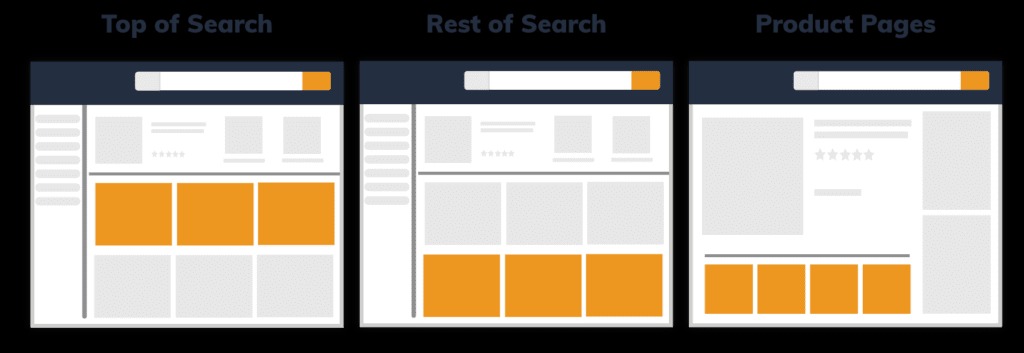
This bid acts as your entry ticket into a real-time auction that happens every time a shopper performs a search. These bids determine ad placement in key areas like “Top of Search,” “Product Detail Pages,” and “Rest of Search”. Without a competitive bid, your products remain invisible to high-intent buyers.
Winning the auction is not only about having the most money but also about gaining better visibility. Amazon uses your bid to slot your product into the most relevant customer journeys. This ensures that the right customers see your product at the exact moment they are ready to purchase. That’s why you, a seller, must view your bid as a strategic lever for market share.
For example, if you sell “organic coffee beans,” your bid determines if your product appears at the very top of the page when a shopper searches for that exact term. A higher bid increases the probability of capturing the “Top of Search” slot, which typically has the highest conversion rate.
How Does Amazon Bidding Work?
The Amazon auction system is designed to be fair while rewarding relevance and high-quality listings. It operates on a Second Price Auction model, where the winner pays only $0.01 more than the next highest bidder. This ensures you do not overpay significantly for traffic.
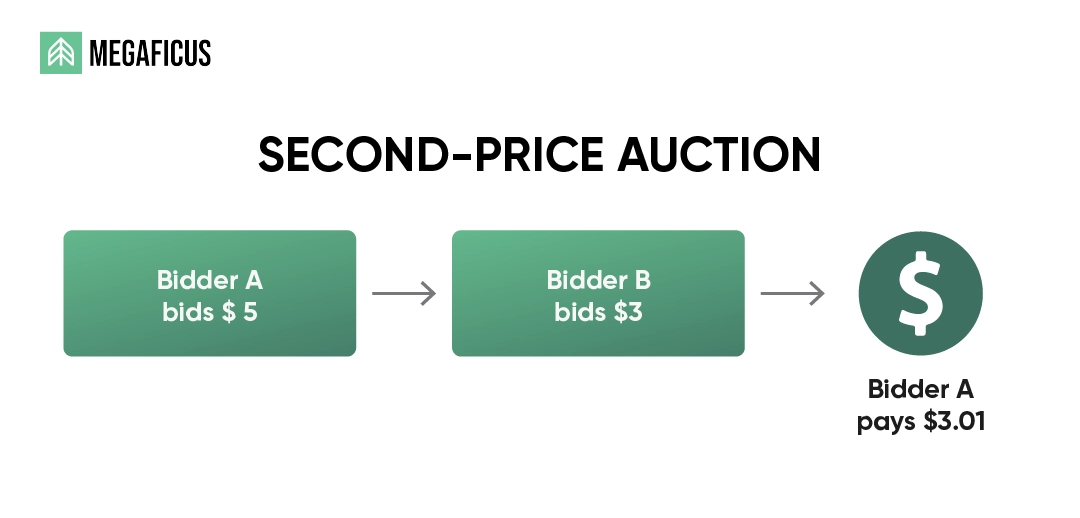
For instance, when you bid $1.50 but the next highest competitor bids only $1.00, your actual cost per click will be $1.01. This system encourages sellers to optimize their product titles and images. High relevance scores allow you to win auctions without needing the highest bid.
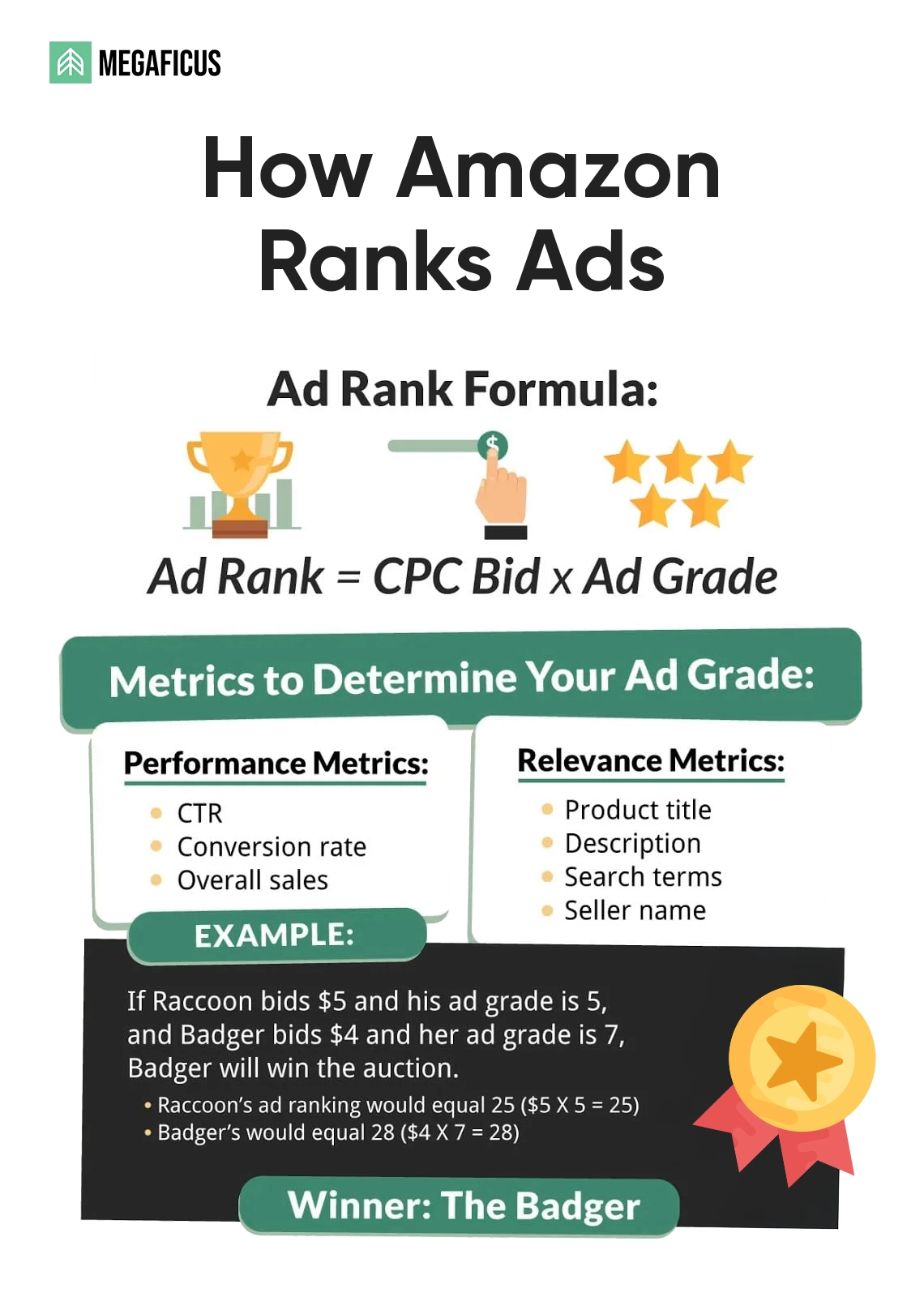
However, money is not the only factor in winning these auctions today. Amazon calculates Ad Rank by combining your bid amount with ad relevance factors like click-through rate and conversion history. A highly relevant ad can often win a top spot even with a lower bid.
This mechanism ensures that the customer experience remains high quality across the platform. If Amazon only showed ads based on the highest bidder, customers would see irrelevant products. By balancing money and quality, Amazon keeps both sellers and shoppers satisfied with the results.
The auction happens in milliseconds every time a user refreshes their search results page. This real-time environment means that market conditions are constantly shifting for sellers. What was a winning bid at noon might be an underbid by 6:00 PM as traffic increases.
What are the Different Amazon Bidding Strategies?
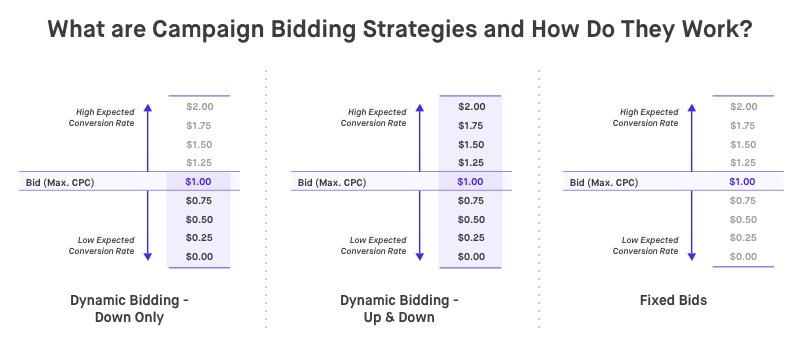
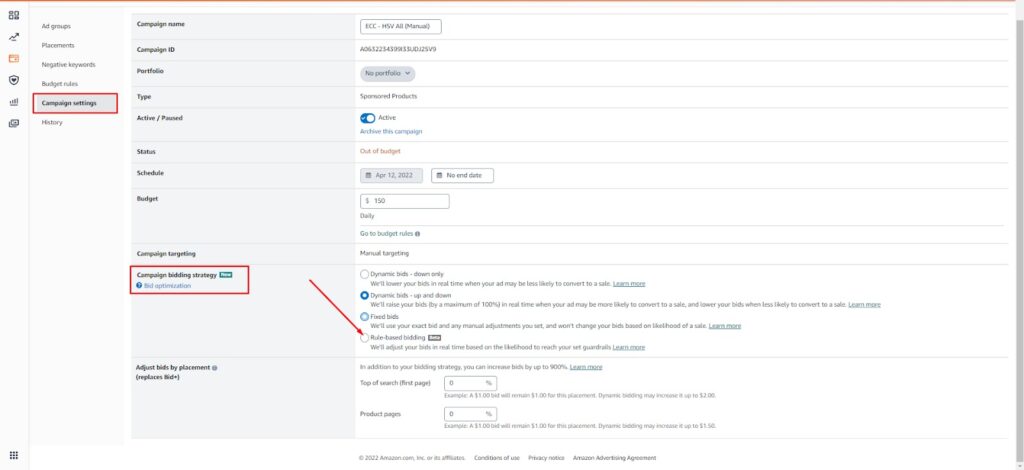
Choosing the right Amazon bidding strategies is the most critical decision you will make in the Campaign Manager. Selecting the correct mode ensures your ad spend aligns with your specific goals for visibility or total campaign profitability.
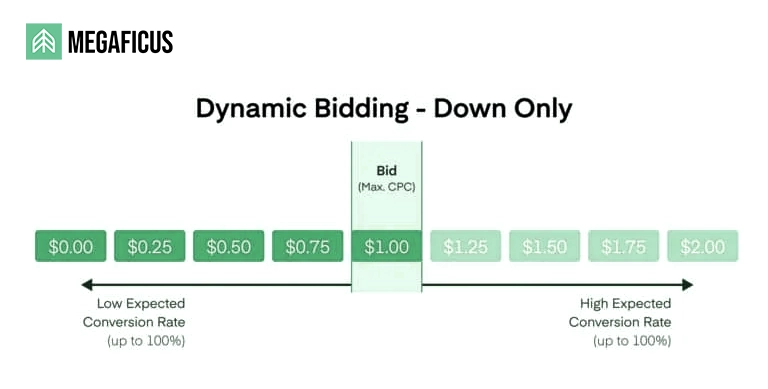
Dynamic Bids – Down Only
With this setting, Amazon reduces your bid in real time if a click is unlikely to result in a sale. This is widely considered the safest strategy for budget control. It is the default option for most new campaigns because it prevents unnecessary spending on low-intent traffic.
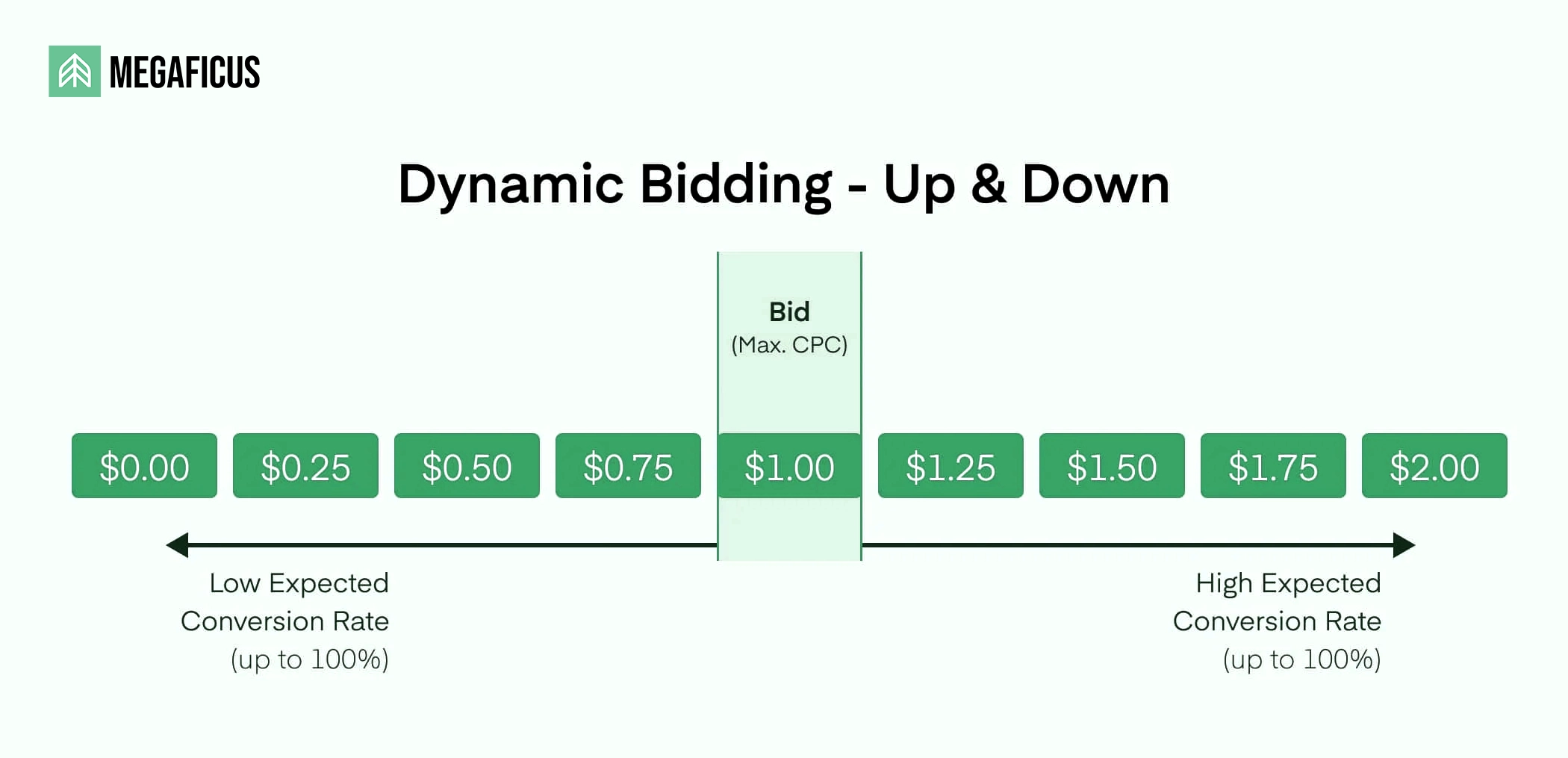
Dynamic Bids – Up and Down
This is a more aggressive campaign bidding strategy that Amazon users employ for growth. Amazon increases your bid for high probability sales and decreases it for low probability ones. It can increase your bid by up to 100 percent for top of search placements.
Fixed Bids
Fixed Bids mean Amazon uses your exact bid for every auction without any automated adjustments. This provides manual control over spend but lacks the algorithmic optimization of dynamic options. It is often used for brand awareness or specific data collection phases.
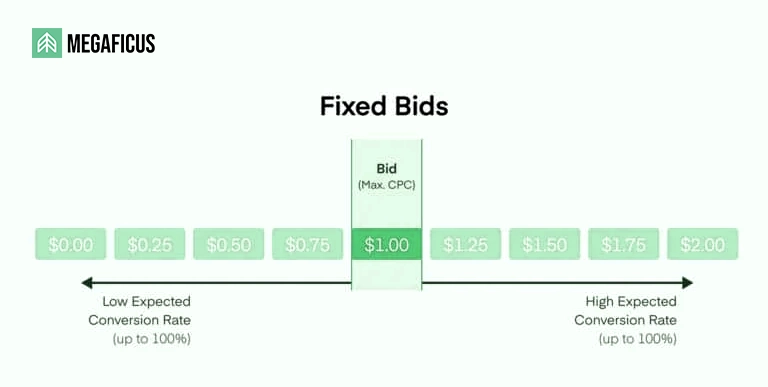
For a new product launch, using Fixed Bids ensures you get consistent traffic and data. This helps Amazon’s algorithm learn about your product faster. A steady baseline is essential before moving to more complex and automated dynamic strategies.
Rule-Based Bidding
This is an advanced setting where you set a specific goal, like a Target ROAS. Amazon then automatically manages bids to reach that target while staying within your budget. It is ideal for hands-off management of established products that have stable conversion data.
What are the Benefits of Using Amazon Bidding?
Utilizing the various features within the Amazon bidding system provides sellers with unparalleled control over their growth. One of the primary advantages is budget efficiency. Automated strategies prevent overspending on low-intent shoppers who are unlikely to buy your product during their search.
Furthermore, the system offers competitive flexibility for smaller brands. Bidding allows new sellers to win premium Top of Search spots by optimizing relevance and bid price. This levels the playing field against massive household names with larger budgets and more reviews.
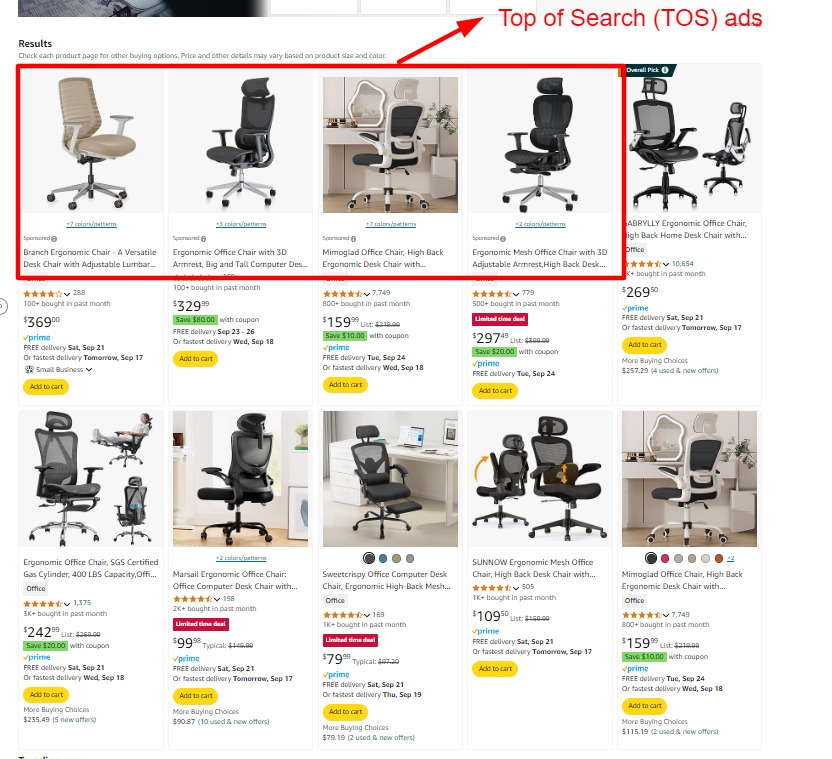
Another key benefit is the ability to scale your operations rapidly. High-performing strategies can be scaled to capture more market share during peak shopping hours. By adjusting bids dynamically, you can ensure your brand remains visible when demand is at its absolute highest.
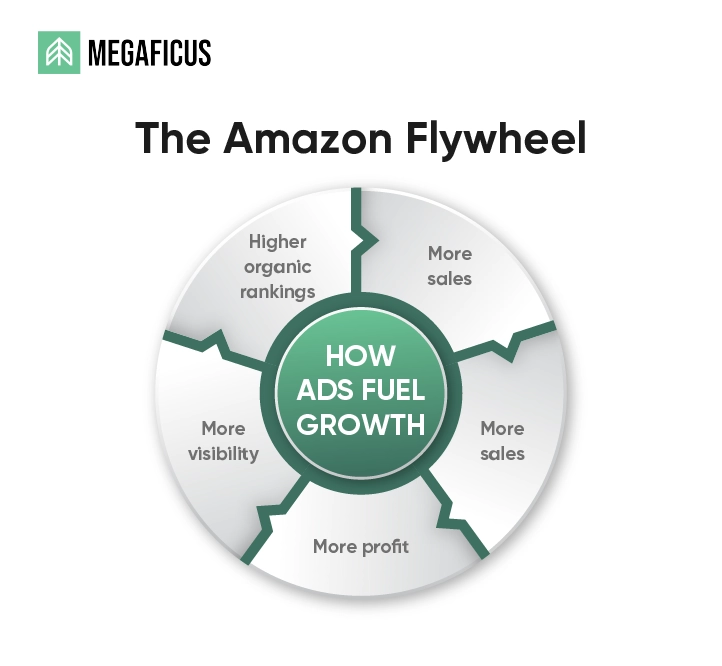
Properly managed bidding also improves your organic ranking over time. As your ads drive sales, your product gains Best Seller Rank, which tells Amazon your product is popular. This creates a flywheel effect where paid traffic helps increase your organic search visibility.
Switching a mature campaign to Down Only bidding can also help reduce your ACoS significantly. This is done by cutting waste on keywords that are browsed but do not buy. It allows you to reallocate that saved budget toward high-converting exact match keywords.
How Much Does an Amazon Bid Cost?
Understanding the market landscape is essential for setting a realistic budget for your Amazon bid. Average cost benchmarks show that typical CPCs across most Amazon categories range from $0.80 to $1.20. However, these are just averages and vary by keyword.
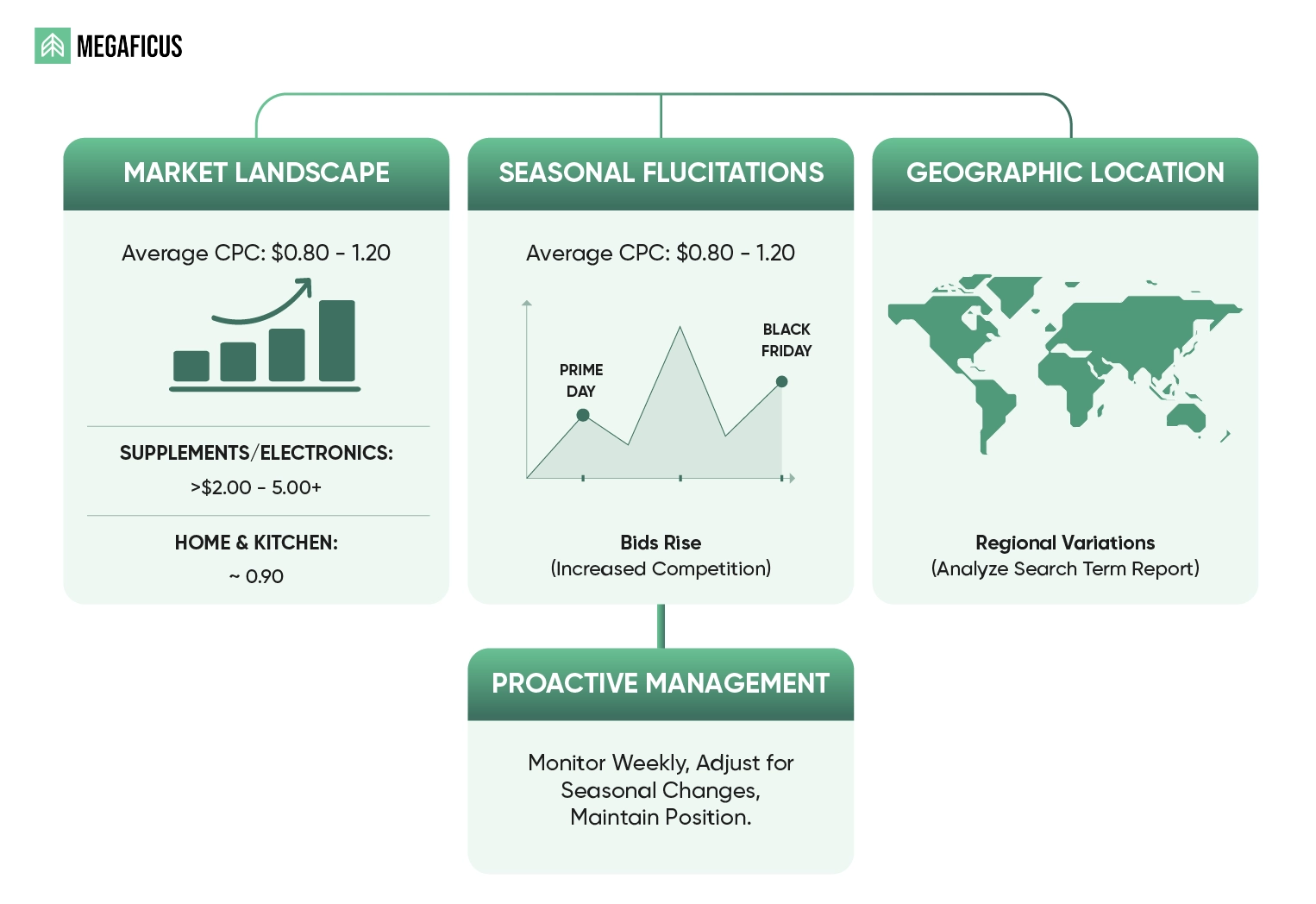
There are significant industry variations to consider when planning your budget. Highly competitive niches like Supplements or Electronics often see CPCs exceeding $2.00 or even $5.00 for top keywords. You must research your specific niche to avoid underbidding and losing visibility.
You must also note seasonal fluctuations during the year. Expect bids to rise during major events like Prime Day or Black Friday due to increased competition. Managing your budget during these times requires a proactive approach and higher bid caps to remain competitive.
Geographic location can also play a role in costs across different marketplaces. Some regions may have higher competition for specific product types, driving up the average cost per click. Always analyze your Search Term Report to see exactly what you are paying.
In the Home and Kitchen category, a $0.90 bid is often sufficient to rank on page one. Monitoring these costs weekly helps you stay ahead of competitors. Adjusting for seasonal changes is necessary to maintain your position without overpaying for clicks.
How to Set Up Your Campaign Bidding Strategy Step-by-Step?
Setting up a campaign bidding strategy on Amazon requires a methodical approach within the advertising console to ensure your goals are met. Follow these five essential steps to configure your bids for maximum efficiency and growth.
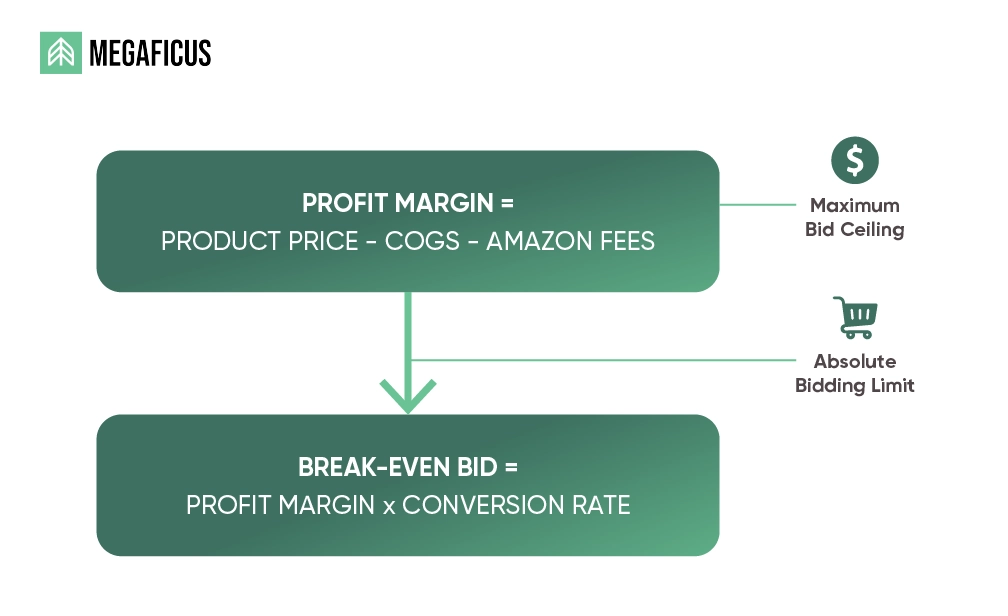
Step 1: Determine Your Break-Even Bid
Calculate the maximum you can spend per click while still remaining profitable. Use your product price, cost of goods, and Amazon fees to find your profit margin. Then, multiply that margin by your expected conversion rate to find your absolute bidding ceiling.
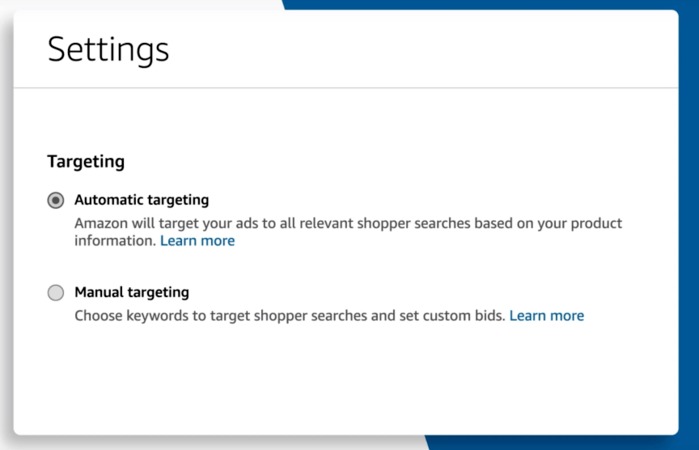
Step 2: Choose Your Targeting Type
Select between Automatic targeting for discovery or Manual targeting for precision. Automatic targeting allows Amazon’s algorithm to find keywords for you. Manual targeting gives you control over specific terms and the ability to set unique bids for each keyword.
Step 3: Select Bidding Strategy
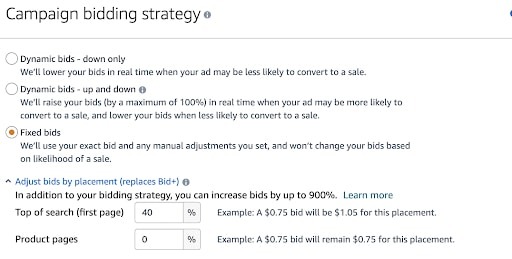
Navigate to the campaign settings and pick between Fixed, Down Only, or Up and Down. This selection dictates how aggressively Amazon will adjust your base bid during the live auction. It is based on the likelihood of the customer making a purchase.
Step 4: Apply Placement Multipliers
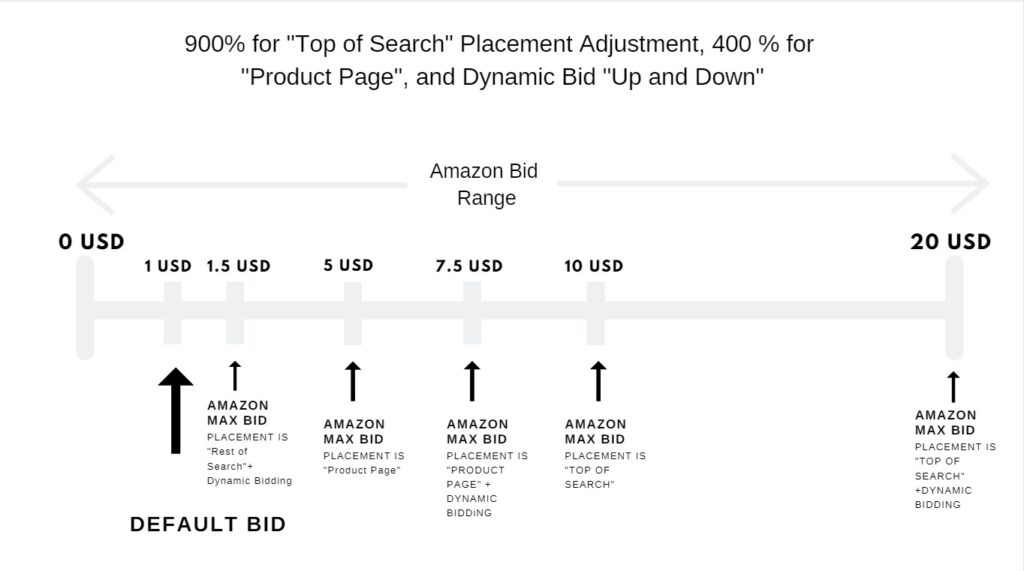
Optionally increase bids up to 900 percent specifically for Top of Search or Product Pages. This allows you to bid higher for the placements that traditionally yield the highest return. It is a powerful tool for controlling exactly where your ads show up.
Step 5: Monitor and Optimize
Review performance weekly and adjust bids based on your ACoS and conversion goals. Do not make daily changes, as the attribution window for Amazon ads can take up to 48 hours. Consistent, data-backed adjustments lead to long-term success.
If your conversion rate at the Top of Search is significantly higher, apply a 20 percent multiplier. This directs your money toward the traffic most likely to convert. Focusing your budget on high-performing placements maximizes your total return on investment.
What are the Best Practices for Amazon Bidding?
Implementing advanced Amazon bidding strategies is essential for maintaining a competitive edge and ensuring your long-term success. These best practices will help you refine your approach and squeeze the maximum value out of every dollar spent.
Start with Suggested Bids
Use Amazon’s recommended range as a baseline when launching new keywords to ensure visibility. This gives you a starting point based on real-time market data rather than just guessing. It ensures your campaigns get impressions immediately.
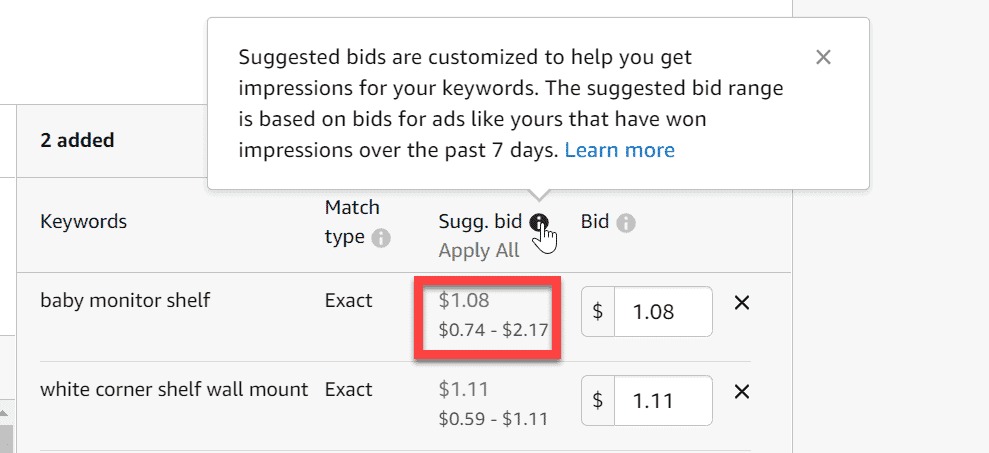
If Amazon suggests a range of $0.75 to $1.20 for yoga mats, starting at $0.90 allows for testing. This enables you to see the keyword potential without overspending right away. You can then adjust the bid higher once you see positive conversion data.
Audit Keywords Frequently
Regularly lower bids on keywords that have high spend but zero sales over 30 days. This prevents bleeding budget on terms that shoppers click on but ultimately decide not to buy. Frequent audits keep your overall ACoS within profitable limits.
When a keyword like blue running shoes has spent $50 over two weeks with zero sales, you should act. Consider dropping the bid by 20 percent to mitigate further losses. This ensures your capital is preserved for keywords that actually drive revenue.
Leverage Negative Keywords
Block irrelevant search terms to prevent your bid from being wasted on the wrong audience. This increases your overall conversion rate by ensuring your ads only show to shoppers looking for your specific product. It is essential for long-term budget health.
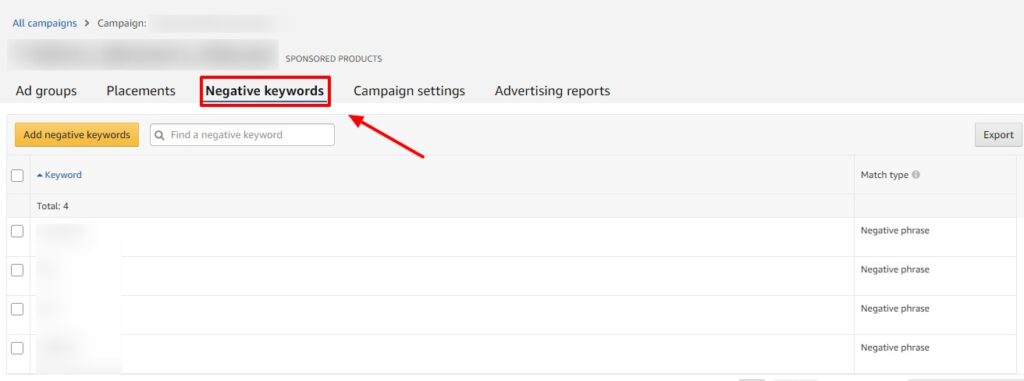
When you sell high-end leather wallets, you should add cheap and plastic as negative keywords. This avoids paying for clicks from price-sensitive shoppers who won’t convert. Refining your targeting through negatives is the fastest way to improve profitability.
Use Placement Adjustments
Focus your budget on the placements that traditionally yield the highest return on investment. If Top of Search converts significantly better, you can apply a multiplier to prioritize those clicks. This moves your spend away from lower-performing spots.
If your data shows a 15 percent conversion rate for Top of Search but only 3 percent elsewhere, act. Adding a 50 percent placement multiplier ensures your ads win more high-intent auctions. This tactical shift often leads to a lower overall ACoS.
>>> Read more: Top 10 Amazon Advertising Agencies To Scale Your Business
Frequently Asked Questions About Amazon Bidding
Yes, you can navigate to the campaign settings at any time to switch between Fixed, Down Only, or Up and Down. This allows you to adapt your strategy as your product moves from launch to profitability phases.
Many experts recommend Fixed Bids or Up and Down for launches to maximize initial data collection and visibility. Once you have established a conversion history, you can switch to a more conservative strategy like Only Down.
This typically occurs if you have applied placement multipliers or are using the Up and Down dynamic strategy. These settings allow Amazon to increase your bid for high-quality opportunities, potentially exceeding your base bid.
No, because Amazon also considers your ad’s relevance, CTR, and conversion history when determining the final Ad Rank. A lower-priced bid for a highly relevant product can often beat a higher bid for an irrelevant one.
It is best to wait for at least 7 days of data before making changes. A bi-weekly audit is ideal for most sellers. Making changes too frequently can disrupt the algorithm and prevent you from seeing the true trend.
Get Professional Help from Megaficus
Effective management of your advertising account requires a deep understanding of the auction dynamics in your Amazon bid and a willingness to adapt to market changes. By consistently refining your bids and targeting, you position your brand for growth. The most successful sellers are those who view their advertising spend as an investment in data and market share.
Mastering your Amazon bid is the cornerstone of a sustainable advertising strategy. By balancing visibility with profitability and choosing the right strategies, you can effectively scale your brand. So let’s start by calculating your profit margins and testing a “Down Only” approach to scale with precision now.