
Want to know why 80% of Amazon sales happen through one specific feature? The Buy Box controls the majority of customer transactions, making it the most critical factor separating successful sellers from those struggling with sales. Discover the proven strategies and requirements to dominate the Amazon Buy Box in this guide by Megaficus.
Quick Summary
- Amazon’s Buy Box is the “Add to Cart” and “Buy Now” section where 80% of Amazon sales occur, dramatically increasing product visibility and driving sales growth.
- Why The Buy Box Matters: Increases sales through enhanced visibility and customer trust, plus unlocks Sponsored Product advertising exclusively for eligible sellers.
- How The Algorithm Works: Amazon evaluates 10 factors, including account type, product condition, performance metrics, inventory, pricing, fulfillment method, delivery speed, ODR below 1%, and customer satisfaction.
- Eligibility Requirements: Professional Seller account, new products only, acceptable performance standards, and consistent inventory levels required.
- Target Buy Box Percentage: Aim for 90%+ (excellent), 70-89% (strong), or 50-69% (average). Private label sellers target near 100%; resellers may see 60-70% in competitive niches.
- Proven Winning Strategies: Use FBA or Seller-Fulfilled Prime, implement automated repricing, maintain consistent inventory with forecasting, and monitor performance metrics weekly.
What Is Amazon’s Buy Box?
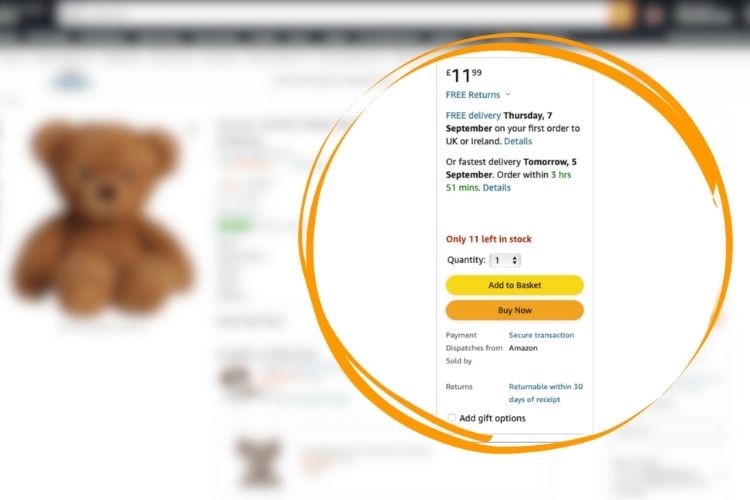
Amazon’s Buy Box refers to the “Add to Cart” and “Buy Now” buttons on a product page. When customers purchase without selecting a specific seller, the transaction automatically goes to whoever holds the Buy Box.
This positioning is crucial because approximately 80% of Amazon sales occur through it, which means sellers without Buy Box access miss out on the majority of potential buyers.
Moreover, Buy Box ownership significantly increases your product’s visibility and can help your listings appear among Amazon’s top-selling items, thereby driving substantial sales growth.
Where To Find The Buy Box On Amazon Product Pages?
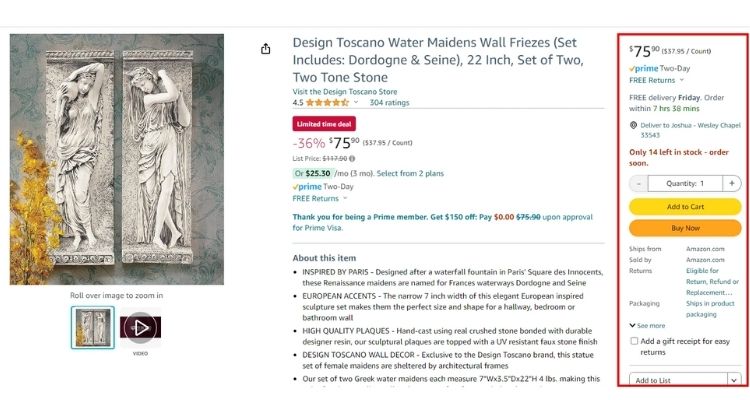
On desktop, the Buy Box appears prominently on the right side of the product page, while on mobile devices, it’s positioned near the top of the screen:
- Current pricing with any active promotions
- Shipping costs and options
- Estimated delivery timeframes
- “Add to Cart” and “Buy Now” action buttons
- Prime badge for eligible products
What customers see: A single, featured offer that represents the primary way to purchase the product.
What sellers compete for: The opportunity to display their offer in this position, as Amazon’s algorithm rotates between eligible sellers.
Just below this section, you’ll find an “Other Sellers on Amazon” link leading to alternative offers. Despite this option being available, most shoppers skip it entirely and purchase directly from whoever currently holds the Buy Box.
Why Does The Buy Box Matter for Amazon Sellers?
The Buy Box serves as a critical first touchpoint between sellers and potential buyers on Amazon. Understanding its mechanics and prioritizing Buy Box optimization should be central to any successful Amazon selling strategy for the following reasons:
- Increases sales volume: Securing the Buy Box directly translates to higher sales performance due to increased visibility and customer trust. Products in this position are perceived as higher quality options, which naturally drives conversion rates upward.
- Enables PPC advertising opportunities: Only Buy Box-eligible listings can run Sponsored Product campaigns on Amazon. Holding this position unlocks access to paid advertising channels, allowing your products to reach broader audiences with better click-through rates.
How Amazon’s Buy Box Algorithm Works
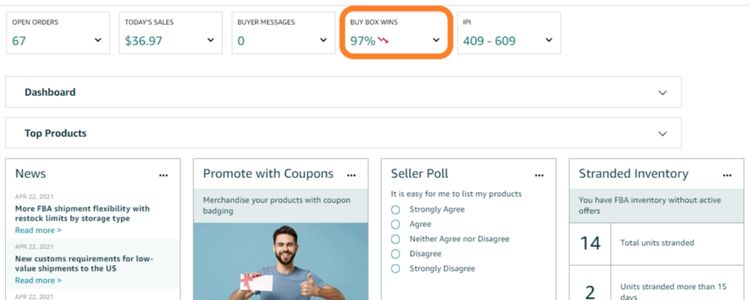
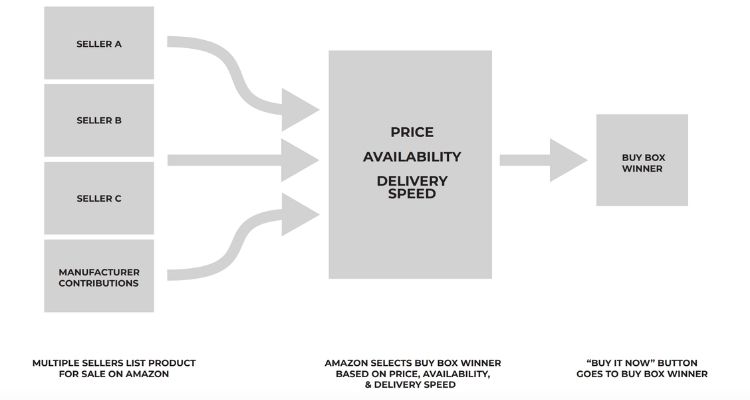
Amazon’s Buy Box algorithm prioritizes sellers who deliver exceptional customer experiences. The platform evaluates 10 key performance factors to determine which merchants earn this valuable placement:
- Seller account type: You must maintain a Professional Seller account to compete for the Buy Box. This subscription requires a monthly fee plus additional transaction costs, but it’s essential for accessing this feature.
- Product condition: The Buy Box is exclusively available for new items. Sellers listing used, refurbished, or open-box products cannot compete for this placement, regardless of other qualifications.
- Performance metrics: Amazon tracks your order defect rate, late shipment percentage, and cancellation frequency to assess reliability. Maintaining excellent metrics across these areas significantly improves your Buy Box chances.
- Stock availability: Running out of inventory immediately disqualifies you from Buy Box consideration. Use inventory management tools to monitor stock levels and prevent stockouts that could cost you this valuable position.
- Restocking consistency: Frequent stock depletion signals poor inventory planning to Amazon’s algorithm. Sellers with recurring out-of-stock issues face reduced Buy Box eligibility even after restocking.
- Competitive pricing: Your total landed cost, including item price, shipping, taxes, and handling fees, must remain competitive within your category. Strategic pricing demonstrates a serious marketplace commitment to Amazon.
- Fulfillment method: Amazon strongly prefers FBA (Fulfillment by Amazon) sellers when allocating the Buy Box. Switching to FBA can dramatically increase your chances compared to self-fulfillment options.
- Delivery speed: Fast, reliable shipping is non-negotiable for Buy Box winners. Slow processing times or inconsistent delivery performance will exclude you from consideration.
- Order defect rate: Maintaining an ODR below 1% is critical. Sellers exceeding this threshold due to defective products, A-to-Z claims, or chargebacks face near-total Buy Box exclusion.
- Customer satisfaction history: Amazon evaluates your feedback ratings and reviews from the past 30, 90, and 365 days alongside your overall seller tenure. New accounts face steeper challenges since established sellers with positive track records receive preferential treatment.
Amazon Buy Box Eligibility Requirements
Buy Box eligibility isn’t automatic, even for exclusive sellers. Amazon evaluates specific criteria before granting access to this feature, so understanding these requirements helps you avoid wasted optimization efforts:
- Professional seller account: A paid Professional Seller subscription is mandatory for Buy Box access. This account tier also unlocks additional features like customized shipping rate settings.
- New product listings only: Used items cannot compete for the standard Buy Box since they operate under separate eligibility rules. New product sellers only compete against other new condition listings.
- Acceptable performance standards: Amazon monitors metrics like order defect rate and cancellation percentage to ensure quality. Consistently poor performance in these areas will revoke your eligibility regardless of other factors.
- Maintained inventory levels: Products must remain in stock to qualify for the Buy Box. Running out of inventory immediately removes your eligibility, allowing competitors with weaker metrics to claim the position instead.
What Buy Box Percentage Should You Aim For?
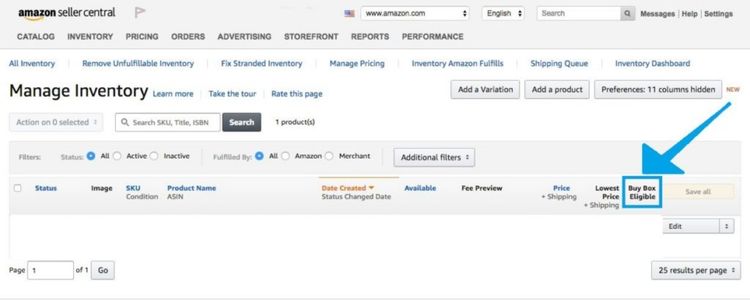
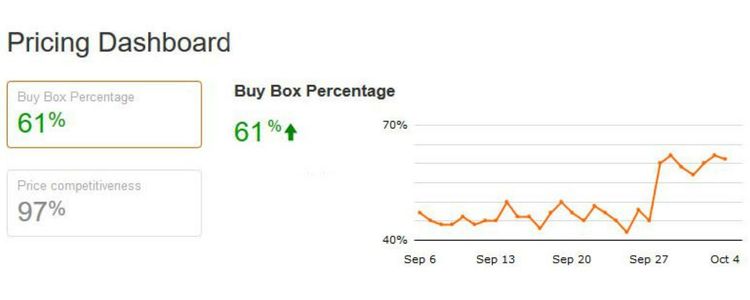
Buy Box Percentage measures how long your offer appears in the Buy Box compared to your total active listing time.
The calculation is straightforward:
(Total time your offer held the Buy Box ÷ Total time your offer was active) × 100
For instance, if your offer held the Buy Box for 12 hours in a 24-hour period, your percentage is 50% for that day. Consistent Buy Box ownership pushes this figure closer to 100%.
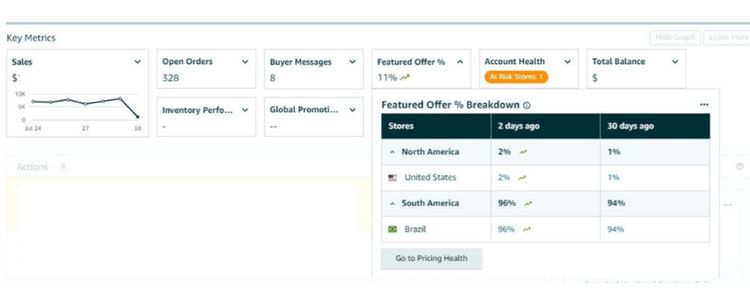
You can track these metrics through Seller Central’s Business Reports section, which provides basic performance analysis. However, many successful sellers use third-party tools for real-time monitoring and automated trend detection:
- 90%+: Excellent. You’re dominating the Buy Box with minimal competition
- 70-89%: Strong. Competitive position with opportunities for further optimization
- 50-69%: Average. Frequently rotating with other sellers
- Below 50%: Needs improvement. Competitors are capturing more Buy Box time
Private label sellers who exclusively sell their own branded products should target near 100%, assuming inventory remains available. For resellers and wholesale sellers, percentages fluctuate based on competitive intensity, pricing strategies, and fulfillment methods.
In highly competitive categories, even 60-70% represents solid performance. Increasing overall sales volume can also positively impact your Buy Box Percentage over time.
Try calculating your Buy Box Percentage here:
Note: Only Professional Seller accounts (pro merchant accounts) qualify for Buy Box eligibility.
Key Factors That Affect Buy Box Winners
Amazon’s Buy Box algorithm evaluates multiple seller metrics and performance indicators to determine winners. Below are the seven key elements that influence Buy Box ownership:
- Price competitiveness: Amazon prioritizes competitive total landed costs, including item price plus shipping and handling. Even minor price differences can impact your chances when metrics are similar. Maintain price parity across all sales channels to avoid Buy Box suppression under Amazon’s Fair Pricing Policy.
- Fulfillment method & Delivery speed: FBA offers the strongest Buy Box advantage through automatic Prime eligibility and guaranteed fast shipping. Seller-Fulfilled Prime can compete effectively with proper performance, while standard FBM sellers face steeper challenges without Prime benefits.
- Seller performance metrics: Amazon monitors order defect rate, cancellation rate, late shipment rate, customer feedback, and tracking validity. Consistently strong performance across these metrics increases eligibility, while poor ratings or frequent complaints significantly reduce your chances.
- Inventory availability: Running out of stock immediately drops your Buy Box percentage to zero until replenishment. Frequent stockouts signal unreliability to Amazon’s algorithm, so maintaining sufficient inventory depth and regular stock management in Seller Central is essential for consistent Buy Box ownership.
- Product condition: New condition items receive priority over used products in standard Buy Box allocation. Used items compete separately within their own “Used Buy Box” category, operating under similar but distinct competitive rules.
- Geographic location of inventory: Amazon may rotate Buy Box winners based on buyer location to minimize delivery times. Sellers with inventory strategically positioned across Amazon’s fulfillment network often achieve higher Buy Box percentages in specific regions.
- Time-based rotation: On highly competitive listings with multiple qualified sellers, Amazon rotates the Buy Box among them for fair distribution. Your percentage may fluctuate hourly or daily based on this algorithmic rotation, even when maintaining strong performance metrics.
Proven Strategies To Win The Amazon Buy Box
Winning the Buy Box requires proactive optimization across multiple performance areas. Implement these four proven strategies to strengthen your competitive position and increase Buy Box ownership.
Optimize Your Fulfillment Method
Fulfillment by Amazon (FBA) provides the most direct path to Buy Box dominance through automatic Prime eligibility and Amazon’s trusted delivery infrastructure. The Prime badge alone significantly increases conversion rates while signaling reliability to the algorithm, giving you immediate advantages over non-Prime competitors.
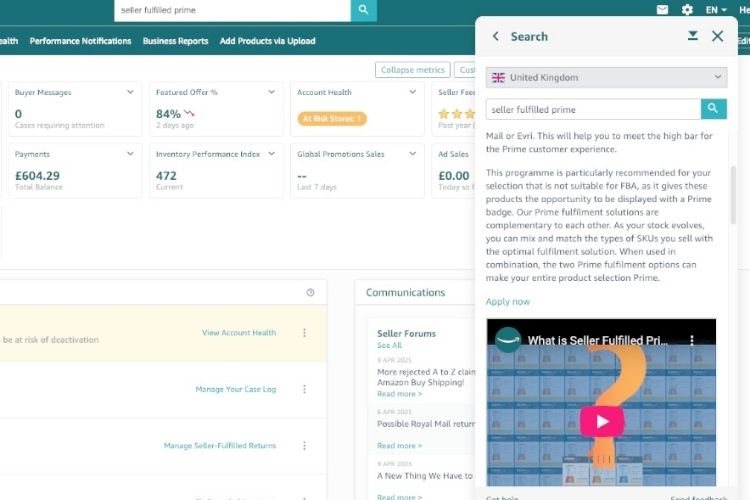
If you prefer maintaining control through merchant fulfillment, however, focus on achieving Seller-Fulfilled Prime (SFP) certification. This requires consistent 99%+ on-time delivery, one-day processing times, and weekend shipping capabilities. Once certified, this allows you to compete for Prime customers while managing your own logistics.
Implement Automated Repricing
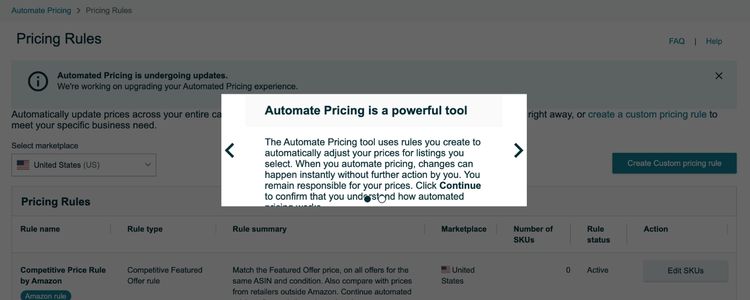
Manual price monitoring cannot keep pace with competitors who adjust prices multiple times daily. Instead, automated repricing tools respond to market changes in real time, ensuring you remain competitive without constant oversight while protecting your profit margins through customizable floor prices.
However, set your repricing rules strategically rather than simply matching the lowest price. Configure your tool to stay within a few cents of top competitors when metrics are strong, and avoid aggressive price cuts that erode profitability without guaranteeing Buy Box wins.
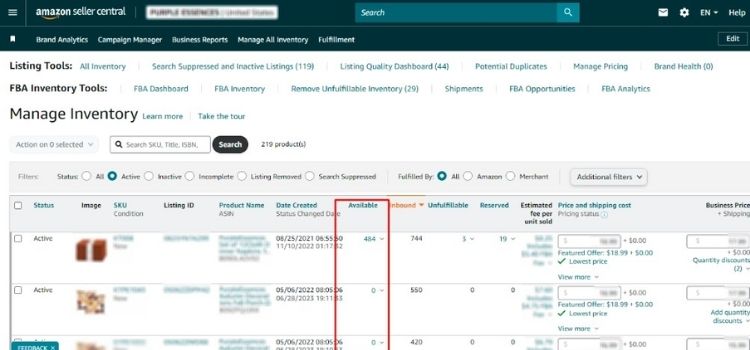
Maintain Consistent Inventory Availability
Running out of stock immediately surrenders the Buy Box to competitors, and frequent stockouts signal unreliability to Amazon’s algorithm even after restocking. Therefore, use sales velocity data from the past 30-90 days to forecast demand accurately, particularly during seasonal peaks when underestimating volume costs you the most valuable sales periods.
Additionally, implement low-stock alerts in Seller Central and establish reorder points that account for supplier lead times. Consider safety stock buffers for your top-performing ASINs, as the cost of extra inventory is minimal compared to the lost Buy Box percentage during stockouts.
Monitor Performance Metrics Consistently
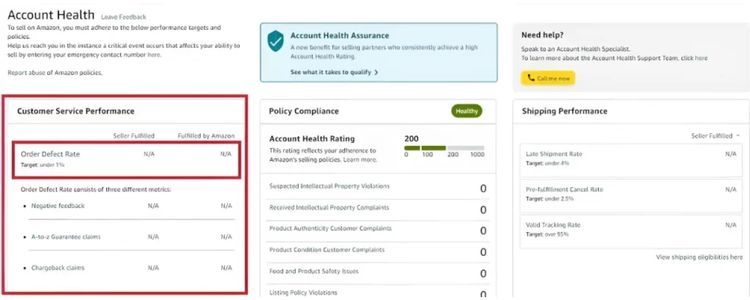
Your order defect rate, late shipment rate, and cancellation rate directly determine Buy Box eligibility regardless of pricing or fulfillment method. Therefore, schedule weekly audits of these metrics in Seller Central, addressing any negative trends before they reach Amazon’s threshold limits that trigger automatic Buy Box removal.
Moreover, respond to customer issues proactively rather than waiting for complaints to escalate into A-to-Z claims or negative feedback. Maintain 100% valid tracking on all orders, process shipments within your promised handling time, and resolve customer service inquiries within 24 hours to demonstrate consistent reliability to Amazon’s algorithm.
>>> Read more: How to Win Buy Box on Amazon & Explode Your Sales Revenue?
Buy Box Myths That Sellers Often Believe
Misinformation about Buy Box optimization has spread across seller communities, with many outdated “hacks” promising guaranteed results. Below are two persistent myths that can damage your pricing strategy if believed.
The Penny-Shaving Price Hack
Some sellers believe that undercutting the lowest competitor price by a fixed percentage, then reducing it by an additional penny, guarantees Buy Box wins. This theory has been extensively tested across various product categories and price points, yet evidence consistently disproves it.
This myth gained traction because tests on low-priced items occasionally produced misleading results. While competitive pricing improves your Buy Box chances, no universal formula works across all situations since Amazon’s algorithm evaluates multiple factors beyond price alone.
The 2% Rotation Guarantee
Another widespread misconception claims that pricing within 2% of the current Buy Box holder guarantees you a minimum share of rotational Buy Box time. Proponents argue this percentage triggers automatic inclusion in Amazon’s rotation cycle among eligible sellers.
This theory lacks supporting evidence despite appearing credible due to occasional false positives. Buy Box rotation exists as a legitimate function, but it doesn’t follow rigid percentage rules and cannot be manipulated through pricing alone. Amazon evaluates performance metrics and fulfillment methods alongside price.
FAQs About Amazon Buy Box
The Buy Box is the “Add to Cart” and “Buy Now” section on product pages where approximately 80% of Amazon sales occur. When customers purchase without selecting a specific seller, the transaction goes to whoever currently holds this position.
Yes, but new sellers face steeper challenges since Amazon considers seller tenure in its algorithm. You must maintain excellent performance metrics across fulfillment, customer service, and inventory to compensate for limited selling history.
No, FBA isn’t required, but provides significant advantages through Prime eligibility. Seller-Fulfilled Prime and high-performing FBM sellers can also win if they meet strict performance standards and competitive pricing.
No, Amazon Retail doesn’t automatically control the Buy Box. Third-party sellers regularly win when they offer better prices, faster shipping, or superior performance metrics.
Get Professional Help from Megaficus
Mastering the Amazon Buy Box opens the pathway to dominating 80% of potential sales on your listings. By understanding algorithm requirements, maintaining excellent performance metrics, and implementing proven optimization strategies, you can consistently outperform competitors and maximize revenue from every product you sell.
Success with the Buy Box requires ongoing attention to pricing, fulfillment methods, inventory management, and customer satisfaction. Sellers who master these elements gain sustainable competitive advantages, achieve higher Buy Box percentages, and establish themselves as trusted merchants within Amazon’s marketplace ecosystem.
If you need expert guidance to optimize your Buy Box strategy, improve seller performance metrics, or maximize sales across all Amazon channels, the team at Megaficus is ready to help.