
Are you prepared to shift from simple sales to sustainable brand equity in an increasingly crowded digital landscape? Megaficus understands that navigating the Amazon client expectations 2026 growth trends requires a transition toward data-driven excellence. So here, we’ll help brands balance rising PPC costs with long-term viability to ensure they remain profitable today.
Quick Summary
- The Profit Pivot: 2026 marks the end of “growth-at-all-costs,” with brands prioritizing Contribution Margin over total revenue.
- AI Integration: Moving beyond basic tools, brands now use Agentic AI for hyper-personalized creative testing and search discovery.
- Full-Funnel Focus: Successful scaling requires a unified experience across Prime Video, off-site DSP, and social commerce integrations.
- Agency Expectations: Clients demand real-time profit visibility, 3D interactive ad formats, and next-gen predictive analytics.
Why are Amazon Client Expectations Shifting in 2026?
The Amazon marketplace has officially matured into a professional ecosystem that rewards operational discipline over simple luck. Years ago, sellers could find success by merely having a decent product and basic keywords, but those days have passed. Today, the platform demands a sophisticated approach to data and brand building that mimics high-end retail environments.
| Feature | Old Approach (Tactical) | Sophisticated Approach (2026) |
|---|---|---|
| Primary Goal | Sales Volume | Sustainable Profitability |
| Decision Making | Guesses/Opinions | Predictive Analytics |
| Ad Strategy | Bidding on Keywords | Full-Funnel (Prime Video + DSP) |
| Listing Content | Basic Images/Bullet Points | Interactive 3D & AI-Optimized Copy |
| Inventory | Reactive Reordering | Strategic Defensive Positioning |
This shift represents a fundamental transition from a “launch and hope” mentality to one of data-driven operational excellence. Clients no longer accept vague promises of “more traffic” without a clear understanding of how that traffic converts into profit. They expect their partners to provide granular insights into every dollar spent on the platform during 2026.
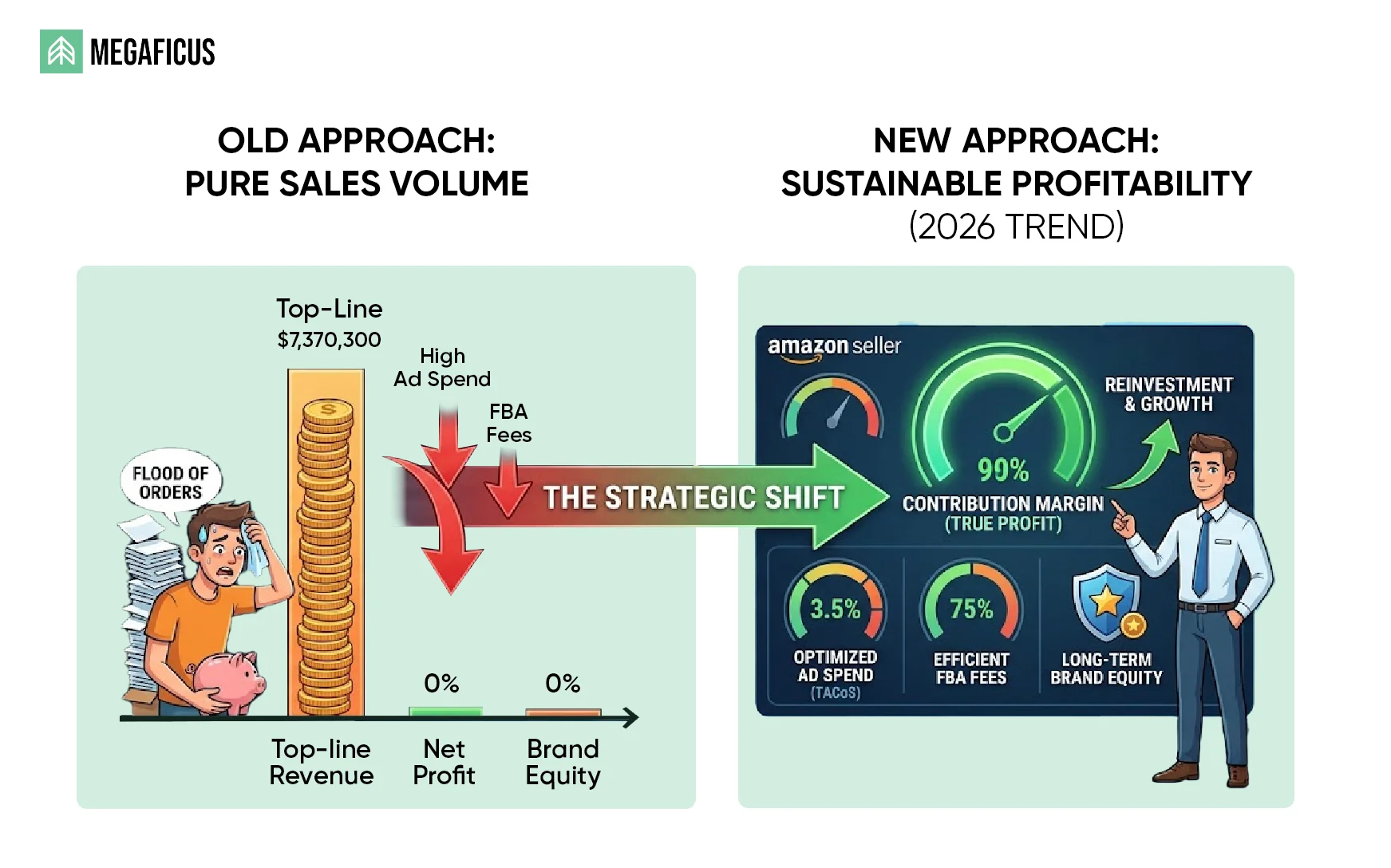
There is a noticeable highlight in the shift from pure sales volume to sustainable profitability and long-term brand equity. High revenue numbers are often hollow if the associated advertising and fulfillment costs eat away at the final net margins. Brands are now looking for strategies that protect their bottom line while building a recognizable identity.
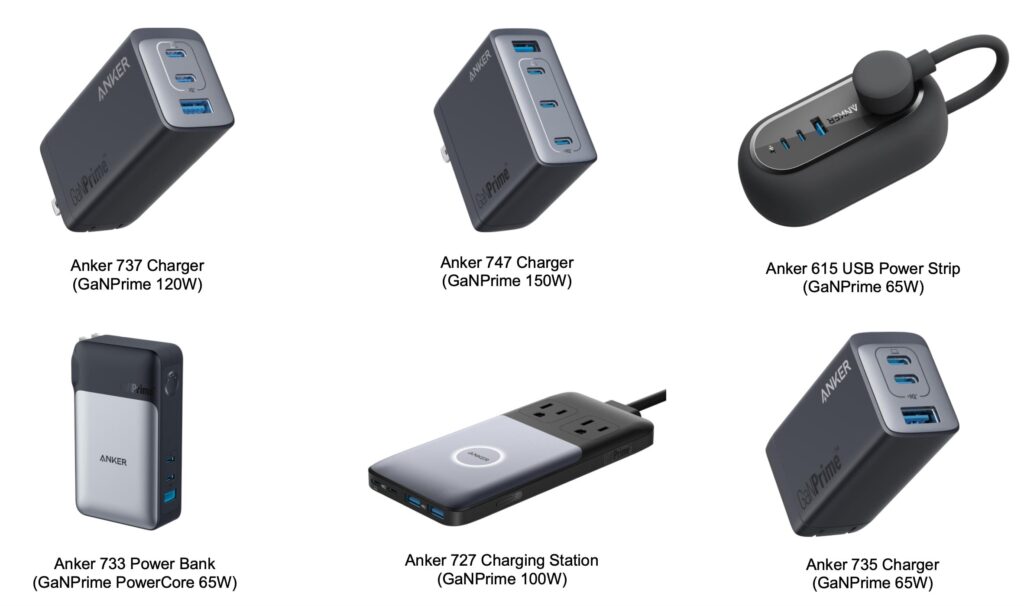
For example, Anker is the “gold standard” for this approach. In 2026, they are known for aggressively cutting low-margin legacy cables and focusing on high-margin GaN (Gallium Nitride) chargers and portable power stations. They prioritize products where the “profit left after fees” allows them to fund massive R&D, rather than just selling the most units possible.
What are the Key Amazon Growth Trends for 2026?
As we navigate the current landscape, several technological and social shifts are defining how products are discovered and purchased. Staying ahead of these trends is no longer optional for brands that want to maintain their market share, because only understanding these movements allows you to allocate your 2026 budget toward the most impactful channels.
Trend 1: AI as a Strategic Creative Partner
AI has moved far beyond basic automation to become a central pillar in creating hyper-personalized customer journeys for every shopper. Instead of generic ad copy, AI now generates dynamic content that shifts based on the specific behavior and preferences of the user. This level of customization ensures that the right message reaches the right person.
For example, L’Oreal recently launched a digital skin diagnostic tool for consumers directly on their website. Uploading a selfie and the technology analyzes aging signs like under-eye wrinkles, then generates a personalized product routine for her specific skin priorities. This practical application shows how AI transforms creative work into a measurable science for 2026.

Trend 2: The “Pay-to-Play” Reality
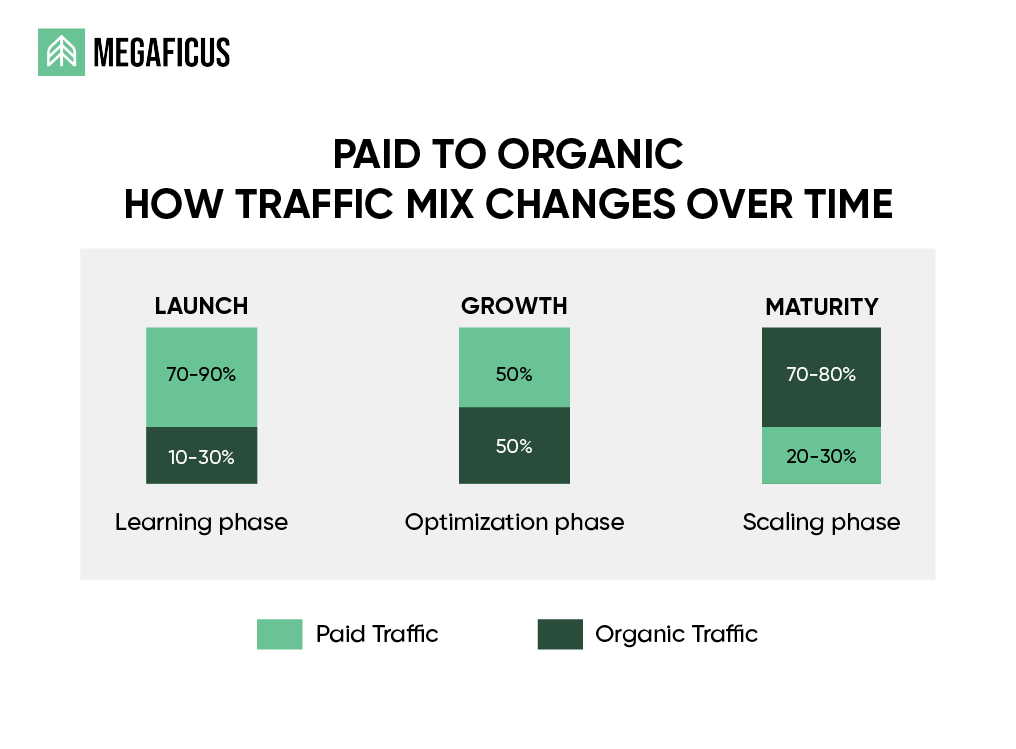
The necessity of paid support for organic visibility has reached an all-time high amidst the rising competition on the platform. It is virtually impossible for a new product to rank on the first page of search results without a strategic PPC campaign. Paid ads now serve as the primary engine for driving the initial data needed for organic growth.
Trend 3: Social Commerce & Creator Integration
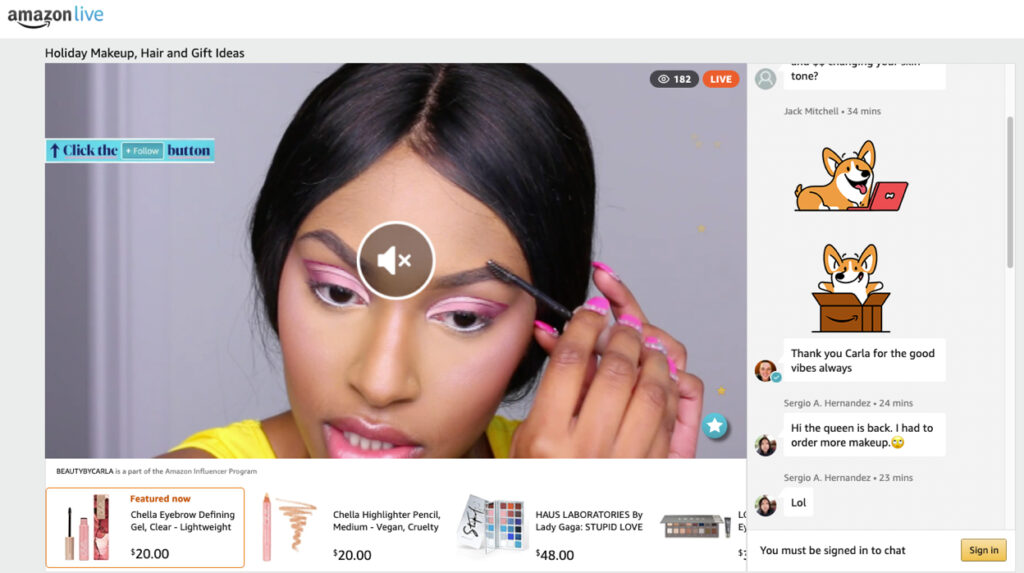
We are seeing a massive rise in authentic partnerships with content creators to amplify brand voice across and off the platform. Shoppers in 2026 trust individual influencers more than corporate advertisements, leading to a surge in Amazon Live and Inspire usage. Integrating these creators into your storefront builds the social proof necessary for high conversion rates.
Trend 4: Full-Funnel & Multi-Channel Marketing
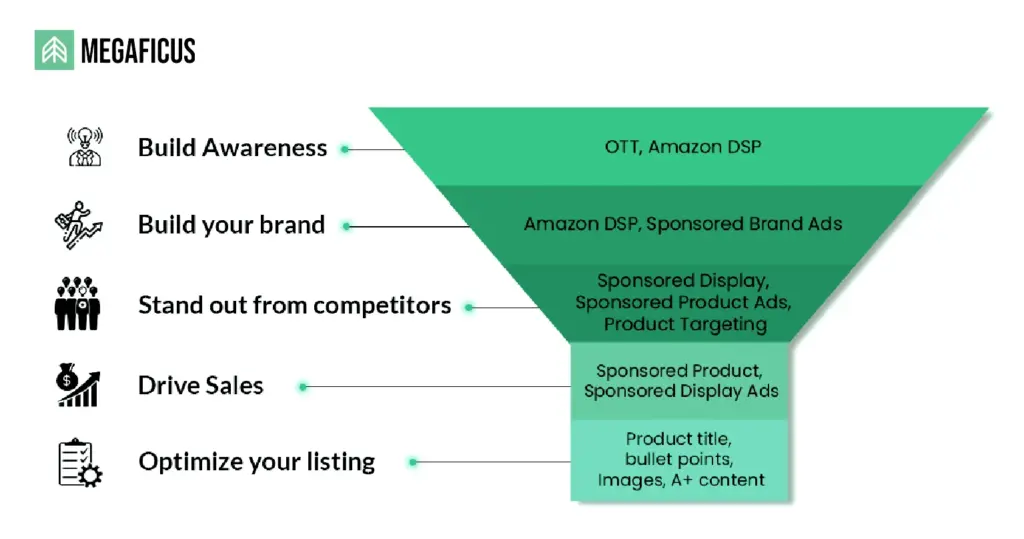
Clients now expect unified experiences that follow a customer from Prime Video ads to off-site DSP retargeting and back to the store. This full-funnel approach ensures that a brand stays top-of-mind throughout the entire path to purchase, regardless of where the journey starts. Multi-channel integration is the key to capturing high-intent shoppers in a crowded market.
What do Clients Expect from Amazon Agencies in 2026?
The relationship between brands and their agencies has become more technical and transparent than ever before in the history of e-commerce. Instead of monthly PDF reports that only show basic metrics like clicks and impressions, clients now demand a deeper level of integration and sophisticated technology to manage their complex 2026 accounts.
Predictive Analytics & Modular Stacks
A major highlight is that clients expect agencies to use next-gen predictive analytics instead of old, linear attribution models. They want to know not just what happened last month, but what is likely to happen next quarter based on data. Agencies must utilize modular technology stacks that can adapt to rapid changes in the Amazon algorithm.
Creative Excellence in Ad Formats
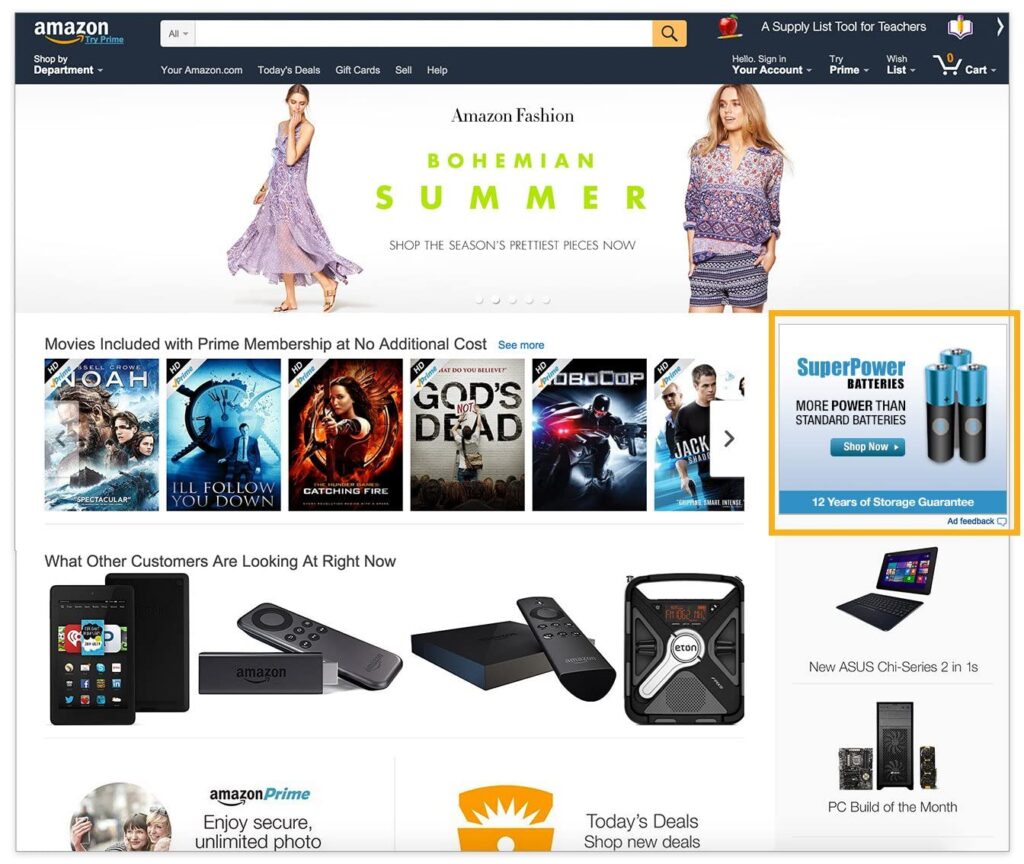
There is a growing demand for short-form video and interactive AR elements to differentiate products in a sea of static images. Shoppers want to engage with a listing before they commit to a purchase, making high-quality creative assets a requirement. Agencies that cannot produce these high-end visuals are quickly being left behind by more modern competitors.
For instance, if you have a home decor brand, then you must implement 3D “View in your Room” features. By allowing customers to visualize a sofa in their actual living space via their smartphone, they drastically reduced return rates. This practical example highlights how interactive tech directly influences the final 2026 profit margins.
Sustainability & Inclusivity Alignment
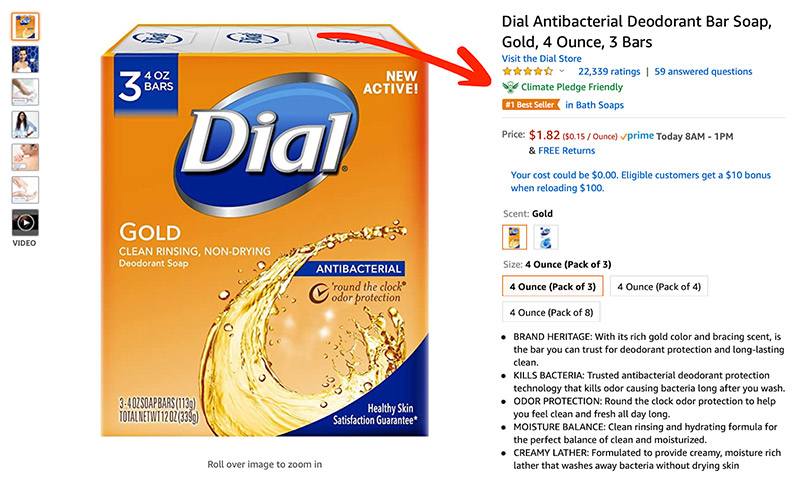
Clients have high expectations for brands to showcase “Climate Pledge Friendly” badges to appeal to the modern, eco-conscious consumer. Sustainability is no longer a niche preference but a core requirement for many shoppers who check for environmental certifications. Aligning your brand with these values is essential to capture the largest demographic of buyers in 2026.
Operational Transparency
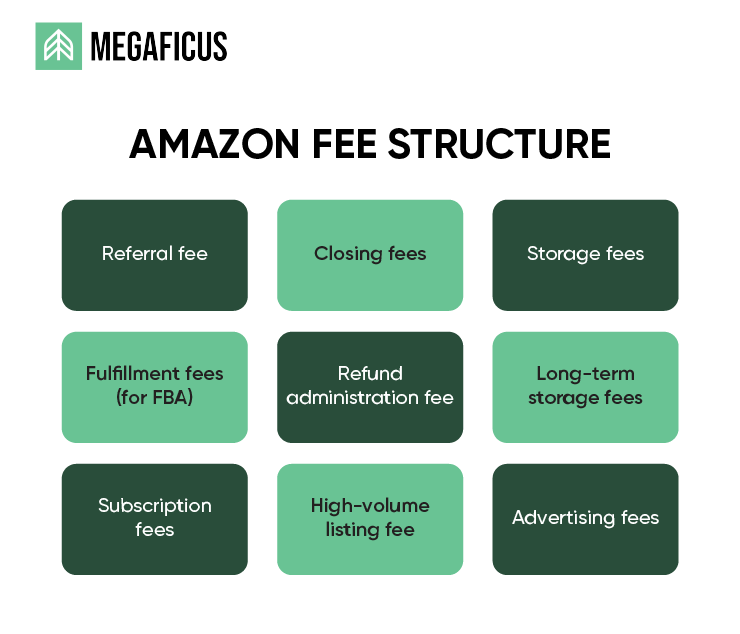
Agencies must now provide real-time profit visibility and automated fee monitoring as standard deliverables for every client they represent. With Amazon’s complex fee structure, clients need to see their net income daily. Transparency builds the trust necessary to manage large budgets and make quick strategic pivots when market conditions change.
How Much Does it Cost to Scale on Amazon in 2026?
Understanding the financial requirements for growth is the first step in building a realistic and sustainable business plan for the year. Scaling requires a significant upfront investment in both inventory and advertising to break through the noise of established competitors. You must account for every hidden cost to ensure your 2026 margins remain positive.
Professional-tier accounts should expect average cost benchmarks that reflect the increased competition across all major product categories today. While an individual plan might work for hobbyists, scaling a brand requires the $39.99 monthly fee plus significant ad spend (between 10 and 25 percent of your gross revenue toward marketing activities).
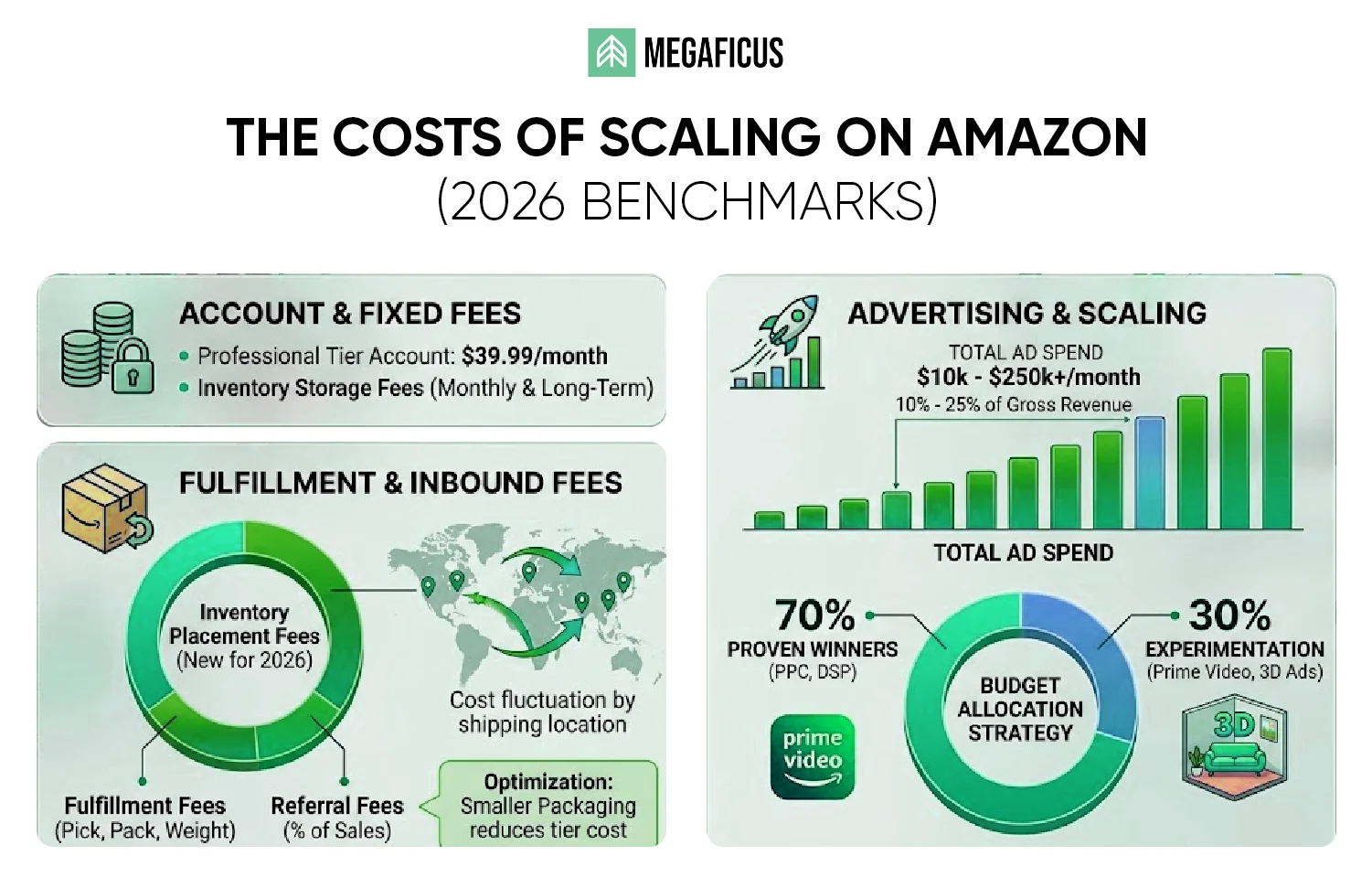
We must mention the impact of new inventory placement fees on overall margins, which can fluctuate based on shipping locations. These fees are designed to distribute stock more efficiently across Amazon’s network but add a new layer of cost. Effective brands are counteracting this by optimizing their packaging to fit into smaller, more affordable size tiers.
Budget allocation strategies should always include a testing bucket for emerging ad formats like Prime Video or interactive 3D ads. Spending 70% on proven winners and 30% on experimentation ensures that you are constantly finding new ways to grow. This balanced approach protects your current income while paving the way for future market dominance.
What are the Best Practices for Meeting 2026 Growth Targets?
Achieving your goals requires a disciplined adherence to the latest operational standards and a willingness to embrace new technologies quickly. The most successful brands in 2026 are those that can pivot their strategy based on real-time data insights. Following these best practices will help you stay ahead of the competition and maximize your total profit.
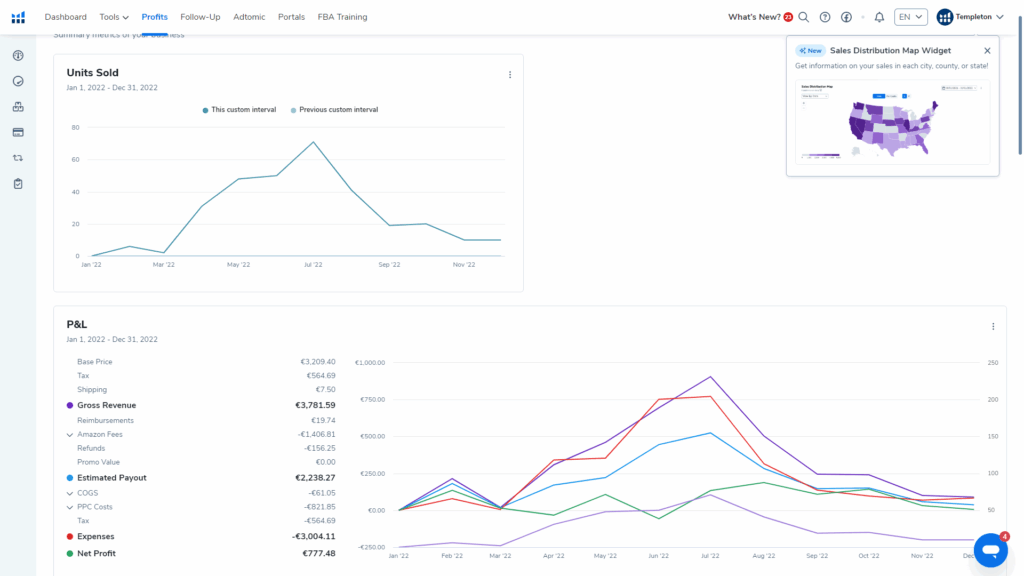
Between the strategy and the execution, you must prioritize profit over revenue by using tools (like Helium 10, Jungle Scout, etc.) to track “True Profit” after fees. It’s easy to get distracted by high sales numbers that do not actually result in a healthy bank balance. By monitoring your net income daily, you can identify which products are actually contributing to your business growth.
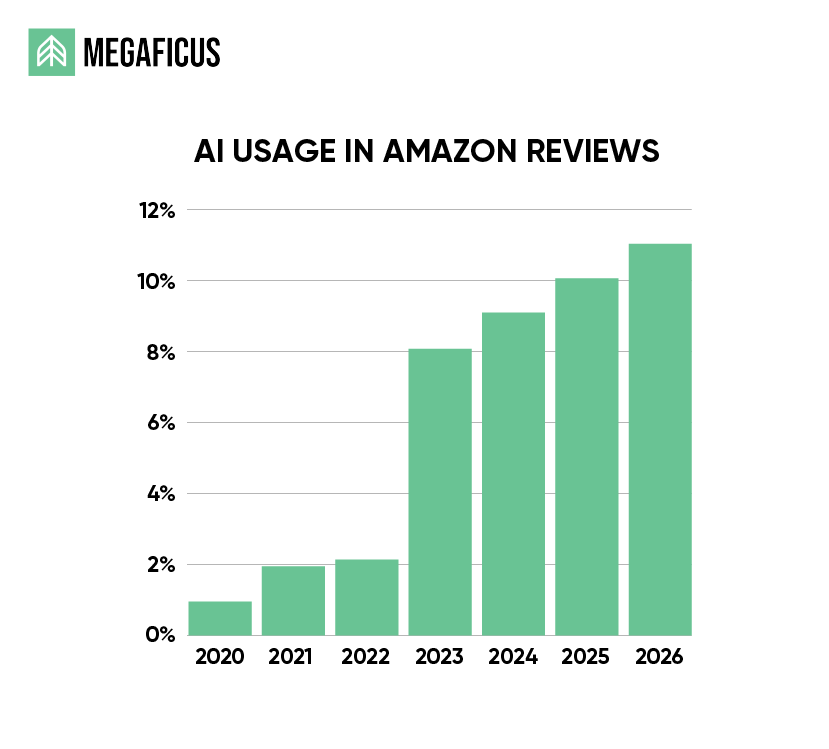
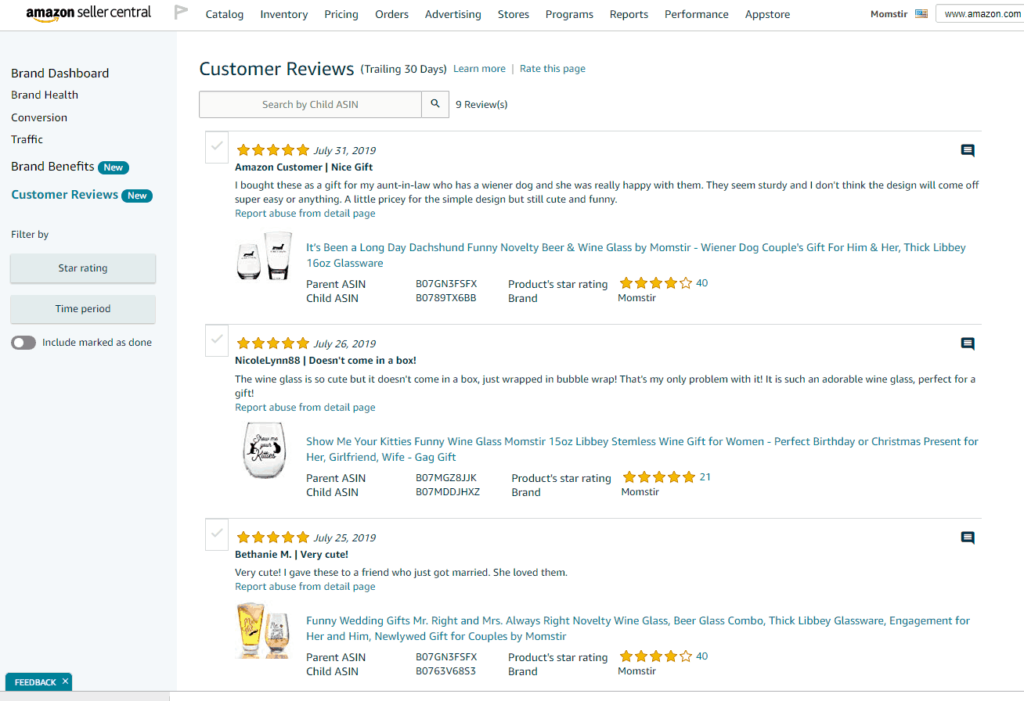
Moreover, you should double down on review velocity by using automated, compliant systems to build early trust with your new shoppers. Reviews remain the most important social proof on the platform, and a lack of them can kill a product launch. Ensuring you have a steady stream of feedback helps maintain your conversion rate and protects your organic ranking.
Optimizing for “Agentic AI” is another practice where you must ensure listings are structured for AI-driven search and discovery. This means using natural language and answering specific customer questions directly within your product descriptions and A+ content. As shoppers use AI assistants to find products, your listing must be the most relevant answer provided.
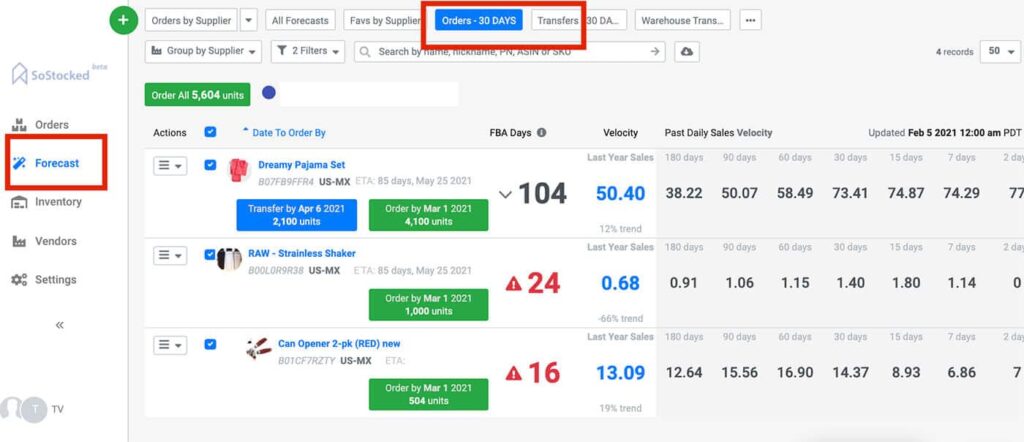
Last but not least, inventory must be treated as a strategy to eliminate stockouts and protect your Buy Box eligibility and ad rank. In 2026, running out of stock is an awful event that can take weeks or even months to recover from. Using predictive forecasting tools (such as SoStocked) can ensure that you always have the right amount of product in the right fulfillment centers.
Is Amazon Still the Right Platform for Your Brand Growth?
Deciding where to invest your capital is simple when you prioritize the unparalleled traffic only Amazon provides. While niche channels exist, none offer the immediate high-intent audience required for rapid and sustainable brand scaling. You must leverage this ecosystem to capture the highest ROAS potential available across the entire digital landscape.
A summary of the platform’s strengths shows that its reach is unbeatable for brands seeking a global identity. For categories like CPG or Electronics, the massive sales volume easily outweighs any associated fees or operational costs. Even luxury brands now find their greatest success through Amazon’s high-end “Premium Beauty” and “Luxury Stores” features.
| Strategic Feature | Amazon (The Growth Engine) | Direct-to-Consumer (Shopify) | Social Commerce (TikTok/IG) |
|---|---|---|---|
| Primary Strength | Guaranteed High-Intent Traffic. | Fragmented & Cold Audiences. | Fleeting & Impulsive Interest. |
| Operational ROI | Highest (Scalability & Speed). | Low (Complex Logistics Needed). | Unstable (Content Dependent). |
| Typical ROAS | 2.5x – 4.5x (Optimized Scale). | 1.5x – 3.0x (High Ad Waste). | 2.0x – 4.0x (Inconsistent Results). |
| Platform Authority | Highest Consumer Trust. | Requires Years to Build Trust. | Perceived as Low-Value/Trendy. |
| Growth Potential | Global Empire Scalability. | Limited by Individual Traffic. | Restricted by Platform Trends. |
Guidance on making the best choice should prioritize the platform that guarantees a massive return on your investment. While casual sellers might test smaller apps, serious brands must utilize professional tools to dominate the marketplace today. If you are looking to build a lasting legacy, the Amazon advertising ecosystem remains absolutely necessary.
Frequently Asked Questions About Amazon 2026 Trends
The average CPC varies by industry, typically ranging from $1.50 for home goods to over $4.50 for competitive electronics categories. These benchmarks are subject to change based on seasonal demand and the influx of new competitors in your specific niche.
Start by checking your Unit Session Percentage to see if your conversion rate has dipped due to new negative reviews. You should also verify if a competitor has launched a more aggressive pricing strategy or if your inventory levels are low.
Sponsored Products continue to offer the highest direct ROI for most sellers because they appear directly in the search results. However, Sponsored Brand Video is seeing a massive surge in engagement and often has a better long-term impact on brand equity.
You must have clear financial records, account access ready, and a defined list of your short-term and long-term growth goals. Agencies need high-quality data to build an effective strategy, so ensure your current tracking tools are functioning correctly before the partnership.
You can use debug methods or specialized third-party software to test the accuracy of your data flow between Amazon and your dashboard. Ensuring that your “True Profit” calculations are accurate is the only way to make informed decisions about your advertising spend.
Get Professional Help from Megaficus
Navigating the Amazon client expectations 2026 growth trends requires a mix of technological savvy and old-fashioned financial discipline to succeed. It’s vital to adapt to growth trends like AI and full-funnel marketing to stay relevant today. Brands ignoring these shifts will find themselves paying more for less visibility as the marketplace continues to mature and professionalize.
If you are ready to take the next step, our team is here to help you optimize your 2026 strategy. Contact us today to learn how we can help you navigate the complexities of the Amazon marketplace and reach your goals. The future of e-commerce is waiting, and there has never been a better time to scale your brand.