
Why do some Amazon sellers keep inventory lean and profitable while others lose cash to storage fees and slow-moving stock? Amazon Days of Inventory is a key metric that reveals how long your products sit in FBA before they sell. In this article, Megaficus explains how Days of Inventory works on Amazon and how sellers can track and optimize it to maintain healthy stock levels and scale more sustainably.
Quick Summary
- DIO measures how long inventory stays in stock before being sold, helping sellers understand inventory speed and how long capital is tied up in products.
- Why DIO Matters: DIO directly affects cash flow, holding costs, overstocking risks, stockout risks, and overall operational balance in online retail.
- Category Benchmarks: DIO benchmarks vary widely by product category, reflecting differences in demand patterns, pricing, purchase frequency, and seasonality.
- Key Challenges: Sellers struggle with DIO due to seasonal demand swings, limited real-time inventory visibility, high storage costs, and forecasting inaccuracies.
- Optimization Strategies: Reducing DIO requires data-driven forecasting, closer supplier coordination, just-in-time replenishment where feasible, fulfillment automation, and regular DIO monitoring.
What Days Inventory Outstanding (DIO) Really Mean for E‑Commerce Sellers?
Days Inventory Outstanding (DIO) is a financial indicator that shows the average number of days an e-commerce business holds inventory before it is sold. This metric helps sellers understand how quickly products move through inventory and how long capital remains tied up in stock.
DIO is calculated using the following formula:
DIO = (Average Inventory ÷ Cost of Goods Sold) × Number of Days in the Period
For example, imagine you run an e-commerce store selling premium Swiss watches. Over the past year, your business has kept an average of $18,000 worth of watches in inventory (calculated at cost), while the total cost of goods sold during the year reached $162,000.
Applying the formula results in: 18,000 ÷ 162,000 × 365 = 40.6 days
Try calculating your DIO here:
This means your store needs roughly 41 days to sell through its inventory and convert that stock back into cash. In practical terms, DIO shows how long your capital remains tied up in watches before sales bring the money back into your business.
The Importance of DIO for Online Retail Success
The following points explain why DIO plays a critical role in online retail performance and long-term inventory efficiency:
- Cash flow efficiency: DIO shows how quickly inventory is converted into cash. A high DIO means money stays tied up in unsold products for longer periods, while a lower DIO allows capital to circulate faster and support daily operations.
- Inventory holding costs: When DIO increases, businesses continue to pay for storage, insurance, and related costs while goods remain unsold. Keeping DIO at a reasonable level helps limit these ongoing expenses.
- Risk of overstocking: An excessively high DIO often signals that inventory levels exceed actual demand. This can result in obsolete products, forced discounting, or inventory write-offs that reduce profitability.
- Risk of stockouts: An extremely low DIO may indicate that inventory is too lean. In this case, sudden spikes in demand can lead to out-of-stock situations and lost sales opportunities.
- Operational balance: Maintaining a healthy DIO allows online retailers to meet customer demand on time without holding excessive stock that drains financial and operational resources.
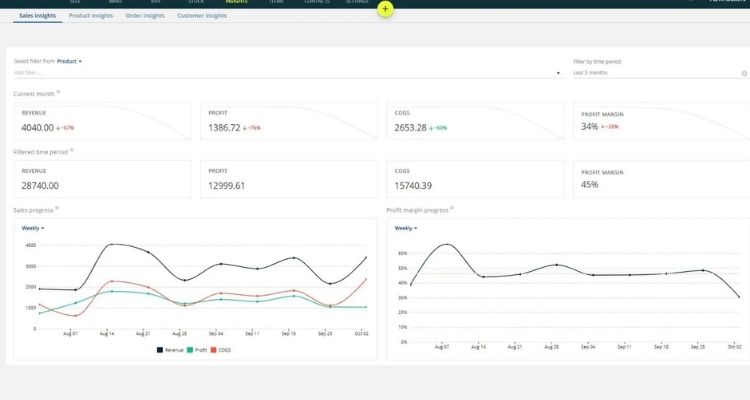
Typical DIO Benchmarks by E‑Commerce Product Type
Typical DIO ranges vary significantly across e-commerce product categories, depending on factors such as demand patterns, price points, and purchasing behavior. Reviewing these benchmarks helps sellers assess inventory performance and set more realistic DIO targets:
| Product Category | Common DIO Range | Interpretation |
|---|---|---|
| Fast Fashion | 30-60 days | Requires rapid inventory turnover, as products must sell quickly to keep up with trends. |
| Consumer Electronics | 40-70 days | Slower movement due to higher prices and frequent technology changes. |
| Beauty & Personal Care | 30-60 days | Stable demand with regular repurchasing helps maintain a balanced DIO. |
| Home & Kitchen | 60-90 days | Moderate turnover, as customers often spend more time comparing options. |
| Books & Media | 30-70 days | Sales speed varies widely; niche or long-tail items tend to remain in stock longer. |
| Toys & Games | 60-100 days | Strongly influenced by seasonality, with higher DIO outside peak holiday periods. |
| Health & Supplements | 20-40 days | Quick turnover driven by routine consumption and repeat purchases. |
| Pet Supplies | 30-50 days | Mostly consumable products with consistent demand, supporting lower DIO levels. |
| Luxury Goods | 90-150 days | High-priced items with lower purchase frequency naturally result in longer holding periods. |
| Furniture & Decor | 80-120 days | Large, costly items typically experience slower inventory rotation. |
| Grocery & Pantry | 10-30 days | Short shelf life requires fast inventory turnover to minimize spoilage and waste. |
Common DIO Challenges E‑Commerce Sellers Face
Maintaining a healthy DIO is rarely straightforward for e-commerce businesses. Shifting demand patterns, operational limitations, and supply chain constraints often make it difficult for sellers to keep inventory levels aligned with actual sales performance.
Coping with Seasonal Fluctuations and Unexpected Demand
One of the biggest challenges in managing DIO is dealing with unpredictable demand and strong seasonal effects. Sales performance can change rapidly due to trends, promotions, or peak shopping periods, making inventory planning highly uncertain. In some cases, products sell slowly for weeks and then experience a sudden surge in demand.
If sellers underestimate demand, stockouts occur, and sales are lost. Conversely, if they overestimate seasonal demand, excess inventory remains unsold after the peak ends. As a result, many e-commerce businesses struggle to maintain a balanced DIO because inventory decisions are often based on incomplete or rapidly changing signals.
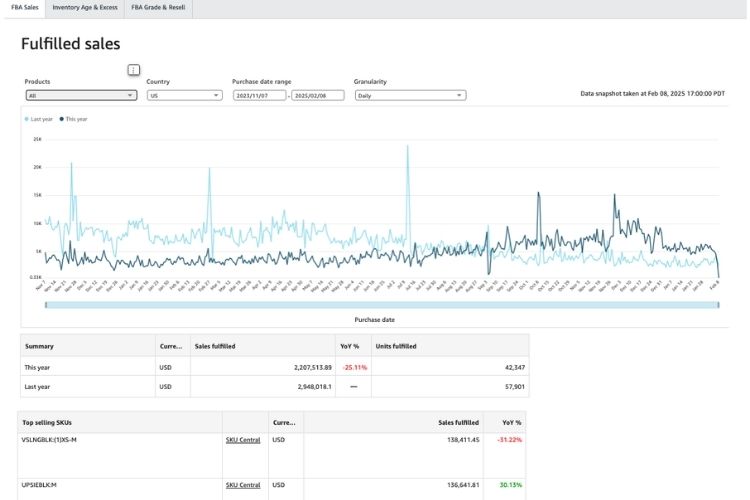
Challenges Due to Limited Real-Time Inventory Insights
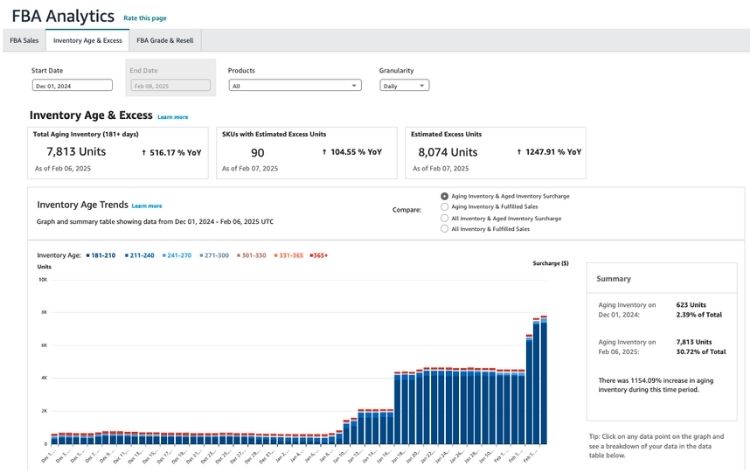
Limited access to accurate, real-time inventory data makes DIO control significantly more difficult. When stock levels are not updated consistently across systems or sales channels, sellers may misjudge how much inventory is actually available. This lack of visibility often leads to over-ordering slow-moving items or under-ordering fast-selling products.
In multi-channel environments, the problem becomes more severe, as an item may sell out on one platform while still appearing available on another. These inconsistencies increase the risk of stock imbalances, which directly inflate DIO or cause sudden fluctuations when restocking occurs.
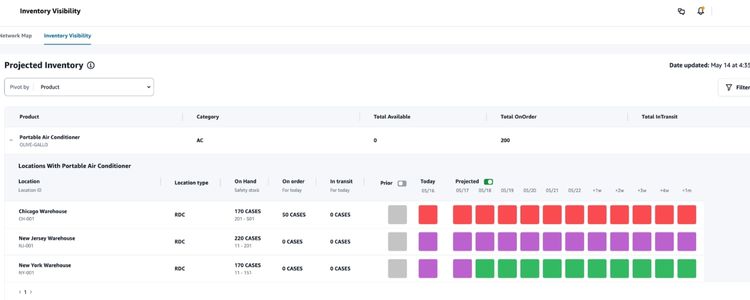
Reducing Storage Costs and Warehouse Inefficiencies
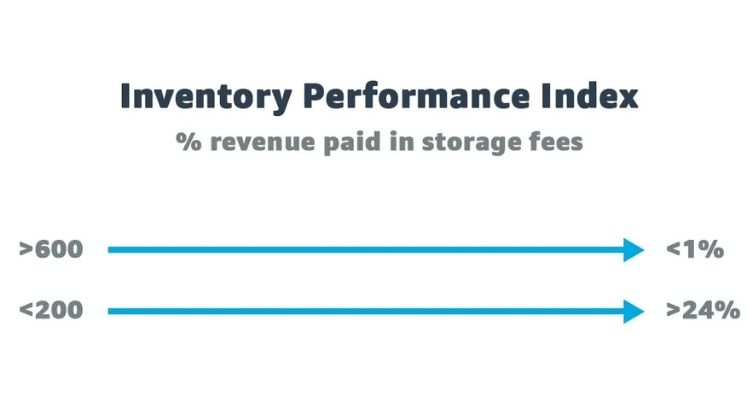
High warehousing costs are another major factor that pushes DIO upward. When inventory remains in storage for extended periods, businesses continue to incur expenses related to space, handling, and inventory management. Overstocked or poorly organized warehouses amplify these costs, especially when slow-moving or obsolete products occupy valuable space.
In addition, inventory that does not sell as expected ties up capital and may eventually require liquidation at reduced margins. Over time, these inefficiencies weaken cash flow and make it harder to keep DIO at a healthy level.
Overcoming Inventory Forecasting Difficulties
Accurate demand forecasting remains a persistent challenge for e-commerce sellers. Although historical data and analytics tools can improve predictions, forecasts are rarely perfect in fast-changing online markets. Shifts in consumer behavior, competitor actions, or external disruptions can quickly make projections unreliable.
When forecasts miss the mark, businesses may face surplus inventory or frequent stock shortages, both of which negatively affect operations and customer satisfaction. Because forecasting errors influence purchasing, storage, and replenishment decisions, they play a central role in the ongoing difficulty of maintaining an optimal DIO.
Effective Strategies to Reduce DIO and Improve Inventory Flow
Reducing DIO depends on applying practical inventory strategies that keep stock aligned with demand while maintaining smooth operational flow.
Employ Advanced Tools to Forecast Demand Accurately
Accurate demand forecasting helps sellers control DIO by aligning inventory levels more closely with actual sales. When demand is predicted correctly, businesses avoid holding excess stock “just in case”, which reduces storage costs and frees up cash faster. As a result, inventory moves more smoothly, and DIO naturally declines.
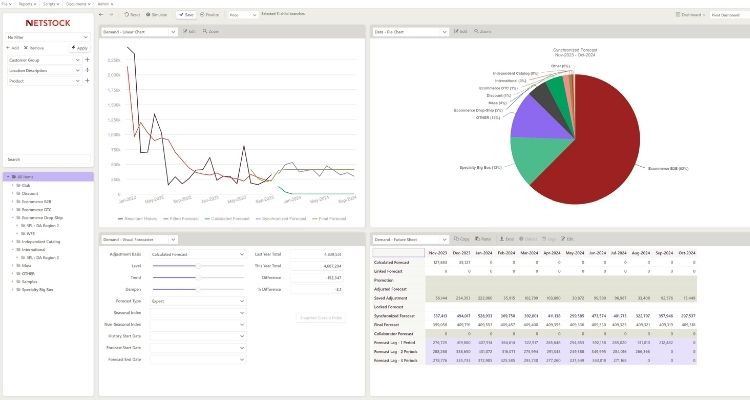
To do this effectively, sellers start by reviewing historical sales data in tools like Amazon Seller Central or Shopify Analytics to identify trends and reorder patterns. Next, use Google Trends to track changes in product demand and compare them with past seasonal performance.
For more consistency, inventory planning tools such as Netstock or StockIQ can automate demand forecasts and recommend reorder quantities. By updating forecasts regularly and adjusting purchase orders accordingly, sellers can keep inventory in line with demand and improve inventory flow.
Strengthen Supplier Collaboration for Faster Inventory Response
Stronger collaboration with suppliers helps sellers respond to demand changes more quickly and reduce the need to hold large amounts of inventory. When lead times are shorter and replenishment is more flexible, businesses can restock based on actual sales instead of predictions alone.
To put this into practice, sellers should actively work with suppliers to shorten lead times and adjust replenishment cycles. Sellers can start by negotiating smaller but more frequent order quantities, so inventory levels stay aligned with actual sales instead of long-term assumptions.
At the same time, sellers should share regular sales data or demand forecasts with suppliers to support better production and delivery planning. In addition, sellers should identify alternative or backup suppliers to reduce the risk of disruption when delays occur.

Apply Just-In-Time Inventory Where Practical
Applying a just-in-time approach helps sellers reduce DIO by limiting how long inventory stays in storage. When products arrive closer to the moment they are needed for order fulfillment, businesses avoid holding large volumes of idle stock. As a result, carrying costs decrease, inventory turnover improves, and capital is not locked up unnecessarily.
In practice, sellers can shift from large bulk purchases to smaller, more frequent replenishment cycles that follow recent sales patterns. For example, instead of ordering inventory for several months at once, sellers can restock every few weeks based on sell-through data.
Supplier reliability also becomes critical, so sellers should confirm lead times and delivery consistency before applying this model. Since demand accuracy is essential, this approach works best when sellers begin with fast-moving or stable products and expand gradually as confidence in supply performance grows.

Enhance Efficiency with Fulfillment Automation
Fulfillment automation helps sellers reduce DIO by removing delays between order placement and inventory movement. When orders are processed quickly and accurately, products leave storage without unnecessary waiting time. As a result, inventory does not accumulate due to operational bottlenecks, inventory turnover improves, and DIO remains under better control.
In daily operations, sellers can rely on automation tools that connect order processing with inventory updates in real time. Inventory management systems that support barcode scanning reduce manual errors and keep stock counts accurate across all sales channels.
At the same time, integrated fulfillment software ensures that orders are immediately synced with warehouses or fulfillment partners, preventing overselling items that are no longer available. With faster and more reliable order handling, inventory flows smoothly from storage to customers instead of sitting idle.
Track DIO Metrics and Adjust Inventory Strategies Frequently
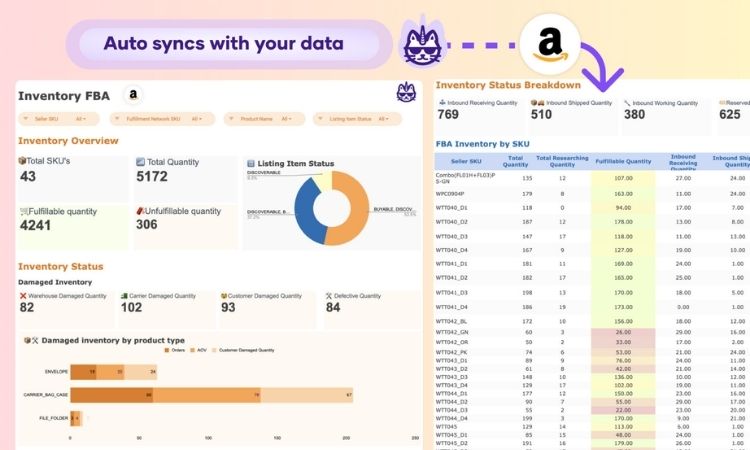
Regularly monitoring DIO allows sellers to detect inventory issues early and react before they affect cash flow or service quality. When businesses track DIO trends consistently, they gain clearer insight into slow-moving products and potential stock shortages. As a result, inventory decisions become more timely, and operational efficiency improves.
A fixed review cycle, such as weekly or monthly, helps sellers keep DIO within a controlled range. When DIO rises beyond the target threshold, sellers should identify underperforming products and apply corrective measures, including clearance pricing or bundle promotions.
Conversely, when DIO drops unusually low, sellers need to assess stock availability and increase replenishment for fast-selling items to avoid stockouts. By linking inventory actions directly to DIO movements, sellers maintain a better balance between availability and efficiency.
>>> Read more: Amazon KPIs: Essential Metrics Every Seller Should Track
FAQs About Amazon Days Of Inventory
Amazon Days of Inventory measures how many days, on average, your current stock will last based on recent sales. Amazon calculates it by dividing your available inventory by your average daily sales.
It helps FBA sellers control storage costs, avoid overstocking or stockouts, and manage cash flow more efficiently.
You can reduce it by improving demand forecasting, ordering smaller and more frequent replenishments, running promotions to clear slow-moving stock, and optimizing fulfillment operations.
A healthy range varies by category, but many FBA sellers aim for roughly 30–60 days, with fast-moving goods targeting lower ranges and high-value or seasonal products allowing higher levels.
Get Professional Help from Megaficus
Managing Amazon Days of Inventory effectively is essential for keeping cash flow stable, reducing unnecessary storage costs, and ensuring products are always available when customers are ready to buy. When inventory planning, demand forecasting, and replenishment strategies are aligned, sellers can avoid both overstock and stockouts while maintaining healthy operational efficiency.
For sellers looking to track, optimize, and scale their Amazon inventory with confidence, Megaficus provides data-driven inventory management and FBA optimization strategies tailored to sustainable growth. Let Megaficus support you in building a smarter, more profitable Amazon business.