
Are you looking for a low-cost way to start your e-commerce journey as an Amazon individual seller without paying a monthly fee? This selling plan offers a unique pay-as-you-go structure that is perfect for casual merchants. The guide from Megaficus will explain how to leverage this account type to maximize your revenue today.
Quick Summary
- Entry Strategy: Leverage the “pay-as-you-go” plan for low-volume selling to avoid the $39.99 monthly professional subscription fee.
- Profitability Threshold: Upgrade to a Professional account once monthly sales exceed 40 items to maximize margins on every transaction.
- Service Standards: Ensure high customer satisfaction by packing orders the same day they arrive to meet competitive “Amazon-speed” shipping expectations.
- Creative Optimization: Increase your conversion potential by utilizing professional, white-background photography that builds immediate trust with new shoppers today.
What is an Amazon individual seller?
An Amazon individual seller is a merchant on the pay-as-you-go plan designed for those selling fewer than 40 items per month. This plan requires no monthly subscription fee but involves a per-item fee for every sale made on the marketplace. It serves as an ideal solution for hobbyists or those who have a very limited inventory of specialized goods to offer customers.
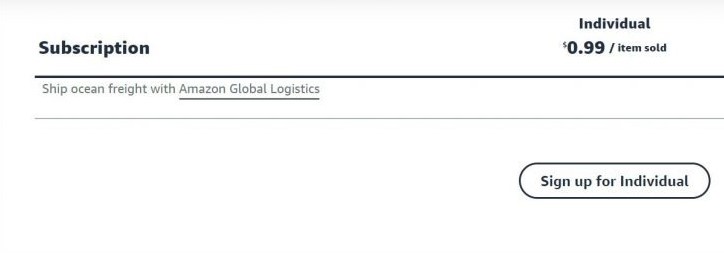
This account type allows you to access Amazon’s infrastructure without the pressure of a recurring overhead cost. It is often used for clearing out items or testing a niche before scaling up. The system remains accessible for anyone with a valid identity and a desire to start selling online successfully today.
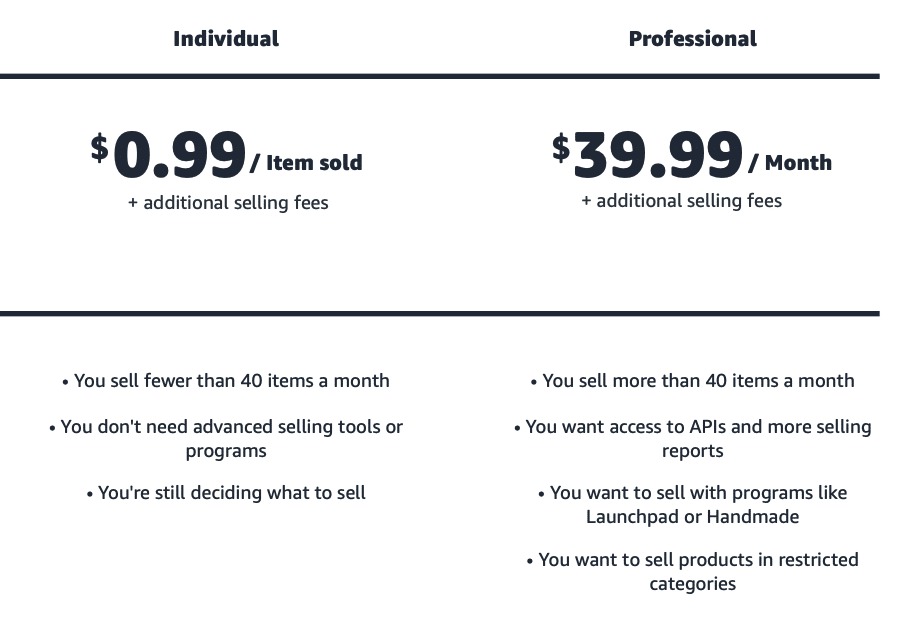
There are two primary plans on Amazon that merchants can select when setting up a storefront for the first time. The choice between individual and professional accounts determines your access to tools and fee structures. By reviewing these differences, you can select the most profitable path for your current volume and long-term business goals now.
| Feature | Individual Plan | Professional Plan |
|---|---|---|
| Monthly Subscription Fee | $0.00 | $39.99 |
| Per-Item Selling Fee | $0.99 | $0.00 |
| Listing Limit | Under 40 items | Unlimited |
| Buy Box Eligibility | No | Yes |
How does the Amazon individual selling plan work?
The mechanics of this selling plan are streamlined to help smaller merchants manage their orders without complex enterprise software. Understanding how the system handles listings and logistics is vital for maintaining a healthy account status. Each step is designed to be manual yet highly efficient for low-volume businesses looking for growth now.
The listing process for an Amazon individual seller account involves matching your items to existing products in the Amazon catalog whenever possible. You use the search bar to find the exact model or book, and then simply enter your price and condition. This saves time because you do not have to create new product detail pages from scratch for every single item you sell.
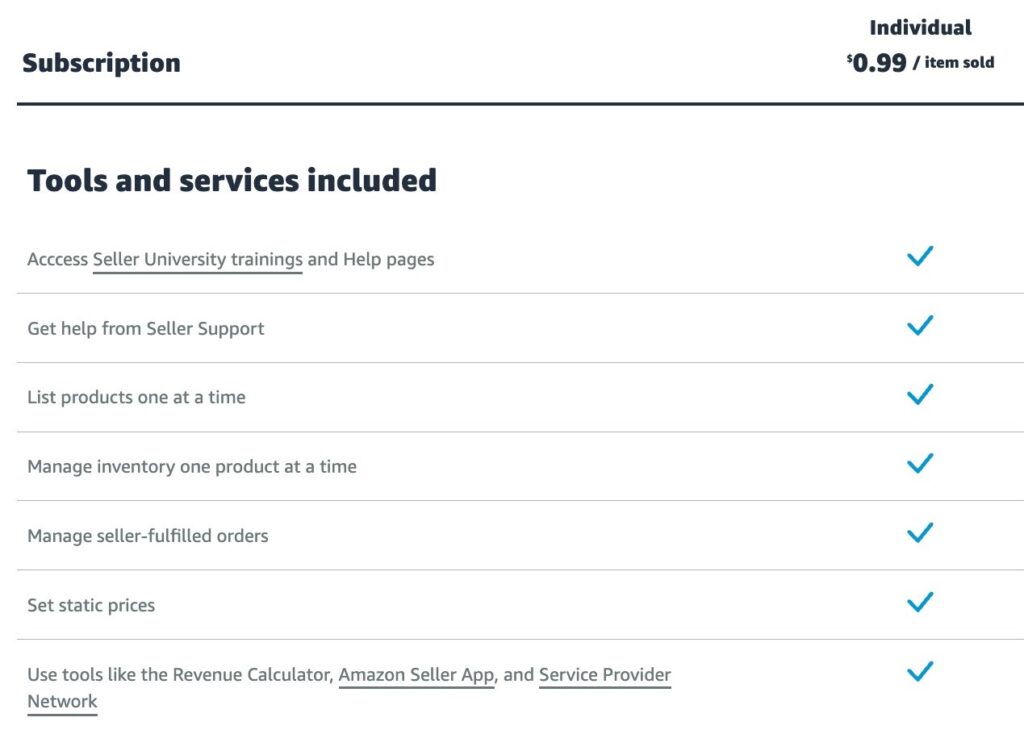
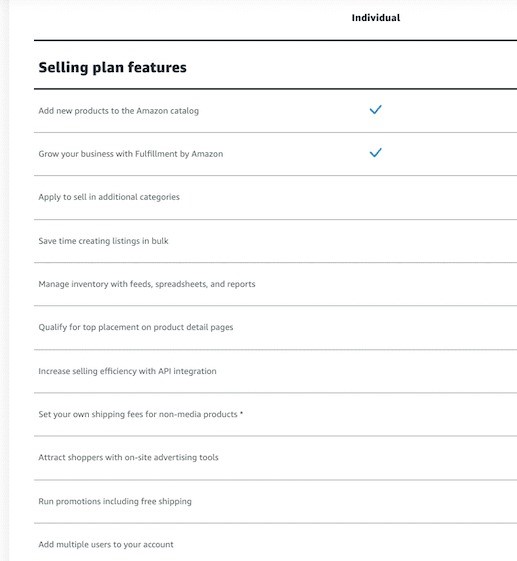
There are significant limitations, such as a lack of access to volume listing tools or specialized restricted categories. You cannot use automated software that professional sellers rely on for efficiency. This means you must manually update your stock levels and monitor your messages to avoid performance penalties today.
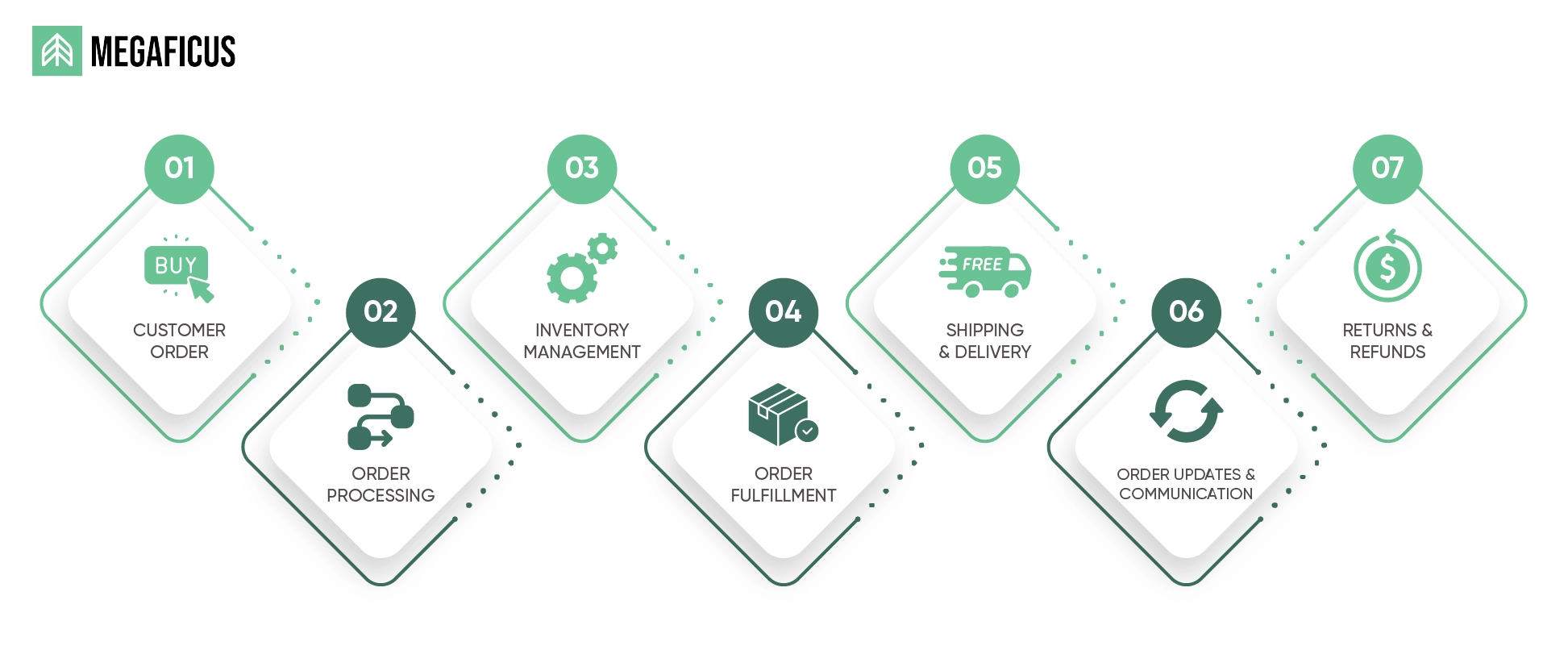
Order fulfillment involves a manual workflow where you are responsible for picking, packing, and shipping the product to the buyer. Once a sale occurs, you receive a notification and must purchase a shipping label through the seller dashboard. Amazon releases funds on a fixed schedule after confirming that the package has been delivered to the customer.
What are the benefits of being an Amazon individual seller?
Choosing this specific path offers several strategic advantages for those who are just beginning their journey in the world of e-commerce. The primary appeal lies in the reduced financial burden and the ability to learn the platform at your own pace. It allows for a low-stakes environment where mistakes do not result in heavy monthly losses.
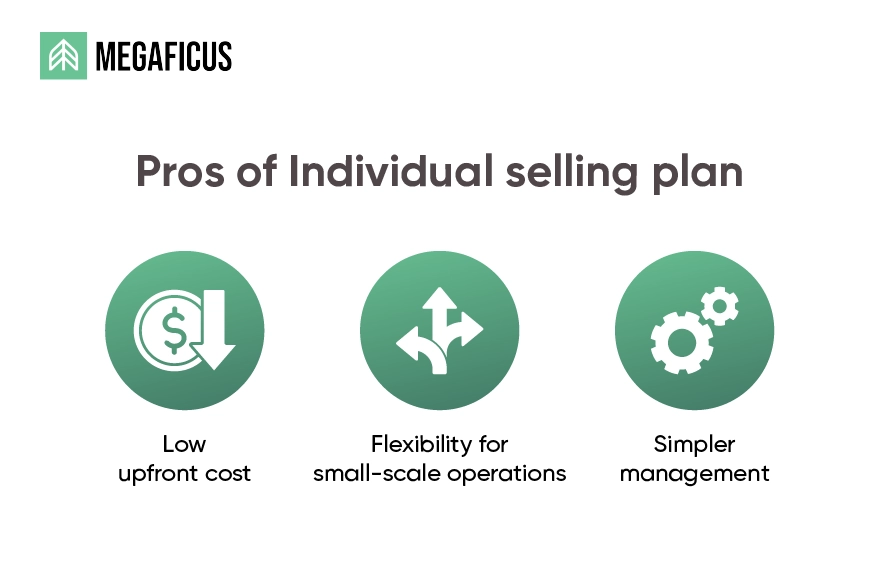
The lack of commitment and low financial risk for beginners make this the safest way to experiment with different product categories. If you do not sell any items during a particular month, you are not charged a single penny by the platform. This flexibility is perfect for seasonal sellers who might only have inventory during the holidays or for a specific niche event.
Access to Amazon’s massive customer base without upfront overhead is another powerful benefit that cannot be overlooked by small startups. Even with an individual account, your products are visible to millions of Prime members who trust the brand. This instant credibility helps you generate sales much faster than starting your own independent website now.
The simplicity of the interface for casual sellers or hobbyists ensures that you do not get overwhelmed by complex data analytics. The dashboard focuses on the most essential tasks like pending orders, buyer messages, and basic health metrics. This clarity allows you to focus on the quality of your products rather than learning advanced software.
| Benefit Type | Description | Practical Impact |
|---|---|---|
| Cost Control | No monthly fixed fees | Predictable margins |
| Market Access | Global reach instantly | High traffic volume |
| Ease of Use | Simplified dashboard | Low learning curve |
How much does the Amazon individual selling plan cost?
Managing your margins effectively requires a comprehensive understanding of the various costs associated with every transaction on the site. While the lack of a monthly fee is attractive, the cumulative cost of per-item fees can add up quickly as you grow. A successful merchant always calculates these expenses before setting the final retail price for their inventory to ensure profit.
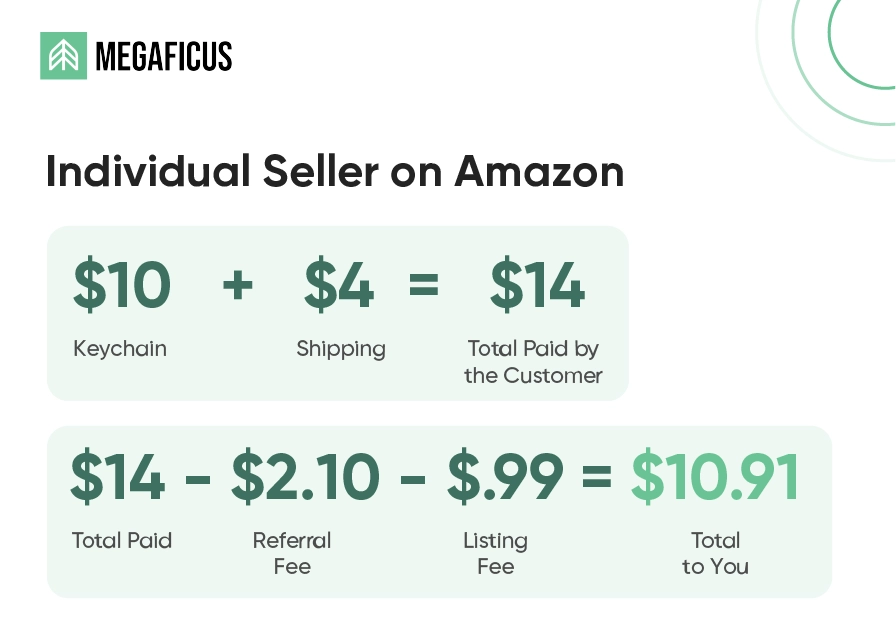
The Amazon individual seller fees include a fixed $0.99 charge for every single unit that is sold through the marketplace. This fee is deducted automatically from the total sale price before the remaining funds are deposited into your linked bank account. For example, if you sell ten books in a month, your total fixed selling fee for that period will be exactly $9.90.
Additional referral fees and closing fees apply to all sellers regardless of which plan they have chosen for their business. Referral fees are a percentage of the total sales price and vary significantly depending on the category of the item. For most consumer electronics or home goods, this fee typically ranges between 8% and 15% of the gross sale amount.
How to set up an Amazon individual seller account step-by-step?
The registration process is a structured journey that requires you to provide specific legal and financial information to verify your identity. Amazon takes security very seriously to prevent fraud and ensure that all sellers on the platform are legitimate business entities. Following the steps precisely will help you avoid delays in the verification phase of your application for a new store.
Step 1: Prepare Your Personal and Financial Documentation
Before you begin the online application, you must gather your government-issued identification and a recent bank statement. You will also need a credit card that can be charged for any outstanding fees and a valid phone number for verification. Having these documents ready in a digital format will make the upload process much smoother during the actual account setup.
Step 2: Choose the Individual Plan During Registration
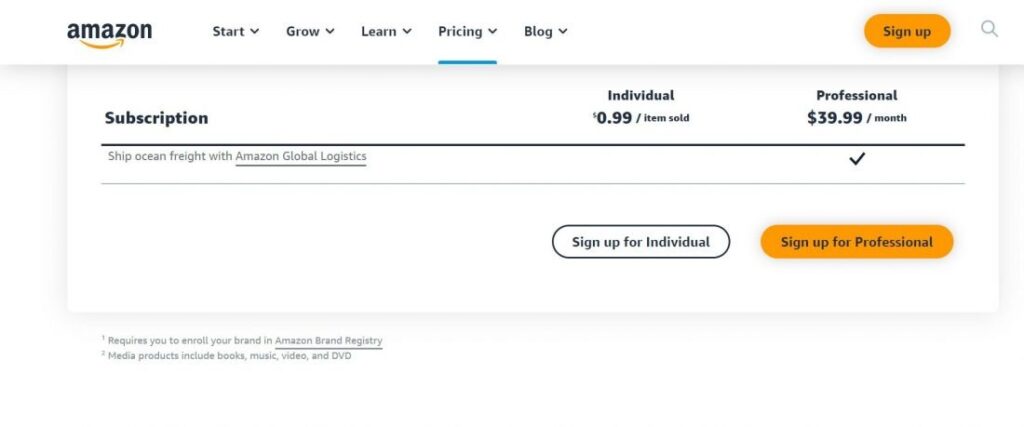
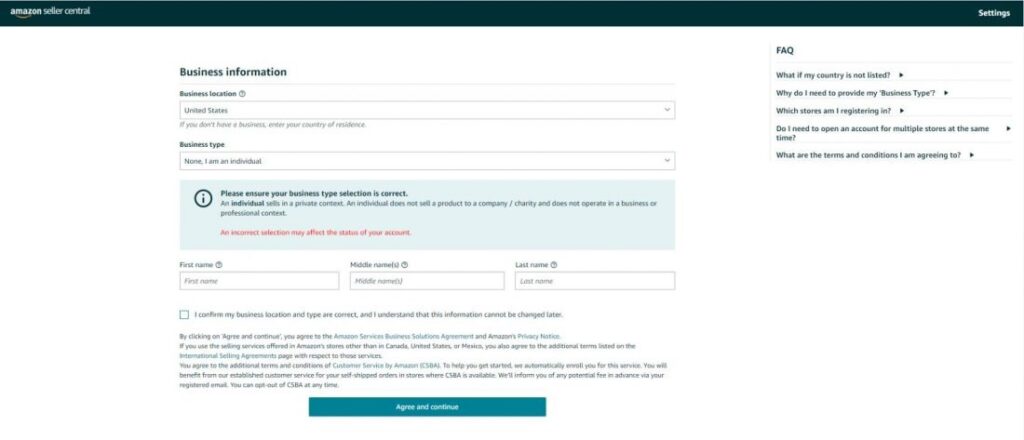
When you visit the Amazon services page, you must look for the small link that says “Sign up for Individual.” Amazon often highlights the professional plan more prominently, so you need to be careful not to accidentally select the $39.99 option. This choice ensures that your account starts with the pay-as-you-go fee structure instead of a monthly bill.
Step 3: Complete the Identity Verification Process
Amazon will require you to upload high-quality photos of your ID and may even schedule a brief video call to verify your face. This step is mandatory for all new accounts to comply with global anti-money laundering regulations and platform safety standards. You should ensure that the address on your bank statement exactly matches the address you provided in the registration.
Step 4: Configure Your Shipping and Tax Settings
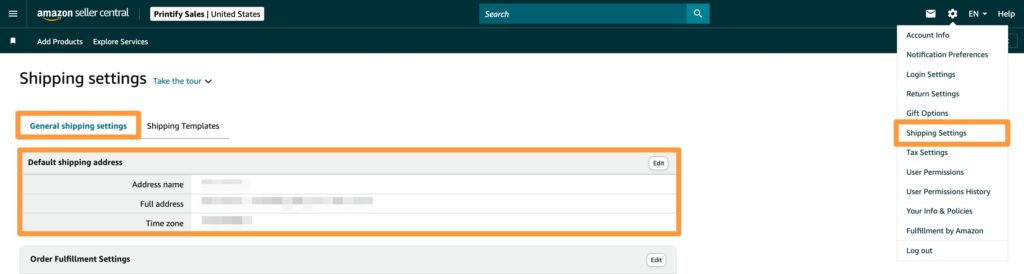
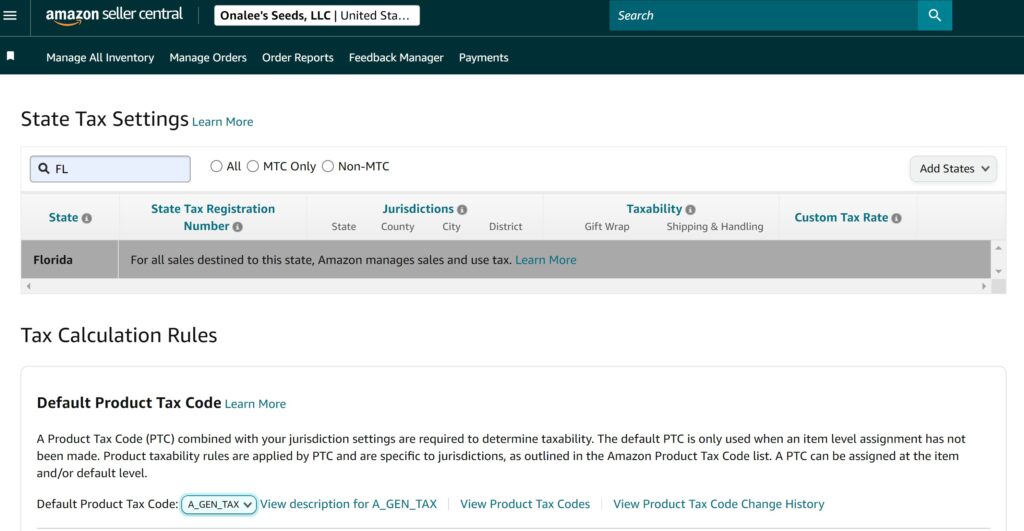
Once your identity is verified, you must set up your shipping templates to define where you are willing to send your products. As an individual seller, you have less control over shipping rates than professional accounts, but you can still choose your regions. You must also provide your tax identification number so that Amazon can issue the proper year-end reporting documents.
Step 5: Create Your First Product Listing
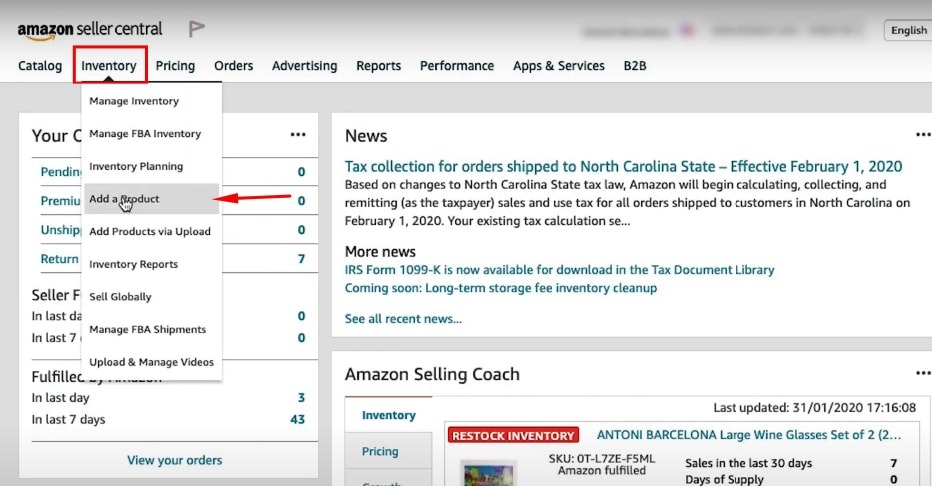
The final step is to find your product in the Amazon catalog and enter the details for your specific offer to the public. You will need to set a competitive price, describe the condition accurately, and choose your preferred fulfillment method for the order. Once you click save, your item will be visible to millions of potential customers across the entire marketplace platform.
What are the best practices for individual sellers?
Mastering the daily operations of a smaller merchant account requires a proactive approach to sourcing and customer satisfaction metrics. Following specific operational strategies allows you to compete with larger professional entities while keeping your costs manageable. By focusing on these areas, you can build a sustainable brand foundation ready for future scaling now.
Selecting High Margin Inventory
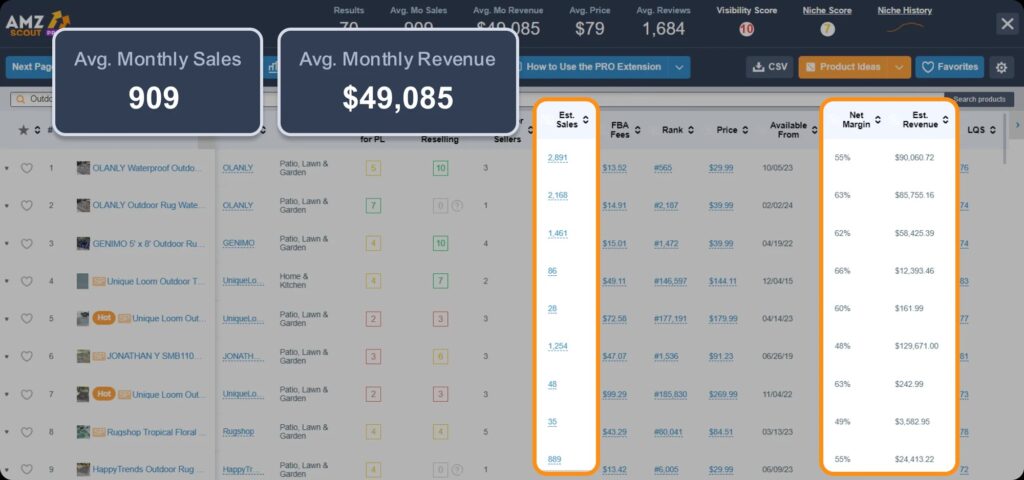
Focus on choosing high-margin products to offset the fixed per-item fees that the platform charges for every single transaction you make today. For example, selling a $5 item with a $0.99 fee leaves very little room for profit. You should target items with a retail value of at least $25 to ensure that your net profit remains healthy and sustainable today.
Utilizing specialized margin calculators is the best way to project your net income before purchasing bulk inventory today. Tools like AMZScout, Helium 10, or Jungle Scout provide an integrated system that accounts for referral fees and shipping costs for sellers. By entering your cost price, you can visualize actual profitability across categories on the platform now.
Optimizing Fulfillment Speed
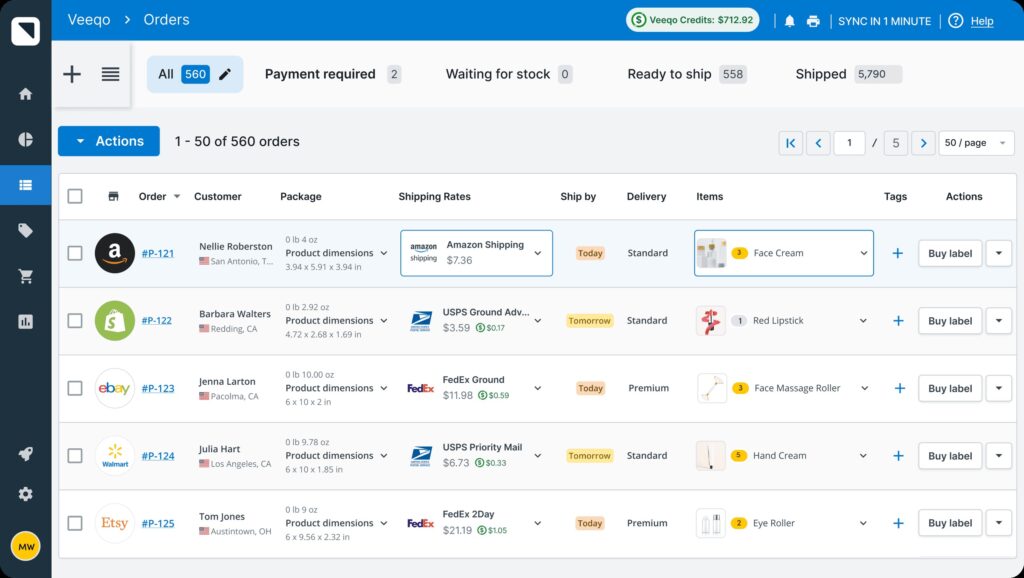
Emphasize the importance of quick shipping to maintain account health and earn positive feedback from your very first customers on the site today. Even though you are an individual seller, buyers expect the same “Amazon-speed” delivery. Packing your orders the same day they are received will help you stand out and build a strong reputation in the marketplace now.
You can streamline your logistics by using integrated shipping software like ShipStation or Veeqo to manage labels and tracking today. These platforms allow you to print postage from multiple carriers and sync data back to your dashboard. This automation reduces data entry errors and ensures customers receive packages without delays now.
Investing in Professional Visuals
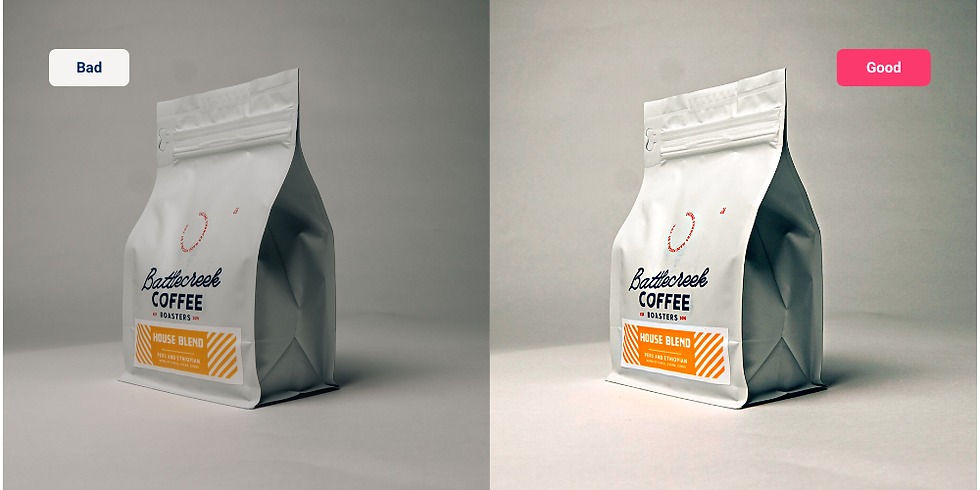
Megaficus suggests using professional photography to compete with established brands that have high-end marketing budgets and professional studios. While you’re working from home, your main product image must still be crisp, clear, and on a pure white background. High-quality visuals reduce customer doubt and can significantly increase your conversion rate today.
Utilizing digital editing software like Canva or Adobe Express helps you achieve the required white background for your main images now. These tools offer simple removal features that allow you to create high quality graphics without expensive camera gear today. By enhancing your assets, you improve your aesthetic and increase shopper conversion rates now.
Individual vs Professional selling plan: which is better?
Deciding between these two options depends entirely on your current sales volume and your long-term goals for the business. While the individual plan is great for testing, the professional plan offers tools that are necessary for scaling a brand. You must weigh the costs of the subscription against the potential for increased sales through advanced features and visibility.
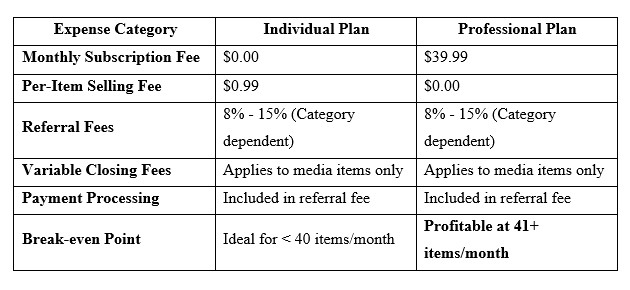
A simple calculation shows that the individual plan becomes more expensive than the professional plan once you sell 41 items. If you sell 50 items at $0.99 each, your fees are $49.50, which is higher than the $39.99 professional rate per month. Monitoring this threshold is essential for deciding when it is the right time to upgrade your account for better profitability.
- Individual Plan: 50 items × $0.99 = $49.50
- Professional Plan: Flat monthly fee = $39.99
- Total Savings: $9.51 per month by using the Professional plan.
Low-volume merchants who are just starting or only sell sporadically will find the Amazon seller central individual plan to be superior. It protects your capital while you are still learning how to source products and manage customer service effectively. However, high-volume sellers who move hundreds of units per month need the flat-rate structure today.
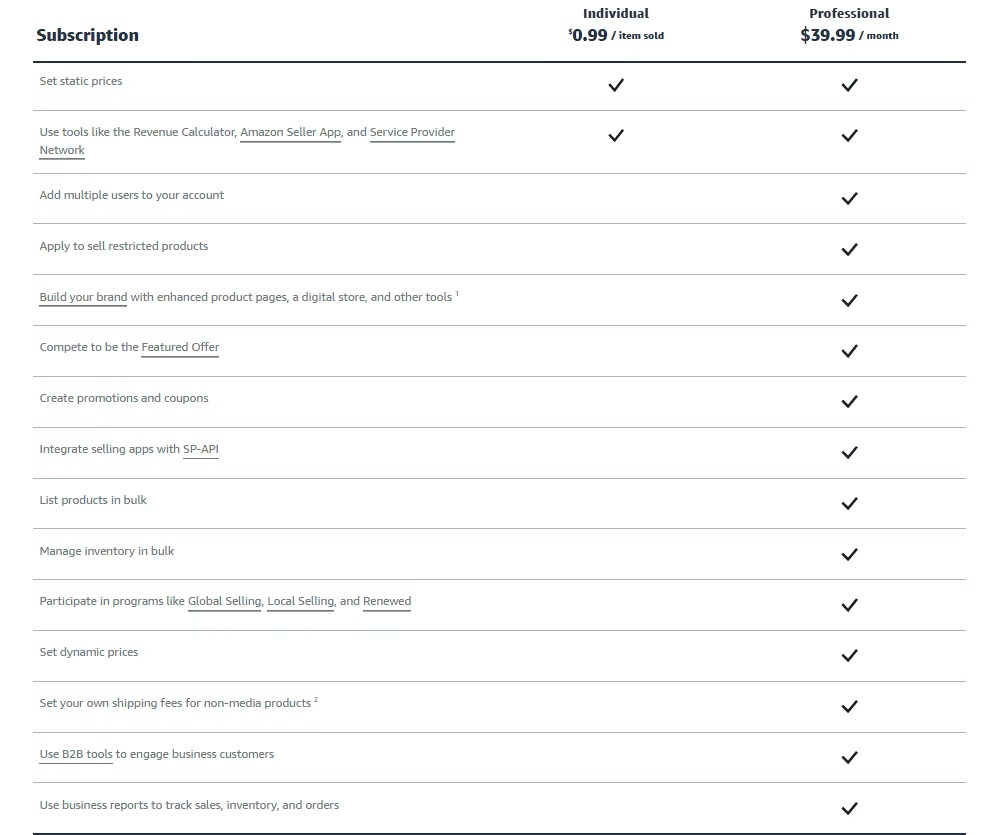
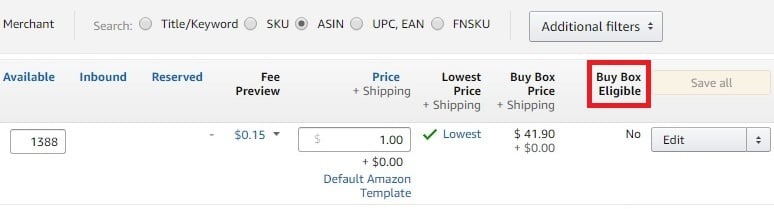
Specific features like the Buy Box or API access are completely missing in the individual plan, which can limit your growth. Without Buy Box eligibility, your items will only appear in the “Other Sellers on Amazon” list, which has a much lower click rate. This lack of visibility can make it very difficult to compete with professional sellers who offer the same or similar items.
Frequently Asked Questions (FAQ)
Yes, you can upgrade your plan at any time through the account settings in Seller Central. The transition takes effect immediately after you pay the pro-rated subscription fee.
Most beginners do not need a formal license to sell as an individual on the platform. However, you must comply with local tax laws and report all income earned from sales.
Yes, individual merchants can use FBA to store products and offer Prime shipping. You will simply pay the per-item fee alongside standard fulfillment and storage costs.
Individual accounts only charge per sale, so any upfront fee suggests you choose the pro plan. Check your settings to verify your plan and contact support for a refund immediately.
This plan is available in most regions like the US and UK, though some markets restrict it. Check the specific country page to see if the individual option is currently active.
Get Professional Help from Megaficus
The journey of an Amazon individual seller is an excellent way for new entrepreneurs to test the waters of e-commerce. It provides a low-risk environment to learn the complexities of the marketplace while building a foundation for a future professional brand. By focusing on high-margin items and providing excellent service, you can turn a small hobby into a profitable business.
As you grow and your sales volume increases beyond forty items a month, you should consider the professional upgrade for better tools. The transition is seamless and will unlock features like the Buy Box and automated advertising that are essential for scaling. Success on Amazon is a marathon, and the individual plan is the perfect first step for anyone ready to start.
Do you need help planning your first product launch or choosing between selling plans? Contact our Megaficus expert team to build your custom Amazon business growth checklist today.