
Ever felt like you’re just a few bad clicks away from losing your entire business? Dealing with constant Amazon issues can feel like an uphill battle against a giant robot. That’s the reason why we created this extremely detailed list of 15 major issues most sellers will encounter, offering the exact strategies you need to protect your account and finally scale up.
Quick Summary: 15 Amazon issues you need to know:
- High Competition and Price Wars
- Amazon Account Suspension
- Increasing Amazon Advertising Costs (CPC)
- Dealing with Negative Reviews and Feedback
- Amazon Listing Hijacking
- Inventory Management and Stockouts
- Amazon Search Algorithm Changes (A10)
- Complex Fee Structures and Hidden Costs
- Dealing with Returns and Fraudulent Claims
- Restricted Categories and Brand Gating
- Inaccurate Product Content and Detail Page Errors
- Difficulties Contacting Seller Support
- Lost or Damaged FBA Shipments
- Intellectual Property (IP) Complaints
- Sales Tax and Global Compliance Issues
1. High Competition and Price Wars
The digital marketplace often resembles a crowded arena where visibility is bought with diminished margins and relentless psychological pressure. Consequently, when multiple sellers converge on a single listing, the resulting friction inevitably sparks a devastating “race to the bottom” for everyone involved.
This downward spiral occurs because the Buy Box algorithm prioritizes the lowest price, often ignoring the long-term sustainability of the businesses providing the goods. Without a unique value proposition, your business becomes a mere commodity, vulnerable to every competitor willing to sacrifice their future for a momentary sale.
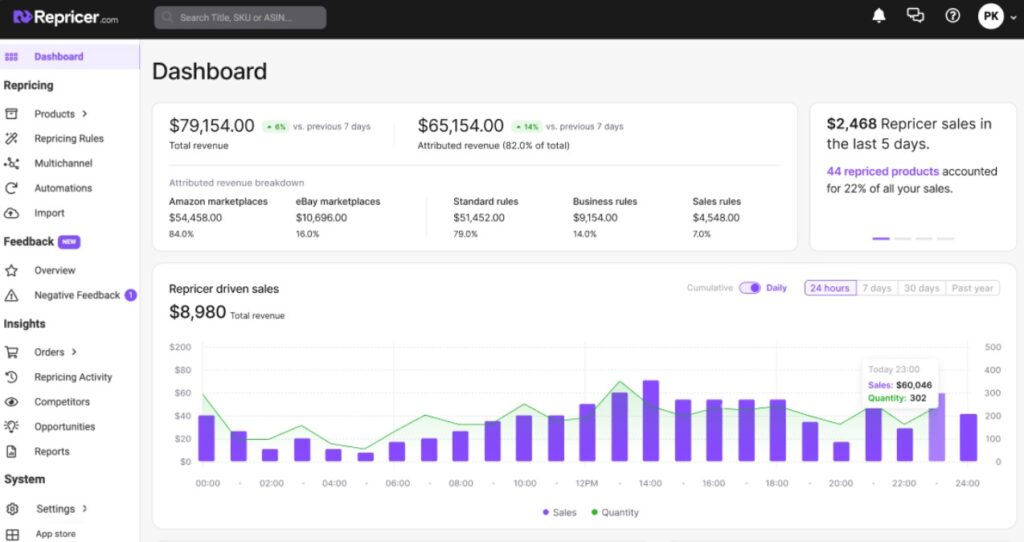
To survive this volatility, you should implement automated repricing tools like Repricer.com to maintain your competitive edge without constant manual monitoring. These sophisticated algorithms allow you to set a “floor price” that protects your dignity as a seller and ensures your ultimate survival.
For example, if you’re a seller offering generic yoga mats, you may face fifty identical competitors. By bundling the mat with a digital exercise guide or a carrying strap, you can create a unique private label offer that avoids direct price comparison.
2. Amazon Account Suspension
While price wars threaten your margins, the specter of an account suspension represents a much more existential threat to your entire business operation. Indeed, an account suspension is the most feared of all Amazon issues, acting as a sudden, cold severance of your primary digital lifeline.
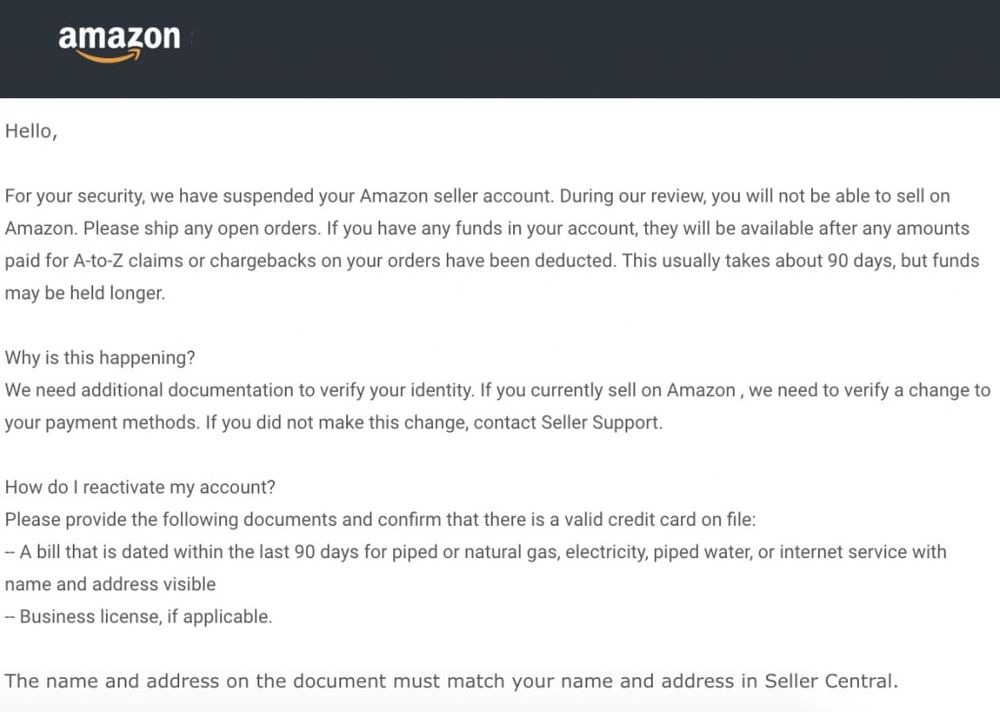
Triggers like “Circumventing Systems” or poor health metrics can freeze your operations without a moment’s notice, leaving your inventory stranded. Losing access to your Seller Central dashboard does more than stop sales; it traps your hard-earned capital in a silent, bureaucratic void.
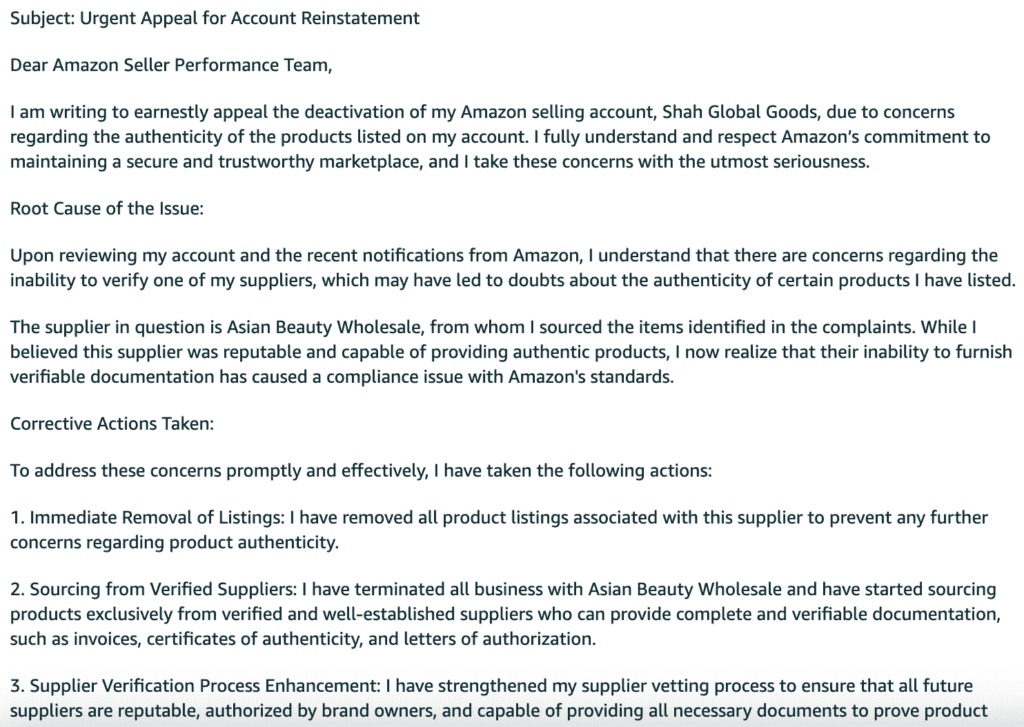
To solve this, avoid sending a generic “I’m sorry” email. Instead, draft a technical Plan of Action (POA) that addresses the specific failure. You should attach verifiable documents such as stamped commercial invoices from the last 90 days, a signed Letter of Authorization (LOA) from the brand owner, and detailed supply chain flowcharts proving the authenticity of your sourcing.
3. Increasing Amazon Advertising Costs (CPC)
Even when your account remains in good standing, the rising cost of visibility can feel like a slow, financial suffocation that drains your resources. As the marketplace matures, the cost of digital real estate continues to climb toward heights that were unimaginable just a few years ago.

Maintaining a profitable Advertising Cost of Sales (ACOS) is now a delicate dance between aggressive bidding and surgical precision. Furthermore, the influx of massive corporate brands has inflated the cost-per-click (CPC) for high-volume terms, pricing out smaller, more nimble entrepreneurs.
Relying solely on broad keywords is a recipe for financial exhaustion in this increasingly expensive and crowded environment. The solution lies in shifting your focus toward long-tail keywords with lower competition and much higher purchase intent.
These specific phrases act as a bridge, connecting your product directly to a customer who already knows exactly what they desire. Instead of bidding on the expensive term “running shoes,” a savvy seller might target “waterproof trail running shoes for men” to improve efficiency.
| Advertising Metric | High Competition Keyword | Long-Tail Keyword |
|---|---|---|
| CPC Average | $4.50 | $1.20 |
| Conversion Rate | 5% | 12% |
| ACOS % | 45% | 18% |
4. Dealing with Negative Reviews and Feedback
High advertising costs may drive traffic to your page, yet that traffic becomes utterly useless if your reputation is marred by poor social proof. Unfortunately, a single 1-star review can cast a long shadow over your conversion rate, regardless of your past years of success.
Amazon’s strict policies make removing these digital scars nearly impossible, even when they are fundamentally unfair or completely misleading. Most negative feedback stems from a disconnect between the customer’s expectation and the physical reality they finally received.
This gap is often where a brand’s reputation goes to die, sacrificed on the altar of a single poor shipping experience. You should proactively use the “Request a Review” button in Seller Central to cultivate a garden of positive social proof.
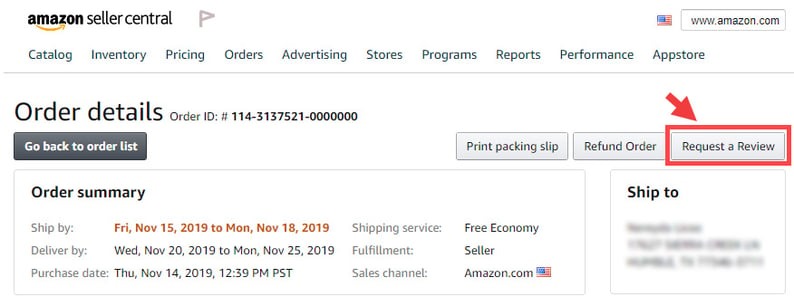
This consistent influx of 5-star ratings provides a necessary buffer against the occasional, inevitable sting of a dissatisfied or confused buyer. If a customer complains about a defective unit, reach out professionally through the official buyer-seller messaging service to offer a resolution.
5. Amazon Listing Hijacking
Protecting your reviews is vital, but beyond that, you must also guard the very listing they are attached to from outside invaders. Specifically, listing hijacking is a form of digital parasitism where unauthorized sellers attach themselves to your hard-earned success without permission.
They often offer counterfeit or inferior versions of your product, slowly poisoning the well of your customer trust. This intrusion leads to a flood of negative reviews that you did not earn, yet must still painfully endure.
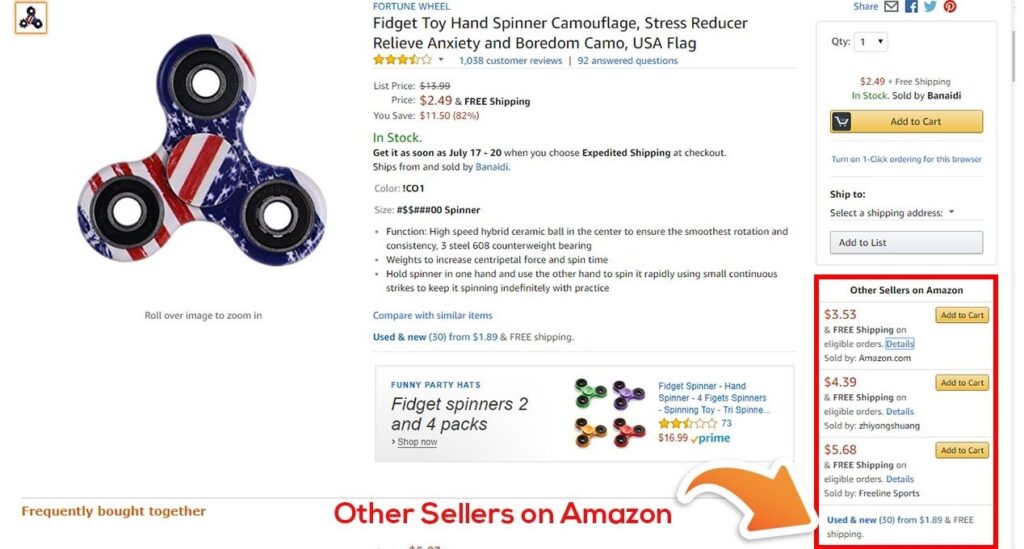
Protecting your brand’s identity requires a proactive shield that many sellers realize they need only after the irreversible damage is done. The most effective defense is enrolling in the Amazon Brand Registry program immediately upon your initial launch.
This gives you access to powerful tools like Project Zero and Transparency, which require unique 2D codes on every unit shipped. A supplement brand, for instance, used Transparency codes to ensure that any “hijacker” was caught at the warehouse level.

6. Inventory Management and Stockouts
While hijackers attempt to steal your sales externally, your own logistics can also fail you internally if you do not manage your supply chain effectively. Therefore, inventory management becomes a high-stakes balancing act between the fear of storage fees and the agony of stockouts.
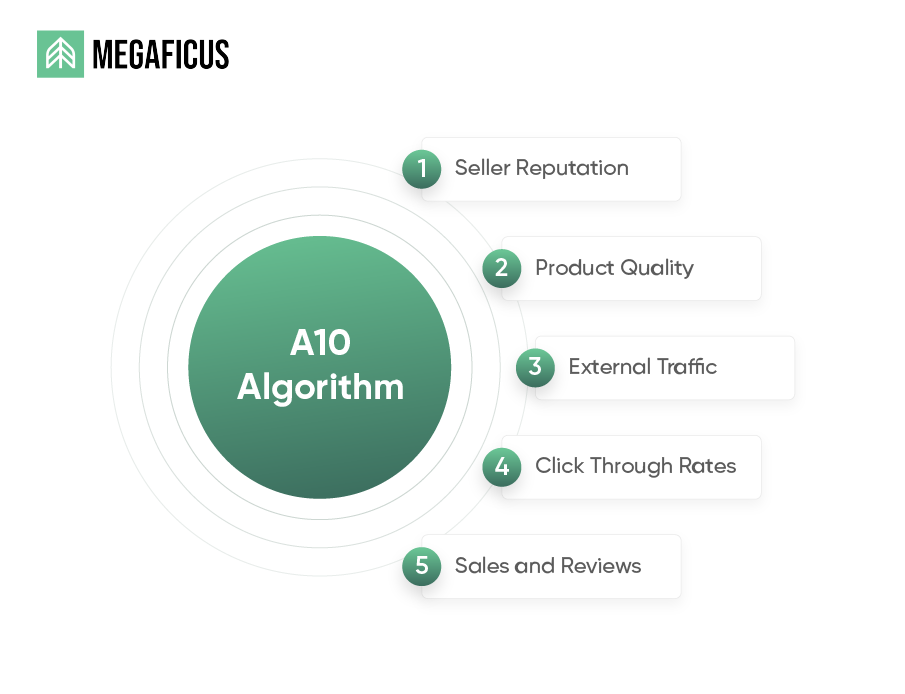
Running out of stock is a double-edged sword that cuts through your immediate sales and your long-term organic ranking. The A10 algorithm is unforgiving to those who cannot fulfill the demand they have generated over months of intense effort.
Once a listing goes dark, the momentum you built evaporates, leaving you to climb the mountain all over again from the bottom. To solve this, use demand forecasting tools like InventoryLab or RestockPro to predict seasonal surges.
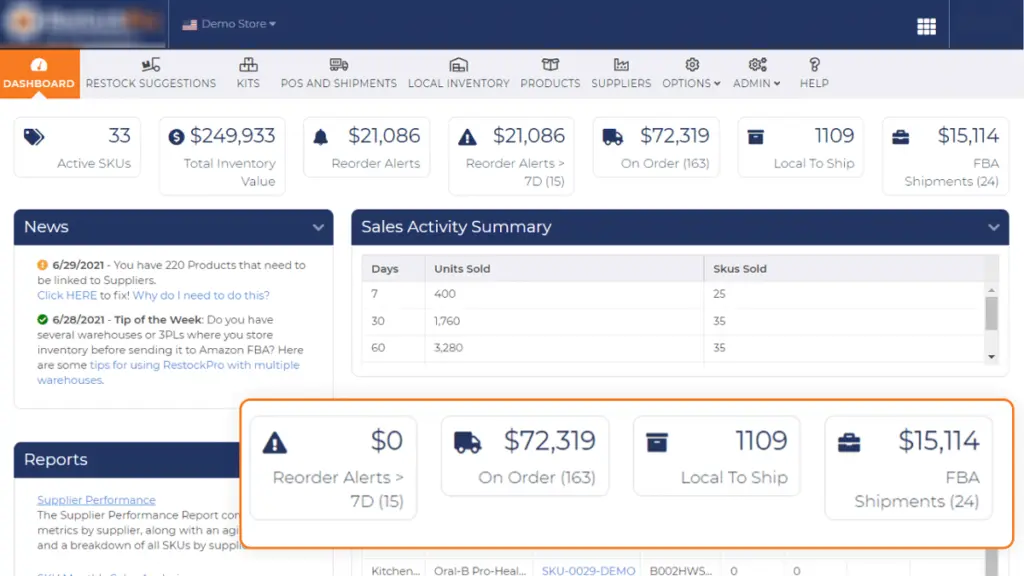
Maintaining a “safety stock” at a third-party logistics (3PL) warehouse allows for quick replenishment if FBA shipments are delayed. During the Q4 holiday rush, having 500 units ready at a local 3PL ensures the listing stays active via Merchant Fulfilled (FBM).
7. Amazon Search Algorithm Changes (A10)
Inventory stability provides the foundation upon which your search ranking is built; however, you must also master the evolving rules of the ranking game itself. In this regard, the shift toward the A10 algorithm represents a fundamental change in how Amazon views relevance and authority.
It no longer prioritizes simple keyword density, favoring instead the quality of traffic and the deep loyalty of your audience. If you still rely purely on internal PPC, you will lose ground to those who cultivate a following on social media.
The algorithm now rewards “outside-in” traffic, viewing it as a powerful signal of a product’s genuine market appeal. That’s why Megaficus suggests you focus on driving external traffic from platforms like TikTok, Instagram, or Google Ads directly to your specific listing, so you can receive a significant boost in your organic search placement that internal ads cannot match.
8. Complex Fee Structures and Hidden Costs
Driving external traffic is a brilliant strategy for growth; nevertheless, you must ensure that each surge in sales actually results in a net profit. The Amazon fee ecosystem is a labyrinth designed to reward the meticulous and penalize the unaware at every turn.
Between referral fees, FBA fulfillment costs, and monthly storage, your actual profit can disappear into a thousand tiny, automated deductions. Many sellers find themselves moving large volumes of product only to realize their bank account remains completely stagnant.
This disconnect occurs when hidden costs, like return processing or disposal fees, are not factored into the initial margin. You must regularly audit your settlement reports to ensure you aren’t being overcharged by various automated systems. Moreover, using a SKU-level profit calculator is the only way to ensure every product in your catalog is contributing to growth.
| Fee Type | What It Is | Why It’s a “Hidden” Issue |
|---|---|---|
| Aged Inventory Surcharge | A monthly penalty for items stored in FBA for over 181 days. | It replaces the old “Long-Term Storage Fee” and scales aggressively as items get older. |
| Inbound Placement Fee | A charge to distribute your inventory across multiple Amazon warehouses. | Choosing a “Minimal Shipment Splits” option can significantly increase your per-unit cost. |
| Low-Inventory Level Fee | A penalty is triggered when your stock levels fall below a specific historical demand threshold. | It punishes sellers who try to be too “lean,” effectively forcing higher upfront capital. |
| Removal & Disposal Fees | The cost to have Amazon send your items back to you or destroy them. | These rates have nearly doubled recently, making “cleaning out” slow stock very expensive. |
| Returns Processing Fee | A fee charged for categories like Apparel or Electronics to handle customer returns. | It is non-refundable, meaning you lose money on the logistics even if the item is resold. |
9. Dealing with Returns and Fraudulent Claims
Even with perfect margins in place, a high rate of product returns can quickly turn a profitable month into a staggering financial loss. Consequently, returns are the silent profit-killer in the world of e-commerce, especially in high-touch categories like fashion and electronics.
Beyond the lost sale, the operational cost of processing a return can often exceed the original profit margin you earned. Furthermore, “buyer fraud” is a growing concern where customers exploit the platform’s customer-centric policies to return empty boxes.
This creates a culture of vulnerability for sellers who have very little recourse against professional scammers. Minimize these occurrences by optimizing your product descriptions with clear, high-resolution images and detailed size charts.
Managing expectations before the purchase is the best way to reduce “not as described” return requests and buyer remorse. So if you receive a fraudulent return, you should document the evidence with photos of the packaging and report the buyer immediately.

10. Restricted Categories and Brand Gating
If returns act as a hurdle for existing products, then restricted categories are the massive walls that prevent you from launching new ones entirely. Indeed, stepping into a restricted category can feel like hitting an invisible wall in your business expansion plans.
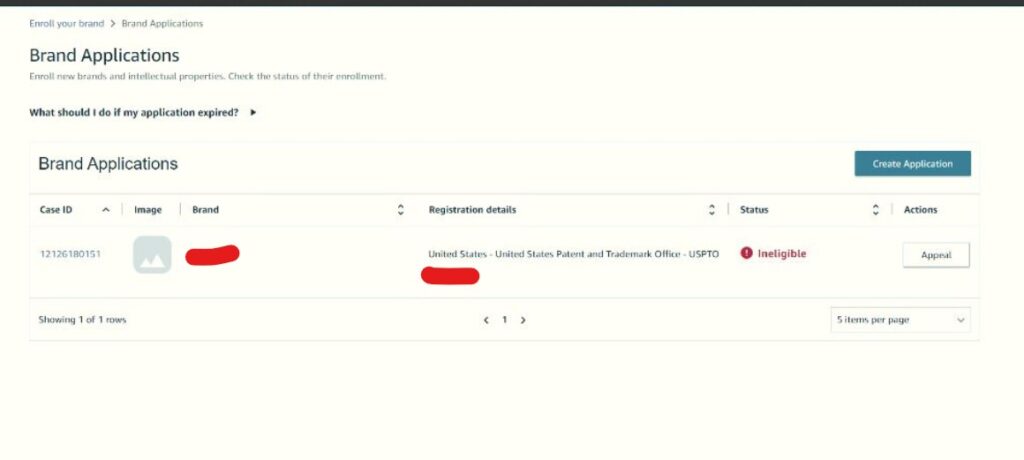
Amazon’s “Brand Gating” is a gatekeeper that ensures only those with verified supply chains can participate in premium niches. While this protects the marketplace from counterfeits, it creates a significant barrier for honest resellers trying to scale.
Seeing an “Ineligible” status can be a crushing blow to an otherwise perfect and profitable product sourcing strategy. To get ungated, you must provide authentic invoices from authorized wholesalers that meet Amazon’s strict criteria.
11. Inaccurate Product Content and Detail Page Errors
Once you have finally gained access to a restricted category, you must then ensure that your storefront accurately represents your brand. Your product detail page is your digital storefront, yet it can be altered by external forces beyond your control.
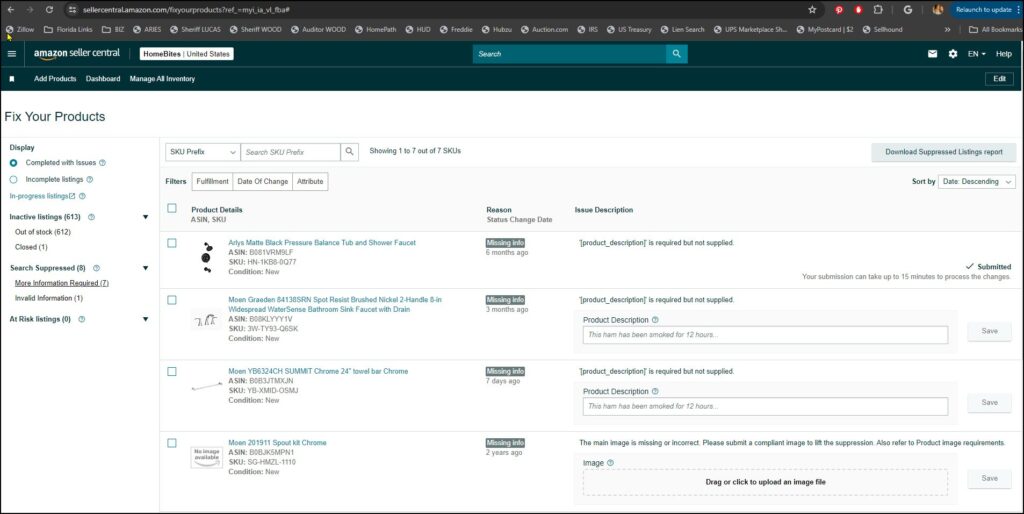
Inaccurate content often results from system glitches or unauthorized contributions that overwrite your carefully crafted marketing copy. These errors lead to customer confusion, which is the primary catalyst for negative reviews and high return rates.
Maintaining the integrity of your data is a constant battle against a system that prioritizes automation over accuracy. When this happens, use the “Help” menu in Seller Central to open a case for “Fix a Product Page.” Then, provide clear evidence, such as a link to your official brand website or photos of the physical product packaging.
12. Difficulties Contacting Seller Support
Correcting these page errors often necessitates constant interaction with a support system that can be notoriously difficult to navigate. The frustration of speaking with a bot when your livelihood is on the line is a universal seller experience.
Amazon’s support system is built for massive scale, often sacrificing the nuance required to solve complex, non-standard business problems. Receiving a templated response to a unique issue can feel like a total dismissal of your concerns.
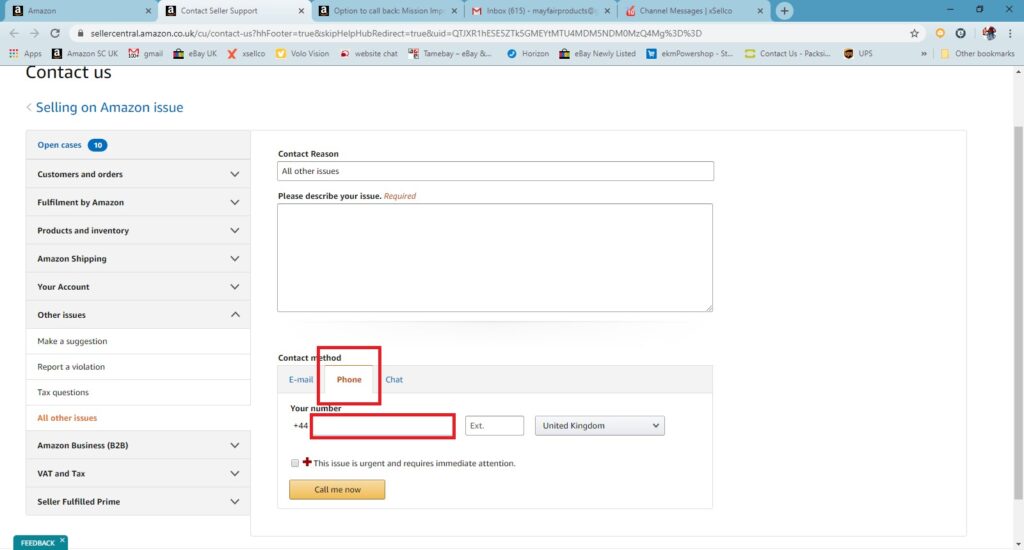
To break through this barrier, you must speak the language of the system with persistence and precise documentation. To get better results, always including specific Case IDs and clear, bulleted evidence in your correspondence is another good tactic.
We advise you should try requesting a “call back” during US business hours to speak with a human representative who can understand your case. Moreover, you should also use a format that includes the Issue, Case ID, and Evidence instead of writing a long paragraph.
13. Lost or Damaged FBA Shipments
Communication with support becomes even more critical when your physical assets go missing within the vastness of the fulfillment network. This is because the massive scale of FBA means that inventory sometimes vanishes into the mechanical heart of the center.
If you are not vigilant, these missing units represent a direct, unrecovered theft from your potential annual revenue. Units can also be damaged during the inbound transit, leaving you with unsellable stock and a headache.
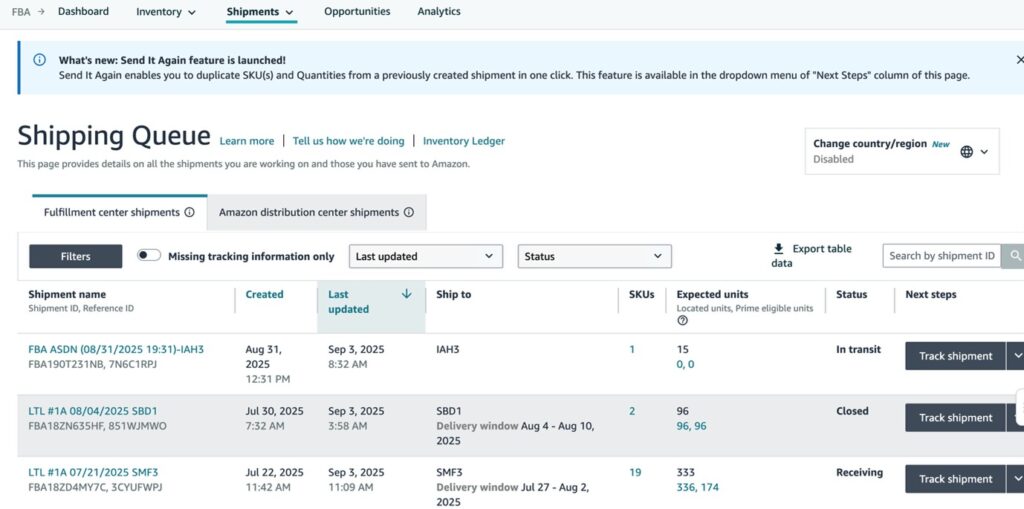
Monitoring the “Reconcile” tab is a vital part of your financial audit. Check your Shipping Queue regularly for any discrepancies between “Shipped” and “Received” quantities to ensure you are made whole. An important reminder is that you have a limited window to submit a claim for reimbursement, so staying organized is vital for your cash flow.
14. Intellectual Property (IP) Complaints
Physical loss is tangible and painful, but the loss of your legal right to sell a product can be even more damaging. In this regard, intellectual property complaints are often weaponized by competitors to suppress your growth and remove your listings without warning.
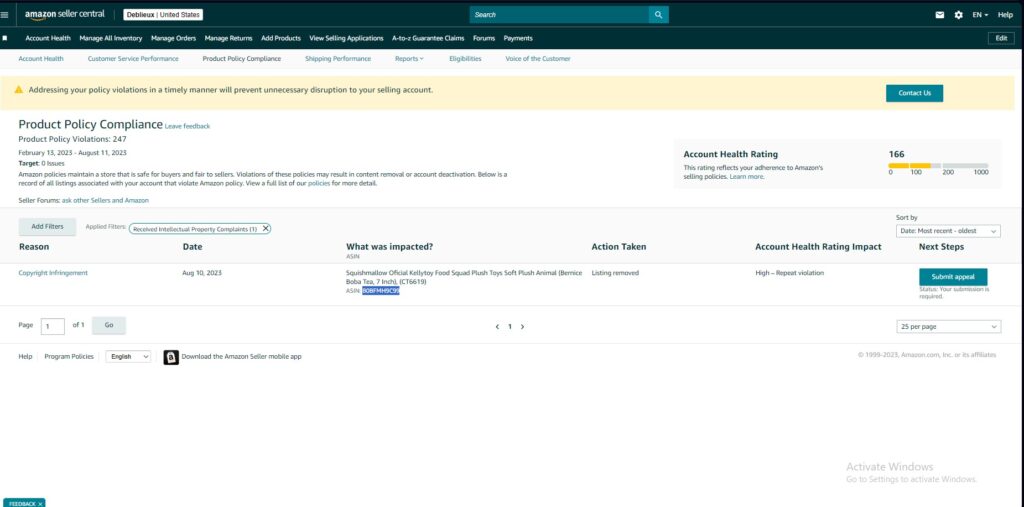
Even if the claim is baseless, the burden of proof rests entirely on your shoulders to prove your innocence. A single trademark or counterfeit strike can severely damage your Account Health Rating, putting your business at risk.
Preparing for these legal skirmishes before they happen is the mark of a truly professional and seasoned Amazon seller. Maintaining a clear paper trail is your best defense against these complex and dangerous Amazon issues.
Keep all invoices, Letters of Authorization (LOA), and licensing agreements in a dedicated folder for quick retrieval. When a competitor filed a false IP claim against a phone case designer, the designer submitted their USPTO trademark.
15. Sales Tax and Global Compliance Issues
Legal challenges are not confined to local disputes; rather, they expand as you seek to reach customers in international territories. Expanding your horizons to international marketplaces brings a heavy burden of regulatory and tax compliance that cannot be ignored.
Complexity grows exponentially when you move from a domestic operation to a global brand facing VAT and Nexus laws. The penalties for non-compliance are severe, often involving the permanent seizure of your international inventory.
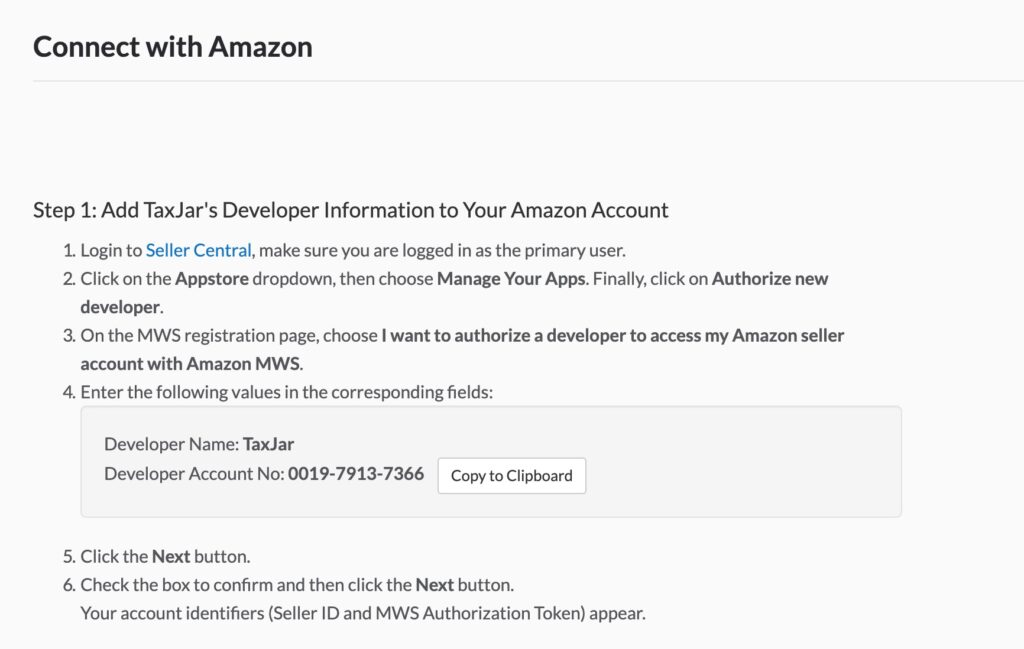
Navigating these waters requires a commitment to precise, legal, and timely accounting. You should use Amazon’s Tax Calculation Service or third-party software like TaxJar to automate these calculations. This ensures that you are collecting the right amount from every customer without the risk of manual human error.
FAQs: Common Questions About Some Amazon Issues
Go to the “Help” section in Seller Central, select your issue, and look for the “Contact Us” button. Choose the “Phone” tab during US business hours for a live callback from a representative.
This usually happens due to a missing main image, a title that is too long, or a missing category attribute. Check the “Fix Your Products” section in your inventory tab for specific compliance errors.
A typical appeal takes between 24 hours and two weeks, depending on the severity of the violation. The speed depends on the complexity of the issue and the clarity of your professional Plan of Action.
Amazon only removes reviews that violate their community guidelines, such as those containing profanity or personal info. If it’s just a “lie,” your best bet is to reply professionally to the comment.
The most effective way is to sell private-label products or create unique bundles that cannot be copied. When you are the only seller on a listing, there is no one to compete with.
Get Professional Help from Megaficus
While the various Amazon issues discussed above can seem overwhelming, they are a standard part of the e-commerce ecosystem. By remaining proactive, utilizing the right tools, and staying informed on policy changes, you can navigate these challenges successfully.
Every obstacle is an opportunity to refine your operations and distance yourself from less-prepared competitors in the field. Need professional help with a complex Amazon policy issue? Contact our expert team at Megaficus today for an account audit.