
The shift to the A10 algorithm means organic authority, click-through rates, and external traffic now outweigh raw ad spend. Without a top-tier ranking, your products are effectively invisible to millions of shoppers. Adapting to these engagement-focused metrics is no longer an option, but a requirement for growth.
Read on to learn more about Amazon’s keyword ranking strategy right now!
Quick Summary
- The A10 algorithm now prioritizes organic engagement, external traffic, and seller reputation, as over 60% of US product searches start directly on the platform.
- Implement a three-tiered keyword strategy: Core, Long-Tail, and Experimental for nuanced targeting, and leverage the Product Opportunity Explorer (OX) for market insights.
- Massively boost rank by driving external traffic (social media, Google Ads) to your listing and optimizing visuals for a high Click-Through Rate (CTR), a critical A10 metric.
- Maintain operational excellence and rank stability by proactively managing reviews, using programs like Amazon Vine, and strictly avoiding stock-outs.
What Is Amazon Keyword Ranking?
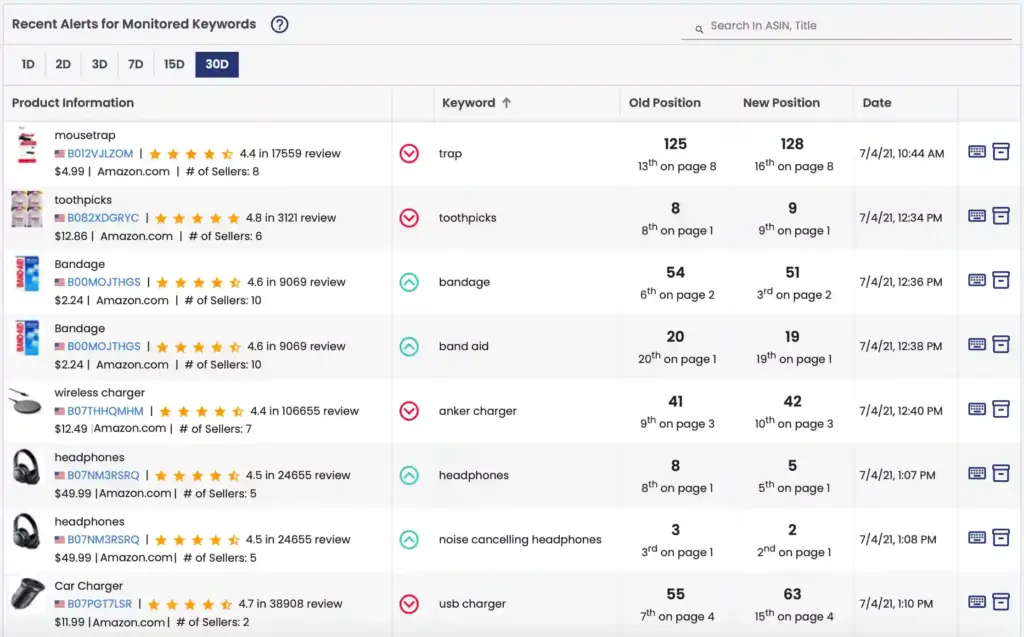
Amazon keyword ranking is simply how high your product appears in search results for a specific search term, like “nonstick frying pan” or “kids stainless steel bottle.” When a shopper types a keyword, Amazon decides which products to show and in what order; your ranking is your position for that exact keyword. For example, #5 on page 1 for “yoga mat for beginners,” but maybe page 3 for “exercise mat”.
How Does Amazon Decide Where You Rank?
Amazon ranks your listings using two main metrics: relevance and performance. Relevance measures how well your product matches a shopper’s search query. You should use keywords naturally in your title and bullets so the system understands your product category. Performance tracks how shoppers act, specifically looking at your click-through and conversion rates.
The algorithm favors products that convert clicks into sales. If shoppers choose your item over others, your organic ranking will rise. Amazon prioritizes listings that generate the most revenue per search. You should use high-quality images and clear descriptions to maintain a high conversion rate and stay at the top of search results.
How Ranking Signals Shifted With The A10 Algorithm?
If you have been selling on Amazon for a while, you have probably noticed that the old ranking tricks just do not work anymore.
For years, the old A9 algorithm kept things simple: it prioritized sales velocity above everything else. The logic was easy to follow: the more you sold, the higher you ranked. This created a loop where top-sellers easily held onto page one, no matter how much organic interest they actually generated.
But as the marketplace grew more crowded and competitive, the rules had to change. Amazon introduced the A10 algorithm to connect shoppers with products they actually want to buy and keep, rather than items that simply bought their way to the top with aggressive ads.
While making sales is still crucial, A10 looks at the big picture of your product’s true value. Today, the algorithm heavily rewards organic engagement, external traffic, and your overall seller reputation.
What does this transition mean for your business? Even though Amazon’s ad revenue is massive, reaching about $68.6 billion in 2025, the algorithm is increasingly designed to reward organic performance.
If you are relying solely on Pay-Per-Click (PPC) campaigns without building up your external traffic and customer engagement, you might find your Amazon keyword ranking stuck, no matter how much you spend on ads. To win in the A10 ecosystem, you need to build a brand that shoppers naturally trust, click on, and seek out.
How Do You Build A High-Performance Amazon Listing?
Mastering your Amazon keyword ranking is still the absolute foundation of your Amazon SEO strategy. But with AI-driven search assistants like “Rufus” and “Cosmo” now interpreting exactly what your customers want, the old days of simply matching exact keywords are over.
Today, you need a smarter, more nuanced approach. Your goal is to build a mix of search terms that captures broad interest, hits specific customer needs, and rides the wave of emerging market trends.
How to Build a Tiered Keyword System? The most successful sellers organize their search terms into tiers. This ensures your listing gets seen by massive crowds while also capturing those highly specific, ready-to-buy shoppers. Here is how you should break it down for your own brand:
- Tier 1: Core “Money” Keywords: These are the high-volume, highly relevant terms that define exactly what you are selling (like “coffee maker”). Yes, they are highly competitive and expensive to target with PPC, but you absolutely need them to grab your share of the main market demand.
- Tier 2: Long-Tail Keywords: These are specific, multi-word phrases (like “stainless steel drip coffee maker with timer”). They usually have lower search volumes, but their conversion rates are incredibly high. Why? Because a shopper typing this in knows exactly what they want and is practically holding their credit card.
- Tier 3: Experimental and Trend Keywords: This tier is your testing ground for emerging search trends, seasonal spikes, and even competitor brand names (where Amazon allows them in your backend search terms).
Do Your Amazon Product Images Make Customers Click?
Amazon is a highly visual platform. In fact, studies show that over 75% of shoppers rely on product images to make their final buying decisions. Optimizing your visuals directly boosts your Click-Through Rate (CTR). And remember, the A10 algorithm treats a high CTR as a massive green light that your listing is exactly what buyers are looking for.

Here is how you should structure your image gallery to support your Amazon keyword ranking, win the click, and get the sale:
- Your Main “Hero” Image: This is your vital first impression. It must be on a pure white background and typically around 2000 x 2000 pixels to unlock Amazon’s Zoom feature, which is a huge trust-builder for shoppers who want to closely inspect the quality of your item.
- Your Secondary Images: Do not just upload five more angles of your product on a white background. You need a strategic mix of lifestyle shots, feature callouts (infographics), and size comparisons. Lifestyle images help customers picture the product in their own daily lives, while infographics quickly explain complex benefits that shoppers might skip over in your text.
- Mobile-Ready Design: With more than half of Amazon’s traffic coming from mobile devices, your images must look amazing on a small screen. Make sure your graphics are legible and impactful by using high contrast and large, bold text overlays on your secondary images so mobile shoppers do not have to squint.
How Can External Traffic Boost Your Amazon Keyword Ranking?
In the A10 era, simply relying on Amazon’s internal search is not enough to secure and hold a top spot. To truly succeed, you need a multi-channel strategy. Remember, A10 values organic sales much more heavily than PPC-driven sales, and Amazon actively rewards you for bringing in fresh shoppers from outside their ecosystem.
The Power of External Traffic
Amazon loves it when you do their marketing for them. If you can drive highly engaged traffic from social media, email campaigns, or influencer partnerships, the algorithm gives your Amazon keyword ranking a massive boost. Why? Because off-Amazon traffic proves your product has a strong, real-world brand reputation.
Here is how you should be driving that outside traffic:
- Social Commerce: Partnering with creators on TikTok, Instagram, and YouTube is no longer just a trend; it is essential for a successful product launch today.
- Google Ads to Amazon: Sending high-intent buyers from a Google search straight to your Amazon listing is a fantastic way to speed up your indexing and build early sales velocity.
- Amazon Attribution: You cannot improve what you do not measure. Make sure you are using Amazon Attribution tags to track exactly which off-Amazon clicks are actually turning into profitable sales.
Strategic PPC Management
Even though the A10 algorithm cares a bit less about paid ads for your long-term organic ranking, PPC is still your absolute best friend for building initial momentum. A smart, modern PPC strategy should focus on three main things:
- Launch Velocity: During your first 2–3 weeks of launch, you need to bid aggressively on your primary keywords. This generates the crucial initial sales and reviews the algorithm needs to see before it starts ranking you organically.
- Defensive Branding: Do not let competitors steal your hard-earned customers! Always bid on your own brand name so another seller cannot hijack the top ad spot when shoppers specifically search for you.
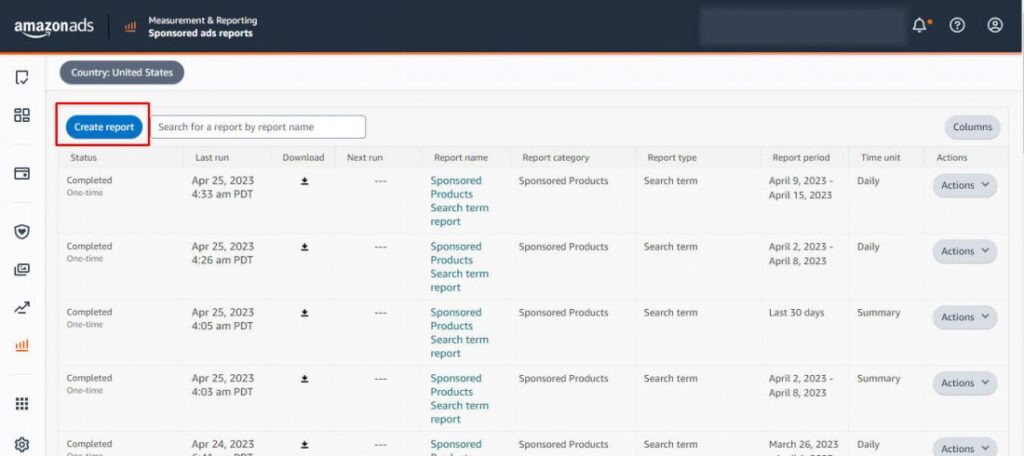
- Search Term Harvesting: Make it a habit to regularly download your Search Term Reports. You want to hunt down those hidden, high-converting keywords and move them into exact-match campaigns, or drop them right into your backend search terms.
Are Your Logistics And Reviews Protecting Your Amazon Top Rank?
Getting to page one is a huge win, but your ranking is never a “set-it-and-forget-it” achievement. It is actually quite fragile. If you want to hold onto your hard-earned spot, you have to run a tight ship operationally. The two fastest ways to tank your Amazon keyword ranking? Running out of stock and getting hit with a sudden spike in negative reviews.
Keeping Your FBA Inventory in the Sweet Spot
Amazon’s algorithm cares about the customer experience above all else, and that means getting products to buyers fast. To avoid severe ranking penalties, you should always aim to keep around 30 to 60 days of inventory stocked within the FBA network.
If your stock levels drop below approximately 10 to 14 days of coverage, the A10 algorithm gets nervous. It might preemptively lower your ranking just to slow down customer demand and prevent you from going on backorder. Do not let logistics ruin your SEO hard work!
Building Your Review Ecosystem
Social proof is a massive trust signal for the A10 algorithm. You cannot just wait around and hope for good reviews; you need to proactively manage your reputation. Here are three proven ways to do exactly that:
- Amazon Vine: Enroll your newly launched products in this program. It is one of the safest and fastest ways to get those crucial early reviews from Amazon’s hand-picked “Vine Voices.”
- The “Request a Review” Button: Do not be shy about asking for feedback! Make it a habit to use Amazon’s official, automated system to gently remind your buyers to share their experience.
- Stellar Customer Service: The best way to handle a negative review is to stop it before it even happens. Be highly responsive to customer messages so you can fix their problems privately before they take their frustration to your public review section.
What Ranking Mistakes Must You Avoid This Year?
As Amazon’s algorithm gets smarter every year, those old “black hat” tricks and lazy optimizations will only get your listing penalized. To protect your Amazon keyword ranking and keep your sales flowing, here are the major pitfalls you absolutely must avoid:
Stop Keyword Stuffing to Save Your Rank
Crowded listings look like spam to modern shoppers. Because these titles are hard to read, your click-through rate will drop. Amazon interprets low interest as a sign of poor relevance and pushes your product down the search results.
You should use your main keyword once in the title and write the rest for humans to encourage more clicks. If you sell a stainless steel water bottle, avoid a title like “Water Bottle Stainless Steel Metal Water Bottle Leakproof Water Bottle.” You should write “24oz Insulated Stainless Steel Water Bottle with Leakproof Straw Lid” instead.
Capture High-Intent Buyers with Long-Tail Terms
Specific phrases containing three to five words convert 2.3 times better than broad terms. These shoppers know exactly what they want and usually buy immediately. While broad keywords attract window shoppers, long-tail terms find actual buyers who are ready to spend.
You can lower your ad costs and increase efficiency by focusing on these high-intent phrases. For instance, you should target “organic lavender essential oil for sleep” rather than just the word “oil.” This strategy ensures your product appears to the specific customer looking for your exact solution.
Audit Your Search Terms Every 90 Days
Consumer trends shift quickly in 2026. Because of this, a listing that performed well six months ago might lose its edge today. You should audit your search term reports every 90 days to find new buying patterns.
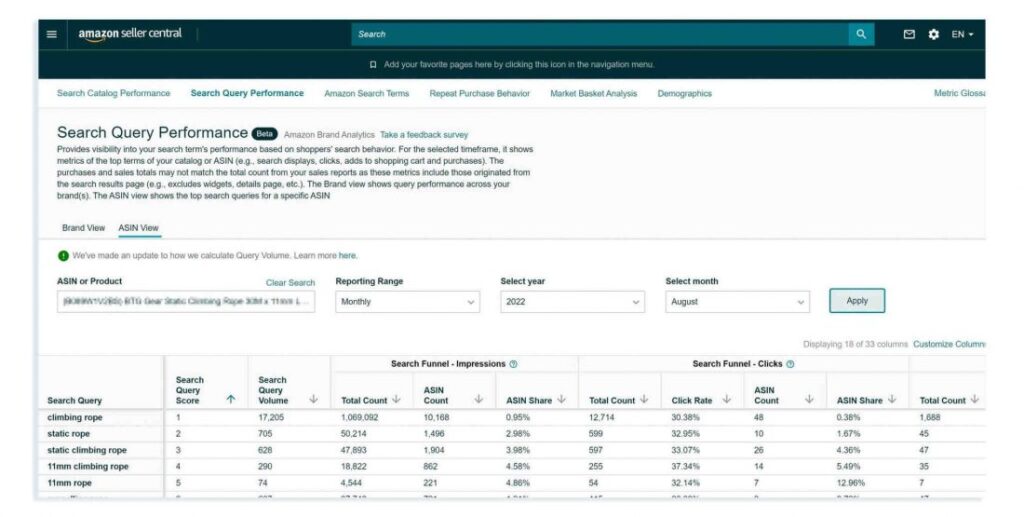
If you refresh your backend keywords once per quarter, you will stay ahead of newer brands entering your category. You might discover that shoppers are now searching for “aesthetic desk mats” instead of just “large mouse pads.” Updating your copy to reflect this shift keeps your product modern and relevant.
Protect Your SEO with 21 Days of Stock
Running out of inventory stops your sales velocity and destroys your organic ranking. It often takes weeks to recover your position once your stock hits zero. Keeping 21 to 28 days of inventory in the FBA network protects your SEO progress.
If your supply drops too low, lower your ad bids to slow down sales while you wait for a shipment. Imagine your top-selling yoga mat falls to 15 units of stock with a 10-day shipping delay. You should immediately pause your “Yoga Mat” broad match campaigns to stretch that inventory until the new pallet arrives.
Use Negative Keywords to Improve Efficiency
Bidding on irrelevant keywords wastes your budget and lowers your conversion rate. Since Amazon tracks these metrics, poor performance will eventually reduce your visibility across the platform.
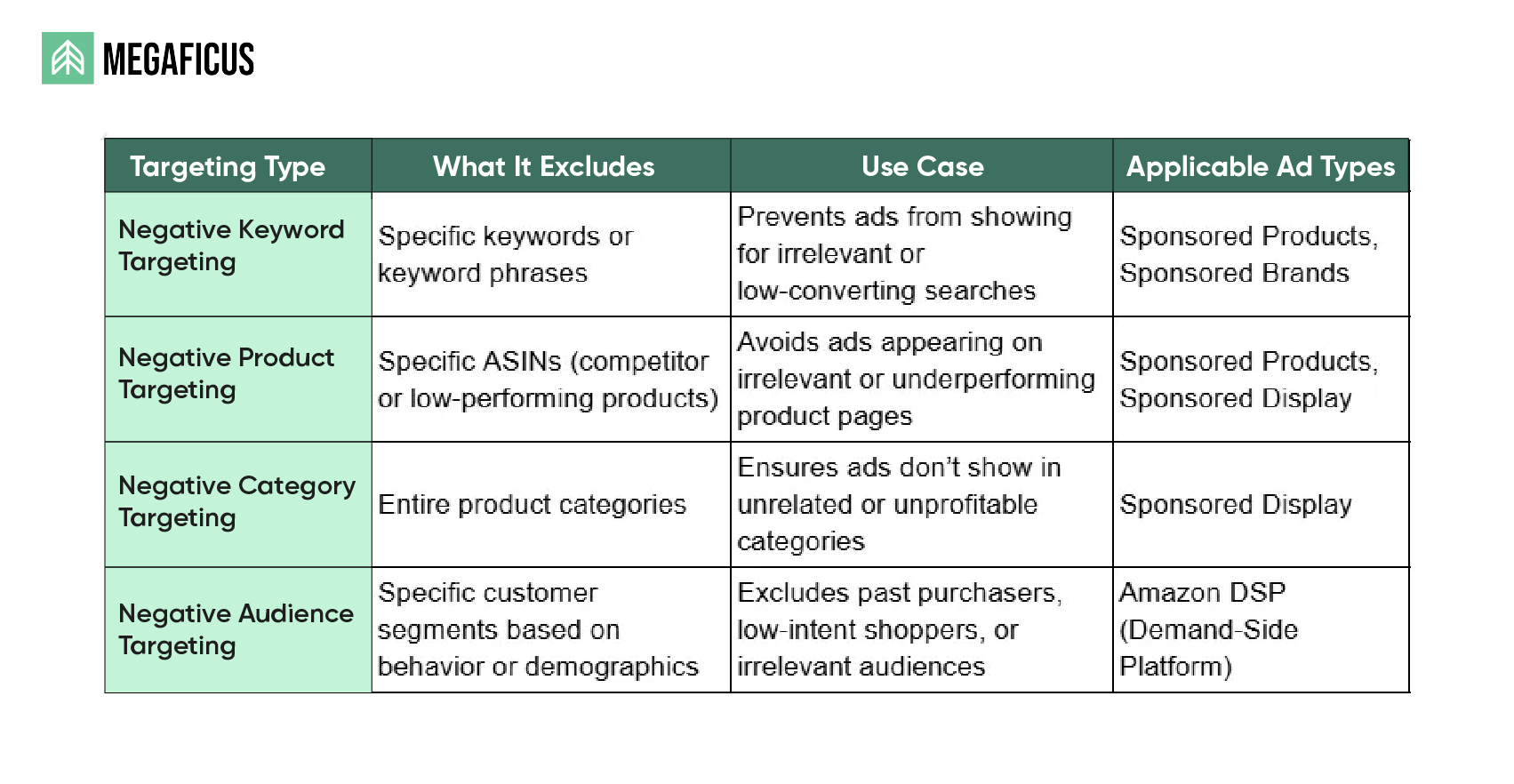
You should use Brand Analytics to identify terms that do not fit your product. Adding these to a negative keyword list ensures your money only targets high-intent buyers who are ready to purchase. If you sell premium $80 leather belts, you should add “cheap” and “plastic” as negative keywords. This prevents you from paying for clicks from bargain hunters who will never buy your luxury item.
Bonus: How to Unlock Amazon’s Product Opportunity Explorer (OX)
If you aren’t using the Product Opportunity Explorer (OX) yet, you are missing out on one of Amazon’s most powerful analytical tools today. By grouping search terms into “niches” based on how customers actually shop and discover products, OX gives you a crystal-clear look at real market demand and exactly how tough the competition is.
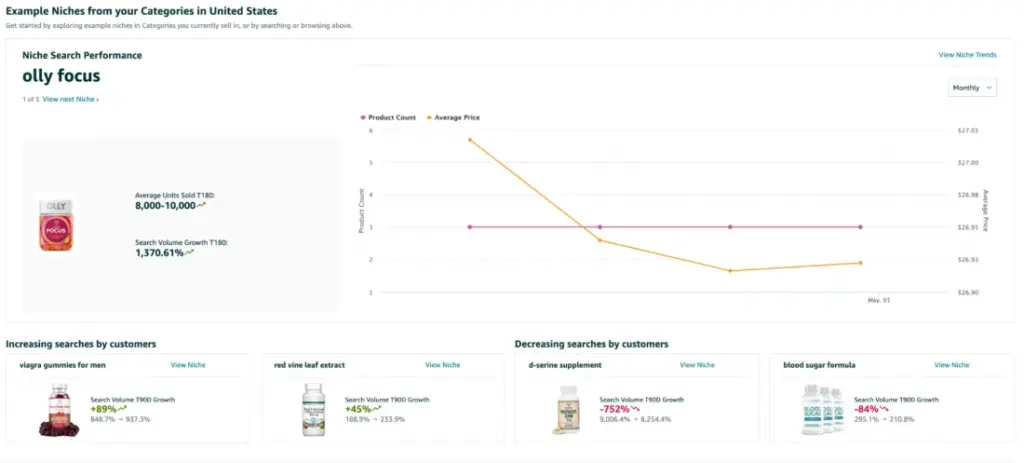
Here is a quick cheat sheet on how to use it:
- Niche Search Terms: Discovering customer intent. Shows search volume, click share, and the conversion rate per term.
- Purchase Drivers: Knowing what features matter. Shows how specific details (like size or material) actually impact sales.
- Review Insights: Finding gaps in the market. A clear breakdown of what customers love (and hate) in reviews.
- Trends Tab: Predicting seasonal shifts. Historical pricing, search volume, and conversions, typically over a 90-day period.
- Insights Tab: Sizing up the competition. The percentage of Prime products and Sponsored ads in your niche.
Pay special attention to the Purchase Drivers tab. It is an absolute goldmine. It tells you exactly which product features are driving sales and which ones are hurting them.
You can use this data not just to pick better terms for your Amazon keyword ranking, but to actually tweak your product development to perfectly match what buyers are eagerly looking for.
Frequently Asked Questions (FAQs)
The A10 algorithm now heavily rewards organic engagement, external traffic, and your seller reputation. It works to connect shoppers with products they want to keep, not just the ones that bought the top spot with aggressive advertising.
The A10 algorithm gives a massive boost to your rank when you bring in outside traffic. Off-Amazon sources like social media or Google Ads prove your product has strong, real-world brand authority. Amazon actively rewards you for marketing their platform and bringing in fresh shoppers.
You need a smart tiered system for long-term success. Use Core Keywords for high-volume, defining terms. Use Long-Tail Keywords, specific, multi-word phrases, to capture shoppers who are ready to buy. Finally, use Experimental Keywords to test emerging search trends and seasonal terms.
The Explorer groups search terms into “niches” to show you real market demand. It provides clear data on search volume, click share, and conversion rate per term. Pay special attention to the Purchase Drivers tab. This tells you which product features actually drive sales or hurt them.
Ranking is fragile. You must avoid two main pitfalls. First, strictly manage your FBA inventory to avoid running out of stock, which causes a massive drop in your rank. Second, proactively manage reviews. Use programs like Amazon Vine to build crucial early reviews and offer excellent customer service to prevent negative feedback.
Get Professional Help from Megaficus
Today’s Amazon marketplace is incredibly smart. As AI continues to change how people shop on Amazon, making searches much more conversational and intent-driven, building a real, authoritative brand is only going to become more crucial.
To get your products seen, you need to master both the technical data and human psychology. The roadmap to ranking success is actually quite simple: focus obsessively on what the customer wants, and the algorithm will reward you with the visibility and massive sales volume you deserve.