

How can a winning Amazon marketing strategy help you outperform millions of sellers in 2026? Success demands strategic SEO optimization, targeted PPC, brand positioning, and customer retention. Megaficus reveals the proven Amazon marketing strategies that drive visibility, conversions, and sustainable growth for top brands.
Quick Summary
- The 4Ps of Amazon’s marketing strategy: Product diversity with private labels, competitive algorithmic pricing, global distribution network, and multi-channel promotional campaigns.
- Core marketing strategies: Customer-centric personalization, AI innovation, global expansion, content marketing via Prime Video and reviews, data-driven decisions, and omnichannel integration.
- Multi-channel customer reach: Digital channels (website/app, social media, email, affiliate, SEO, PPC) combined with traditional media (TV, radio, print) for comprehensive coverage.
- Key marketing trends: Mobile-first optimization (60% traffic), video content for higher conversions, and niche influencer partnerships over follower count.
- Implementation challenges: Balancing advertising costs with ROI and navigating Amazon’s strict platform limitations on targeting and placements.
- Applying Amazon principles: Prioritize customer experience, use data-driven decisions, foster innovation through feedback, expand markets strategically, and build omnichannel systems.
- Megaficus services: Product launches, PPC/SEO optimization as Verified Ads Partner, A+ content, promotions guidance, and seasonal strategies.
What Are The 4Ps Of Amazon’s Marketing Strategy?
Understanding the foundational elements of Amazon’s approach starts with the classic 4Ps marketing framework adapted for e-commerce success.
Product Strategy At Amazon
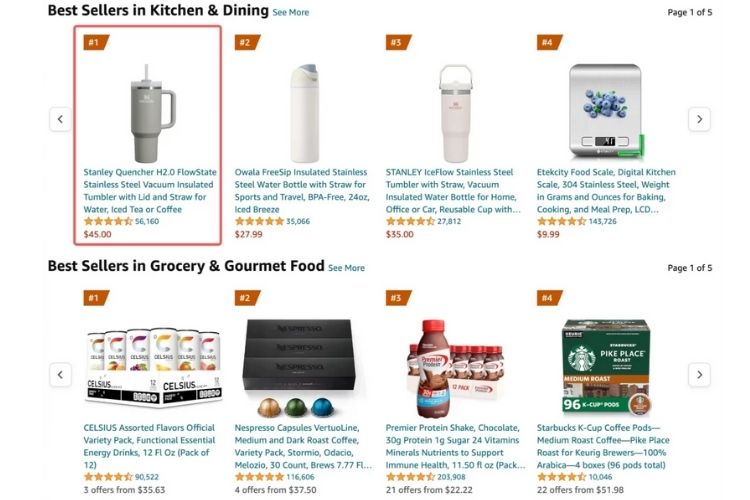
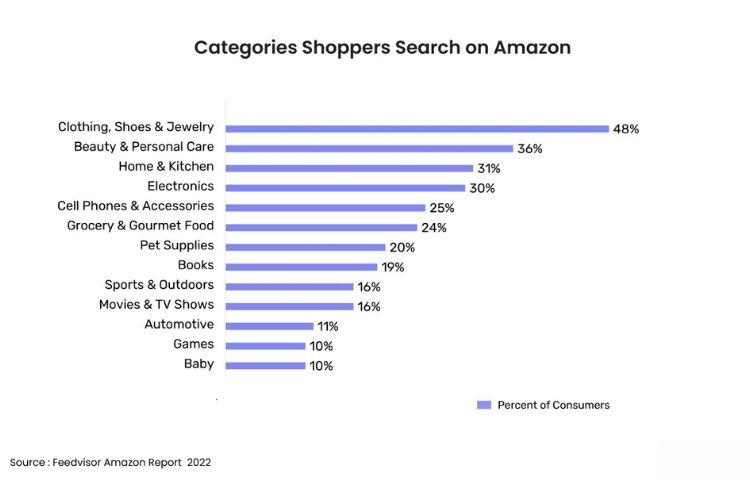
Amazon began as an online bookstore in 1994 but has transformed into a massive marketplace offering products across countless categories. Today, the platform features everything from electronics and kitchen appliances to clothing, jewelry, and automotive parts.
Popular segments include home goods, sporting equipment, toys, outdoor gear, and even fine art. Additionally, Amazon showcases products from third-party sellers while building its private label brand, Amazon Basics, which competes directly in multiple product verticals.
How Amazon Approaches Pricing
Multiple pricing strategies exist in e-commerce, including cost-based, value-based, competitive, and tiered approaches. Amazon focuses primarily on competitive pricing, where its algorithms continuously track competitor rates. When rival prices shift, Amazon adjusts automatically to maintain its market position.
The company enhances this foundation with promotional campaigns and behavior-driven pricing. Promotions create buying urgency while behavioral analysis optimizes rates based on purchase data. Automated systems modify prices multiple times daily across millions of listings, establishing advantages traditional competitors cannot match.
Amazon’s Distribution And Placement Strategy
Amazon’s marketplace has achieved substantial international growth over recent years. Customers worldwide now access millions of products regardless of their geographic location. The company delivers packages efficiently even to remote regions previously underserved by e-commerce.
This success stems from Amazon’s sophisticated logistics network and strategically positioned fulfillment centers. Warehouse locations near population centers enable faster shipping times. The distribution infrastructure provides competitive advantages that traditional retailers struggle to replicate.

Amazon’s Promotional Marketing Approach
Amazon utilizes comprehensive promotional strategies across multiple communication channels. The approach combines digital advertising, traditional media, and affiliate partnerships to maximize market penetration.
Discount campaigns and limited-time offers drive customer acquisition while strengthening brand presence. These promotional tactics appear on social media, search platforms, television, print media, and outdoor advertising. Partner networks amplify reach through commission-based affiliate marketing programs.
What Core Marketing Strategies Does Amazon Use?
Amazon’s dominance stems from several interconnected marketing strategies that work together to create a seamless customer experience and drive massive growth.
Building A Customer-Centric Marketing Model
Amazon analyzes customer behavior to deliver personalized recommendations and complementary product suggestions. Additionally, the platform drives cross-selling through targeted algorithms.
The company simplifies returns and provides multi-channel support. Therefore, this customer-first model reduces acquisition costs while generating repeat purchases and referrals effectively.
Leveraging Innovation And Technology In Marketing
Amazon deploys advanced technologies, including voice assistants and AI-driven personalization to enhance customer engagement. Additionally, cashier-less Amazon Go stores utilize computer vision and automated checkout systems for seamless shopping experiences.
The company optimizes operations through AI-powered inventory forecasting and automated stock replenishment processes. Furthermore, experimental drone delivery technology aims to accelerate shipping times while reducing logistics costs significantly.
Amazon’s Global Market Expansion Tactics
Amazon expands through strategic acquisitions like Whole Foods, integrating physical retail with e-commerce operations. Additionally, the company enters emerging markets by partnering with local sellers and adapting products to regional preferences.
The platform continuously diversifies product categories from books to electronics, apparel, and proprietary devices. Furthermore, Amazon Prime membership creates ecosystem loyalty by bundling shipping benefits, streaming content, and exclusive deals together.

How Amazon Executes Content Marketing
Amazon leverages multiple content strategies to build engagement, trust, and ecosystem loyalty. The company invests in original productions, facilitates user feedback, and empowers independent creators across platforms.
Amazon leverages several key content marketing initiatives to engage customers and build brand authority:
- Amazon originals: Exclusive Prime Video shows and movies differentiate the streaming service from Netflix and Hulu while retaining Prime subscribers. High-quality productions like award-winning series attract viewers and strengthen brand positioning.
- User-generated reviews: Customer ratings and detailed feedback create transparency that builds marketplace trust. Shoppers rely on peer opinions more than brand descriptions when making purchase decisions confidently.
- Kindle Direct Publishing (KDP): A self-publishing platform enables independent authors to distribute books globally through Amazon’s ecosystem. This democratized approach revolutionized traditional publishing while expanding Kindle’s content library significantly.
Making Data-Driven Marketing Decisions
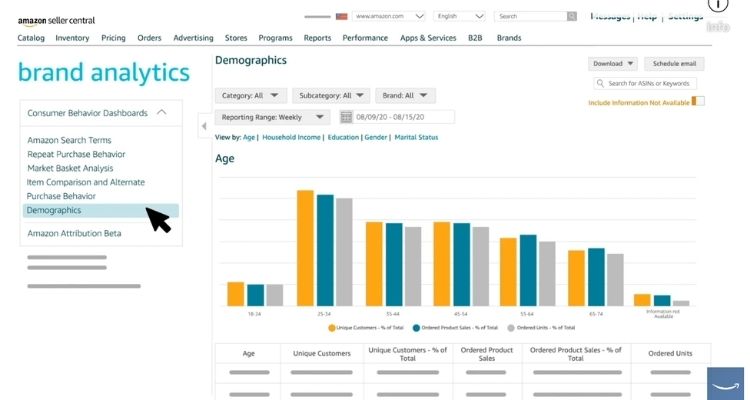
Amazon analyzes browsing patterns and purchase history to generate personalized product recommendations for individual users. Additionally, predictive analytics forecast seasonal demand trends, enabling optimized inventory planning and targeted promotional campaigns.
The company leverages customer behavior data to refine its Amazon Ads platform for advertisers. Businesses access detailed targeting options based on search patterns, demographics, and purchasing habits. Therefore, targeted advertising placements increase conversion rates while maximizing return on investment for business partners effectively.
Creating An Omnichannel Marketing Experience
Amazon provides unified shopping across the website, mobile app, and physical stores simultaneously. Customers access synchronized accounts and payment methods regardless of the device used. Additionally, shoppers can start purchases online and complete transactions in-store seamlessly.
The company integrates Amazon Go and Whole Foods into its digital ecosystem. Physical stores offer cashier-less checkout while connecting to online accounts automatically. Furthermore, in-store purchases sync with digital order history for complete transaction visibility.
Amazon optimizes mobile interfaces, ensuring fast loading and intuitive smartphone navigation. The platform collects cross-channel customer data to deliver personalized marketing campaigns. Therefore, shoppers receive targeted emails and customized advertisements based on browsing patterns.
How Amazon Reaches Customers Through Multiple Channels
Amazon leverages both digital platforms and traditional media to maximize customer reach across demographics. The company integrates online tools with offline advertising to create comprehensive brand visibility.
Digital Marketing Channels
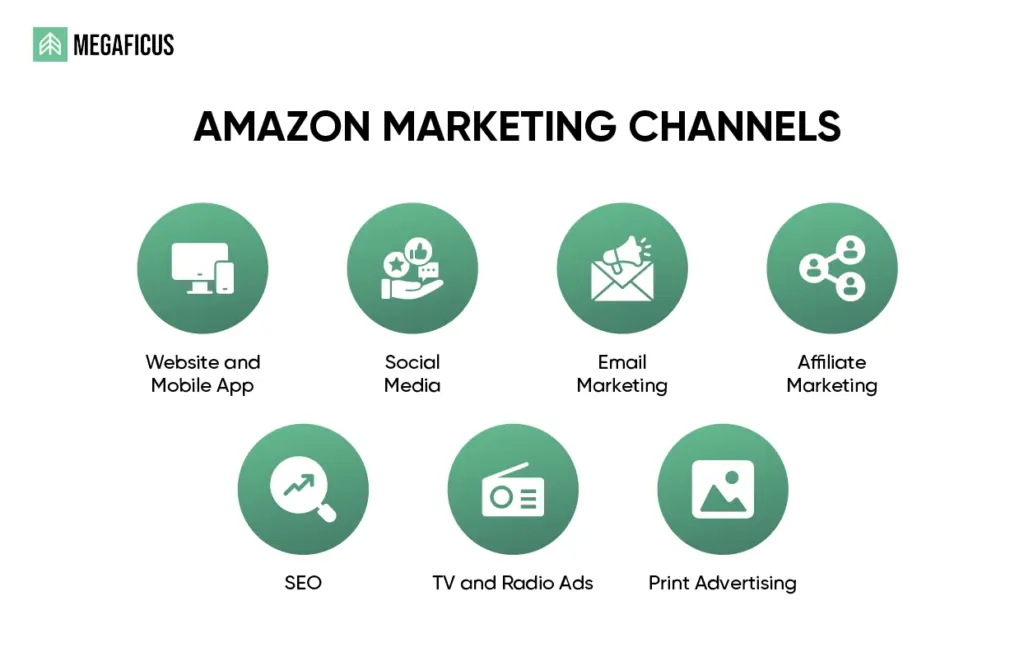
Amazon’s primary digital marketing channels include:
- Website and Mobile App: Amazon’s primary sales platforms deliver personalized shopping experiences through AI-driven recommendations and streamlined checkout processes. The mobile app optimizes navigation for smartphone users with fast loading speeds.
- Social Media Marketing: Amazon actively engages audiences across multiple platforms like Facebook, Twitter, Instagram, YouTube, and Pinterest.
- Email Marketing: Personalized campaigns deliver targeted offers, product recommendations, and exclusive deals based on customer browsing history and purchase patterns.
- Affiliate Marketing: The Amazon Associates Program enables content creators and publishers to monetize recommendations through customized linking tools. Partners earn commissions by promoting products aligned with their audience’s interests.
- Search Engine Optimization: Amazon optimizes product listings and content pages to drive organic traffic from search engines, increasing discoverability.
- Pay-Per-Click Advertising: Sponsored Product ads increase visibility in search results. Display ads encourage customers to explore complementary items. Headline Search ads boost brand awareness at the top of results pages.
Traditional Marketing Channels
Amazon maintains presence through television and radio advertisements for broad audience reach and brand recognition. Additionally, the company utilizes print advertising including product catalogs and direct mail campaigns for targeted seasonal promotions.
Therefore, combining digital innovation with traditional methods creates comprehensive market coverage that competitors struggle to replicate.
What Marketing Trends Should Sellers Watch On Amazon?
Staying ahead of emerging trends is crucial for maintaining competitive advantage as Amazon’s marketplace continues to evolve rapidly.
Amazon’s Mobile-First Shopping Revolution
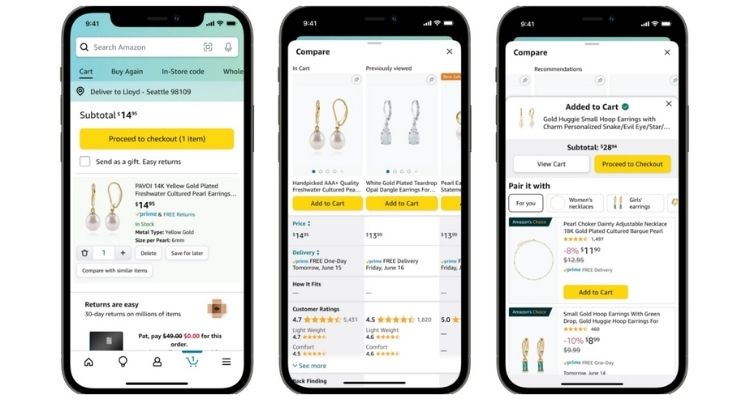
Mobile devices generate 60% of Amazon’s traffic, with smartphone users accounting for over 53% of Prime Day 2025 sales. Additionally, 75% of seller platform visits originate from mobile rather than desktop devices.
Successful mobile listings feature high-resolution images that display clearly without pixelation or excessive zooming requirements. Bullet points must highlight benefits concisely using scannable formatting for quick comprehension.
Furthermore, testing loading speeds across iOS and Android platforms prevents conversion losses from slow performance. Therefore, mobile-first optimization directly impacts sales performance and competitive positioning on Amazon’s marketplace.
Using Video Content and Influencer Marketing Effectively
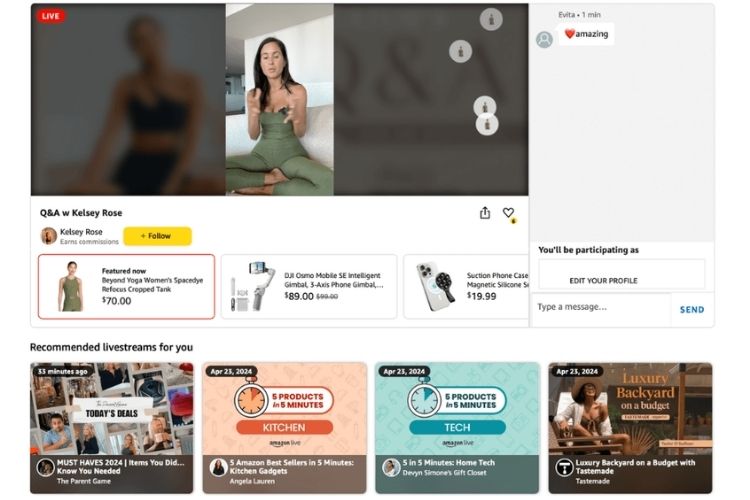
Video content drives significantly higher conversion rates than static images on Amazon product pages. User-generated videos including unboxings, product demonstrations, and customer testimonials build authentic trust with potential buyers.
Additionally, effective videos deliver core messaging within the first five seconds and maintain optimal length between 15-20 seconds for maximum engagement.
Modern influencer partnerships prioritize niche expertise over follower count metrics for better results. Brands achieve higher ROI through long-term collaborations with creators who genuinely understand specific product categories.
Furthermore, featuring authentic UGC prominently on product pages and advertising campaigns significantly improves sales performance and customer trust.
What Are The Biggest Challenges In Implementing Amazon’s Marketing Approach?
While Amazon’s marketing strategies are proven effective, sellers face significant obstacles when adapting these approaches to their own businesses.
Finding The Right Balance Between Cost And ROI
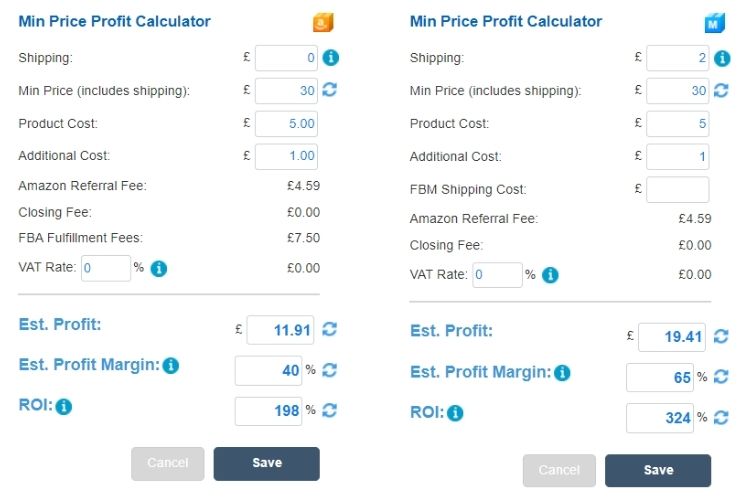
Amazon sellers struggle to maintain profitable advertising while controlling escalating campaign expenses on the pay-per-click platform. Costs increase rapidly when campaigns lack continuous monitoring and strategic bid adjustments throughout the month. Additionally, tracking Advertising Cost of Sales percentages helps determine whether ad spending generates acceptable profit margins or drains resources unnecessarily.
Successful sellers analyze performance metrics weekly to identify underperforming keywords and optimize budget allocation effectively. Therefore, aligning advertising investments with revenue targets and business objectives ensures sustainable growth rather than temporary sales spikes.
Working Within Amazon’s Advertising Limitations
Amazon’s advertising platform enforces strict constraints on placement options, audience targeting parameters, and content format specifications. Sponsored Display campaigns offer predetermined targeting categories with minimal flexibility for custom audience segmentation strategies.
Additionally, Sponsored Brands Video content must comply with rigorous technical requirements and content policies before approval.
These operational boundaries force sellers to redesign marketing approaches to match Amazon’s framework rather than implementing preferred tactics. Therefore, successful advertisers balance creative vision with platform compliance requirements to achieve campaign objectives effectively.
How To Apply Amazon Marketing Principles To Your Business
Translating Amazon’s proven strategies into actionable steps can transform your brand’s performance on the marketplace.
Prioritize Customer Experience Above All
Amazon’s success demonstrates that customer-centric operations drive long-term profitability more effectively than short-term revenue tactics. Businesses can adopt three fundamental strategies:
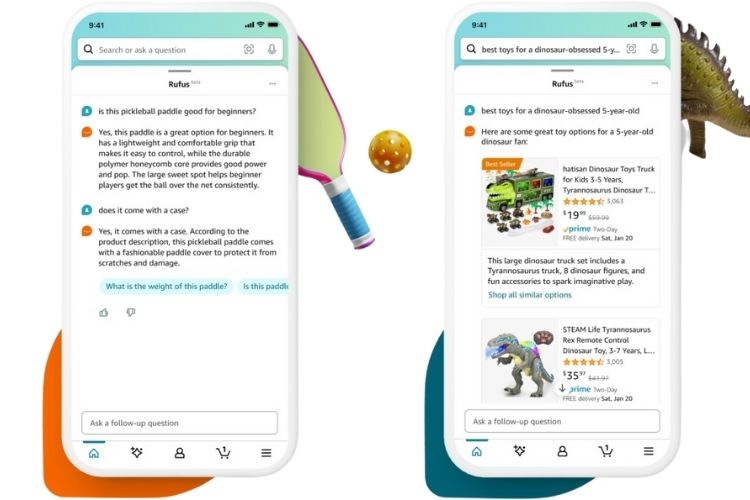
- Deploy AI for personalization: Implement machine learning algorithms that analyze browsing patterns, purchase history, and search behavior to deliver customized product recommendations. Track customer data continuously to refine suggestion accuracy and relevance over time.
- Simplify returns and support processes: Create hassle-free return policies with prepaid labels and instant refunds that remove purchase anxiety. Provide multiple support channels, including chat, email, and phone to ensure customers receive assistance through their preferred method.
- Segment audiences for targeted communication: Analyze customer purchase data to create specific audience groups based on behavior patterns and preferences. Send personalized email campaigns featuring complementary products that align with previous buying decisions rather than generic promotional blasts.
In practice, Amazon deployed AI-powered chatbots that reduced average customer service response time by 30% while handling millions of daily inquiries.
Furthermore, internal data shows 90% of customers who experienced positive service interactions made repeat purchases, demonstrating that investing in customer experience directly impacts retention and revenue growth.
Use Data To Drive Your Marketing Decisions
Amazon’s data-driven culture proves that measurable insights outperform intuition-based strategies consistently:
- Deploy CRM systems: Track customer interactions and purchase patterns across all touchpoints. Use this data to segment audiences and measure campaign performance against conversion benchmarks.
- Run continuous A/B Testing: Test ad copy, page layouts, and email elements systematically. Let actual user behavior determine winners rather than personal preferences or assumptions.
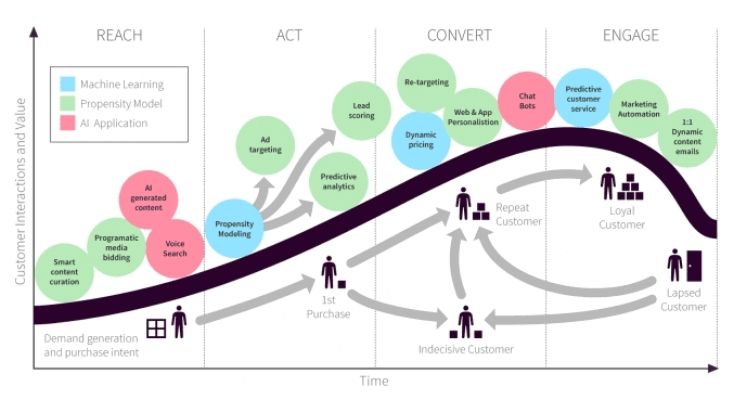
- Adopt predictive analytics: Use forecasting tools to identify trends and anticipate customer needs. Plan campaigns proactively based on data patterns instead of reactive guesswork.
Amazon’s early 2000s faced weekly “homepage placement wars” where category VPs fought loudly for prime real estate. Matt Round, Amazon’s Director of Personalization, described these Friday meetings as “too long, too loud, and lacking performance data”.
Amazon resolved this by implementing their “Data Trumps Intuitions” philosophy, automated A/B testing systems that let consumer behavior decide placements in real-time.
Foster Continuous Innovation In Your Marketing
Amazon maintains market leadership by systematically converting customer feedback into product improvements and adopting emerging technologies ahead of competitors:
- Mine Customer Feedback for Product Ideas: Analyze reviews, ratings, and support tickets to identify recurring pain points. Use this qualitative data to guide product development decisions and feature prioritization systematically.
- Adopt Technologies That Solve Real Problems: Evaluate emerging technologies based on customer benefit rather than novelty. Invest in innovations that eliminate friction points or create measurable improvements in user experience.
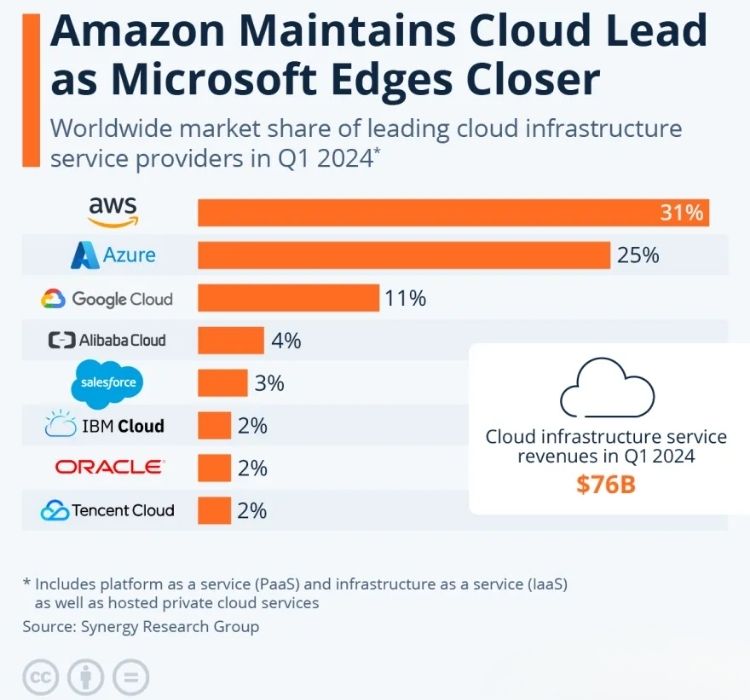
For instance, AWS launched in 2006 after Amazon’s internal engineering teams repeatedly requested better cloud infrastructure for their own projects. Leadership recognized this internal friction as a broader market signal rather than dismissing it as a niche need.
Today, AWS generates approximately $108 billion annually and commands 31% of the global cloud market, making it Amazon’s most profitable division.
Expand Your Market Strategically
Identify new markets and product categories to diversify your business. By expanding your reach, you can capture a larger share of the market and drive growth.
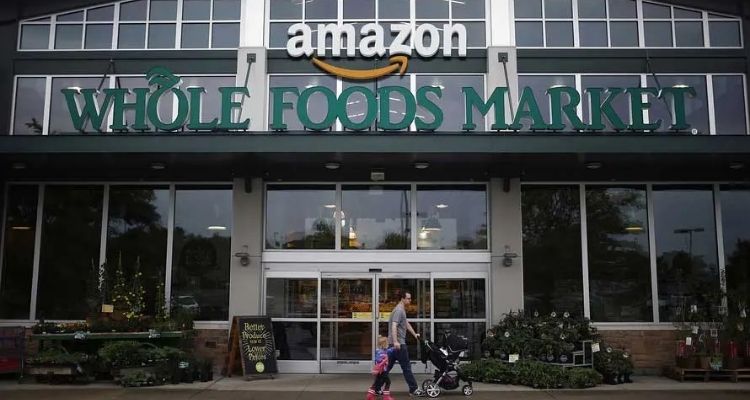
In 2017, Amazon acquired Whole Foods for $13.7 billion, gaining about 460-470 physical stores and expanding into grocery retail. The deal shocked the market, with rivals like Kroger dropping 9-15% and the sector losing $20-30 billion in market cap initially.
Despite aggressive price cuts, Whole Foods’ sales grew only in low single-digits in 2018, with challenges in inventory management and cultural clashes between Amazon’s data-driven style and Whole Foods’ decentralized approach.
Build An Integrated Omnichannel Marketing System
Ensure a seamless shopping experience across all touchpoints. By providing a consistent and integrated experience, you can improve customer satisfaction and drive sales.
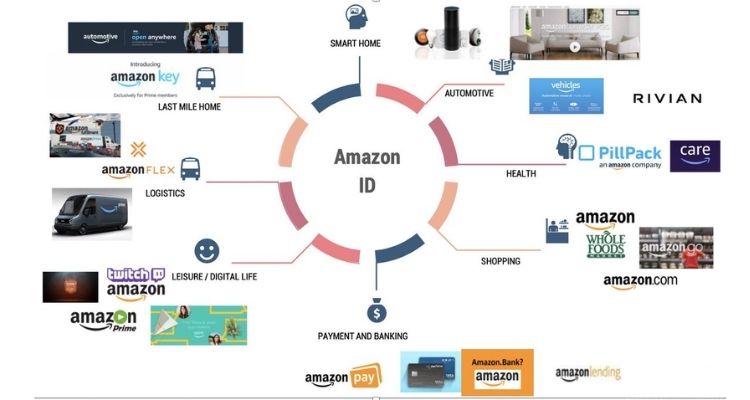
Amazon Prime solves the challenge of connecting customer data across different channels and devices. The membership acts as a unified login that tracks customer behavior, whether they shop via mobile app, website, Alexa, or physical stores like Amazon Go. This integration enables personalized recommendations and seamless experiences everywhere.
As a result, Prime achieves 98% retention after two years, and members spend $1,170 annually compared to $570 for non-members. Additionally, 85% of Prime members visit Amazon weekly. Therefore, unified customer data through membership programs drives both loyalty and revenue growth.
How Megaficus Helps Brands Implement Amazon Marketing Strategies
Megaficus helps global brands implement effective Amazon marketing strategies through the following services:
- Product launch and go-to-market strategies: Megaficus assists brands with comprehensive Amazon product launches, including promotional and pricing tactics like early discounts and Amazon promotions to capture the Buy Box and build initial momentum.
- PPC advertising and SEO optimization: As a Verified Amazon Ads Partner based in Vietnam, they help global sellers scale through targeted PPC ads, SEO enhancements, and listing optimizations to drive profitable growth.
- A+ content and store management: They provide services for creating enhanced A+ content and managing Amazon stores to improve visibility and customer engagement.
- Promotions and deals guidance: Megaficus offers expertise in utilizing Amazon coupons, deals, and discounts to boost sales, increase product rankings, and clear inventory effectively.
- Seasonal event strategies: They advise on optimizing for events like Black Friday and Cyber Monday, such as doubling bids on top ASINs and stacking retargeting layers to maximize conversions during peak periods.
- Proven launch tips and guides: Through blogs and resources, Megaficus shares strategies to increase visibility and sales, helping brands navigate Amazon’s competitive landscape.
Frequently Asked Questions About Amazon Marketing Strategy
Targets high-intent buyers, pay-per-click model, premium placement, and builds sales velocity fast. Essential for new product launches and collecting optimization data.
Optimize keywords in titles/bullets, improve conversion with quality images and pricing, maintain inventory, earn reviews, and use PPC to boost sales velocity.
Amazon PPC, social media (Facebook/Instagram/TikTok), influencer marketing, email campaigns, Google Ads, and content marketing. External traffic via Amazon Attribution earns ranking boosts.
Get Professional Help from Megaficus
Mastering your Amazon marketing strategy is essential for building a profitable, sustainable brand on the world’s largest marketplace. The right approach helps you increase visibility, drive conversions, and outperform competitors with data-driven tactics tailored to your business goals.
Contact Megaficus today for expert guidance and customized Amazon marketing solutions that deliver measurable results and long-term growth for your brand.