
What is an Amazon reimbursement audit, and how can it help you recover thousands in lost revenue from fulfillment errors and fee miscalculations? With systematic audit strategies and expert guidance, Megaficus shows you how mastering reimbursement recovery protects your profit margins and ensures Amazon compensates you fairly for operational mistakes.
Quick Summary
- Amazon reimbursement audits systematically review accounts to identify funds owed by cross-referencing inventory, fees, and reports to detect discrepancies like lost inventory or incorrect charges.
- Why audits matter: Amazon’s systems miss many errors, strict filing deadlines mean forfeiting recovery rights, and specific criteria require regular monitoring to capture recoverable funds, impacting profit margins.
- Five audit categories: Customer returns, warehouse operations, financial & fee issues, inventory availability problems, and shipping & transit damage—each addressing specific discrepancies throughout the fulfillment process.
- Step-by-step process: Pull FBA reports, identify red flags using audit tools, file claims with comprehensive documentation, and establish monthly or quarterly audit schedules with consistent tracking.
- Policy updates: Manufacturing cost-based reimbursements reduce recovery by 50-75%, shortened filing windows (60-120 days), stricter documentation requirements, and MCF caps may require third-party insurance.
What Is An Amazon Reimbursement Audit?
An Amazon reimbursement audit is a systematic review process that examines all transactions and operations within a seller’s account to identify funds owed by Amazon. This involves cross-referencing inventory data, service fees, returned orders, and financial reports to detect discrepancies.
Once errors such as lost inventory, incorrectly charged fees, or unreimbursed damaged products are identified, sellers submit claims to Amazon with supporting evidence to recover their losses and maintain accurate financial records.
Why Reimbursement Audits Matter For Amazon Sellers?
Regular reimbursement audits are crucial for protecting your FBA business revenue due to several critical factors:
- Amazon’s automated systems have limitations: The platform’s technology cannot detect every discrepancy across its massive fulfillment network. Many errors remain hidden without manual investigation, causing sellers to lose money on legitimate claims.
- Strict filing deadlines apply: Amazon requires reimbursement requests within 18 months of the incident. Missing this timeframe means permanently forfeiting your right to recover funds, regardless of claim validity.
- Specific qualification criteria exist: Amazon’s policies contain particular conditions that determine which situations qualify for compensation. Without regular audits, you risk overlooking recoverable funds that could significantly impact your profit margins.
Common Reimbursement Audit Categories In Amazon FBA
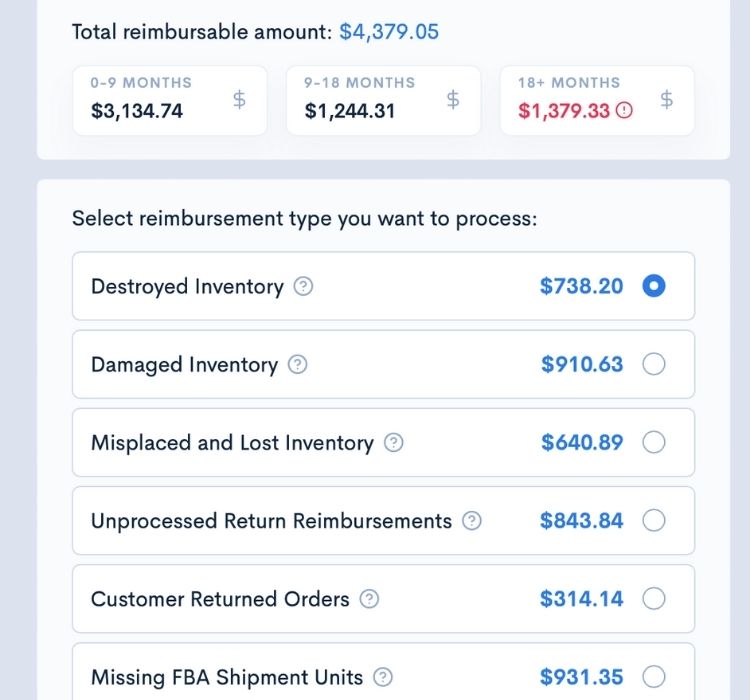
Amazon FBA reimbursement audits can be divided into five distinct categories, each addressing specific types of discrepancies that may occur throughout the fulfillment process:
- Customer returns audit: This category covers issues arising from returned items, including products that come back damaged, returns processed beyond the standard 60-day policy window, refund discrepancies where customers received refunds but items weren’t properly credited, and any overcharges related to return handling fees.
- Warehouse operations audit: This focuses on inventory problems occurring within Amazon’s fulfillment centers, such as products that go missing during storage, items damaged or destroyed while under Amazon’s care, and discrepancies between what you shipped and what Amazon recorded upon receiving your inventory.
- Financial & fee audit: This examination identifies billing errors such as incorrect weight and dimension charges, overpayments on Amazon services, improperly refunded chargebacks, and discrepancies between initial audit amounts and actual charges.
- Inventory availability audit: This category addresses missing stock and removal order problems, particularly when your available inventory count doesn’t match Amazon’s records, or when you request removal of a specific quantity but receive fewer units back than expected.
- Shipping & transit audit: This covers damage or loss occurring during transportation, whether from carrier mishandling of inbound shipments to Amazon’s warehouses, products damaged during removal order fulfillment, or any transit-related incidents that result in inventory loss before reaching customers.
A Step-By-Step Guide To Amazon Reimbursement Audits
Successfully recovering lost funds from Amazon requires a systematic approach. Follow these steps to maximize your reimbursement recovery while maintaining compliance with Amazon’s policies.
Pulling And Reviewing Amazon FBA Reports
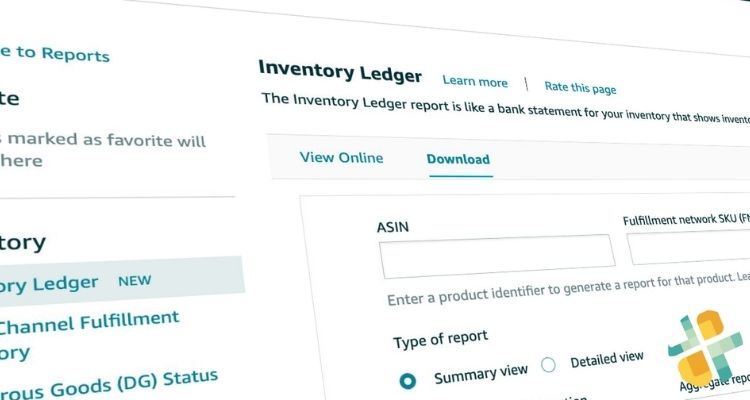
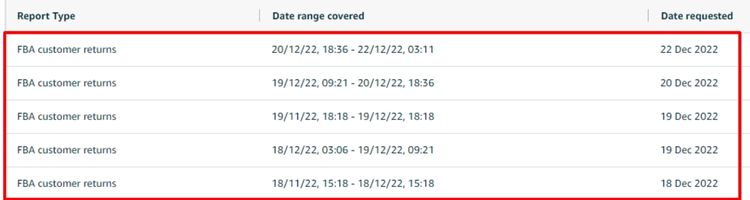
Begin your audit process by accessing and extracting essential reports from your Amazon Seller Central dashboard. The most critical documents include the Inventory Adjustment Report, Reimbursement Report, and Fee Preview Report.
These documents provide comprehensive insights into inventory fluctuations, compensation payments Amazon has processed, and all service charges applied to your account. Systematically examining these reports establishes the foundation for identifying potential discrepancies that warrant further investigation.
Identifying Inventory And Fee Discrepancies
Once you have gathered all necessary reports, conduct a thorough analysis to uncover potential issues within your account data:
- Utilize audit tools and software: Employ specialized reimbursement audit tools or spreadsheet software to automate calculations and highlight anomalies. These tools process large data volumes quickly and flag suspicious transactions for closer review.
- Identify specific red flags: Focus on detecting inventory that disappeared without corresponding sales, fees exceeding standard rates based on product dimensions, and refund amounts that don’t match original prices. Patterns repeating across multiple transactions often indicate systematic errors.
- Cross-verify data across reports: Compare figures simultaneously from different sources by matching inventory adjustments against shipment records or validating fee charges with Amazon’s current fee schedule. This multi-layered approach ensures greater accuracy in identifying legitimate reimbursement opportunities.
Submitting And Tracking Reimbursement Claims
After identifying discrepancies that qualify for reimbursement, you should take immediate action to recover your funds:
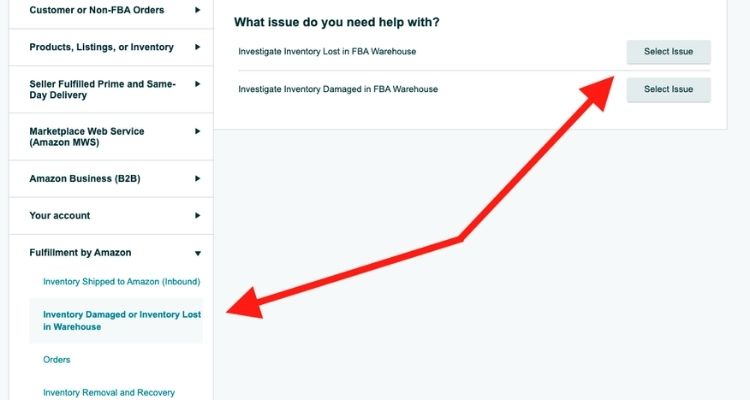
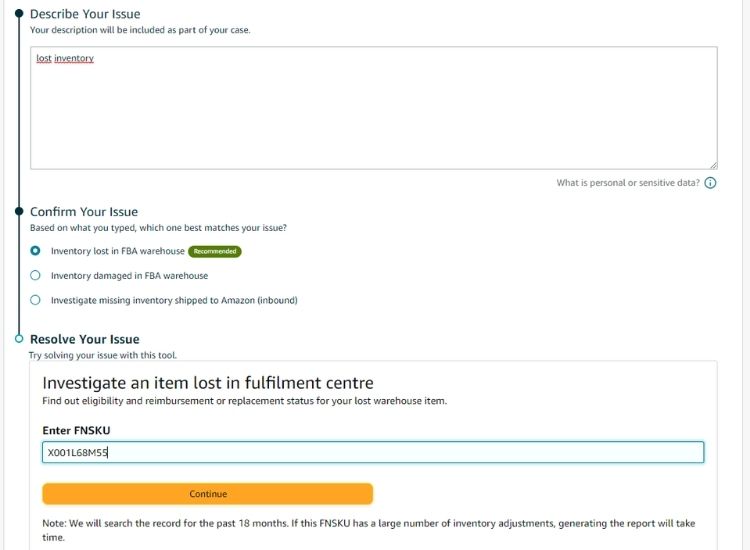
- File claims through Seller Central: You need to navigate to the “Help” section in Amazon Seller Central and open a support case under the appropriate category. Clearly describe each discrepancy with specific details, including affected ASINs, transaction dates, and the exact issue you encountered.
- Provide comprehensive supporting evidence: You should attach all relevant documentation, such as shipment tracking numbers, inventory screenshots, fee comparisons, and related correspondence. More detailed evidence helps Amazon verify and approve your claim faster.
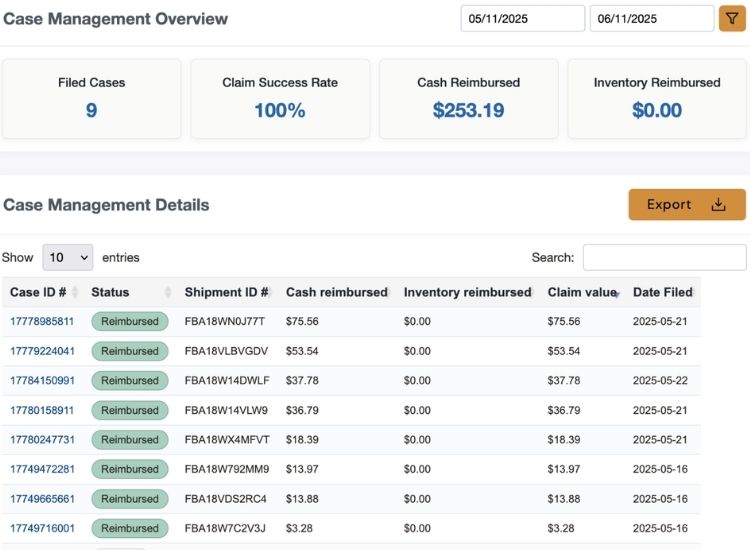
- Monitor and follow up consistently: You must track each submitted claim through your case log and follow up if you don’t receive a response within 48-72 hours. If Amazon denies a claim, request clarification and provide additional evidence or escalate to a supervisor when necessary.
Setting A Consistent Reimbursement Audit Schedule
Establishing a regular audit routine is essential for maintaining your account’s financial accuracy and maximizing reimbursement recovery:
- Determine your audit frequency: You should conduct audits monthly or quarterly, depending on your sales volume. Higher-volume sellers benefit from monthly reviews, while smaller operations can manage quarterly audits to catch discrepancies before filing deadlines expire.
- Create a systematic audit calendar: You need to schedule specific dates for pulling reports, analyzing data, and submitting claims. Setting recurring reminders helps you avoid missing the 18-month reimbursement window and prevents discrepancies from accumulating unnoticed.
- Document your audit findings: You should maintain records of each audit session, including identified issues, claims filed, and outcomes. This historical data helps you spot recurring problems and refine your process to protect your business from ongoing financial losses.
Amazon Reimbursement Rules And Policy Changes Update
Amazon has implemented several critical changes to its FBA reimbursement policy that significantly impact how sellers receive compensation for inventory issues:
- Manufacturing cost-based reimbursements (Effective March 31):
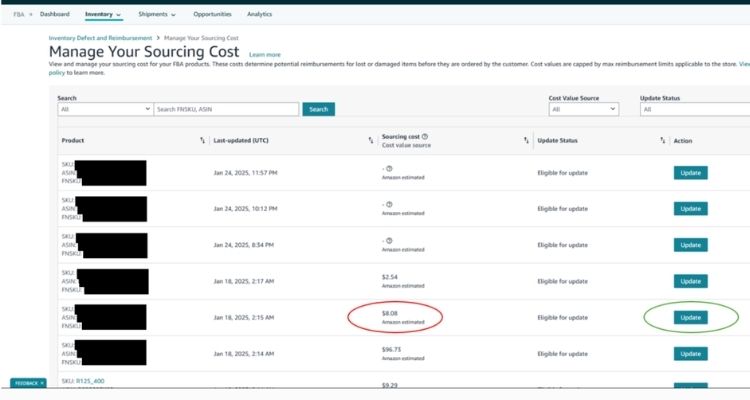
- Amazon now reimburses lost or damaged inventory based on manufacturing cost rather than retail selling price, excluding shipping, handling, and customs duties. Sellers report recovery amounts dropping 50-75% on average.
- You can submit your own cost data through the Inventory Defect and Reimbursement portal or let Amazon estimate it.
- Shortened claim filing windows: Fulfillment center claims must be filed within 60 days, customer returns claims between 60-120 days, and removal claims between 15-75 days. This dramatically reduces the previous 18-month window.
- Stricter documentation requirements: Amazon now requires detailed invoices, proof of purchase, and shipment tracking records when filing claims. Sellers must submit accurate manufacturing cost data within 60 days to maximize reimbursements.
- MCF reimbursement caps: Amazon has introduced country-specific reimbursement caps for Multi-Channel Fulfillment inventory losses, which may not fully cover high-value items. Sellers should consider third-party insurance for additional protection.
Essential Documents For Successful Amazon FBA Reimbursement Claims
Proper documentation is critical when filing Amazon reimbursement claims. Below is a comprehensive breakdown of the documents you need to prepare:
| Document Type | Specific Files Needed | Purpose |
|---|---|---|
| Ownership & Stock Verification | Purchase Orders | Confirm the inventory quantities you originally acquired from suppliers |
| Supplier Invoices | Provide comprehensive transaction records, including unit costs, quantities purchased, and payment terms | |
| Shipment Packing Lists | Detail the exact contents of each shipment sent to Amazon fulfillment centers | |
| Carrier Tracking Confirmations | Demonstrate that the inventory successfully reached Amazon’s warehouses | |
| Historical Stock Records | Track inventory levels across different time periods for reconciliation purposes | |
| Evidence of Issues | FBA Inventory Adjustment Data | Highlight discrepancies between expected and actual stock levels in Amazon’s system |
| Return Documentation | Record returned products and associated processing fees charged by Amazon | |
| Carrier Loss/Damage Reports | Provide third-party verification of shipments lost or damaged during transit | |
| Product Condition Photos | Visual evidence showing defects, damage, or quality issues with inventory | |
| Buyer Correspondence Records | Document customer complaints, return requests, or communication regarding order problems | |
| Financial Verification | Revenue Reports | Validate sales performance and income generated from your products |
| Amazon Fee Breakdowns | Itemize all charges including storage, fulfillment, and referral fees assessed by Amazon | |
| Payment Transaction Records | Trace deposits and reimbursements received from Amazon into your business accounts |
Top 4 Amazon Reimbursement Audit Services For Sellers
Partnering with professional reimbursement services can significantly increase your recovery rates while freeing up valuable time to focus on growing your business. Here are the leading audit services trusted by Amazon sellers worldwide.
TrueOps
TrueOps boasts the lowest commission rate at 10%, making it highly attractive for cost-conscious sellers. They’ve built their system to align with Amazon’s updated reimbursement policies, including the shift to manufacturing-cost-based reimbursements.
Key Features:
- Industry-lowest 10% commission rate
- Covers lost inventory, overcharged fees, inbound shipment discrepancies, customer return issues, and warehouse errors
- Cancel-anytime policy with no long-term commitments
- Quick onboarding process

Getida
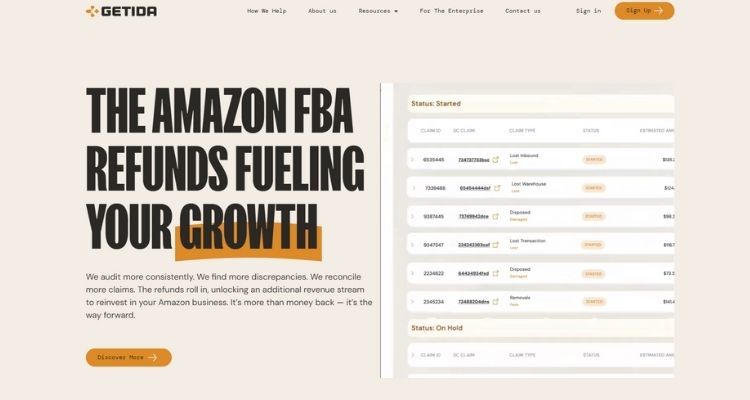
GETIDA (GET Intelligent Data Analytics) is the global leader in FBA reimbursement, with over 125 specialists operating across six countries, founded in 2015 by former Amazon sellers. They audit tens of billions of dollars in Amazon FBA transactions daily and recover an average of 63% of previously unsuccessful claims.
Key Features:
- A combination of software and human expertise that has become the industry standard
- Authorized Amazon Selling Partner with expertise in Amazon’s FBA policies
- Covers all major North American, European, and Far East Amazon marketplaces
- Performance-based pricing: 25% commission only on successfully recovered funds
Sellerlogic Lost & Found
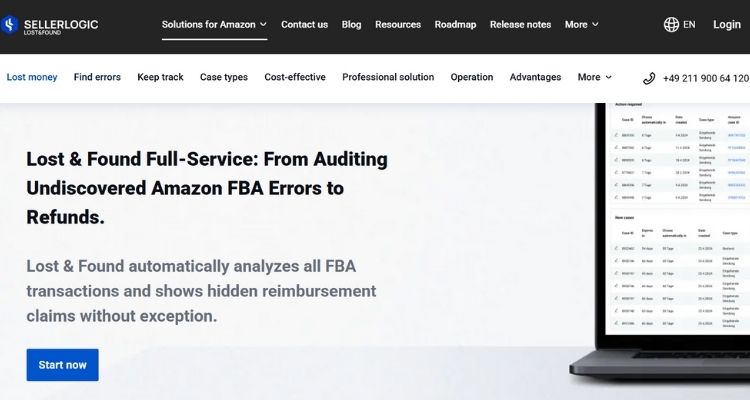
SELLERLOGIC Lost & Found Full-Service is the industry’s most accurate Amazon tool for handling FBA reimbursement claims, having reimbursed amounts ranging from four to six figures after the first audit. The service handles the entire refund process from error detection to case opening and communication with Amazon, with no basic fee or hidden costs.
Key Features:
- Covers the most common FBA errors, including order issues, FBA fees, and inventory discrepancies
- Handles cases up to 18 months retrospectively and provides full visibility through the Lost & Found Full-Service dashboard
- Undergoes Amazon audits annually and is constantly in compliance with Amazon’s rules and regulations
- Covers every Amazon marketplace globally, including support for PAN-EU and virtual warehouses like Seller Flex
- AI-powered system monitors FBA transactions 24/7 and automatically detects errors that other providers overlook
Viral Launch
Viral Launch offers FBA Reimbursement Services with a transparent fee structure of 25% commission, charged only after successful reimbursement payment from Amazon. The service tracks and claims refunds for lost or damaged inventory as part of their broader Amazon seller toolkit.
Key Features:
- Free comprehensive audit to identify hidden refund opportunities
- Seamless integration with the Amazon Seller account for hassle-free data extraction and claim filing
- Instant notifications and real-time alerts on potential refunds and claim status updates
- Detailed reports allowing sellers to track the amount recovered for each individual claim
- Refunds are typically processed within 3-5 business days after filing with Amazon Support

>>> Read more: How To Claim Amazon FBA Reimbursement Quickly And Easily
FAQs About Amazon Reimbursement Audit
Amazon typically responds within 2-3 business days after claim submission. Approved reimbursements are usually received within 30 days. Initial audits by services take 24-48 hours.
Claim windows vary by type: fulfillment center issues within 60 days, customer returns 60-120 days, and removal orders 15-75 days. Services can audit historical data up to 18 months back.
Yes. Most services only charge commission on their discoveries, not on claims you file yourself. Sellers maintain full account control and can monitor claims through both service dashboards and Seller Central.
Get Professional Help from Megaficus
Mastering Amazon reimbursement audits is essential for sellers who want to protect profit margins, recover lost revenue, and maintain accurate financial records. Understanding audit processes and policy changes helps you identify recoverable funds, file claims effectively, and prevent thousands of dollars from slipping through the cracks due to Amazon’s operational errors.
Don’t hesitate to contact Megaficus for expert guidance and comprehensive account management strategies to maximize your reimbursement recovery and strengthen your overall Amazon business performance in the competitive marketplace.