
Amazon Seller Central vs Vendor Central: Which option is right for your business? Choosing the wrong model can limit your control, margins, or growth potential. In this guide, Megaficus compares Seller Central (3P) and Vendor Central (1P) to help you decide which platform best fits your goals.
Quick Summary:
| Comparison Factor | Amazon Seller Central | Amazon Vendor Central |
|---|---|---|
| Sales Model | 3P model selling directly to customers with full control | 1P wholesale model where Amazon resells products |
| Access | Open registration, no invitation required | Invitation-only for selected brands |
| Fulfillment | FBA, FBM, or hybrid options | Amazon-managed fulfillment |
| Payment Terms | Paid every 14 days | Net 60–90 payment terms |
| Costs | Monthly fee, referral fees, and optional FBA fees | Co-op fees, chargebacks, and deductions |
| Advertising | Full ad control and budget management | Same ad tools with “Sold by Amazon” trust boost |
| Analytics | Detailed customer and search data | Retail and operational reports |
| Brand Control | Strong branding and customer ownership | Higher trust but limited brand control |
| Content | Free A+ and Premium A+ eligibility | Standard A+ Content access |
What Is Amazon Seller Central?
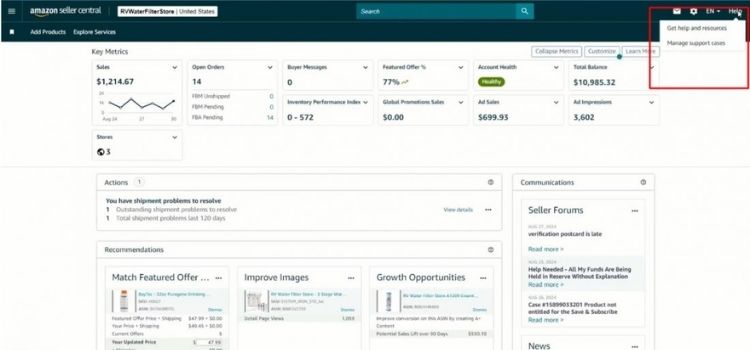
Amazon provides Seller Central as a platform that connects businesses with millions of active shoppers on the world’s largest marketplace. By using this platform, you can list and sell your products without building your own website or attracting customers from scratch.
Instead, you leverage Amazon’s existing infrastructure, including their payment systems, customer base, and trusted brand reputation. This allows even small business owners to quickly become online retailers without the technical complexities and high marketing costs of starting an independent e-commerce business.
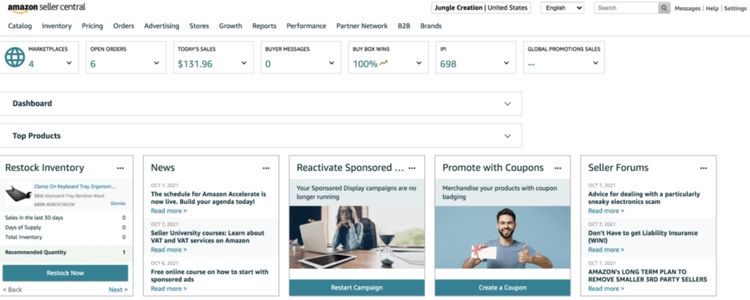
What Is Amazon Vendor Central?
Amazon Vendor Central is an invitation-only platform where manufacturers and distributors sell products wholesale directly to Amazon. You act as Amazon’s supplier rather than a marketplace seller, meaning Amazon purchases your inventory in bulk and then resells it to customers under their own name.
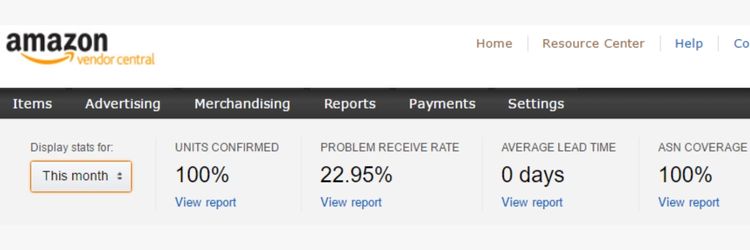
Through the Vendor Central portal, you can access your dedicated hub to manage this wholesale relationship. This interface allows you to submit product information, view and process Amazon’s purchase orders, and track sales performance data for your products.

Key Differences Between Amazon Seller Central Vs Vendor Central
Before choosing between Seller Central and Vendor Central, it’s important to understand how these two models differ in ownership, pricing control, operations, and growth potential. The key differences below highlight how each platform impacts your selling strategy, profit structure, and long-term scalability on Amazon.
Sales Model
The key difference is the selling relationship with Amazon. Seller Central uses a third-party (3P) model where sellers sell directly to customers, while Vendor Central follows a first-party (1P) wholesale model where Amazon buys and resells the products.
Amazon Seller Central
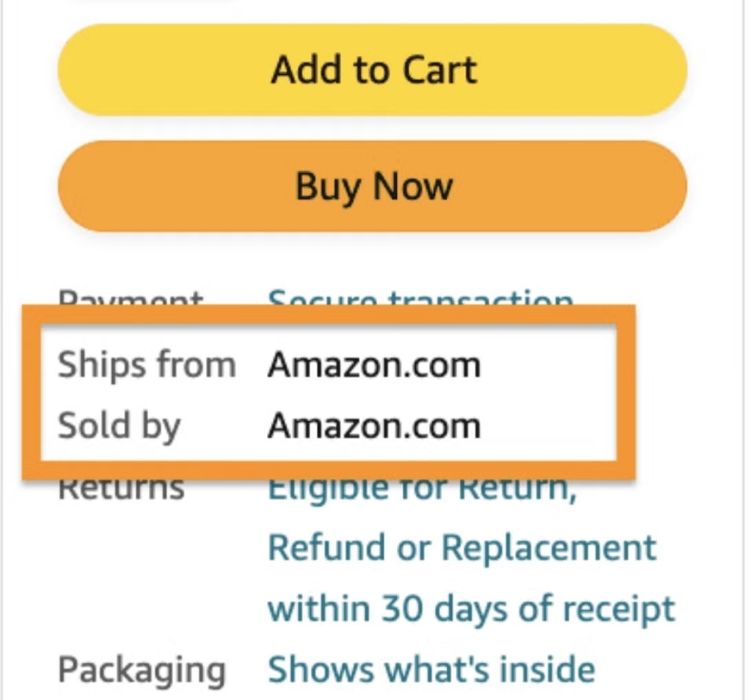
Sellers control pricing, inventory, branding, and customer interactions while selling directly on Amazon. Listings show “Sold by [Business Name],” and the platform is open to anyone without an invitation.
Amazon Vendor Central
Vendors sell products wholesale to Amazon via purchase orders, and Amazon handles pricing, fulfillment, and customer relationships. Listings display “Ships from and sold by Amazon.com,” and access is invitation-only for established brands.
Access
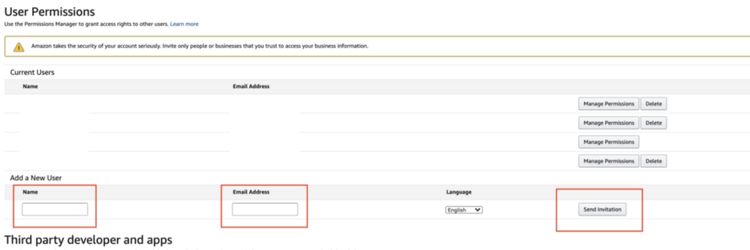
Registration requirements differ significantly between the two platforms: anyone can join Seller Central, but Vendor Central operates on an invitation-only basis.
Amazon Seller Central
- Open registration: Anyone can register as a third-party seller without needing Amazon’s invitation. Individuals and businesses can create an account and start selling immediately.
- No prerequisites: Registration only requires basic documentation, including government-issued ID, bank account details, tax information, and a credit card.
Amazon Vendor Central
- Invitation-only program: Vendor Central is an invite-only program where vendors need to get noticed and deemed worthy by Amazon’s vendor management team. Businesses cannot apply or register independently.
- Performance-based selection: Amazon typically extends invitations to established brands with strong sales records, high product demand, or manufacturers who demonstrate consistent performance as third-party sellers on the marketplace.
Fulfillment
Sellers have flexible fulfillment choices, while vendors primarily rely on Amazon’s controlled fulfillment system.
Amazon Seller Central
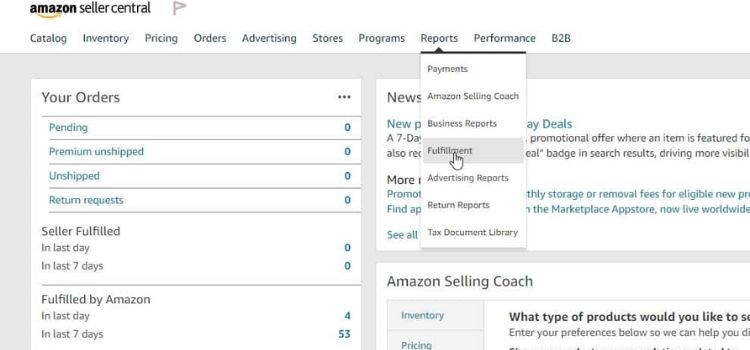
- FBA (Fulfillment by Amazon): Sellers send inventory to Amazon’s warehouses, and Amazon handles all storage, packing, shipping, and customer service. Products automatically become eligible for Prime shipping.
- FBM (Fulfillment by Merchant): Sellers manage their own storage, packing, and shipping operations either in-house or through third-party logistics partners. This option provides more control over packaging and branding.
- Flexible choice: Sellers can use FBA, FBM, or a combination of both, depending on product characteristics and profit margins.
Amazon Vendor Central
- Amazon-controlled fulfillment: Amazon manages the entire logistics process after receiving bulk shipments. Vendors ship products to Amazon’s fulfillment centers, and Amazon handles all customer-facing operations.
- Direct Fulfillment option: This dropshipping program allows vendors to ship certain products directly to customers. Amazon sends purchase orders and provides prepaid shipping labels when orders are placed.
Payment Terms
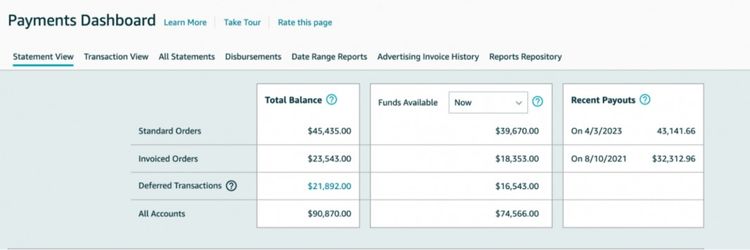
Sellers receive payments every 14 days, while vendors face extended payment cycles of 60 to 90 days after invoicing.
Amazon Seller Central
- Bi-weekly payment cycle: Amazon disburses funds every 14 days, with an additional 3-5 business days for bank transfers, totaling approximately 20+ days from sale to payment.
- Holding period protection: Amazon reserves funds for seven days after delivery to accommodate potential returns and chargebacks.
Amazon Vendor Central
- Extended payment terms: Amazon typically uses Net 60-90 terms, sometimes extending to 120 days, requiring vendors to maintain substantial working capital while financing Amazon’s inventory.
- Quick Pay Discount option: Vendors can offer 1-3% discounts to receive early payment, which reduces overall profit margins.
Costs
Seller Central uses transparent per-sale fees, while Vendor Central involves wholesale pricing with various deductions.
Amazon Seller Central
- Monthly subscription: Professional sellers pay $39.99 per month, while Individual sellers pay $0.99 per item sold with no monthly fee.
- Referral fees: Amazon charges 8-15% of the total sale price, depending on product category.
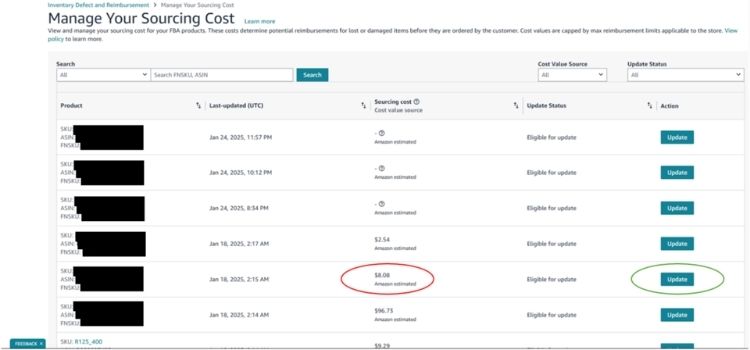
- FBA fees (if using): Fulfillment costs range from $3-8 per unit based on size and weight. Storage fees are $0.78 per cubic foot monthly, increasing to $2.40 during October-December peak season.
Amazon Vendor Central
- No subscription or referral fees: Vendors don’t pay monthly subscriptions or per-sale fees since they sell wholesale to Amazon.
- Co-op fees: Marketing and operational fees typically range from 10-15% of wholesale costs, sometimes reaching 15-25% depending on agreements.
- Chargebacks and deductions: Vendors face penalties for operational issues like late deliveries or incorrect labeling, typically costing 1-5% annually. Additional deductions include freight costs, return processing fees, and promotional program charges.
Advertising
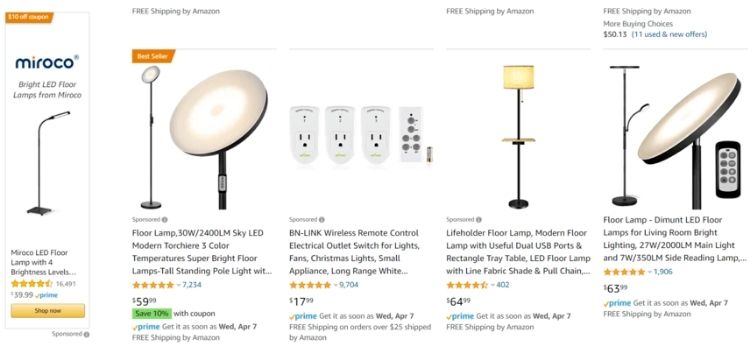
Both platforms offer similar advertising tools, but vendors may benefit from Amazon’s “Sold by Amazon” status for better ad performance.
Amazon Seller Central
- Core advertising options: Sellers access Sponsored Products, Sponsored Brands, and Sponsored Display ads with full control over budgets, targeting, and optimization.
- Brand Store access: Sellers with Brand Registry can create free multi-page Brand Stores with custom URLs for enhanced brand storytelling.
- Pay-per-click model: Sellers set daily budgets and pay only when customers click their ads.
Amazon Vendor Central
- Same advertising tools: Vendors access identical advertising options – Sponsored Products, Sponsored Brands, and Sponsored Display – through the Amazon Advertising Console.
- “Sold by Amazon” advantage: Products marked “Sold by Amazon” often achieve higher conversion rates due to increased customer trust and priority placement.
- Payment flexibility: Vendors can deduct advertising costs directly from their Amazon retail proceeds, eliminating separate budget requirements.
Analytics
Sellers gain deeper customer behavior insights, while vendors receive more operational and financial data but less granular customer information.
Amazon Seller Central
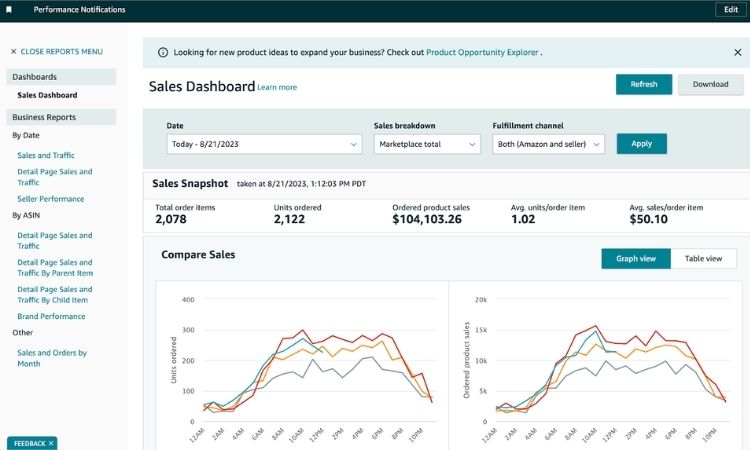
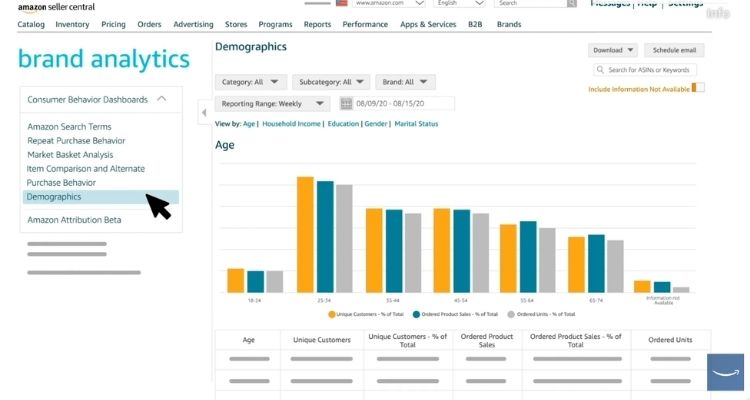
- Brand Analytics access: Sellers with Brand Registry access have comprehensive dashboards including Search Query Performance, Top Search Terms, Repeat Purchase Behavior, Market Basket Analysis, and Demographics reports.
- Customer behavior insights: Sellers view detailed data on customer search patterns, purchasing behavior, demographics, and product comparisons, helping optimize listings and marketing strategies.
- Direct performance metrics: Sellers track impressions, clicks, click-through rates, conversions, and the complete customer journey for their listings.
Amazon Vendor Central
- Amazon Retail Analytics (ARA): Vendors access dashboards covering Sales, Traffic, Net PPM, Forecasting, Inventory, and Catalog performance, focusing on operational efficiency rather than customer behavior.
- Limited customer data: Since Amazon owns the customer relationship, vendors receive less granular customer behavior data and limited demographic insights compared to sellers.
Branding & Trust
Sellers maintain direct brand control, while vendors benefit from Amazon’s “Sold by Amazon” badge that increases customer trust.
Amazon Seller Central
- Seller branding visibility: Products are listed as “Sold by [Brand] and Fulfilled by Amazon”, allowing sellers to maintain control over their brand messaging and direct customer interactions.
- Brand building tools: Sellers with Brand Registry access A+ Content, Brand Stores, and other marketing features to create customized brand experiences and tell their brand story directly to customers.
Amazon Vendor Central
- “Sold by Amazon” trust advantage: Products carry the “Sold by Amazon” tag, which generally commands higher customer confidence and trust, leading to better conversion rates. Customers perceive these products as vetted and backed by Amazon’s customer service.
- Limited brand control: Vendors relinquish substantial messaging and branding control to Amazon with limited flexibility or customization. Amazon controls how products are presented, priced, and positioned on the platform.
Content
Both platforms offer A+ Content tools, but vendors historically had early access to premium features, though this gap is narrowing.
Amazon Seller Central
- A+ Content access: Sellers enrolled in Brand Registry can use A+ Content (formerly Enhanced Brand Content) completely free, adding enhanced images, videos, comparison charts, and brand storytelling to product pages.
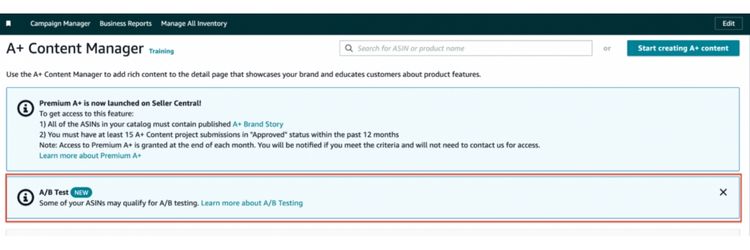
- Premium A+ eligibility: Premium A+ Content is available to sellers who have a published Brand Story on all products and five published A+ Content projects in the last 12 months. This includes advanced features like video carousels, interactive hotspots, and Q&A modules.
Amazon Vendor Central
- Standard A+ Content: Vendors access the same A+ Content tools as sellers, allowing them to enhance product descriptions with rich media and formatted layouts.
- Amazon Vine program: Vendors can enroll products in Amazon Vine, a program where trusted reviewers (Vine Voices) receive free products in exchange for honest reviews. However, Vine enrollment fees for vendors are significantly higher than for sellers.
When To Choose Each Platform: Amazon Seller Central Vs Vendor Central?
The right choice between Amazon Seller Central and Vendor Central depends on your business size, growth stage, and how much control you want over pricing, branding, and operations. The scenarios below clarify when each platform makes the most strategic sense.
When To Choose Amazon Seller Central?
Amazon Seller Central is the right choice if your business fits the following conditions:
- You are a startup or growing brand: You want to start selling without invitations or large upfront purchase orders and prefer a low barrier to entry.
- You need full control over pricing and profit margins: You want the flexibility to set prices, run promotions, and adjust margins based on competition and demand.
- Brand building and customer access matter to you: You want direct interaction with customers, control over reviews and messaging, and access to branding tools like Brand Registry and tailored promotions.
- You rely on seller data and performance insights: You need access to analytics such as keyword data, customer behavior, and advertising performance to guide decisions.
- You want flexibility in cash flow and fulfillment: You prefer faster payouts and the option to choose between FBA, FBM, or a hybrid fulfillment model.
When To Choose Vendor Central?
Amazon Vendor Central is a strong choice if your business fits a wholesale, scale-driven model:
- You operate at scale and can fulfill bulk purchase orders: Your business has stable manufacturing or distribution capacity and can consistently meet Amazon’s large, recurring wholesale orders.
- You want Amazon to handle operations and logistics: You prefer to minimize operational involvement by letting Amazon manage inventory, fulfillment, customer service, and returns end-to-end.
- Brand authority and consumer trust matter more than pricing control: Selling as “Sold by Amazon” helps increase credibility and conversion rates, even if Amazon controls retail pricing and margins.
- You prioritize visibility and long-term market presence: Access to Vendor-only programs (such as Vine and Subscribe & Save) and stronger organic and advertising placement support market-share growth over short-term profit optimization.
FAQs About Amazon Professional Seller Vs Individual
Seller Central is better for small sellers because it has a low entry barrier and does not require an Amazon invitation.
Seller Central offers greater pricing control, as sellers set and adjust retail prices themselves.
Yes, but only if Amazon invites you to Vendor Central; switching is not guaranteed and depends on Amazon’s approval.
Vendor Central can build stronger credibility because products are labeled “Sold by Amazon,” which increases customer trust.
No, FBA is only available for Seller Central; Vendor Central uses Amazon’s own fulfillment model.
Get Professional Help from Megaficus
Choosing between Amazon Seller Central and Vendor Central depends on how much control and flexibility your business needs. Seller Central suits brands that want pricing control, faster payouts, and direct customer engagement, while Vendor Central is better for established businesses capable of handling bulk wholesale orders.
If you need expert guidance to choose the right model, optimize your Amazon account, or scale sustainably, Megaficus is ready to support your Amazon growth strategy.