
Are you tired of seeing your hard-earned profits disappear into a black hole of mysterious fees? Navigating the complex landscape of Amazon seller rates is essential for any merchant aiming to secure long-term profitability and avoid the above problems. Hence, this guide from Megaficus details every fee to ensure you understand how to protect your margins and grow revenue.
Quick Summary
- Plan Efficiency: Professional plans ($39.99/mo) become more cost-effective than Individual plans ($0.99/item) once you exceed 40 monthly sales.
- Referral Logic: Commissions range from 8% to 15% based on category, but low-ticket items often trigger a mandatory $0.30 minimum fee.
- Fulfillment Tiers: Small packaging changes, like reducing a box by half an inch, can drop an item into a lower FBA tier and save significant revenue.
- Profit Leaks: Media closing fees ($1.80/item) and aged inventory surcharges for stock over 180 days are critical “hidden” costs to monitor.
- Revenue Drivers: Professional accounts unlock “Buy Box” eligibility and Brand Registry tools, which can increase conversion rates by up to 5%.
How Much Do Amazon Seller Rates Typically Cost?
Before diving into specific product strategies to maintain your seller rates on Amazon, every merchant must account for the fundamental subscription and commission fees that serve as the baseline for the platform. These initial costs dictate your entry point and vary significantly based on your projected monthly sales volume and product type.
The Cost of Plans to Sell on Amazon
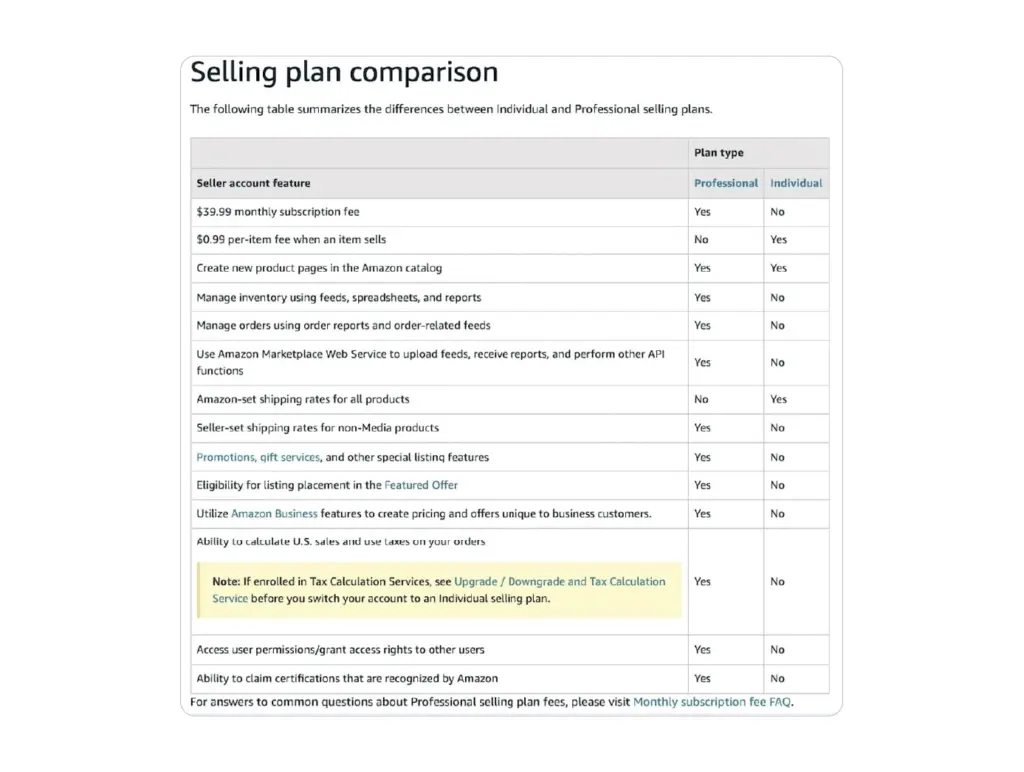
Selecting a plan is your first financial decision, where you must weigh a per-item fee against a flat monthly subscription. If you’re a small-scale artisan selling 15 handmade mugs monthly, you can benefit from the Individual plan at $0.99 per item sold. This plan will prevent you from having fixed monthly overhead while still testing the market demand for your unique products.
Conversely, in case your business is growing and moving 100 units monthly, then you should utilize the Professional plan at $39.99 per month. This transition is vital because the flat rate becomes cheaper the moment you exceed 40 sales, effectively lowering your per-unit overhead.
The Reality of Referral Fees
Beyond the subscription, Amazon also charges a referral fee, which functions as a mandatory commission on every unit sold, typically ranging from 8% to about 15%. For instance, if you sell a premium yoga mat for $50 in the Sports category (15% fee), Amazon will deduct $7.50 from the sale.
Some categories have specialized rates, but many also include a standard $0.30 minimum charge applied to low-cost items. This means a $1 accessory will still incur a $0.30 fee rather than just 15 cents, making low-ticket items harder to price profitably.
| Category | Referral Fee Rate | Minimum Per-Item Fee |
|---|---|---|
| Amazon Device Accessories | 45% | $0.30 |
| Apparel & Accessories | 17% (> $20) / 5% (≤ $15) | $0.30 |
| Baby / Beauty / Health | 15% (> $10) / 8% (≤ $10) | $0.30 |
| Consumer Electronics | 8% | $0.30 |
| Furniture | 15% (up to $200) / 10% (> $200) | $0.30 |
| Jewelry | 20% (up to $250) / 5% (> $250) | $0.30 |
| Watches | 16% (up to $1,500) / 3% (> $1,500) | $0.30 |
Minimum Budget Requirements
While there are no strict minimum budget requirements, the Professional plan is necessary to unlock advanced features like “Buy Box” eligibility. Without this status, your items may not appear in the primary purchase section, drastically reducing your potential conversion rates.
What Factors Affect Amazon Seller Rates?
While the subscription fees are fixed, the total cost of your operations is heavily influenced by a set of variables ranging from your product’s physical size to your chosen shipping method. Understanding these nuances allows you to forecast your net income with much higher accuracy.
The Impact of Product Category
The product category dictates the referral fee percentage, with some categories having specialized rates to attract more sellers to underserved niches. For example, you’re selling a high-end laptop (Personal Computers), and it incurs only an 8% fee, whereas Personal Care appliances attract a 15% rate.
By researching the Amazon seller rates for specific niches, you can identify high-margin opportunities where the platform takes a smaller cut. You must be careful because listing a product in a slightly incorrect sub-category could inadvertently lead to a 5% higher commission fee on every single transaction.
| Category | Referral Fee Rate | Minimum Fee |
|---|---|---|
| Apparel & Accessories | 17% (items > $20) / 5%–10% (items ≤ $20) | $0.30 |
| Automotive & Powersports | 12% | $0.30 |
| Baby Products | 8% (≤ $10) / 15% (> $10) | $0.30 |
| Beauty, Health & Personal Care | 8% (≤ $10) / 15% (> $10) | $0.30 |
| Clothing & Accessories | 17% (> $20) / 10% ($15-$20) / 5% (≤ $15) | $0.30 |
| Cell Phone Devices | 8% | $0.30 |
| Furniture | 15% (≤ $200) / 10% (> $200) | $0.30 |
| Jewelry | 20% (≤ $250) / 5% (> $250) | $0.30 |
| Luggage & Travel Accessories | 15% | $0.30 |
| Pet Supplies | 15% (except 22% for veterinary diets) | $0.30 |
| Tools & Home Improvement | 15% (standard) / 12% (base power tools) | $0.30 |
| Toys & Games | 15% | $0.30 |
| Watches | 16% (≤ $1,500) / 3% (> $1,500) | $0.30 |
Fulfillment Choices and Shipping Costs
Describe how fulfillment choices, particularly the difference between Fulfillment by Amazon (FBA) and Fulfillment by Merchant (FBM), introduce varying storage and handling costs. If you choose FBA, Amazon handles the logistics, but you must pay for that convenience through specialized fees.
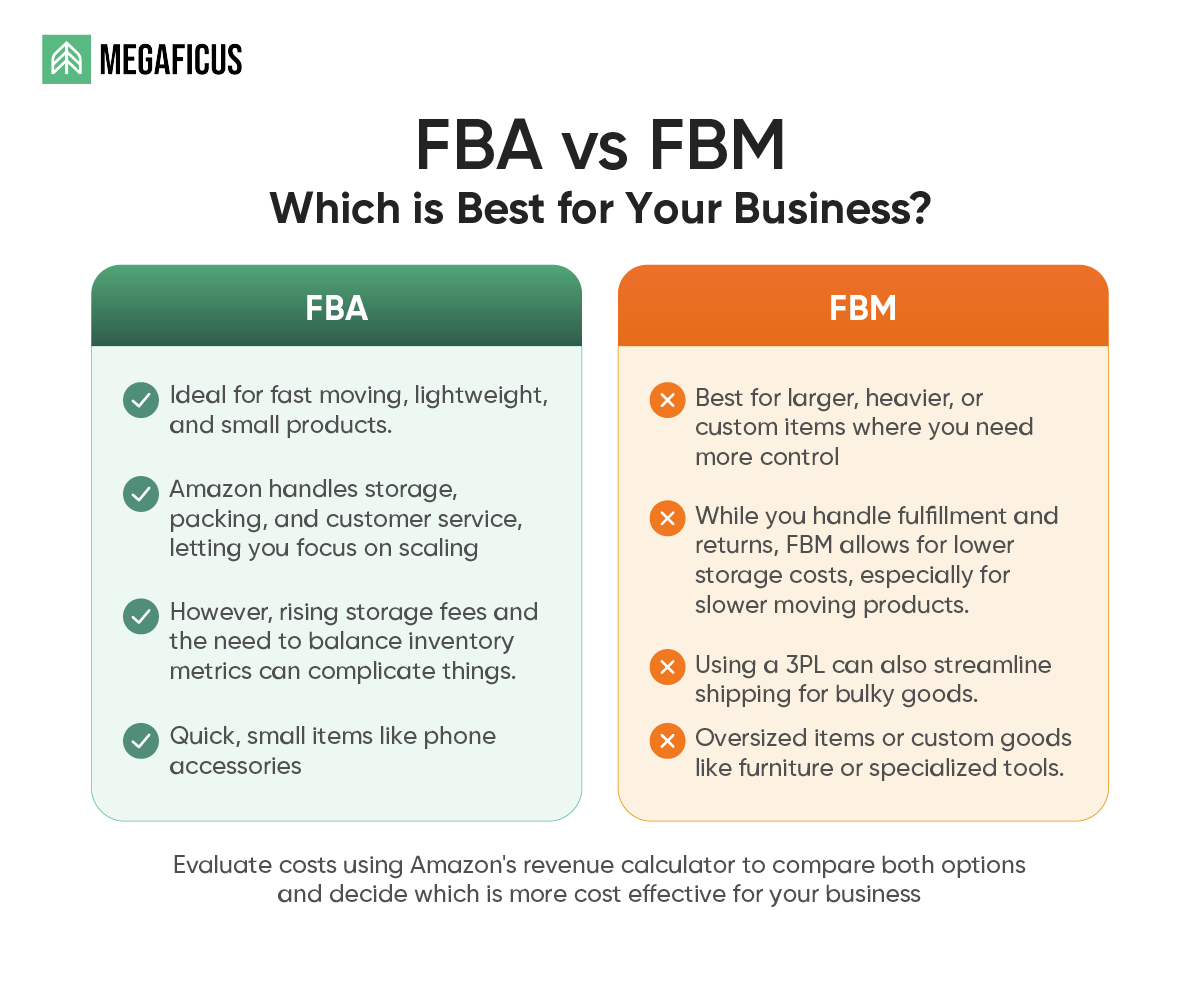
An FBM seller might use their own warehouse to ship heavy gardening tools, potentially saving money compared to Amazon’s bulky item rates. However, FBA sellers often see a significant boost in sales volume because their products qualify for Prime shipping, which consumers value highly.
Dimensions and Weight Tiers
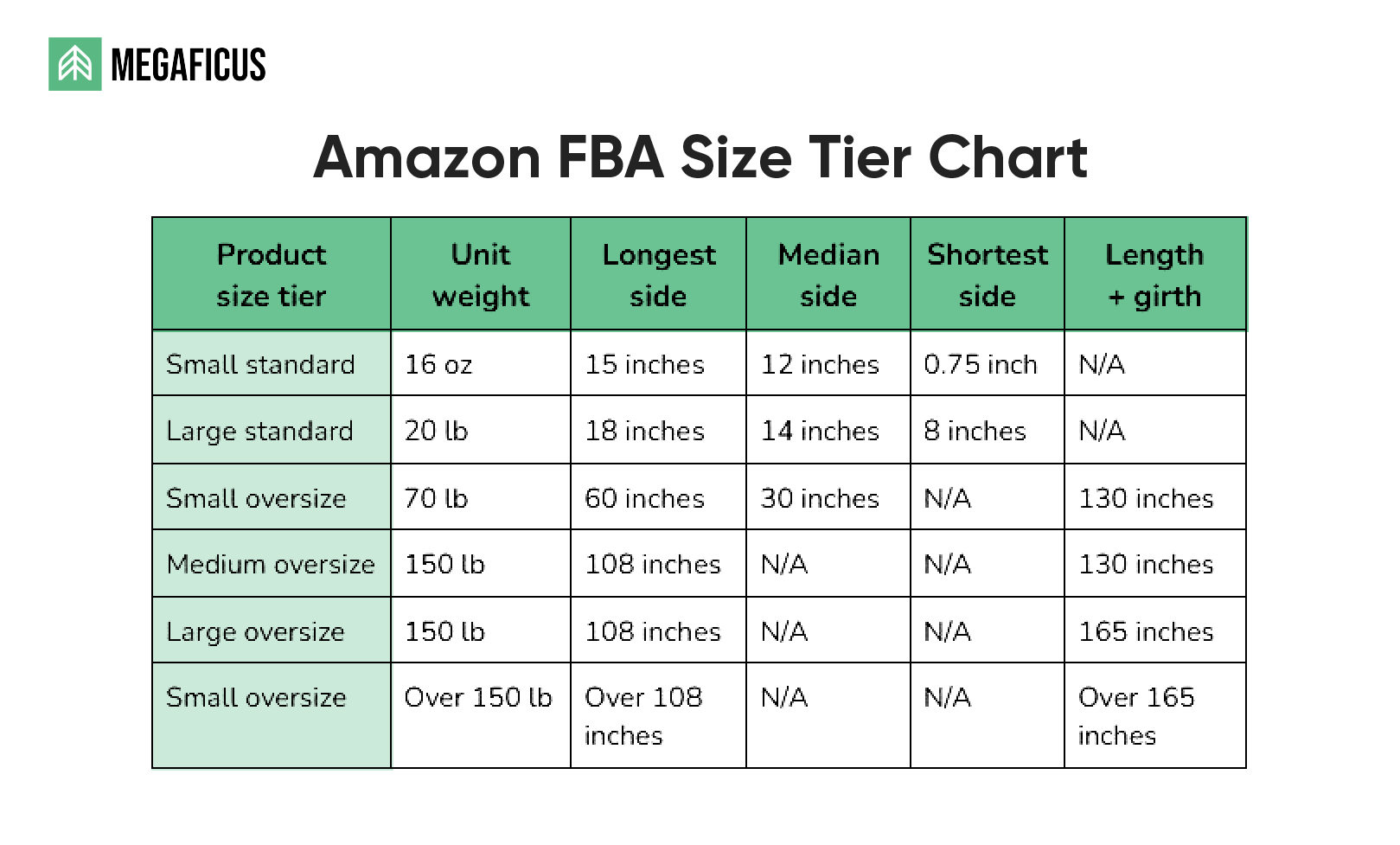
Physical dimensions, specifically the weight and cubic volume of your packaging, determine which fulfillment fee tier your items fall into. A standard 12-ounce bottle of shampoo might fall into the “Small Standard” tier, costing roughly $3.22 to fulfill.
If that same bottle is packaged in a slightly larger box that pushes it into the “Large Standard” tier, the fee could jump to $4.75. This $1.53 difference might seem small, but across 1,000 units, it results in a $1,530 loss in potential revenue.
What are the Hidden Costs of Amazon Seller Rates?
Beyond the primary fees, you will often encounter secondary charges that can quickly erode profit margins if they are not monitored carefully. These “invisible” costs are often what separate successful brands from those that struggle to remain solvent over time.
Category-Specific Closing Fees
Beyond standard referral fees, you must also account for flat closing fees that apply exclusively to media categories like books, DVDs, and music. Amazon adds a consistent $1.80 charge to every media item sold, which can significantly impact your total Amazon seller rates on low-priced goods.
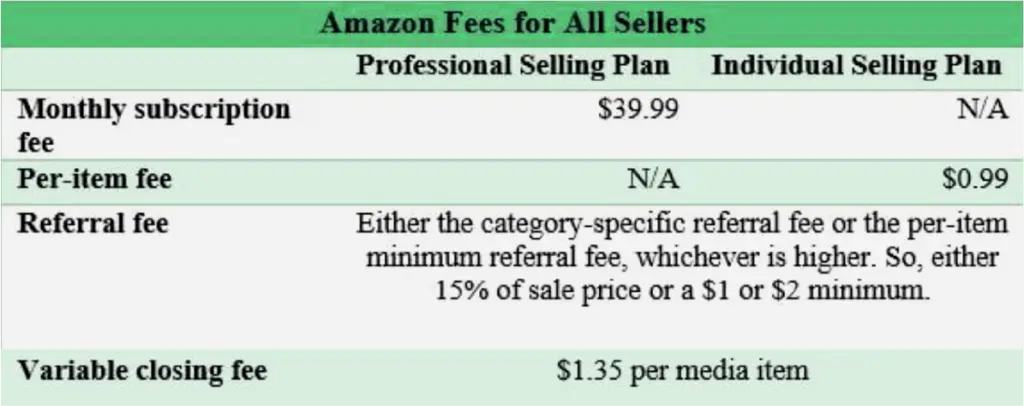
For example, if you list a used paperback book for $5.00, you will be charged a $0.75 referral fee plus the $1.80 closing fee. After you subtract these costs and shipping expenses, you might find that your final profit is only a few cents. Because of these specific surcharges, success in the media niche typically requires high sales volumes to offset the fixed per-item costs.
Inventory Management Surcharges
These hidden costs include the High-Volume Listing Fee applied to sellers with thousands of active SKUs that have not sold in over a year. Additionally, there are also Aged Inventory Surcharges that apply to units sitting in fulfillment centers for more than 180 days, especially during peak seasons.
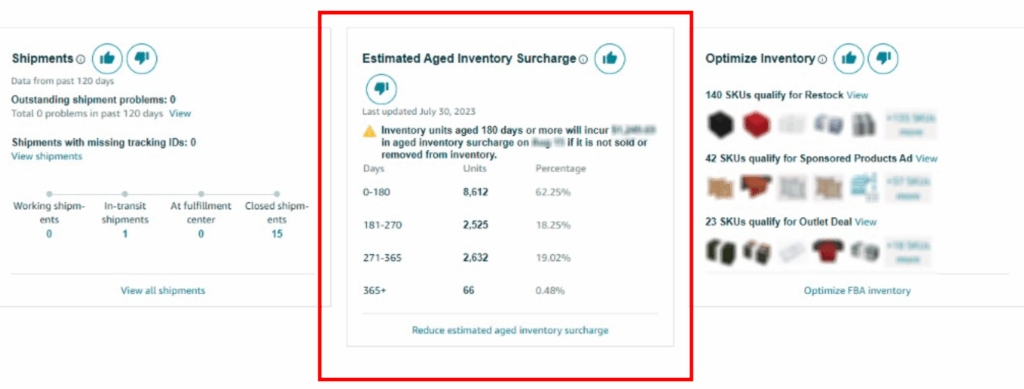
If you have 500 unsold winter coats sitting in a warehouse in July, Amazon will charge you significantly more per cubic foot than they would in January. That’s why monitoring your sell-through rate is the only effective way to avoid these compounding Amazon seller rates during the off-season.
Administrative and Return Fees
In addition to standard transaction costs, Refund Administration Fees occur when Amazon retains a portion of the original referral fee when a customer returns a product. For a $100 item, Amazon might keep $5 of the original commission as a processing fee for the return.
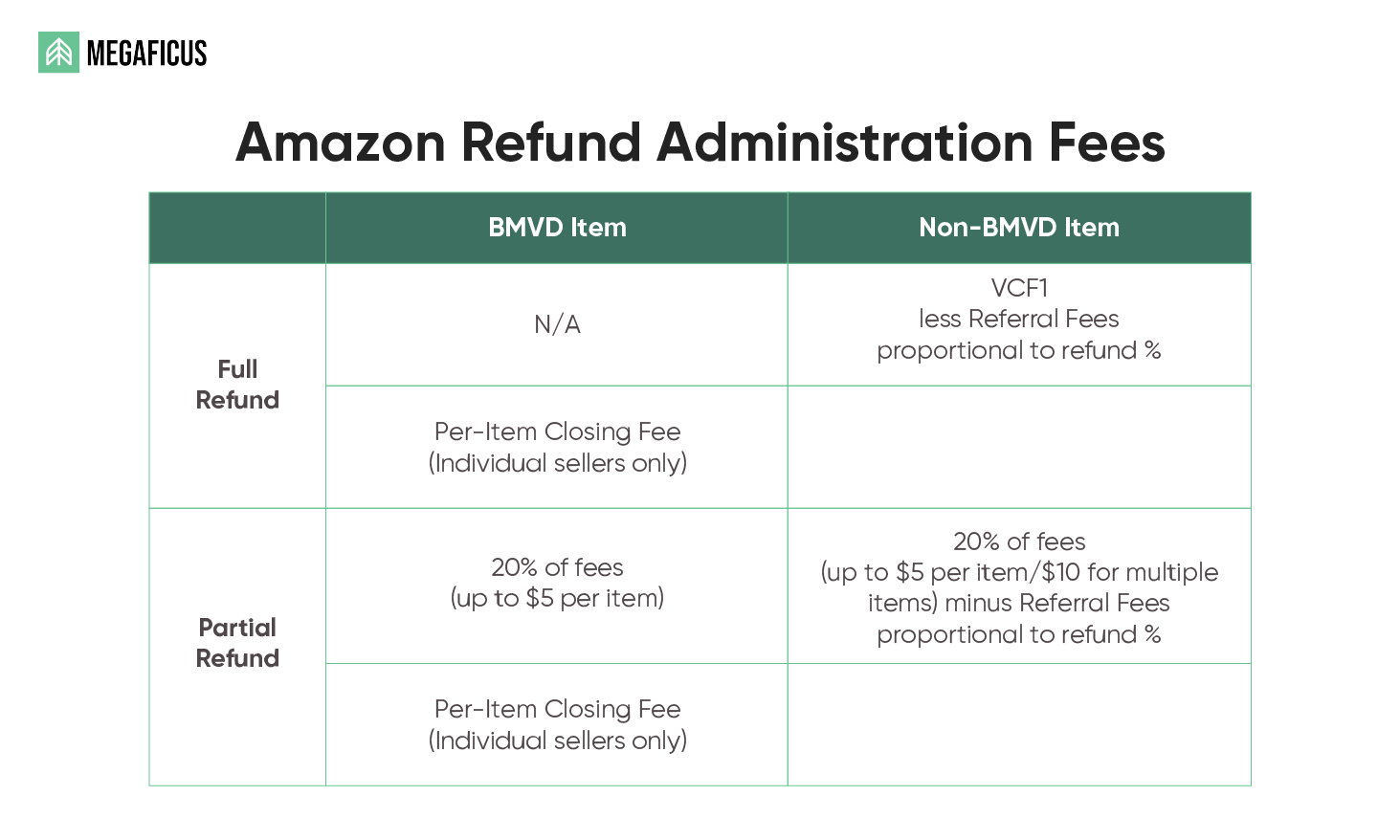
This means that high return rates not only lose you the sale but also cost you a penalty fee every time. This financial risk is especially high for clothing sellers, as fashion brands often see return rates as high as 30%, making it vital to factor these administrative losses into your initial pricing strategy.
Which Strategies Best Increase Your Amazon Revenue?
Once you have identified where your money is going, you can implement proven financial tactics to reduce your overhead and keep more of your earnings. Strategic optimization turns high Amazon seller rates from a burden into a manageable cost of doing business.
Leveraging Account Tiers for Growth
Upgrading to a Professional account the moment your sales volume exceeds 40 units per month is a primary way to improve your overall cost efficiency. This move immediately eliminates the $0.99 per-item fee, allowing you to reinvest that saved capital into marketing or new product development.
Imagine your sales this month are 60 items. Under the Individual plan, $0.99 per unit results in a total transaction cost of $59.40. By switching to the Professional plan, you instead pay a flat monthly subscription fee of $39.99 regardless of their volume. This professional tier also grants you access to restricted categories and advanced automated pricing tools to maximize sales.
Using Advanced Optimization Tools
Utilizing the official Amazon Revenue Calculator is another essential step to determine whether FBA or FBM is the more cost-effective choice for a specific item. This tool allows you to plug in your actual shipping costs to see the exact net profit per unit without any guesswork.
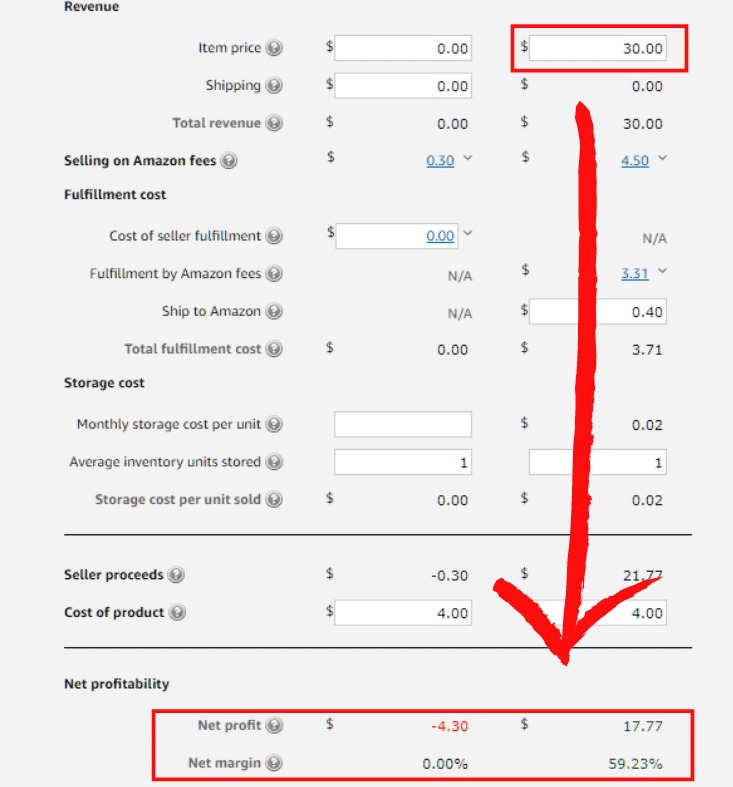
For instance, you might find that FBM is more profitable due to lower postage costs compared to FBA fees when you sell lightweight stickers. Using these data-driven tools ensures you are not guessing about your Amazon seller rates, but rather making informed logistical decisions based on real-time numbers.
Packaging and Inventory Health
Redesigning your product packaging to fit into “Small Standard” or “Large Standard” tiers also helps you avoid the significantly higher costs of “Oversize” shipping, which is a key tactic for managing your Amazon seller rates effectively. This minor adjustment can move your inventory into a cheaper fulfillment tier, instantly increasing your profit margin on every sale.
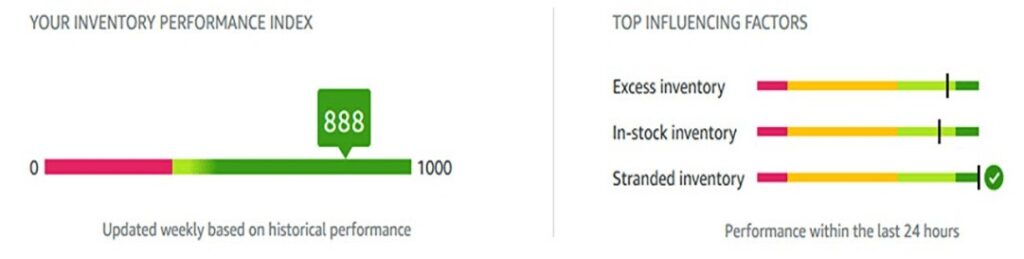
Moreover, maintaining a high Inventory Performance Index (IPI), which is ideally above 550, through automated management is also vital to avoid expensive seasonal storage price hikes. A strong IPI score can even earn you unlimited storage space, ensuring that the platform does not cap your growth during the busy Q4 holiday window.
Is Amazon Advertising Worth the Cost?
Evaluating the ultimate value of these fees requires you to take a look at the return on investment and the unique growth opportunities the platform provides to brands. While the fees are high, the infrastructure Amazon provides can be a catalyst for rapid, global brand expansion.
Analyzing ROAS and Traffic Volume
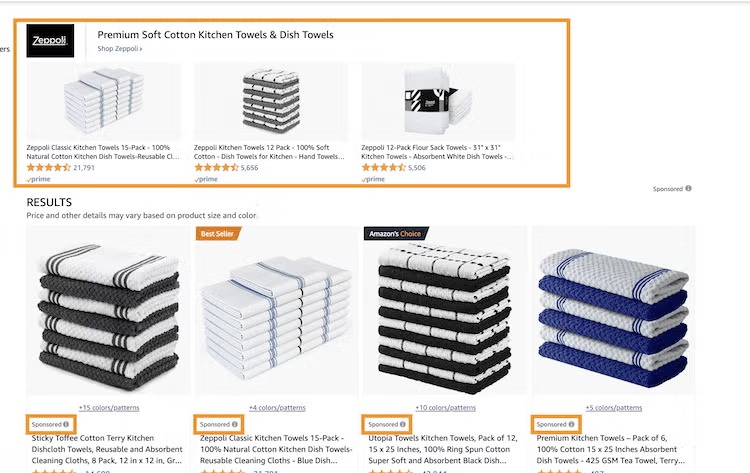
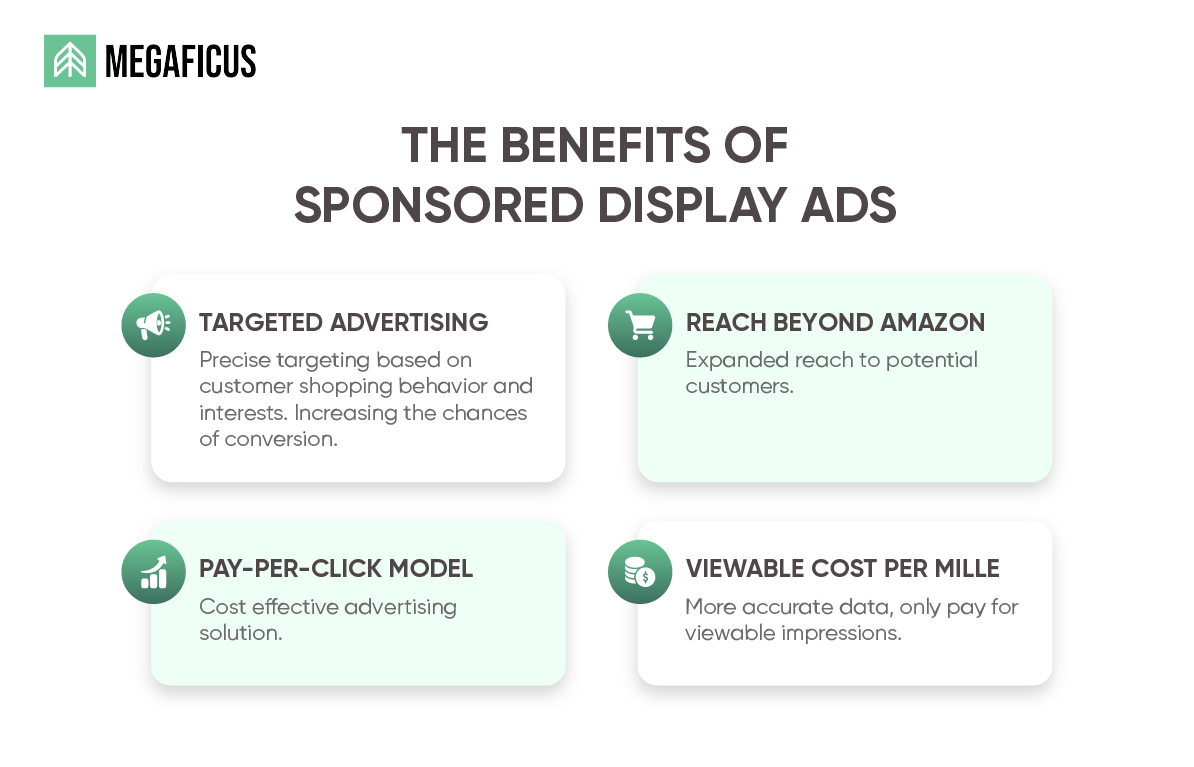
Evaluating the potential for a strong ROAS (Return on Ad Spend) involves balancing platform fees against the massive volume of high-intent shoppers. This unique environment allows you to capture customers who are actively looking to buy. By positioning your brand effectively, you can turn high traffic into a reliable source of consistent and scalable monthly revenue growth.
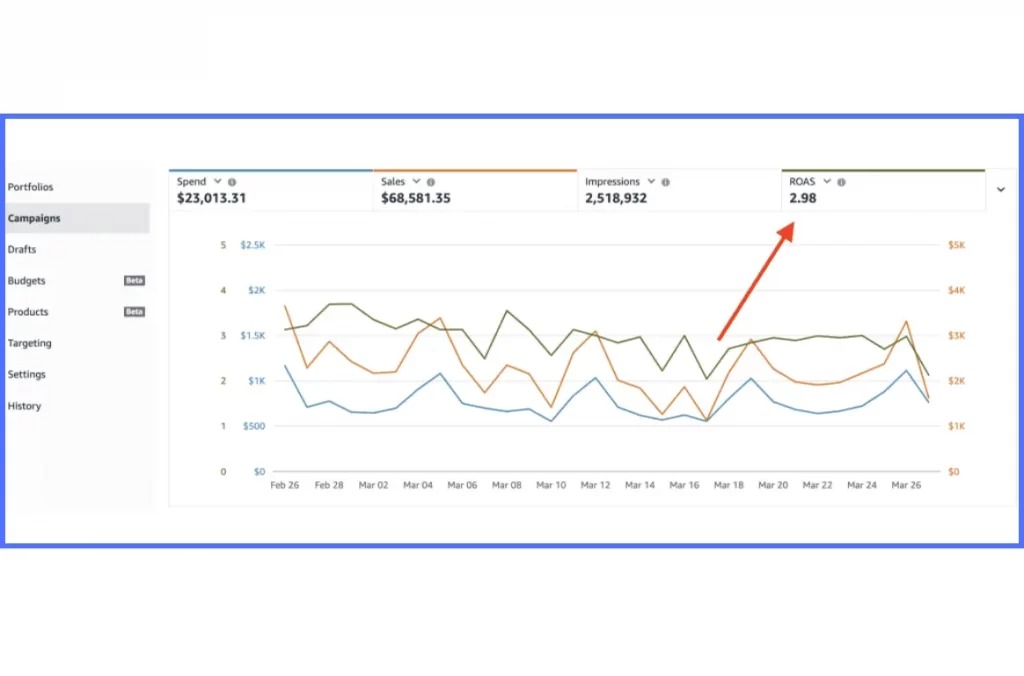
In addition, Amazon Sponsored Product ads also achieve conversion rates exceeding 10.0%. This helps justify the various Amazon seller rates because your cost per acquisition is often much lower than building an audience from scratch. By focusing on these high conversions, you can maximize your marketing budget and achieve a faster return on your total investment.
The Value of Brand Registry
The monthly cost of a Professional plan is often easily offset by the exclusive access to Brand Registry features, which protect your intellectual property. These powerful tools enable you to proactively remove counterfeiters and utilize “A+ Content” to significantly improve your listing’s overall aesthetic appeal.
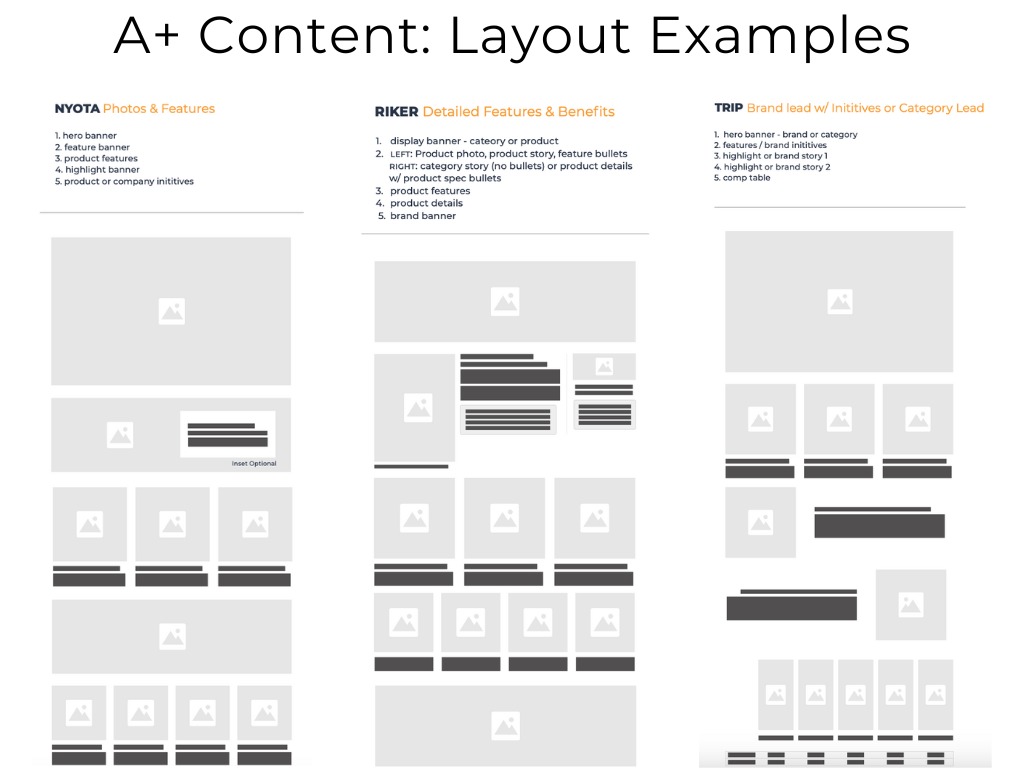
Enhanced listings have the potential to increase your conversion rates by up to 5.0%, essentially covering the Professional plan fee through increased sales volume alone. This strategic layer of security ensures that your hard-earned organic rankings are not stolen by unauthorized third-party sellers during peak seasons.
FAQs: Common Questions About Amazon Seller Rates
You should make the switch the moment your sales consistently exceed 40 units per month. This shift immediately lowers your overhead by replacing per-item fees with a flat monthly rate.
Amazon calculates these mandatory commissions based on the total gross sales price paid by the customer. This includes the item price plus any additional charges for shipping or gift-wrapping services you provide.
The $0.30 minimum charge is applied on a per-item basis rather than a per-order basis. Selling multipacks is an effective strategy to avoid seeing your margins eaten by these individual fees.
This flat surcharge applies specifically to items like books and DVDs to cover specialized processing. Because this fee is fixed, high sales volume is the only way to remain profitable in the media.
Visit the “Help” section in Seller Central and select your specific issue to find the “Contact Us” button. Requesting a live callback during business hours is the fastest way to resolve complex account issues.
Get Professional Help from Megaficus
The current landscape of Amazon seller rates is a complex but manageable part of running a profitable e-commerce business. By treating these fees as a roadmap rather than a barrier, you can identify the most efficient ways to store, ship, and sell your products to a global audience.
What to wait for? Let’s start your profit analysis today with Megaficus by comparing your current category referral fees against your fulfillment costs to find your break-even point and ensure your business is positioned for maximum revenue growth.