
Are you struggling to identify which items are prohibited on the marketplace? Listing banned Amazon products can trigger immediate account suspensions, leading to significant financial losses. This article from Megaficus provides a comprehensive roadmap for identifying restricted items and maintaining 100% compliance with Amazon’s evolving marketplace standards through professional resolution strategies.
Quick Summary
- Banned Goods: Items strictly prohibited due to safety, legal, or IP concerns.
- Categories: Focuses on Health, Hazmat, Weapons, Electronics, and Regulated Goods.
- Resolution: Immediate deletion of listings followed by a documented professional appeal.
- Compliance: Rooted in official Amazon G200164330 Restricted Products documentation.
A Complete List of Banned Amazon Product Categories
Amazon classifies “banned” items under their Restricted Products policy to prevent legal liabilities. According to the official Seller Central guidelines (G200164330), the most common categories include several highly regulated industries. Sellers must be particularly careful in these areas because they are under constant surveillance.
Between the general policy and specific category rules, there is a lot of ground to cover. These categories are defined to prevent the sale of items that could lead to lawsuits or physical injuries. Below, we break down the most common sectors where sellers often face issues with banned Amazon products due to oversight.
Health & Wellness Prohibitions
Health products are among the most heavily monitored because they directly impact consumer well-being. Amazon works closely with regulatory bodies like the FDA to ensure no unapproved substances are sold. This category is a minefield for new sellers who may not realize that certain natural ingredients are effectively “shadow-banned.”
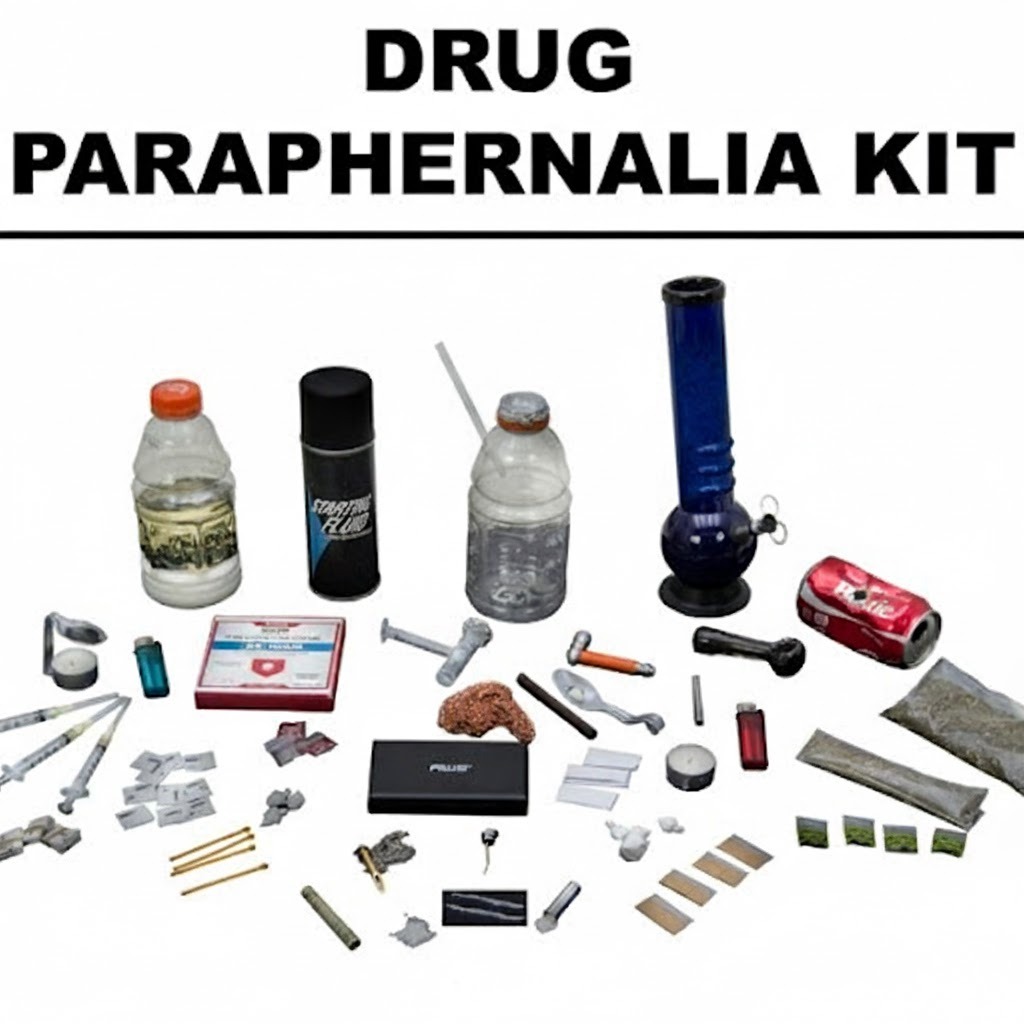
- Drugs & Drug Paraphernalia: Includes prescription drugs, controlled substances, and unapproved “miracle” cures. This also extends to items used to manufacture or consume drugs, such as certain types of pipes or testing kits.
- Dietary Supplements: Items that contain prohibited ingredients (like ephedra) or make unverified health claims. Any supplement that claims to treat a specific disease is automatically categorized as an unapproved drug.
- Medical Devices: Specifically, those that require a prescription or are not cleared by the FDA for over-the-counter sale. This includes professional-grade lasers, certain dental tools, and advanced heart monitors.
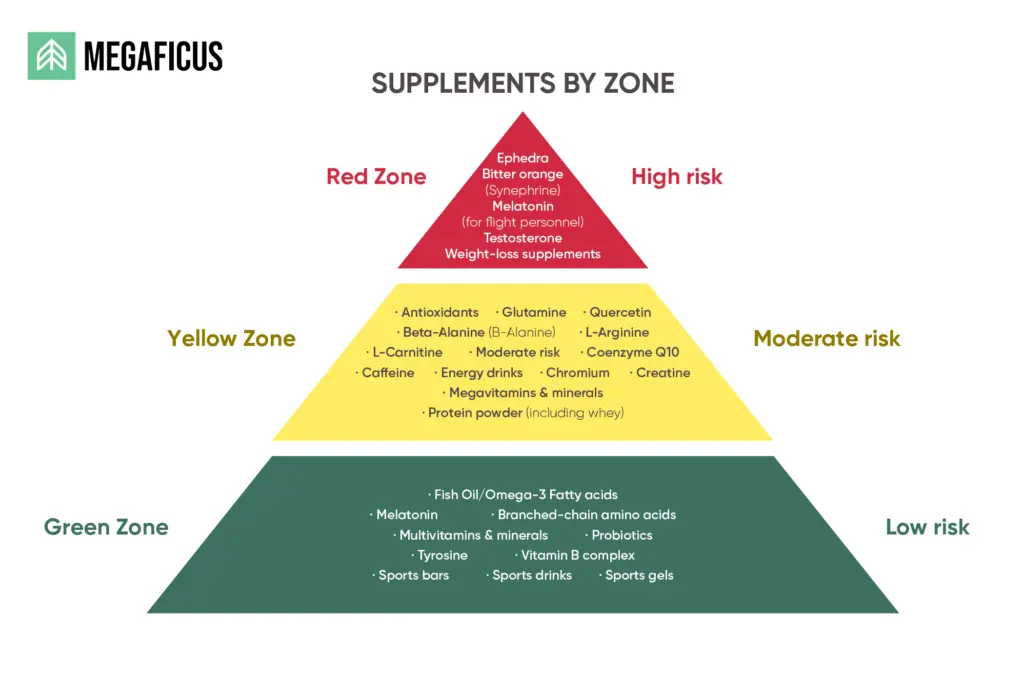
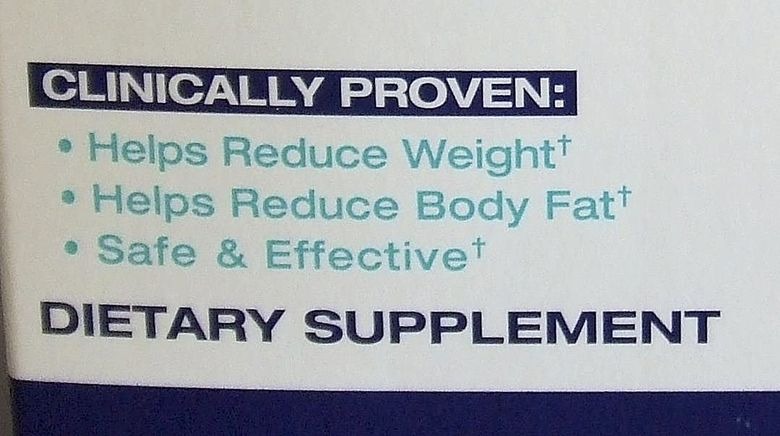
For example, if you listed “Weight Loss Gummies” that claim to “cure obesity,” you would be banned for making unverified medical claims. Furthermore, if the gummies contain “sibutramine,” they are considered an illegal drug on the platform. Even if you were unaware of the ingredient, the account would face a “Severe Violation.”
Safety & Hazardous Material Bans
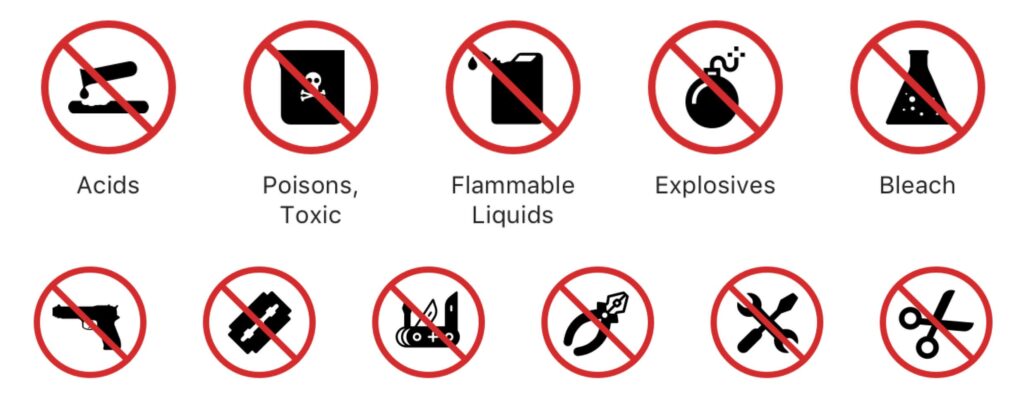
Hazardous materials, often called “Hazmat,” pose risks during shipping and storage. Amazon’s fulfillment centers have specific requirements for handling these, and many are banned for third-party sellers. This includes items that could leak, explode, or catch fire in a pressurized airplane cargo hold during transit.
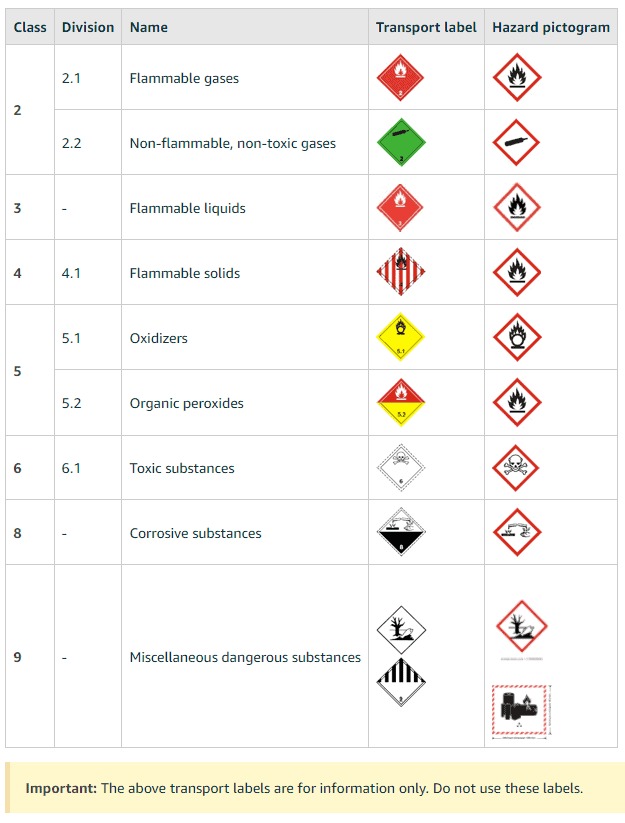
- Explosives, Weapons, and Related Items: Includes firearms, ammunition, certain knives (e.g., switchblades), and components to build explosive devices. Even realistic-looking toy guns can be banned if they lack the required orange safety tip.
- Hazardous and Prohibited Items: Chemicals, corrosive materials, and items containing high levels of lead or mercury. This also includes products containing asbestos or certain types of refrigerants.
- Pest Control Products: Pesticides or devices that do not comply with EPA registration and labeling requirements. This is one of the most common “accidental” ban categories for sellers today.
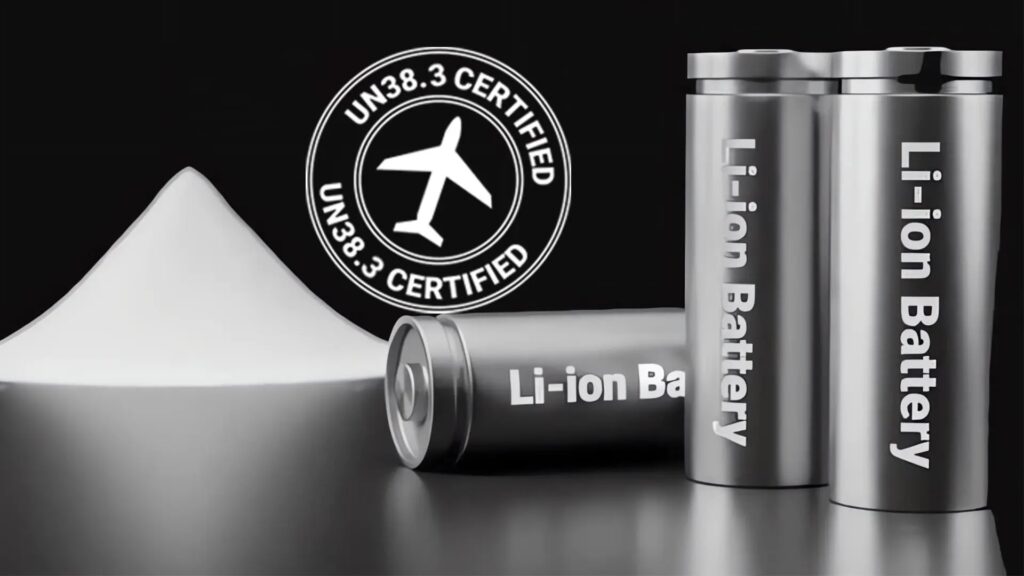
Real example: A seller attempting to ship a high-capacity lithium-ion battery without the proper “UN38.3” certification would have their inventory seized. These are often flagged as potential fire hazards in transit and can lead to the total destruction of the seller’s stock at the warehouse.
Highly Regulated Commodity Restrictions
Some products are legal to sell in physical stores but are restricted on Amazon due to the complexity of interstate shipping laws and age verification. These products require specialized permits that are rarely granted to the average third-party seller. Most of these items are prohibited by default for standard accounts.
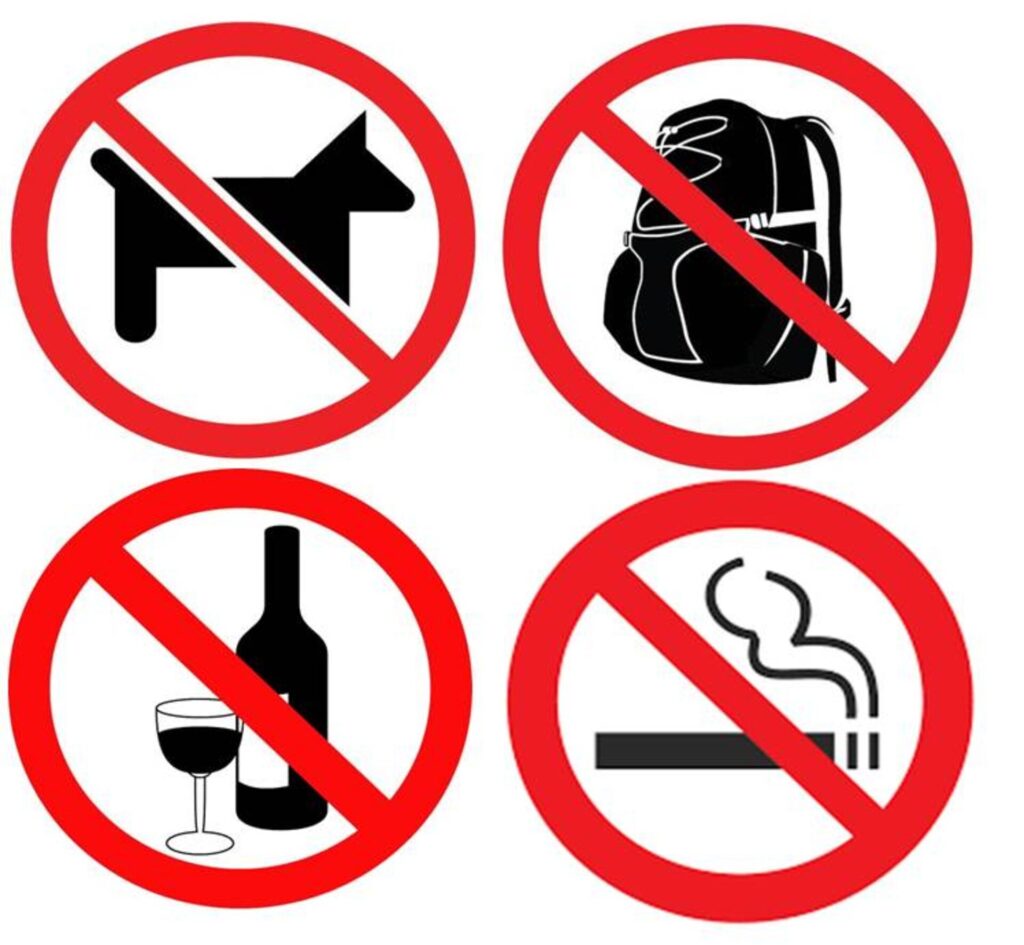
- Alcohol & Tobacco: Most alcoholic beverages and tobacco products (cigarettes, cigars, vapes) are prohibited for third-party sellers. This is due to the extreme difficulty in verifying age and tax compliance across different states and countries.
- Animals & Animal-Related Products: Items made from endangered species or prohibited animal parts. This includes anything containing real fur from specific species, ivory, or parts of protected sea turtles.
Megaficus has an example here. Selling “Cuban Cigars” is a double violation. It violates the tobacco policy and federal trade embargoes, leading to an immediate and permanent ban of the seller’s account. Even “empty” vintage cigar boxes from prohibited regions can sometimes trigger a flag in the system.

Electronics & Intellectual Property
Amazon is a major target for counterfeiters and those selling “grey market” electronics. To fight this, they have strict rules regarding signal interference and copyright. They also enforce regional restrictions to ensure that products sold meet the voltage and safety standards of the local destination country.
- Prohibited Electronics & Jammers: Devices that interfere with radio signals (jammers), modified gaming consoles, or products that violate FCC regulations. Any device that “jailbreaks” software is strictly forbidden.
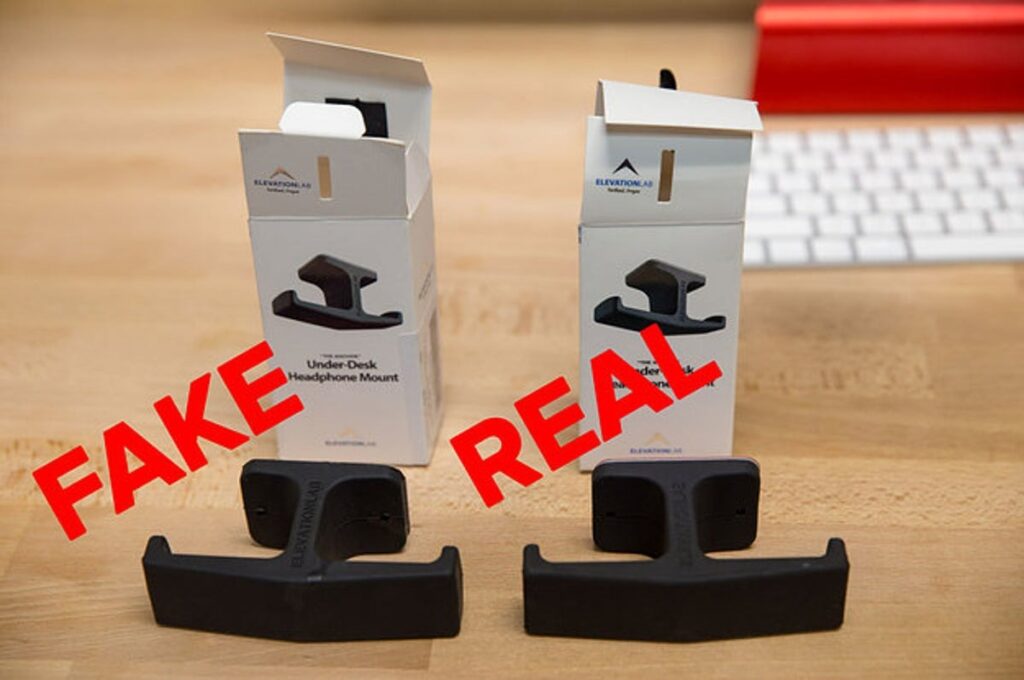
- Counterfeit & IP Infringing Items: Any product that violates a brand’s trademark, patent, or copyright. This is the primary cause of account suspensions globally and is policed by the “Brand Registry” teams.
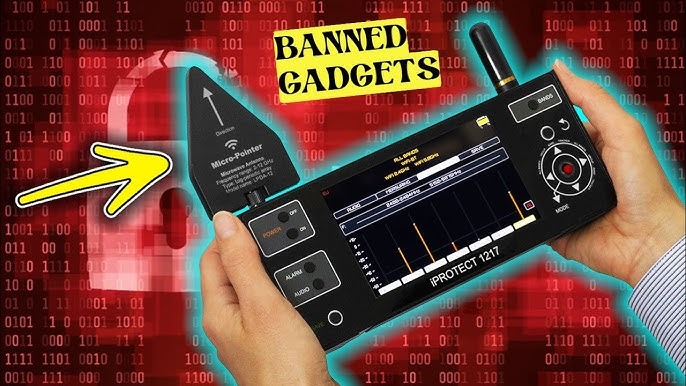
For instance, a “WiFi Jammer” advertised to help parents control kids’ internet time is actually an illegal device under FCC law. Listing this will result in a “zero-tolerance” violation notice and likely a permanent removal of selling privileges within minutes of the listing going live.
Specialized Prohibited Goods
This category covers items that are often regulated by international treaties or specialized federal laws, such as those governing currency or human remains. These items are rarely sold by accident and usually represent a deliberate attempt to bypass rules. Amazon maintains a very strict stance on these specific items.
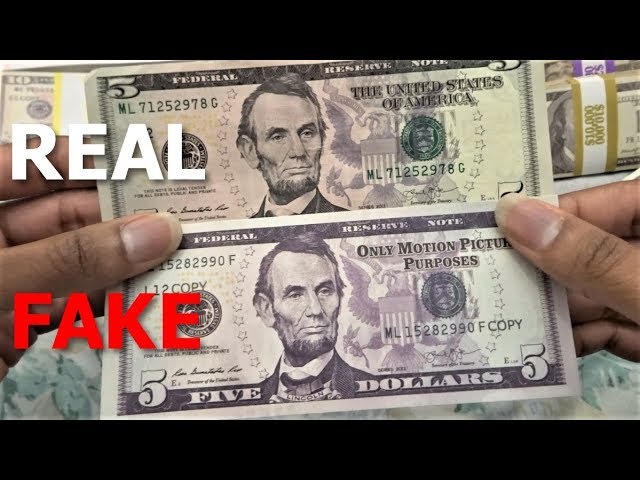
- Currency, Coins, and Cash Equivalents: Includes counterfeit money, gift cards from other retailers, and certain collectible coins. You cannot sell “Amazon Gift Cards” or “Starbucks Cards” unless you are an authorized partner.
- Human Parts & Burial Artifacts: A strict prohibition on the sale of human remains or items like grave markers and artifacts. This includes human hair and skeletal remains.
For instance, if you were an antique collector trying to sell a 19th-century grave marker, you would find the listing removed. Amazon prohibits the sale of burial-related artifacts to respect cultural heritage and legal protections, regardless of the item’s age or origin. This protects the company from cultural property theft claims.
How to resolve a banned Amazon product notification?
Receiving a restricted product notification is not necessarily the end of your business. However, how you react in the first 24 hours determines whether your account stays active or gets suspended. A panicked response often leads to mistakes that make the situation worse for your seller metrics.
You must approach the resolution with a calm, analytical mindset. Amazon values sellers who take responsibility and show a willingness to learn from their mistakes. Below is the approved five-step process to handle these notifications without risking a permanent account closure or total loss of inventory.
Step 1: Identify the Specific Prohibited Policy Violated
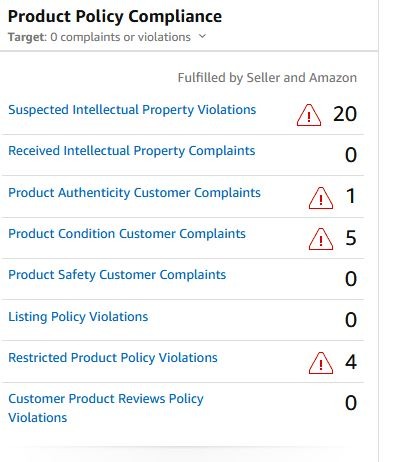
First of all, you must navigate to the “Performance” tab and then “Account Health.”
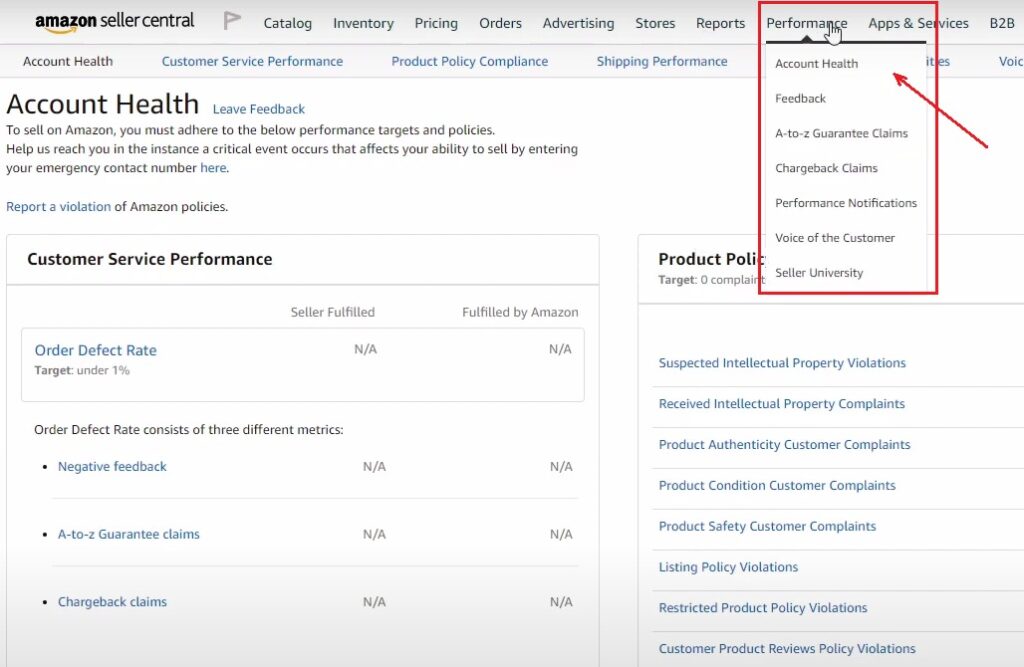
Then, look for the “Product Policy Compliance” section to find the specific ASIN and the policy name. You must understand if the ban is due to “Hazardous Materials,” “Pesticide Claims,” or “Copyright Infringement” to build a proper defense.
Step 2: Close or Delete the Non-Compliant Listing Immediately
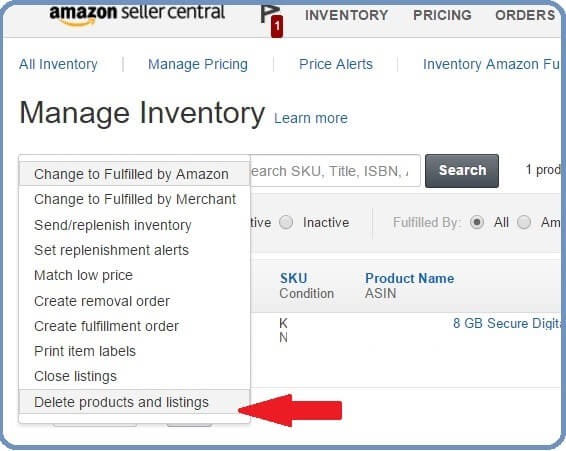
Do not leave the listing in “Inactive” or “Out of Stock” status. Amazon considers an inactive restricted listing as an active intent to sell. You must delete the ASIN from your inventory entirely. This shows the investigator that you have mitigated the immediate risk to the marketplace.
Step 3: Gather Supporting Compliance or Safety Documentation
If the product was flagged in error, you need evidence. This includes Safety Data Sheets (SDS), FDA registration numbers, or letters from the manufacturer confirming compliance. If it is a pesticide, you must provide the EPA Registration Number or prove it is an “exempt” product.
For example: If a seller’s kitchen knife was flagged as an “illegal weapon,” they should provide the manufacturer’s spec sheet. If the knife is a standard 8-inch chef’s knife and not a switchblade or “gravity knife,” it may be reinstated after a manual review by the compliance team.
Step 4: Submit a Professional Appeal or Dispute via Seller Central
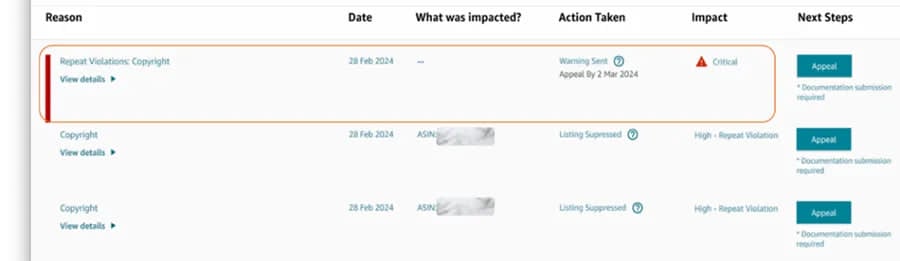
Click “Appeal” next to the violation. Write a concise statement explaining that you have deleted the listing and providing the documentation gathered in the previous step. A good appeal is factual, short, and acknowledges the importance of Amazon’s policies. Avoid emotional language or blaming others.
Step 5: Verify Sourcing and Manufacturer Authenticity
Amazon may ask for invoices from the last 365 days. These invoices must include the manufacturer’s contact info and your business details to prove the items are legitimate. Hand-written receipts or invoices from retail stores (like Walmart or Target) are often rejected by the verification team.
>>> Read more: Amazon Reimbursement Audit: How Sellers Recover Lost Funds
Frequently Asked Questions (FAQ) about Banned Amazon Products
You should search the ASIN or product type within the “Add a Product” tool in Seller Central. If the item displays a “Restricted” warning or requires specific documentation you cannot provide, it is likely on the prohibited list for your account.
The most effective approach is to first delete the listing, then submit a Plan of Action (POA) that identifies the root cause of the violation and provides physical proof (like lab results or safety certificates) that the item is compliant.
It depends on the severity of the ban. If an item is found to be illegal or extremely hazardous, Amazon may freeze the inventory and destroy it. For standard policy violations, you usually have 30 days to create a removal order before disposal.
Yes, but it requires a very strong appeal. You must demonstrate that you have implemented a new compliance framework, such as using automated scanning software, to ensure that no prohibited items will ever be listed in your catalog again.
Yes, many everyday items like shower curtains or computer keyboards are flagged as banned pesticides because they make antimicrobial or antibacterial claims. Resolving this usually requires completing a mandatory training course in Seller Central or removing the claims.
Get Professional Help from Megaficus
Navigating the world of banned Amazon products requires diligence and a deep understanding of marketplace law. Sellers who ignore these rules risk not only their inventory but their entire livelihood. The marketplace is becoming more automated every day, meaning mistakes are caught faster and punished more severely.
By following the five-step resolution process and focusing on the core prohibited categories, you can build a sustainable, compliant business that stands the test of time. Reach out to Megaficus now and we can help you identify high-risk ASINs before they trigger a notification, ensuring your account remains in good standing throughout the year.