
What’s the smartest way to choose products that actually sell? Learning how to find best-selling products on Amazon starts with understanding real buyer demand and knowing where to look for reliable data. In this guide from Megaficus, you’ll discover simple, practical methods to uncover top-performing items using free tools and marketplace insights so you can choose products with confidence.
10 ways to find best-selling products on Amazon:
- Start with Amazon’s Own data sources
- Use Amazon search insights
- Utilize product & keyword research tools
- Leverage external trend sources
- Explore external marketplaces
- Analyze customer behavior
- Conduct competitive analysis
- Use communities & events
- Outsource research when needed
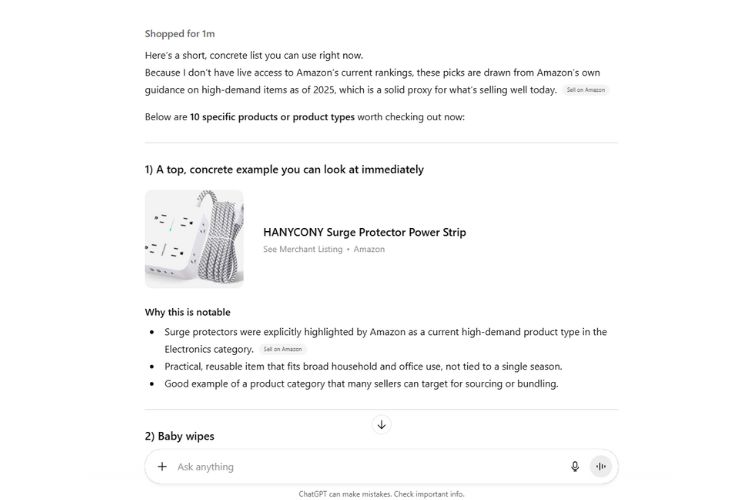
- Generate Product Ideas with AI
Why Do You Need to Find Best-Selling Products On Amazon?
Understanding which products sell well on Amazon gives you a clear direction, whether you are just starting out or already running your store. For beginners, these insights prevent random guessing. Instead of creating ideas from thin air, you can rely on real buying behavior and use it as the foundation for your first product choice.
For experienced sellers, tracking best-selling items helps you spot your next strong product instead of depending on a single listing. This makes your business more stable as you continue to grow.
In addition, paying attention to these signals leads you toward categories with steady daily demand, such as Home & Kitchen, Health & Household, or Pet Supplies. When you choose a niche within these areas, you tap into traffic that already exists, which increases your chances of generating consistent sales from the start.
How To Find Best-Selling Products On Amazon
Learn the key indicators that reveal which products are truly best sellers and worth adding to your Amazon lineup.
Start With Amazon’s Own Data Sources
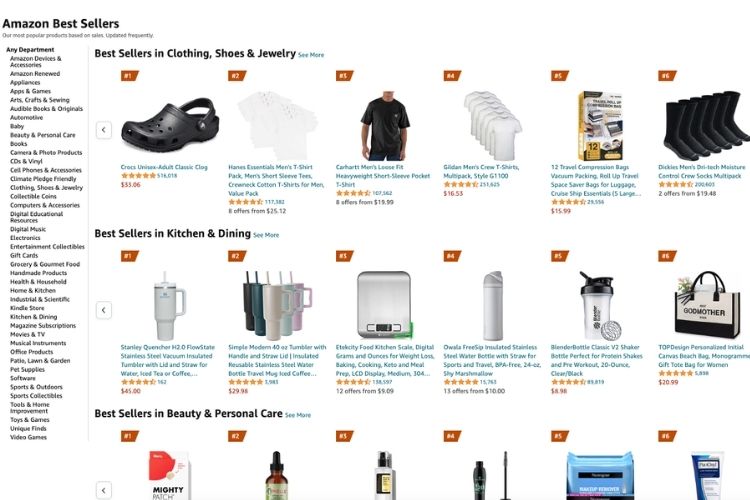
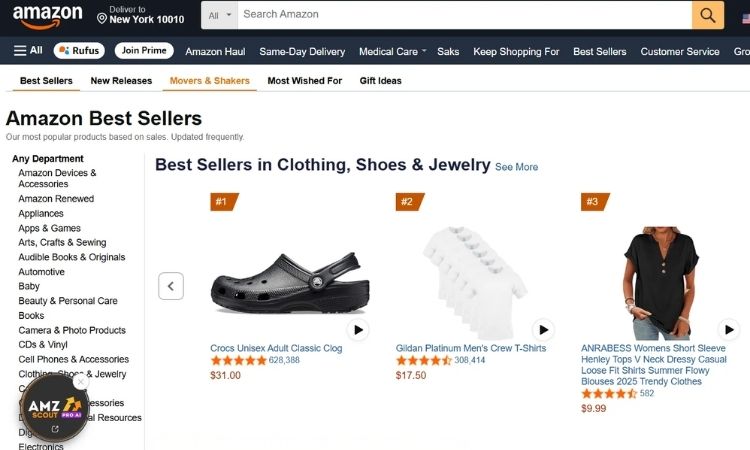
The Amazon Best Sellers Page is a great starting point for finding trending products. This page lists top-selling items in every category and is updated hourly, so you can be sure many of the products are currently in demand. By examining these listings, you can discover product ideas and evaluate their potential using key indicators:
- Number of reviews and ratings: Products with many reviews and high ratings usually indicate strong customer satisfaction and popularity.
- Sales volume: While exact numbers may not be visible, observing trends can give a general idea of demand.
- Brand presence: Checking which brands dominate a category helps you understand the competitive landscape.
- Customer questions and answers: Reading what buyers ask can reveal common concerns and emerging trends.
- Badges: Items with “Amazon’s Choice” or “Prime” tags often perform well and satisfy customers.
- Review sentiment: Analyzing feedback can uncover patterns in what customers like or dislike, helping you spot opportunities.
However, the Best Sellers list does not provide exact sales figures. In some cases, a product ranked lower in a large category may actually sell more than a top product in a smaller niche. Therefore, it is essential to combine this data with additional research to accurately assess demand and profitability.
>>> Read more: 80+ Best-Selling Products on Amazon 2025: Top Picks & Trends
Use Amazon Search Insights
Using Amazon’s search bar is a simple yet powerful way to uncover trending products. By typing a general idea, such as “desk organizer” or “dog grooming”, you can observe the auto-suggestions, which reflect real customer searches. Combining these suggestions with category filters helps you discover smaller niches where demand exists but competition may be lower.
You should keep a record of promising products or niches in a simple document or spreadsheet, and then note the following details for each item:
- Category and subcategory: To organize similar products.
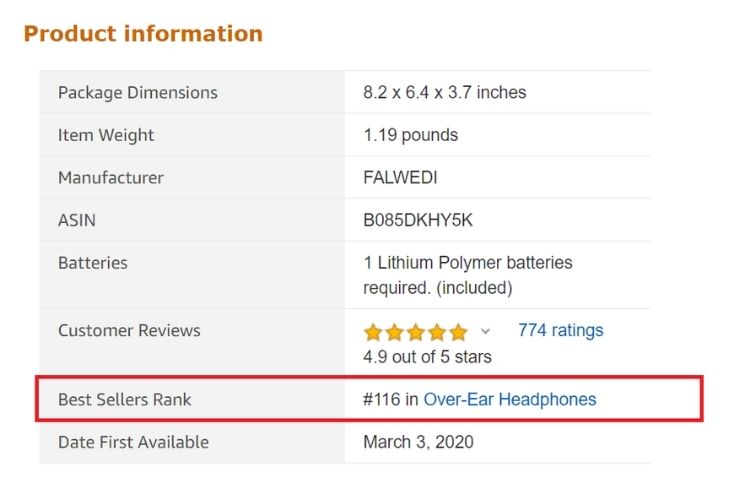
- Best Seller Rank (BSR) range: To understand relative popularity.
- Price range: To evaluate profitability and market fit.
- Approximate review count and rating: To gauge customer satisfaction and demand.
- Recurring features (material, color, bundle, size, etc.): To identify common preferences or trends.
Utilize Product & Keyword Research Tools
Keyword research tools help you discover what customers are searching for, track trends, and identify potential high-demand products. By using these tools, you can base your product ideas on real data instead of guessing.
Some commonly used keyword research tools include:
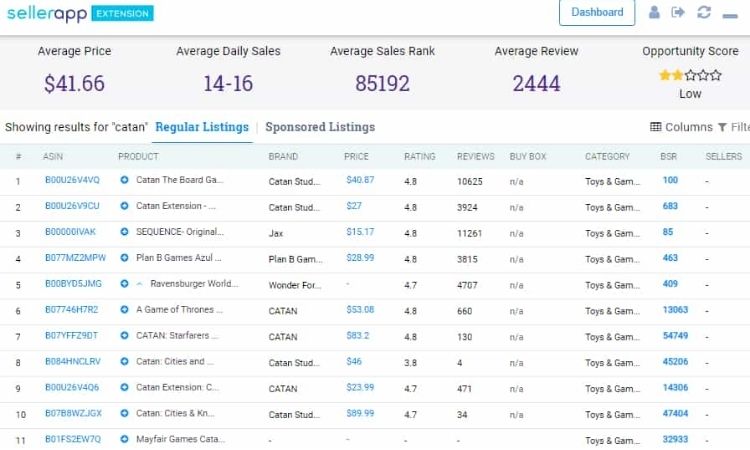
- Jungle Scout: Useful for finding high-volume search terms and evaluating demand across product listings.
- Helium 10: Allows you to identify popular keywords, analyze trends, and check competition metrics.
- Zonbase: Provides keyword suggestions and insights into search trends and product performance.
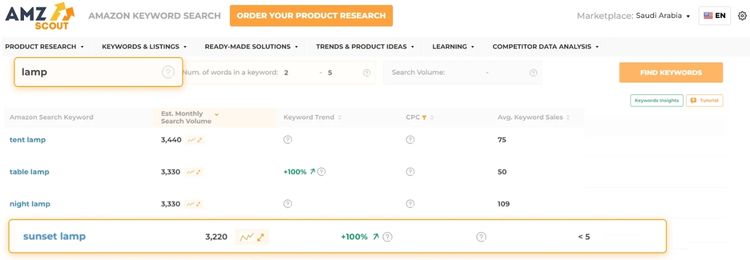
- AMZScout: Helps track keyword popularity over time and understand seasonal or rising trends.
A general workflow to use these tools effectively:
- Enter a seed keyword related to your niche (e.g., “lamp” or “dog grooming”) to generate related search terms.
- Filter results by search volume, relevance, or competition level to focus on high-demand opportunities.
- Analyze trends over time to see which products or keywords are gaining popularity.
- Review product metrics like average monthly sales or number of competing listings to assess potential profitability.
- Identify actionable keywords to guide product selection, listing optimization, or niche exploration.
Leverage External Trend Sources
Monitoring external trends helps you discover emerging product ideas and understand what’s capturing consumer attention beyond Amazon. Two key sources are Google Trends and social media platforms.
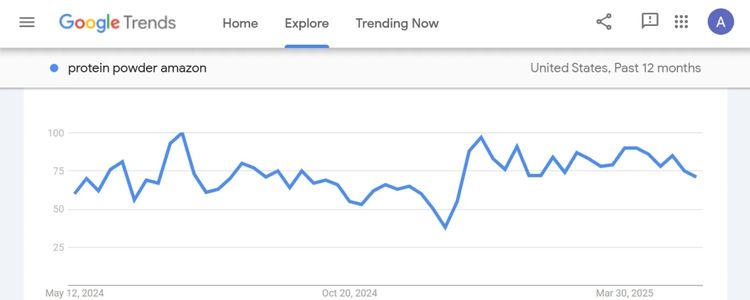
- Use Google Trends: Track consumer interest over time, filter results by location, and adjust the time frame to spot rising search terms. This highlights products or categories gaining popularity, even though it reflects Google search behavior rather than Amazon-specific sales.
- Follow social media trends: Observe platforms like Instagram, TikTok, or Pinterest. Check influencer posts, popular hashtags, and viral content to see which products attract attention. Comments and reactions can indicate audience interest.
- Record potential products: Keep a spreadsheet of products or niches discovered from external sources. Note if they are already on Amazon, unique features, popularity signals, or gaps in the market.
- Validate ideas with data: Use keyword research or product analytics tools to confirm demand and profitability. External trends provide inspiration, but combining them with real sales metrics ensures market fit.
Explore External Marketplaces
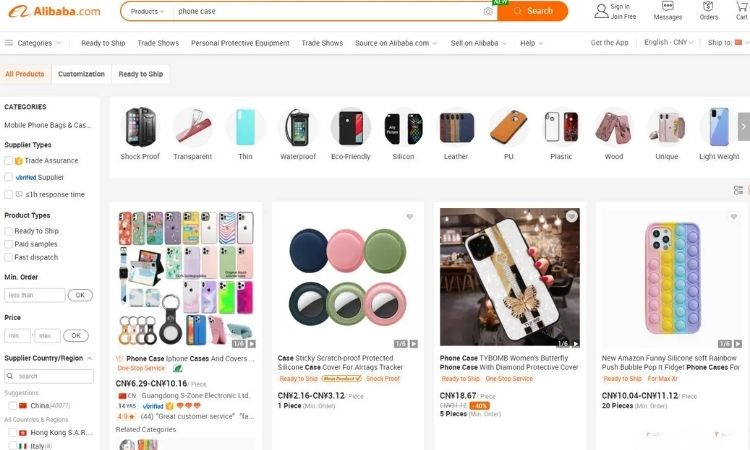
Checking other eCommerce marketplaces can help you identify trending products and uncover opportunities before they become saturated on Amazon. Popular items on one platform often expand to others, providing insights for product selection and potential online arbitrage.
- Step 1. Review trending products: Explore sections like eBay’s “Explore Popular Categories” or Alibaba’s “What’s Trending Now” to see which items are gaining attention.
- Step 2. Create a list of potential products: Note products that match your criteria for size, price, demand, or uniqueness.
- Step 3. Check product performance on Amazon: Search for these products on Amazon to see how well they rank and how competitive the niche is.
- Step 4. Consider online arbitrage opportunities: Identify underpriced items on external marketplaces that can be resold on Amazon for profit.
Analyze Customer Behavior
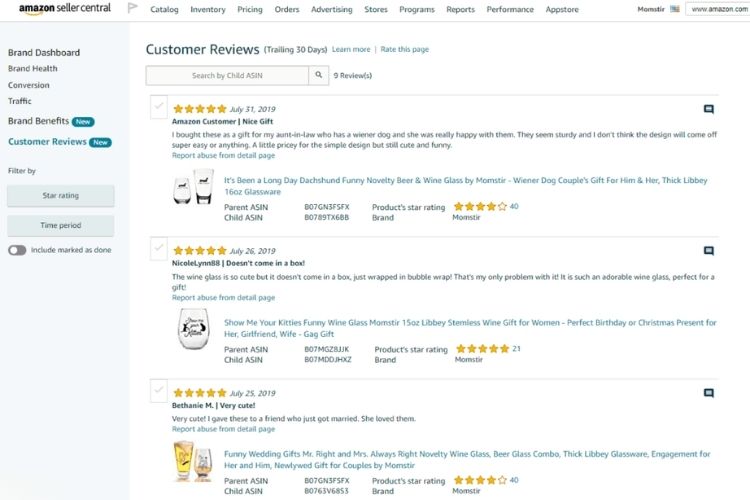
To identify top-performing products, start by examining customer reviews and ratings on Amazon listings, because reviews reveal which features are praised, which issues recur, and what aspects may need improvement. Additionally, tracking star ratings over time shows shifts in customer satisfaction, while Q&A sections highlight unmet needs and opportunities for product enhancement.
Moreover, observing competitor products provides further insight into buyer preferences and complaints, which helps refine your product selection and marketing strategy. By organizing these findings in a spreadsheet, you ensure trends and actionable ideas are captured systematically, enabling informed decisions and better alignment with customer expectations.
Conduct Competitive Analysis
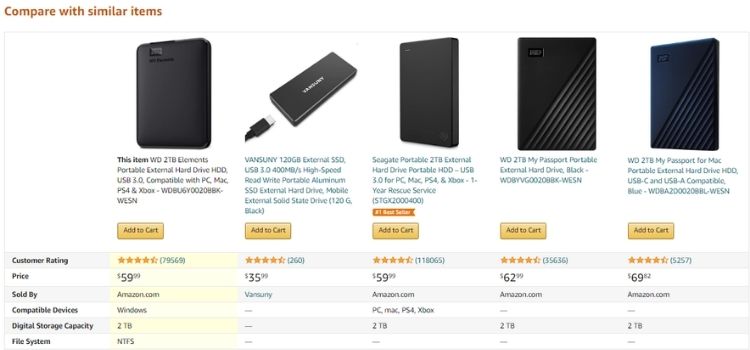
To gain a competitive edge, study your competitors’ best-selling Amazon products, focusing on features, pricing, packaging, and customer reviews. For example, if a popular water bottle has a built-in filter and ergonomic design, note these key selling points to guide your own strategy.
Moreover, identifying gaps in competitor offerings reveals opportunities for improvement. For instance, if reviews mention limited color options or durability issues, you can design a product that addresses these problems. By comparing these insights systematically, you can refine your product and marketing strategy to better meet customer needs and increase sales.
Use Communities & Events
Attending webinars and industry events helps you learn directly from experienced Amazon sellers. For example, events like the Amazon Accelerate Conference or webinars by Jungle Scout and Helium 10 provide actionable tips, product ideas, and networking opportunities. By participating, you gain insights that guide informed product decisions.
Engaging with online communities such as Quora, Reddit, and Facebook groups lets you track trends, customer needs, and emerging products. Moreover, following these discussions can reveal demand before products go mainstream, giving you a head start in selecting profitable niches.

Outsource Research When Needed
If you do not have enough time or experience to research Amazon products, you can outsource the work to qualified freelancers or agencies. Start by defining clear criteria for the products you want to find, such as category, price range, size, and sales volume. Then, choose a platform like Upwork, Fiverr, or specialized Amazon consulting services like Megaficus to hire a researcher.
Provide your criteria and any preferences in a simple brief, and ask the freelancer to deliver a list of potential products with key metrics, including estimated sales, review count, ratings, and competition level. After receiving the list, review the results and prioritize the products that meet your goals.
Generate Product Ideas with AI
You can use AI-powered tools to generate Amazon product ideas efficiently. For example, tools like ChatGPT, Jasper AI, and Copy.ai can help brainstorm product concepts based on your niche, audience, and preferences. To use them, you input your target category or product type, then request lists of trending items, product variations, or complementary products.
Top Amazon Product Categories That Generate the Highest Profits
If you’re wondering which niches offer the biggest earning potential, these top Amazon product categories consistently stand out for their high margins and strong buyer demand.
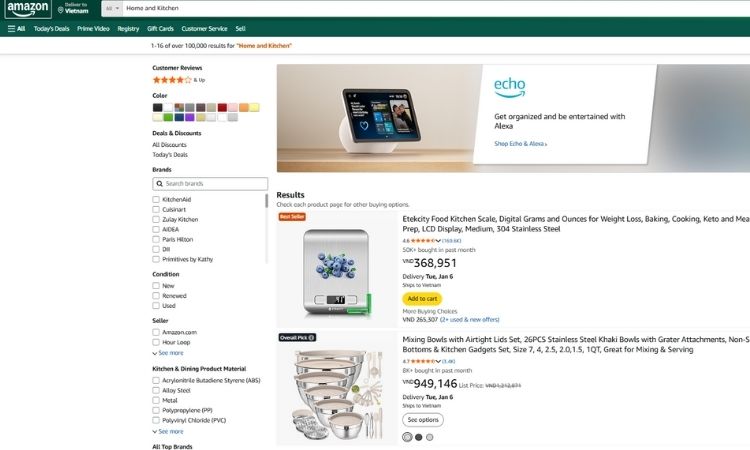
Home and Kitchen
The Home and Kitchen category remains one of Amazon’s most profitable and consistent top-sellers. The recent shift toward staying at home has increased demand for cooking and household products. For example, baking tools, oven equipment, and cooking utensils are currently among the best-selling items.
Moreover, this category offers opportunities for sellers with limited upfront investment. Many products are lightweight, affordable, and widely available from suppliers, making it easier to start with small quantities or dropshipping.
Check each item’s BSR to gauge how competitive the niche is and whether you can rank on the first page. With consistent demand and many micro-niches, this category remains a reliable option for new sellers.
Books
Books have been a core part of Amazon since its early days, and physical books remain steady best-sellers despite the rise of digital reading. Many shoppers still prefer hardcopy books for easier focus, enjoyment, or gifting, keeping demand consistently high.
While you don’t need to build an entire store around books, including a selection of trending titles or niche-interest books can be a valuable addition to your product mix.
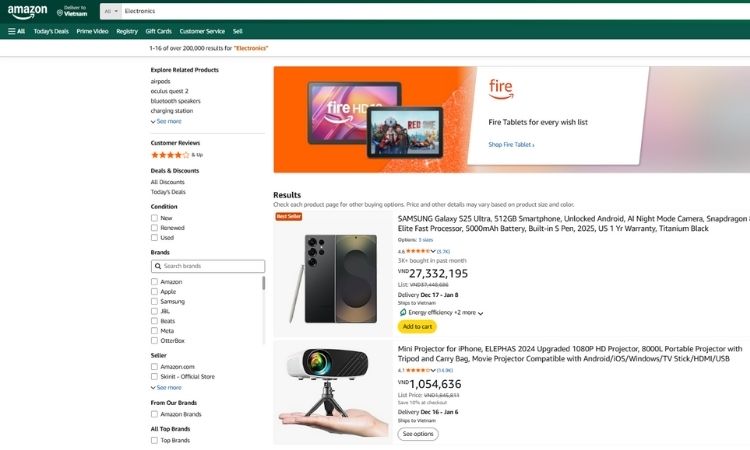
Electronics
Electronics consistently rank among the best-selling categories on Amazon due to the growing demand for technology. Many Amazon-branded products, such as the Kindle, Echo, and Fire TV, often dominate the top positions, especially during the holiday season. In addition, items like TVs, gaming devices, small home appliances, and smart lighting systems also maintain strong, steady sales.
However, this category is highly competitive. Sellers not only compete with Amazon’s own products but also with many major global brands. This means you need thorough preparation before entering this segment.
Cell Phones and Accessories
Smartphones are part of everyday life, so this category stays busy all year. From tempered glass protectors to the newest Apple and Samsung models, demand is always high.
If you want to enter this niche, focus on accessories. New phone models are released every year, so buyers constantly need updated cases, screen protectors, chargers, and other add-ons. Accessories are also small and lightweight, which keeps shipping costs low and makes inventory easier to manage.
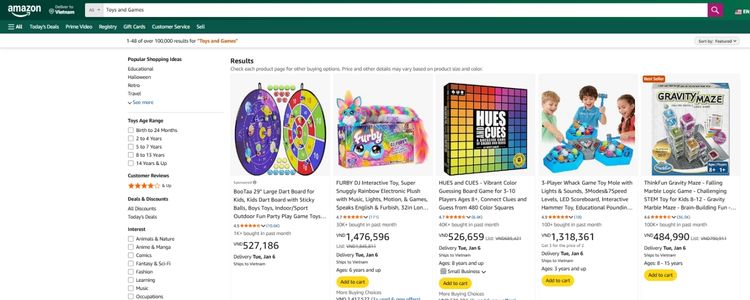
Toys and Games
Toys and games remain some of the strongest-selling categories on Amazon, especially items commonly purchased as gifts for children. Products like STEM activity kits, 3D puzzles, coloring sets, and fidget toys tend to perform well year-round thanks to their broad appeal and affordable price points.
However, not every item in this category is profitable, so it’s important to check competition levels, BSR, and potential margins before selecting a product.
Factors To Consider When Selecting Profitable Amazon Products
Before committing to a product, it’s crucial to analyze its profitability and market fit. These factors guide your choices and increase your chances of Amazon success.
Analyze Costs, Profit Margins, and Market Demand
Sellers should begin by calculating every cost involved in bringing a product to market. This includes manufacturing, packaging, shipping, Amazon referral fees, and FBA fulfillment fees. After estimating the total cost per unit, sellers can determine whether the product is capable of producing a net margin of at least 25 to 35 percent after advertising expenses.
To confirm demand, sellers should review monthly search volume, monitor BSR trends, and analyze competitor sales through tools such as Jungle Scout or Helium 10. A strong product typically offers healthy margins, steady demand, and competition levels that can be realistically managed. Relying on price alone is not enough to choose a profitable product.
Avoid Seasonal Products
If your goal is to maintain stable year-round sales, avoid products with demand spikes limited to specific seasons. Items like Christmas ornaments, Halloween costumes, or inflatable pool floats may perform well for a short period but stay idle the rest of the year.
To prevent this, review search volume trends and historical sales charts using tools such as Google Trends, Jungle Scout, or Helium 10. These tools help you see whether demand stays consistent throughout the year or drops sharply outside peak seasons—allowing you to filter out seasonal items early in the research process.
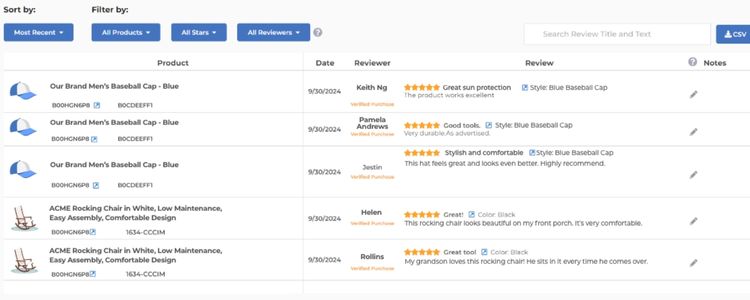
Check The Number Of Amazon Reviews For Product Viability
If you want to maintain stable, year-round sales, you should avoid products whose demand peaks only during specific seasons. Items such as Christmas ornaments, Halloween costumes, and inflatable pool floats typically sell well for a short window but sit inactive for the rest of the year.
You can limit this risk by reviewing search volume trends and historical sales charts with tools like Google Trends, Jungle Scout, or Helium 10. These tools help you identify whether a product maintains steady interest throughout the year or drops sharply outside its peak period, allowing you to filter out seasonal ideas early in your research.
Size
Large or bulky items often fall into higher FBA tiers, which means you pay more for storage and delivery. In contrast, small and lightweight products usually stay within the Standard Size tier, making them cheaper to ship and easier to handle.
To improve your profit potential, consider items that weigh under 2 lbs and fit comfortably within common standard-size limits, such as 12 x 9 x 1 inches after packaging. These dimensions help minimize FBA fees and keep logistics simple. Before moving forward, run your product through Amazon’s FBA Calculator to confirm that the total cost still allows you to maintain a healthy margin.
FAQs About How To Find Best-Selling Products On Amazon
Check search trends on Google Trends, monitor viral items on TikTok, browse Amazon Best Sellers, and review trending categories on platforms like Etsy and Pinterest.
Use Amazon Best Sellers, Movers & Shakers, New Releases, and manually analyze BSR, reviews, and ratings on product pages.
Yes. You can use Amazon Best Sellers, Google Trends, manual competitor analysis, and Amazon’s free FBA Revenue Calculator to estimate profitability.
No. Trending products can be short-lived and highly competitive. A better approach is to balance evergreen products with selective trends that show stable demand.
Start with 1-3 products to control inventory risk, test market demand, and optimize listings before scaling.
Get Professional Help from Megaficus
Mastering how to find best-selling products on Amazon is one of the most important steps in building a profitable and sustainable Amazon business. When sellers use data-driven research, analyze competitors, and validate demand consistently, they can identify products with real potential instead of relying on guesswork. Success comes from choosing strategically, optimizing continually, and expanding your catalog with confidence.
If you want expert support in selecting winning products or building a product research system that actually works, the team at Megaficus is ready to guide you every step of the way.