
How do successful sellers consistently win visibility and sales on Amazon? Understanding how to market your product on Amazon can make you one of them by turning competition, keywords, pricing, and advertising into a structured system that guides shoppers from discovery to purchase.
Quick Summary
- Competitor Intelligence: Reach the “tipping point” of 15 to 20 reviews by analyzing rival feedback to fill critical gaps in the marketplace.
- SEO Foundations: Master the A9 algorithm and launch targeted ads with a budget as low as $5 a day to drive initial organic visibility.
- Pricing Dominance: Secure the Featured Offer to capture over 80% of all platform sales through automated pricing and strategic coupons.
- Strategic Growth: Use Brand Registry and influencers to earn a 10% Brand Referral Bonus while building a sustainable brand ecosystem.
Analyze Your Competition to Find an Advantage
Before you start selling, you need to look at what other brands in your category are doing well and where they are falling short.
Learning from Customer Feedback
Look at your competitors’ reviews to see what shoppers love and what they complain about, then highlight how your product solves those problems. For example, if a top competitor has 1,000 reviews but 20% mention the “straps break easily,” you have found your primary marketing angle.
Your marketing should scream that your straps are reinforced with industrial stitching. By addressing these specific pain points, you shift the conversation from price to quality. Shoppers are often willing to pay a premium for a product that promises to fix a known frustration.
Keeping an Eye on Page Changes
Watch how top sellers update their photos or prices over time to spot new trends or opportunities to grab their customers. Changes in a competitor’s main image often signal a shift in what Amazon’s algorithm is currently favoring.
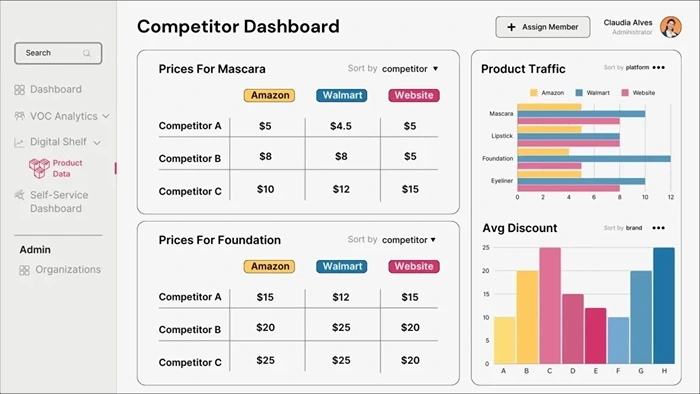
If a competitor raises their price by $5, it may indicate they are running low on stock. This is your window to increase your ad spend and capture their displaced traffic. Monitoring these shifts allows you to remain proactive rather than reactive in a fast-paced environment.
Exploring Related Products
Find brands that sell items that go well with yours to see if there are ways to reach their audience through shared marketing. If you sell organic coffee beans, look at the top-selling French presses or milk frothers.
Treat these brands as your potential partners, not your competitors. You can target their product pages with your ads to reach high-intent shoppers. This cross-pollination of audiences is a sophisticated way to expand your reach beyond your primary category.
Key Takeaways
Success starts with identifying the “white space” left by your competitors through diligent review mining and monitoring their page updates. Use this intelligence to position your product as the logical solution to the most common frustrations that shoppers have with existing market leaders.
Master the Fundamentals of Keyword Research
Keyword research is the most important part of Amazon SEO. Without the right keywords, even the best product remains invisible to the millions of shoppers visiting the site daily
How the Search Engine Works
Amazon’s algorithm prioritizes products that are most likely to sell, so your keywords need to match what buyers are actually looking for. The algorithm, known as A9, focuses heavily on conversion rates and sales velocity for specific search terms.
If your product converts well for “stainless steel water bottle,” Amazon will keep moving you up the rankings for that term. This creates a “flywheel effect” where more sales lead to better rankings, which lead to even more sales.
Finding the Right Search Terms
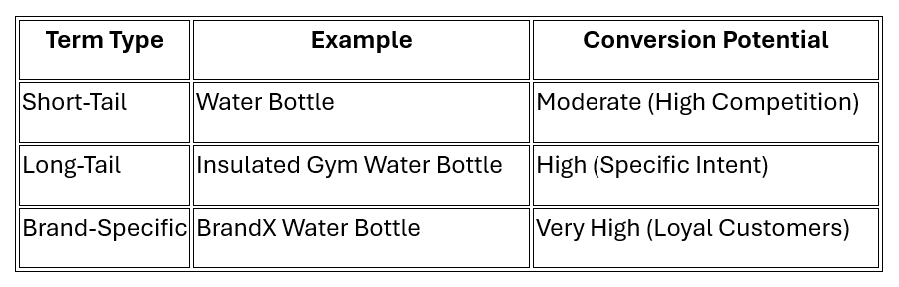
Use a combination of your own ideas, Amazon’s search suggestions, and competitor pages to build a list of the best keywords. Start with “seed keywords” that describe your product in the simplest terms and then expand into long-tail variations.
Long-tail keywords often have lower search volume but much higher conversion rates because they are more specific. For example, “blue vacuum insulated water bottle for hiking” is more targeted than just “water bottle.”
Using Helpful Tools
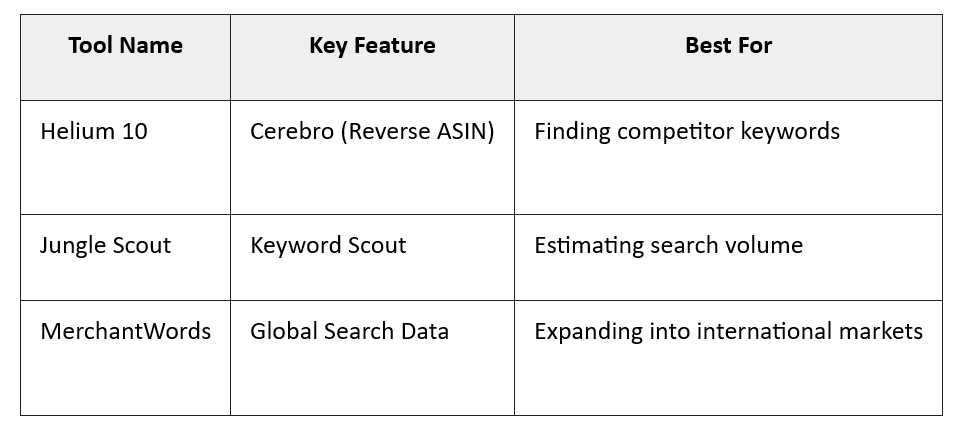
There are specific tools designed for Amazon sellers that can show you exactly how many people are searching for specific words each month. Tools like Helium 10 or Jungle Scout provide “Reverse ASIN” lookups to see what keywords your competitors rank for.
Key Takeaways
Effective keyword research requires a deep understanding of the A9 algorithm and the use of professional tools to identify high-intent search terms. Prioritize long-tail keywords that describe specific benefits to improve your conversion rates and build consistent sales momentum over time.
>>> Read more: 10 Best Free Amazon Product Research Tools for FBA Sellers
Optimize Your Listing Content for Better Results
Your title, images, and descriptions need to be carefully crafted to grab attention and convince shoppers to click the “Add to Cart” button. Once keywords bring a customer to your page, your content must close the deal.
Writing Clear Product Titles
Your title should be easy to read but also include your most important keywords and the biggest benefit of your product. Megaficus suggests you use the first 80 characters of your title to state exactly what the product is and its main use. Also, avoid “keyword stuffing,” which makes the title look like spam and confuses the reader.
A good formula is: Brand + Model + Key Feature + Material + Quantity. This ensures both the algorithm and the human shopper get the information they need within the first few seconds of viewing.
Using Great Photos and Videos
High-quality pictures and short videos help shoppers understand exactly what they are buying, which builds trust and increases sales. Your main image must be on a pure white background, but your secondary images should show lifestyle use.
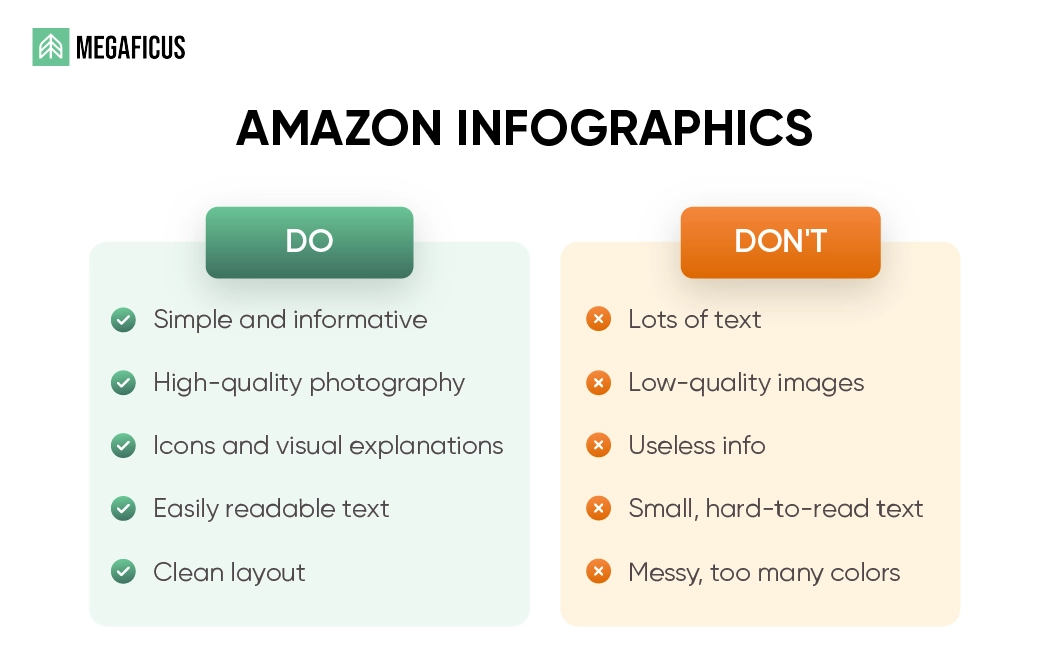
Include “infographic” style images that point out specific features with text overlays. A 30-second video showing the product in action can increase conversion rates by up to 20% because it removes the “fear of the unknown.”
Using Bullet Points to Answer Questions
Make your bullet points short and informative so that customers can quickly see the most important facts about your item. Use the first few words of each bullet point in capital letters to highlight the main benefit.
Think of bullet points as a “Frequently Asked Questions” section. If customers often ask if your product is waterproof, make “100% WATERPROOF” your very first bullet point. This reduces friction in the buying process.
Key Takeaways
Listing optimization is about balancing the needs of the search algorithm with the emotional triggers of the human shopper. Use professional photography, informative videos, and clear, benefit-driven titles to reduce friction and encourage a faster “Add to Cart” decision from visitors.
Develop a Smart Pricing Strategy
Pricing is a major factor in whether or not you win the “Featured Offer,” which is the main button customers use to buy. On Amazon, being just a few cents more expensive than a competitor can result in a significant drop in sales.
Winning the Main Buying Spot
Use Amazon’s automatic tools to adjust your price based on what your competitors are doing, helping you stay in the top spot 24/7. The “Automate Pricing” tool in Seller Central allows you to set rules, such as “stay $0.10 below the lowest price.”
Winning the Featured Offer (Buy Box) is essential because over 80% of Amazon sales happen through that single button. If you do not have the Buy Box, your marketing efforts will essentially be driving sales for other sellers.
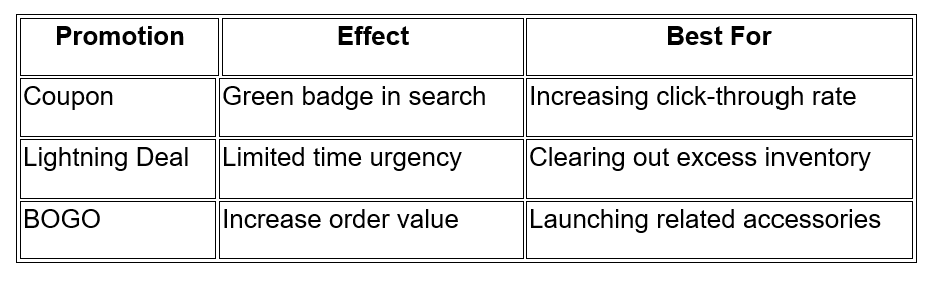
Using Deals and Coupons
Offering a small discount or a coupon can make your product stand out in a crowded search result and encourage more clicks. A bright green “Save 5%” badge next to your price is a powerful psychological trigger for shoppers.
Keeping Prices Fair
It is important to stay within Amazon’s pricing rules to keep your account in good standing and maintain the trust of your customers. Avoid “price gouging” or sudden, extreme price hikes, as these can trigger account suspensions.
Amazon also monitors your prices on other websites. If you sell your product cheaper on your own site than on Amazon, they may strip you of the Buy Box to protect their “Price Parity” expectations.
Key Takeaways
A competitive pricing strategy involves more than just being the cheapest; it requires winning the Buy Box and using coupons to trigger sales. Monitor your rivals constantly and use automation to ensure you are always positioned as the best value choice for the customer.
>>> Read more: What Are Amazon Promotions? A Complete Guide for Sellers
Connect Your Online Store with Amazon
If you have your own website, linking it to your Amazon account can help you manage your entire business from one place. This creates a unified “omnichannel” strategy where your brand exists both on your territory and on Amazon’s.
Syncing Your Inventory
By connecting your store, you can make sure your stock levels are always correct, preventing you from accidentally selling items you don’t have. Overselling can lead to canceled orders, which severely damages your Amazon seller metrics.
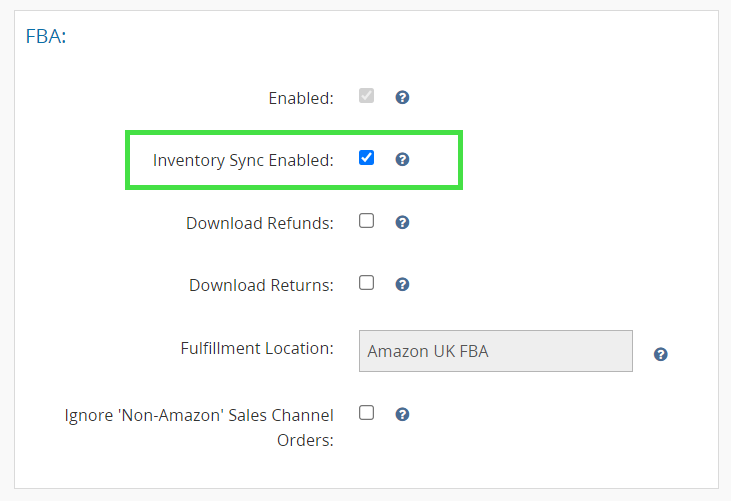
Using a connector tool ensures that if you sell a unit on your website, your Amazon inventory count drops by one automatically. This automation saves hours of manual data entry and protects your brand reputation from fulfillment errors.
Managing Everything Together
You can track your orders and update your product info for both your site and Amazon using a single, centralized dashboard. This “single source of truth” makes it much easier to scale your business to other marketplaces later.
Centralized management also allows for better financial tracking. You can see your total profit margins across all channels in one view, helping you decide where to allocate your marketing budget for the best return.
Key Takeaways
Connecting your online store with Amazon streamlines your operations through inventory syncing and centralized order management. This omnichannel approach reduces the risk of fulfillment errors and provides the data needed to make informed scaling decisions for your growing brand.
Build Trust with Positive Customer Reviews
Reviews are the best way to show new shoppers that your product is high-quality and that your brand can be trusted on a platform where customers cannot touch the product.
Getting Your First Reviews
Programs like Amazon Vine allow you to send products to trusted reviewers in exchange for an honest, early look at your item. This is the only “Amazon-approved” way to get reviews for a brand-new product listing.
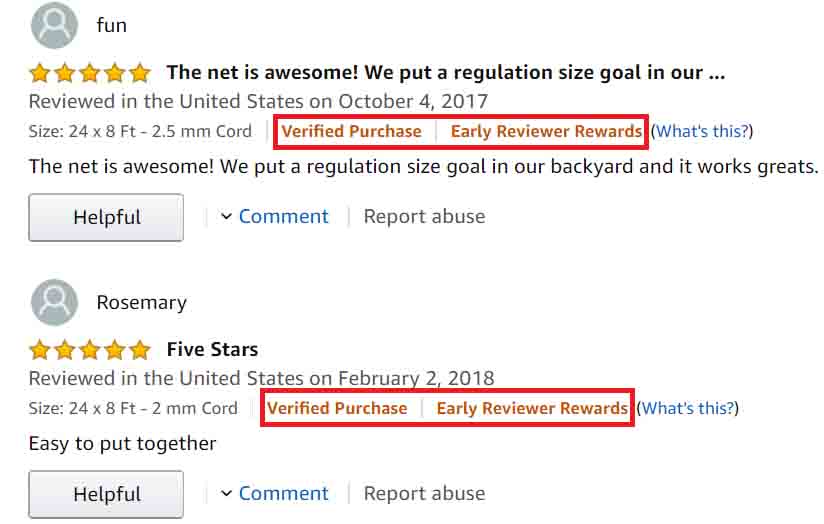
Having at least 15 to 20 reviews is often considered the “tipping point.” Before this, your conversion rate will likely be low because shoppers are hesitant to be the first person to try a new item.
Following Up with Buyers
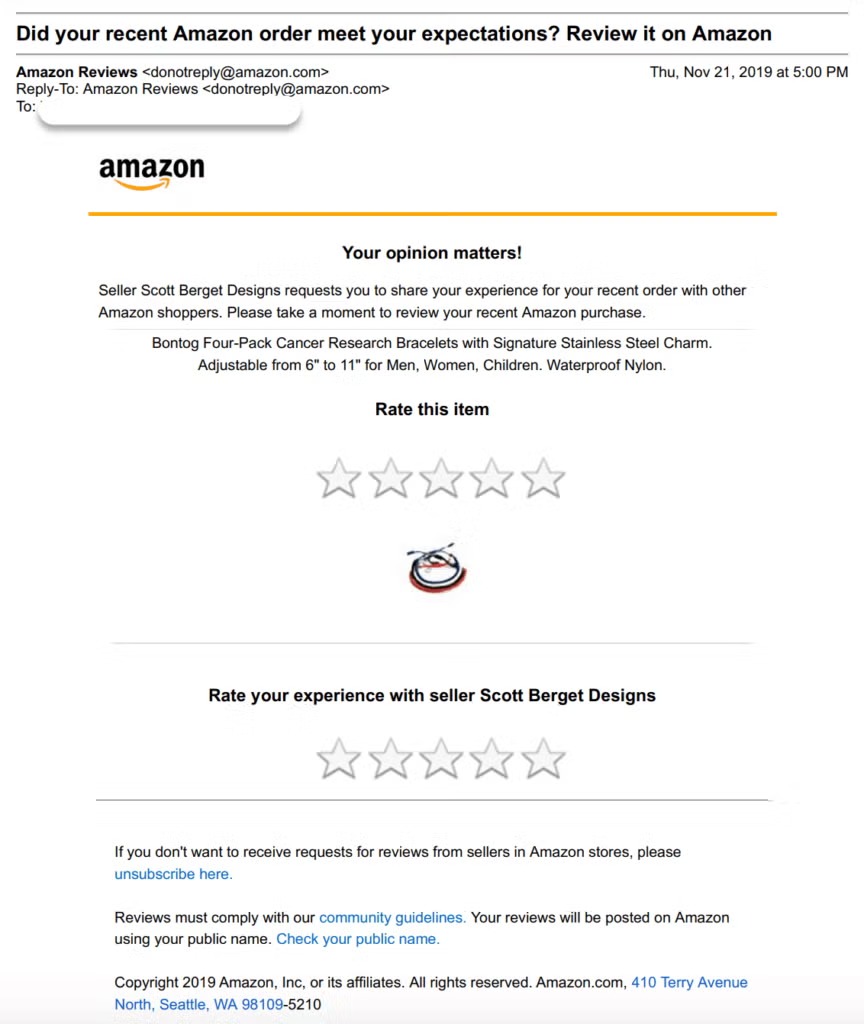
Sending a friendly, automated email to confirm that a customer received their order is a great way to encourage them to leave feedback. Amazon has a “Request a Review” button in Seller Central that sends a standardized, compliant email.
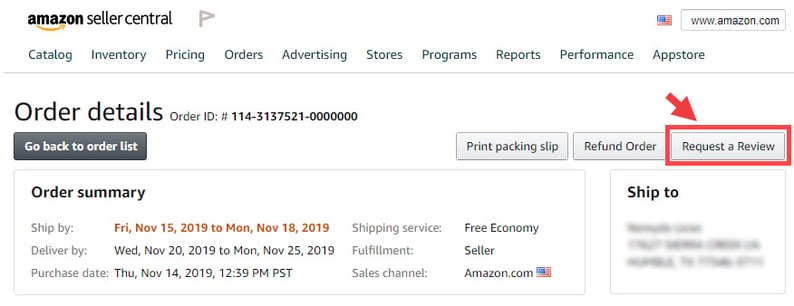
Be careful not to violate Amazon’s strict communication policies. Never offer money, free products, or discounts in exchange for a positive review, as this is the fastest way to get your account permanently banned.
Handling Negative Feedback
Regularly check your reviews so you can quickly help customers who had a bad experience, which can often turn a poor review into a good one. A polite public response shows other shoppers that you care about customer satisfaction.
Sometimes, a customer is simply confused about how to use the product. By providing a quick tip or a replacement, you demonstrate brand integrity that can actually build more trust than a perfect five-star rating would.
Key Takeaways
Reviews are the foundation of social proof on Amazon, so you must use the Vine program and follow-up tools to build your rating. Respond to negative feedback professionally to show potential buyers that your brand stands behind its products and values every customer’s experience.
Run Successful Amazon Advertising Campaigns
Paid ads are a fast way to get your product to the top of the page while you are still working on your organic search ranking. This is often referred to as Amazon PPC (Pay-Per-Click) and is essential for new product launches.
Using Sponsored Product Ads
These are simple ads that appear alongside search results and help you reach customers who are ready to buy right now. They look almost exactly like organic listings, except for a small “Sponsored” tag at the top.
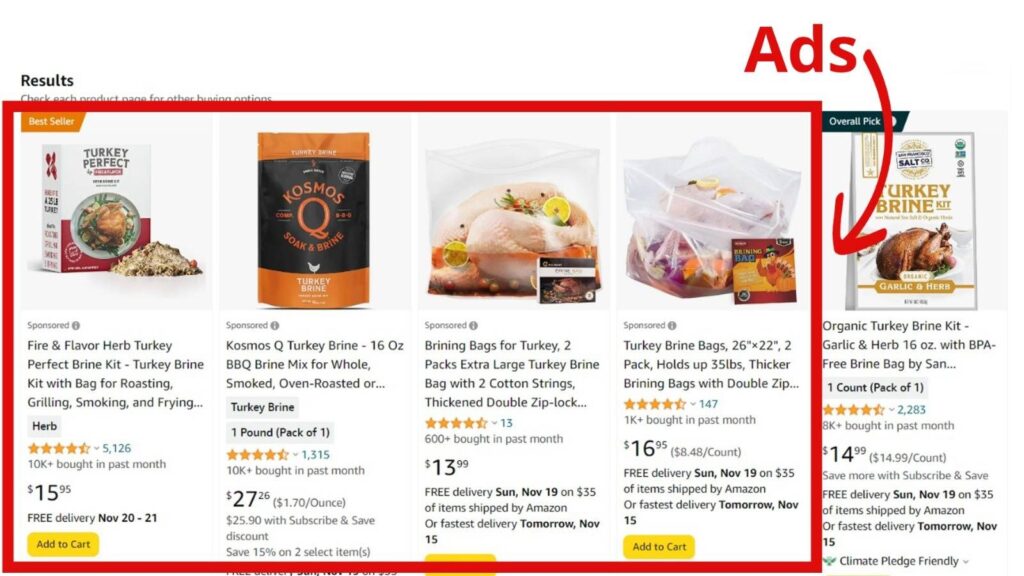
Because these ads are based on keywords, they are highly targeted. You only pay when someone actually clicks on your ad, making it a very cost-effective way to drive traffic to a specific product page.
Testing Different Ad Types
Once you are comfortable, you can use video ads or brand ads to reach even more people and build awareness for your business. Sponsored Brand ads appear at the very top of the search results and feature your logo.
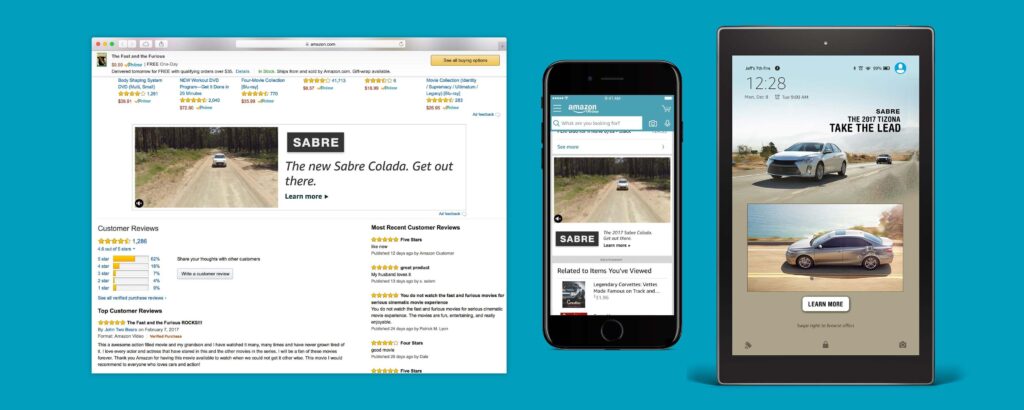
Video ads are particularly powerful because they play automatically as a shopper scrolls through the search results. They provide an opportunity to show your product’s unique selling points in a way that static images simply cannot match.
Key Takeaways
Amazon advertising is a vital tool for gaining immediate visibility and gathering valuable keyword data for your brand. Use Sponsored Product ads for direct sales and experiment with video ads to capture attention and increase your overall click-through rates.
Protect and Grow Your Brand with Registration
Joining the official Amazon Brand Registry gives you access to special tools that help you protect your brand and sell more products. This is a free program for sellers who have a registered trademark for their brand name.
Using Advanced Content Tools
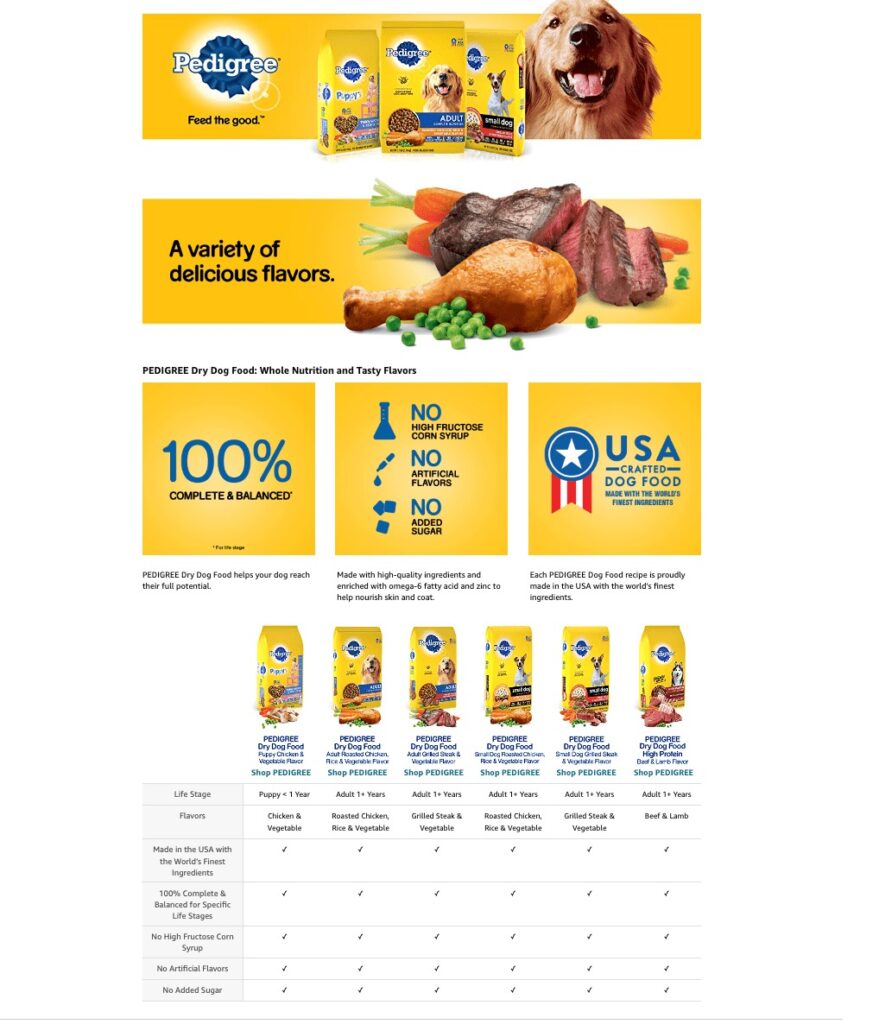
Registered brands can add extra photos, comparison charts, and even a custom storefront to their product pages. This is known as A+ Content, and it makes your listing look much more professional and authoritative.
Stopping Unauthorized Sellers
The Registry helps you report people who might be trying to sell fake versions of your items, keeping your reputation safe. It gives you “brand authority” to control the images and text used on your product pages.
Without Brand Registry, other sellers can sometimes change your listing information or “hijack” your page with inferior products. Registration provides a layer of security that is vital for long-term growth and brand equity.
Key Takeaways
Brand Registry is essential for protecting your intellectual property and unlocking advanced marketing features like A+ Content. Use these tools to create a professional storefront and prevent unauthorized sellers from damaging your brand’s reputation or stealing your sales.
Work with Influencers to Drive More Traffic
Getting people to talk about your product on social media can drive a lot of new traffic to Amazon, which can help your ranking go up a lot on Amazon.
Partnering with Social Media Creators
Find people on TikTok or Instagram who have followers that would like your product and ask them to share it with their audience. A single viral video from a trusted influencer can sell out your entire inventory in hours.
Look for “micro-influencers” who have 10,000 to 50,000 followers. These creators often have much higher engagement rates than celebrities and are usually more affordable to work with for small to medium-sized brands.
Earning Extra Credits for Traffic
Amazon has a program that allows you to track traffic from social media and even earn back some of your fees when people buy. This is called the “Brand Referral Bonus,” and it can save you an average of 10% on your referral fees.
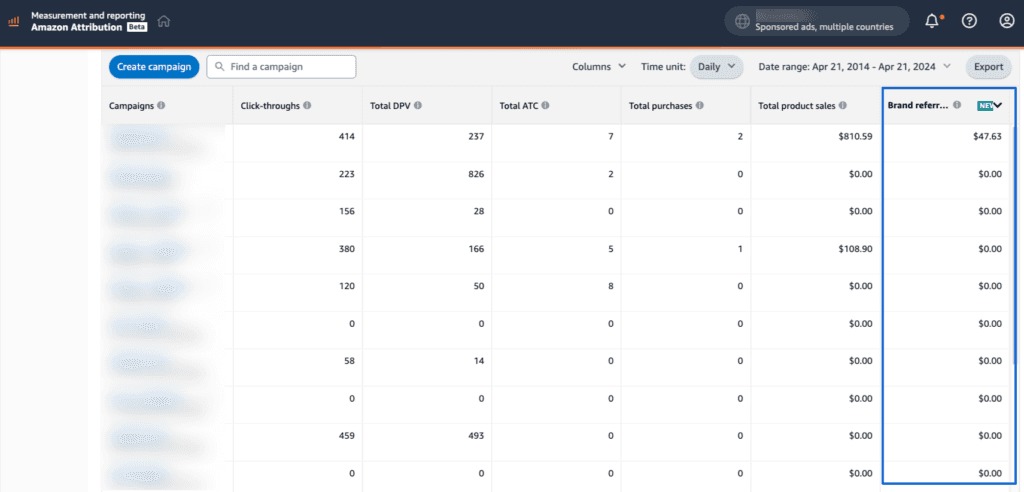
By using special links, Amazon knows exactly which influencer drove which sale. This data is invaluable for calculating your Return on Investment (ROI) and deciding which social media platforms are most profitable for your brand.
Key Takeaways
Influencer marketing provides high-quality external traffic that boosts your organic ranking and lowers your overall Amazon fees. Partner with micro-influencers to reach targeted audiences and use Attribution links to measure the exact success of your social campaigns.
>>> Read more: How to Add Products to Amazon Store Quickly and Easily
Frequently Asked Questions (FAQ)
Begin by optimizing your listing with keywords and high-quality images. Launch an automatic PPC campaign to gather data and enroll in the Vine program to secure initial reviews.
A daily budget of $5 to $10 is sufficient for testing and gathering search data.
Yes, Amazon rewards listings that bring in traffic from external sources like TikTok or Instagram. This external interest increases your sales velocity, which is a major factor in organic search placement.
The Featured Offer is the primary “Buy Now” button that most customers use to purchase items. Winning this spot is essential because it captures over 80% of the total sales on any given listing.
The biggest mistake is neglecting keyword research or using low-quality, unprofessional photography. Without visibility and trust, even a high-quality product will fail to convert potential shoppers into buyers.
Get Professional Help from Megaficus
Success on Amazon comes from a mix of great photos, fair pricing, clear descriptions, and positive reviews. It is a competitive ecosystem, but it is also one that rewards those who pay attention to discover how to market their product on Amazon effectively.
By following these nine steps in order, you can build a trustworthy brand that attracts customers and keeps them coming back. Each step, from competitive analysis to influencer marketing, builds upon the last to create a solid foundation for growth.
Start by looking at your competitors’ reviews today to see how you can make your product stand out from the crowd. Identifying a single weakness in a top seller is the first step toward your own success on the platform.