
Want to start an Amazon business without upfront inventory costs? You don’t need thousands of dollars or warehouse space to succeed on Amazon. Learn how to sell on Amazon without inventory using dropshipping, POD, and affiliate marketing to build a profitable business with minimal risk in this guide from Megaficus.
Quick Summary
- Selling on Amazon without inventory means using methods like dropshipping, POD, KDP, or affiliate marketing to earn money without buying or storing stock upfront.
- 4 Proven Methods: Print on Demand (15-37% margins), Amazon KDP (35-70% royalties), Amazon Associates (1-10% commissions), and Dropshipping (10-20% margins).
- Step-by-step process: Choose your method, set up an Amazon Seller Account, research profitable niches, find reliable suppliers, optimize listings, launch with PPC/reviews, and scale based on data.
- Success tips: Stay updated on Amazon policies, prioritize customer feedback, and test micro-offers to validate niches quickly before scaling.
Is Now the Right Time To Sell On Amazon Without Inventory?
2025 is an ideal time to start selling on Amazon without inventory due to Amazon’s improved infrastructure for POD, dropshipping compliance updates, and rising demand for low-risk e-commerce models:
- Lower Financial Risk: You can start with a minimal capital of $100-500 since you only pay for products after customers order, eliminating the risk of unsold stock.
- Higher Profit Margins: Without inventory storage costs or warehouse fees, you maintain 20-40% profit margins while reinvesting savings into marketing and growth.
- Operational Flexibility: You can run your business from anywhere and test multiple products quickly without being stuck with dead stock.
- Focus on Revenue-Generating Activities: You dedicate 80% of your time to marketing and customer acquisition instead of managing inventory logistics.
4 Proven Methods To Sell On Amazon Without Inventory
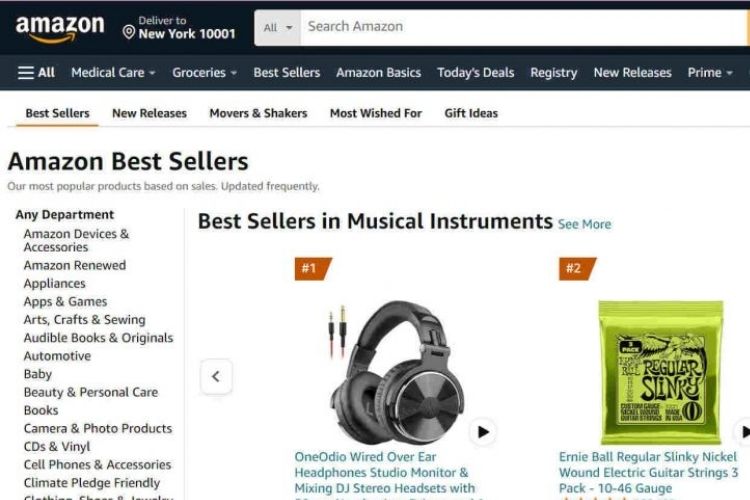
Amazon offers four inventory-free selling methods with different requirements and profit potential, so you can choose the approach that best matches your skills, budget, and business goals.
Print On Demand (POD)
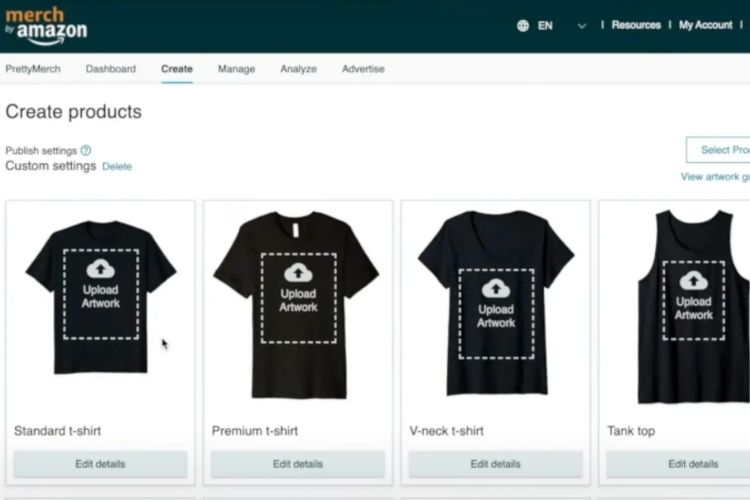
Print on Demand through Amazon Merch on Demand allows you to sell custom-designed products like t-shirts and hoodies without holding inventory. You simply upload your designs to Amazon, and when customers order, Amazon handles all production, packaging, and shipping while you earn royalties per sale.
Pros:
- You can start selling without buying or storing products, as items are printed only after customers order them.
- Amazon manages printing, packing, shipping, and customer service, which allows you to focus entirely on creating designs.
- Your products are Prime-eligible, which increases visibility and conversion rates by 20-30%.
Cons:
- Royalty rates range from 15-37% per sale, which is lower than traditional FBA profit margins of 30-40%.
- Amazon offers limited product types and color options, which restricts your customization choices.
- The platform is highly competitive with thousands of designers, and your designs must pass trademark/copyright reviews to avoid account suspension.
Amazon Kindle Direct Publishing (KDP)
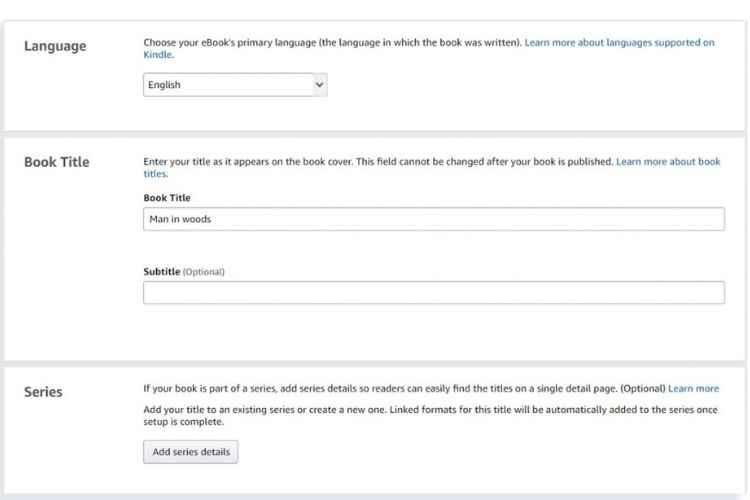
Amazon KDP allows authors to self-publish ebooks and paperbacks without holding inventory or managing fulfillment. When you upload your manuscript and cover design, Amazon automatically makes your book available to its 300+ million customers worldwide.
Pros:
- You can publish without maintaining stock, as Amazon handles digital delivery and print-on-demand for physical copies automatically.
- Your books reach Amazon’s global audience of over 300 million active customers across multiple marketplaces.
- You maintain full control over content, pricing, and cover design, and you can update your books anytime without reprinting costs.
Cons:
- The platform hosts over 12 million titles, which makes it extremely challenging for new authors to gain visibility without marketing.
- You need to invest in professional editing, cover design ($200-500), and advertising ($300-1,000/month) to achieve consistent sales.
- Royalty rates drop to 35% for books priced outside the $2.99-9.99 range, and Amazon deducts delivery fees for digital books in some regions.
Amazon Associates Program (Affiliate Marketing)
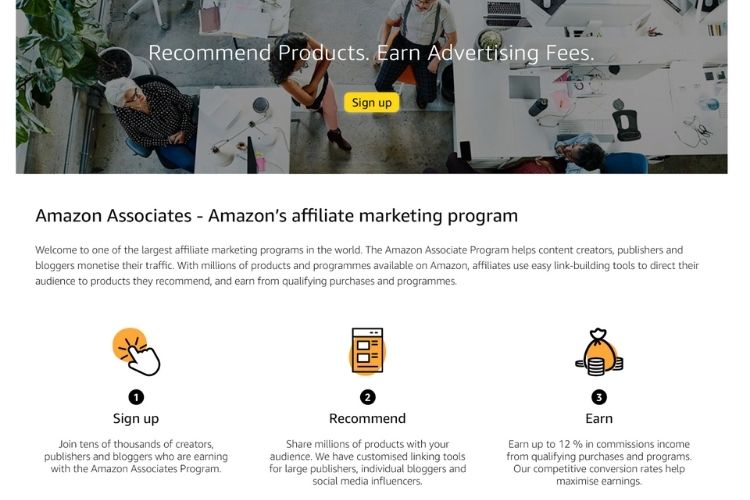
The Amazon Associates Program allows content creators to earn commissions by promoting Amazon products through unique referral links. When someone clicks your link and purchases within 24 hours, you earn 1-10% commission depending on the product category.
Pros:
- You start earning without inventory costs, shipping responsibilities, or customer service obligations.
- Your affiliate links generate passive income once embedded in evergreen content like blog posts or YouTube videos.
- The program integrates naturally with content creation, allowing you to recommend products authentically within your niche.
Cons:
- Commission rates range only 1-10% per sale, with most products earning 3-4%, which is lower than other affiliate programs offering 20-50%.
- You need at least 10,000+ monthly visitors to generate meaningful revenue of $200-500/month.
- Amazon’s 24-hour cookie window means you only earn if customers purchase within one day of clicking your link, compared to competitors offering 30-90 days.
Amazon Dropshipping
Amazon dropshipping allows you to sell products without holding inventory by partnering with suppliers who ship directly to customers. When customers order from your listing, you forward the order to your supplier, and they handle fulfillment. However, you must comply with Amazon’s strict policy requiring you to be the seller of record on all packing slips.
Pros:
- You start selling without upfront inventory investment, as products are purchased only after customer orders.
- The model is highly scalable since you’re not limited by warehouse space or inventory constraints.
- You can test multiple products quickly to identify profitable items before committing capital.
Cons:
- Profit margins typically range from 10-20%, significantly lower than FBA’s 30-40%.
- You have limited control over product quality, shipping times, and stock availability, which can lead to negative reviews.
- Amazon prohibits retail arbitrage from sites like Walmart or eBay, and violations result in permanent account bans.
How To Sell On Amazon Without Inventory?
Successfully selling on Amazon without inventory requires following a strategic step-by-step process from account setup to scaling, which ensures you maximize profitability while minimizing risk.
Choose Your Selling Method
Before starting, you need to select the inventory-free model that matches your skills, budget, and time commitment. Each method has different requirements and profit potential, so understanding these differences helps you make the right choice from the start:
| Method | Startup Cost | Profit Margin | Best For | Time to First Sale |
|---|---|---|---|---|
| Dropshipping | $500-1,000 | 10-20% | Entrepreneurs who want product variety | 2-4 weeks |
| Print on Demand | $0-100 | 15-37% | Designers, artists with creative skills | 1-2 weeks |
| Amazon KDP | $200-500 | 35-70% | Writers, content creators | 1-3 days |
| Affiliate Marketing | $0-50 | 1-10% per sale | Bloggers, influencers with existing traffic | Immediate |
Set Up Your Amazon Seller Account
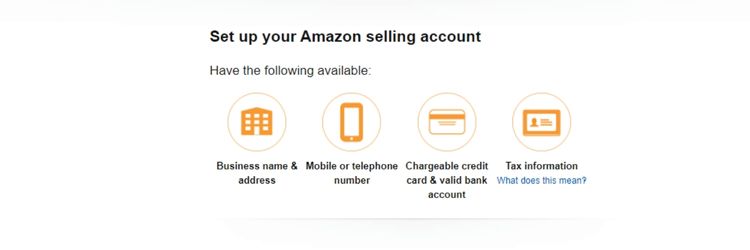
To start selling, visit https://sell.amazon.com and click “Sign Up”. Before registration, you need to prepare your government-issued ID, business email, phone number, bank account details, credit card, and tax identification number (EIN or SSN).
Choose Your Account Type:
- Individual Plan: Costs $0.99 per sale with no monthly fee, suitable for sellers planning fewer than 40 sales per month.
- Professional Plan: Costs $39.99/month with no per-sale fee and includes advanced features like bulk listing tools, advertising options, and API access for scaling businesses.
Research Profitable Products Or Niches
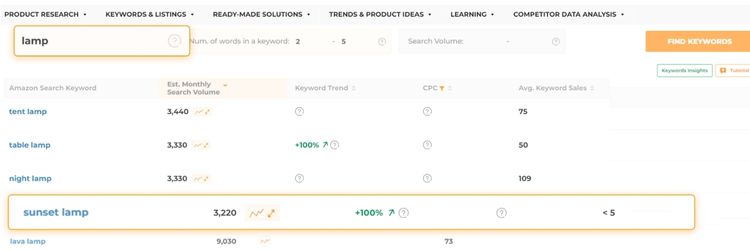
Regardless of your selling method, you need to validate market demand before launching. Use tools like Jungle Scout, Helium 10, or Google Trends to identify products or niches with consistent search volume and manageable competition.
Focus on opportunities where top listings have 300+ monthly sales but fewer than 100 reviews, which indicates demand without oversaturation. Additionally, analyze competitor pricing to ensure you can achieve at least 20-30% profit margins after all fees and costs.
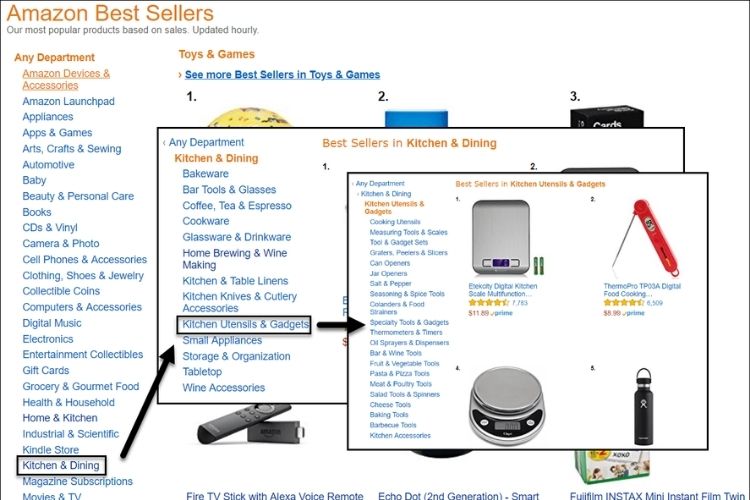
For content-based methods like KDP or affiliate marketing, use Amazon’s Best Sellers and Google Keyword Planner to find topics with 1,000+ monthly searches. Furthermore, prioritize evergreen niches over seasonal trends to build sustainable long-term income rather than short-term spikes.
Find Reliable Suppliers (For Dropshipping/POD)
Your supplier directly impacts product quality, shipping times, and customer satisfaction, so choosing the right partner is critical for your business success.
For Print on Demand
Use POD platforms like Printful, Printify, Gelato, or Amazon Merch on Demand that integrate directly with Amazon. These platforms have fixed pricing, handle production automatically, and ship within 2-5 business days. Order sample products ($20-50) to verify quality before launching.
For Dropshipping
Choose your supplier based on your current business stage and growth goals:
- Testing phase: Use AliExpress for low MOQ and product testing (15-30 day shipping)
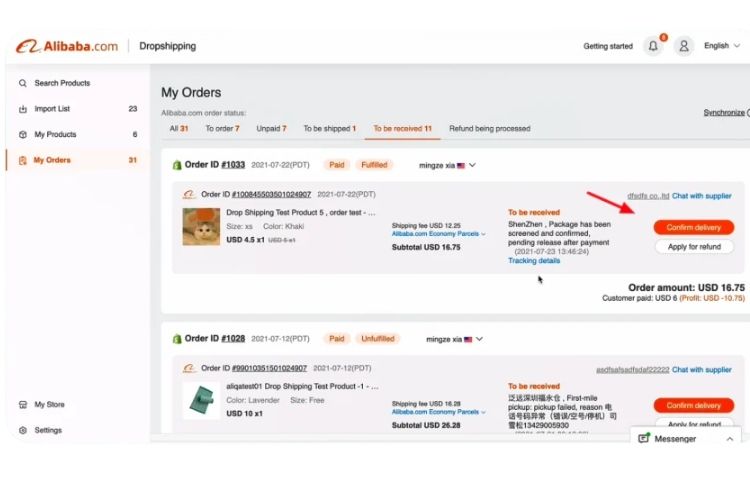
- Scaling phase: Switch to Alibaba or CJ Dropshipping for better margins and faster 7-15 day delivery
- Supplier requirements: 95%+ positive ratings, 2+ years in business, 24-hour response time
Regardless of your method, you should always order 2-3 samples to test quality and shipping times before committing. Additionally, confirm that suppliers provide tracking numbers, accept returns, and remove their branding from packages since Amazon requires you as the seller of record.
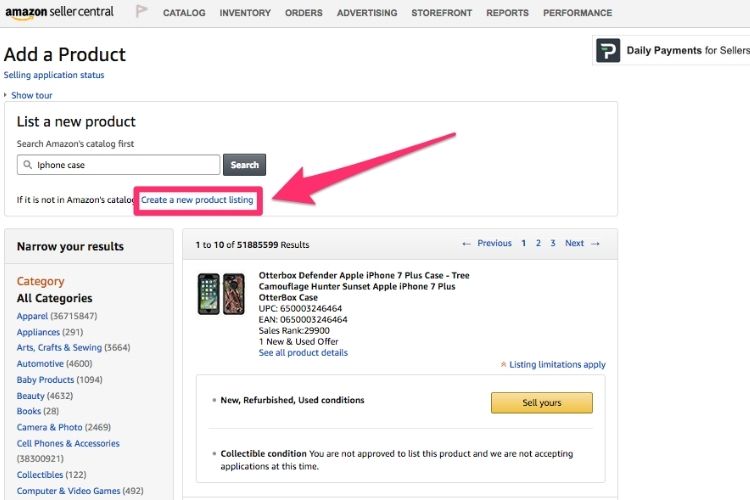
Create And Optimize Product Listings
Well-optimized listings improve search visibility and conversion rates, so you need to follow Amazon’s technical requirements and best practices:
- Title Requirements:
- Maximum 200 characters with no word repeated more than twice.
- Include brand name, key features, size/color, and primary benefits
- Bullet Points:
- Create 5 bullet points maximum, each under 200 characters.
- Focus on customer benefits and problem-solving rather than just features.
- Images:
- Main image: 1,600px+ width, pure white background (RGB 255,255,255), product fills 85% of frame.
- Add 6+ additional images showing multiple angles, lifestyle shots, and feature close-ups
- Backend Keywords:
- Use all 250 bytes for the Search Terms field with secondary keywords and synonyms.
- Avoid repeating words from title/bullets and exclude punctuation marks
Launch And Market Your Products
Once your listing is live, you need to drive traffic and generate initial sales to signal relevance to Amazon’s algorithm. Your first 30 days are critical, as Amazon tracks your click-through rate, conversion rate, and sales velocity from day one.
- Generate Initial Reviews:
- Enroll in Amazon Vine (free for brand-registered sellers) to get 2-5 early reviews within 1-2 weeks
- Use the “Request a Review” button 5-30 days after delivery
- Target 10+ reviews in 3-6 weeks, 30+ reviews within 12 weeks with 4.5+ star rating
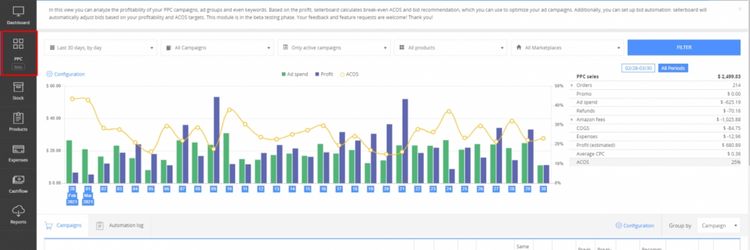
- Run Amazon PPC Campaigns:
- Start with Sponsored Products targeting 10-20 keywords, $20-50 daily budget
- Allocate 70% to Sponsored Products initially, diversify later to Sponsored Brands/Display
- Expect 40-60% ACoS during launch, optimize to 20-30% after 60-90 days
- Adjust bids weekly for profitable keywords, pause underperforming ones
- Drive External Traffic:
- Promote on social media (Instagram, TikTok, Facebook) with targeted ads or organic posts
- Partner with micro-influencers (5,000-50,000 followers) for product reviews
- Send email announcements with 10-20% discount codes for early momentum
>>> Read more: Unlock Success With The Ultimate Amazon Product Launch Guide
Monitor Performance And Scale
After launch, you need to track key metrics and optimize based on real performance data to identify what’s working and scale profitably.
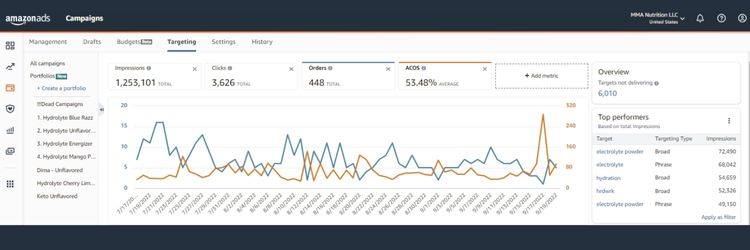
Track Essential Metrics
Monitor these critical indicators daily through Amazon Seller Central:
- Sales velocity, conversion rate (target 10-15%), and ACoS (target 20-30% post-launch)
- Organic keyword rankings and customer reviews (maintain 4.5+ star rating)
Optimize Based on Data
Analyze performance monthly and make data-driven adjustments:
- Review PPC reports to add high-performing keywords and eliminate budget-wasting terms
- Update listing content based on customer questions and adjust pricing by 5-10% to test conversion impact
- Restock inventory 2-3 weeks before running out to avoid ranking-damaging stockouts
Scale Your Business
Once you achieve consistent 30%+ profit margins for 60-90 days, expand strategically:
- Test 2-3 new products in the same niche to leverage your existing customer base
- Increase PPC budget by 20-30% monthly for profitable campaigns
- Expand to international marketplaces (Canada, UK, EU) after reaching $10,000+ monthly revenue
Common Challenges And How To Overcome Them
While selling without inventory offers significant advantages, you’ll still face challenges like supplier reliability, thin profit margins, and intense competition, but Megaficus has identified proven solutions to help you navigate these obstacles successfully.
Quality Control
Quality control is a major challenge for FBA sellers because they do not directly inspect the products before Amazon receives and ships them. In reality, many sellers face issues such as inconsistent quality between batches, incorrect variations, or defective items reaching customers because these problems can quickly lead to negative reviews and high return rates.
To maintain consistent product quality, you can apply the following steps:
- Place regular test orders from Amazon’s warehouse to check the exact quality customers are receiving. This helps you detect real issues faster, not just what the factory shows you.
- Create a detailed quality checklist (materials, color, size, packaging) and require your supplier to confirm it. Then hire a third-party inspection service to conduct random checks before shipment.
- Monitor customer feedback weekly through Reviews and Voice of the Customer. When you notice repeated issues, contact your supplier immediately, provide photos of the defects, and request corrections in production or replacement of faulty batches.

Shipping Delays
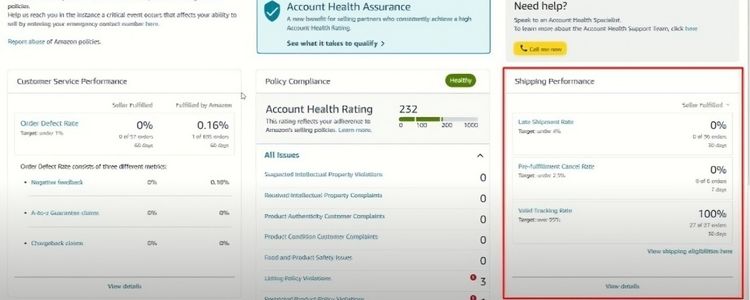
Sellers without inventory rely entirely on suppliers, which means orders may be delayed by slow processing, overseas shipping, or stock shortages, leading to late deliveries, negative reviews, and Amazon account penalties.
Sellers can take specific steps to prevent shipping delays and maintain good Amazon performance:
- Pick reliable suppliers with confirmed shipping times, preferably from local warehouses (US/EU).
- Set safe handling times on Amazon to avoid late shipment flags
- Track stock and orders using tools like AutoDS or DSers
- Use fast carriers with valid tracking (DHL, FedEx, USPS)
- Keep a backup supplier ready in case the main supplier is delayed
Smart Pricing Decisions
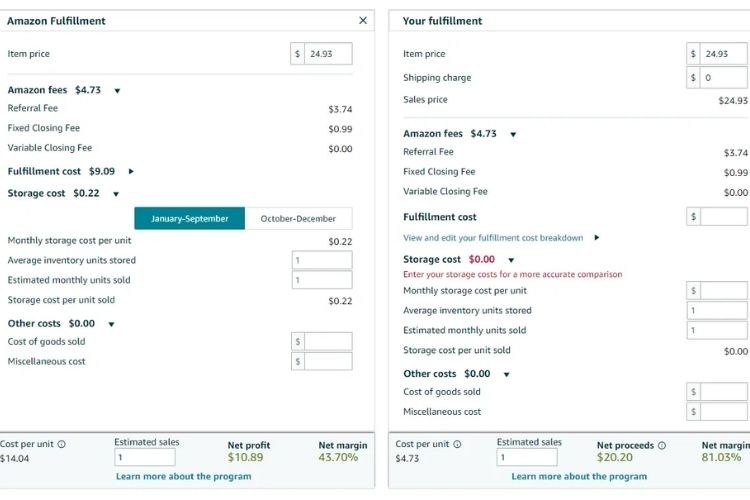
Sellers without inventory face a constant challenge in setting the right price because they must cover supplier, shipping, and Amazon fees while staying competitive, and even a small miscalculation can lead to lost sales or reduced profits.
To set prices that attract buyers while protecting profits, sellers should focus on analyzing the market, monitoring costs, and adjusting strategically:
- Monitor competitor prices regularly to understand market expectations
- Use dynamic pricing tools that adjust prices based on demand and competition
- Calculate all costs precisely, including supplier fees, shipping, and Amazon charges, to ensure each sale remains profitable
Continuous Learning And Staying Updated On Amazon Policies
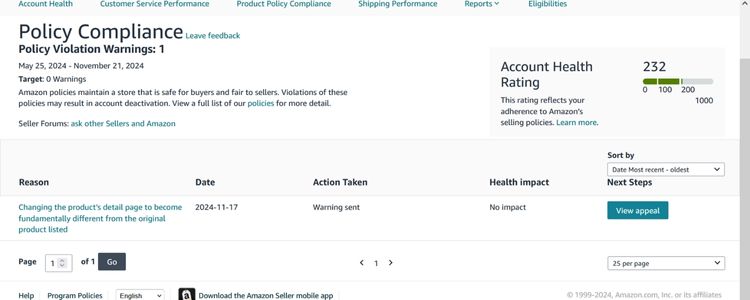
Amazon frequently updates its policies and algorithms, so staying informed is essential to avoid violations and protect your profits. For example, in 2025, Amazon introduced stricter product title rules (maximum 200 characters, limited special characters, no repeated words), changed the FBA reimbursement policy to base compensation on manufacturing cost, and tightened return/refund rules in categories like electronics and personal care.
To stay compliant and protect your business, sellers should take these proactive steps:
- Check policy updates on Seller Central monthly.
- Join forums, webinars, and seller communities to learn practical applications.
- Review listings, pricing, and operational processes within 7 days of updates and adjust as needed.
Test Micro‑Offers To Validate Your Niche Quickly
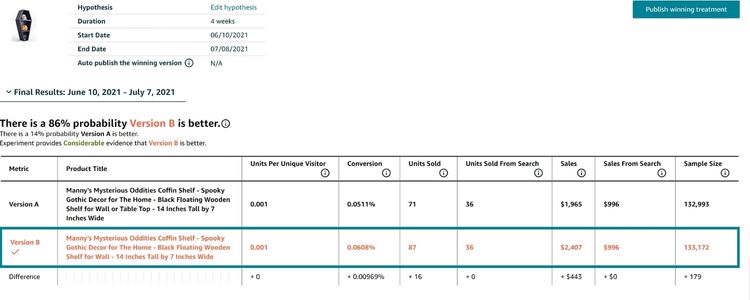
Instead of committing to a single product for the long term, sellers can experiment with small variations to identify a winning option quickly and cost-effectively. By testing micro-offers, you can discover which designs, colors, or titles resonate best with your audience before scaling.
Testing micro-offers allows you to identify winning products quickly and reduce risks before scaling your business:
- Launch 3 small variations at once (e.g., the same t-shirt in 3 colors or an ebook with 3 subtitle options).
- Track performance for the first 7–14 days to see which variation achieves the highest click-through and sales.
- Once a top performer emerges, allocate more marketing budget to it and discontinue underperforming variations.
>>> Read more: Amazon FBA For Beginners: From Zero To Your First Profit
Frequently Asked Questions About How To Sell On Amazon Without Inventory
Follow Amazon’s return policies carefully, communicate promptly with customers, and coordinate with your supplier to process returns or refunds efficiently.
Print on Demand (POD) or Amazon KDP are the simplest, as they require minimal upfront investment and Amazon handles production and fulfillment.
You can use dropshipping, POD, KDP, or affiliate marketing to sell products without holding stock.
Start with POD, KDP, or Amazon Associates, which require little to no upfront cost.
Get Professional Help from Megaficus
Learning how to sell on Amazon without inventory is a proven path to building a profitable e-commerce business with minimal upfront risk. By choosing the right method, validating demand, partnering with reliable suppliers, and optimizing your listings, you can start earning on Amazon with as little as $100-500 in initial capital.
The key to success lies in continuous monitoring, strategic scaling, and applying the proven strategies outlined in this guide. If you’re ready to launch your inventory-free Amazon business but need expert guidance on choosing the right method or scaling effectively, the team at Megaficus is here to help you succeed.