
Are you struggling to get your products noticed amidst millions of competitors on the world’s largest marketplace? Thousands of products compete for attention every second, making organic placement the most valuable asset for any serious brand. In fact, navigating the complexities of Amazon SEO requires more than just basic keyword stuffing. This overview blog will help you explore how to master the art and science of ranking.
Quick Summary
- Algorithm Evolution: Transitioning from A9 to A10 emphasizes buyer intent and external traffic sources.
- Strategic Research: Leveraging reverse ASIN lookups identifies high-converting long-tail phrases used by top competitors.
- Listing Mastery: Balancing keyword density with user experience in titles and bullet points drives conversions.
- Backend Precision: Utilizing the 249-byte search term limit correctly prevents indexing issues and shadow banning.
What is Amazon SEO and why does it matter for sellers?
Amazon SEO is the systematic process of optimizing your product listings to appear at the top of search results. Unlike general search engines, this platform is a closed loop designed specifically to facilitate a transaction between buyers. Therefore, every optimization choice must serve the ultimate goal of generating a completed sale.
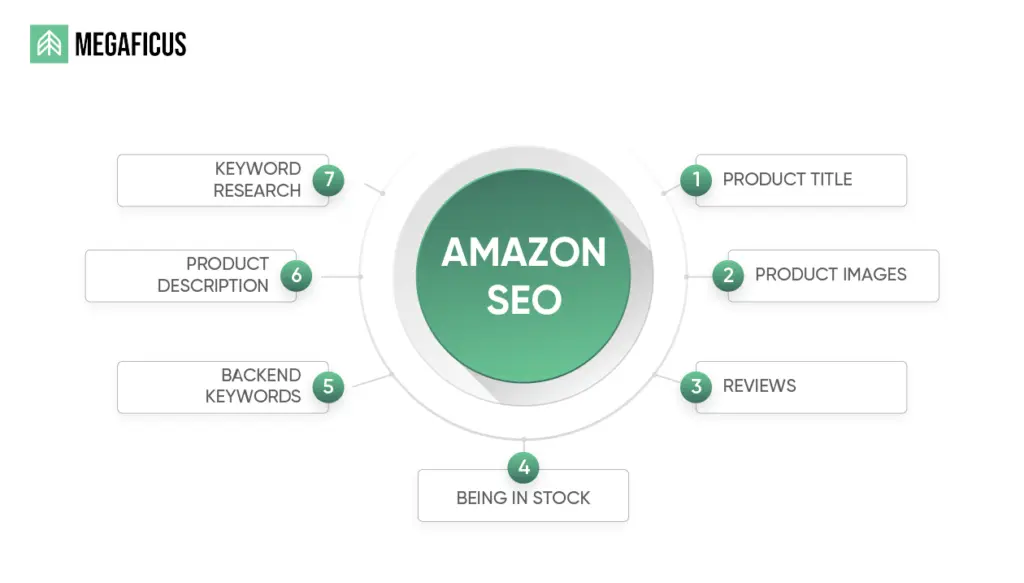
The A10 algorithm functions as the gatekeeper, deciding which products deserve the most prominent digital real estate available. It evaluates hundreds of data points to determine which item is most likely to satisfy the customer’s specific query. Understanding these mechanics allows you to manipulate the variables that lead to higher placement.
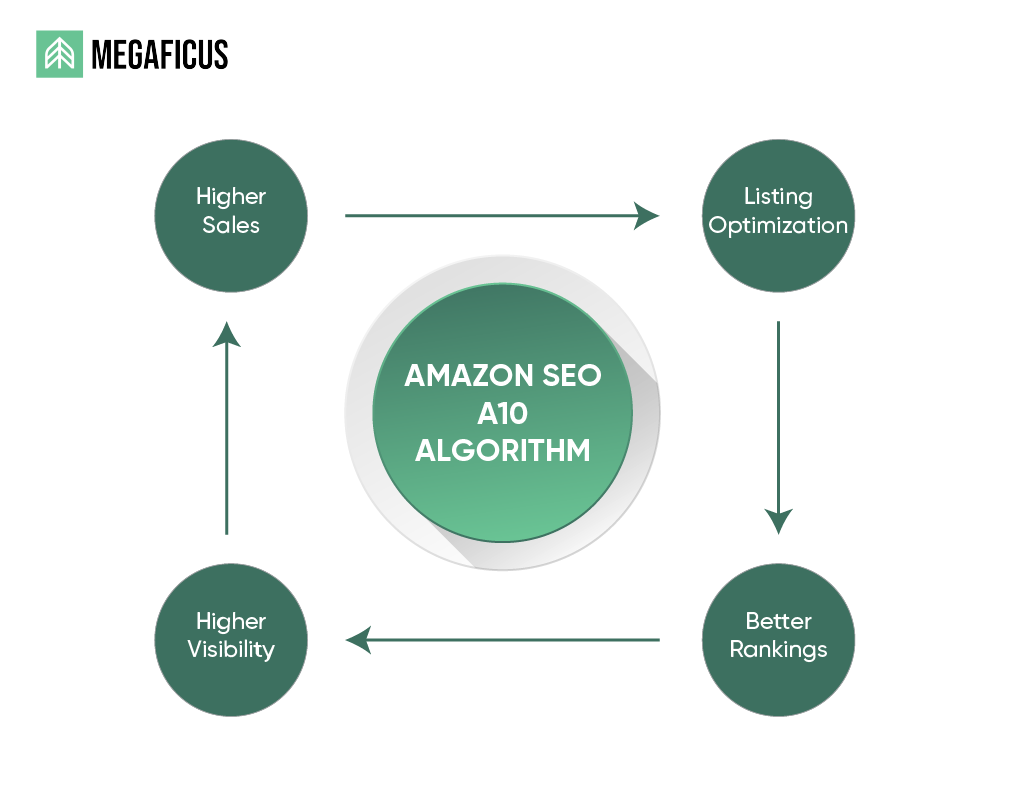
Ranking on page one is critical for long-term sales sustainability because of how modern consumers behave online. Statistics show that the vast majority of clicks happen within the top three organic results of the first page. If your product is buried on page two, your organic growth will likely remain stagnant.
How does the Amazon search algorithm rank products?
The shift from the A9 to the A10 algorithm reflects a more holistic approach to measuring product success. While A9 focused heavily on direct sales, A10 gives significant weight to the source of your traffic. It rewards sellers who can drive interested shoppers from social media or email lists.
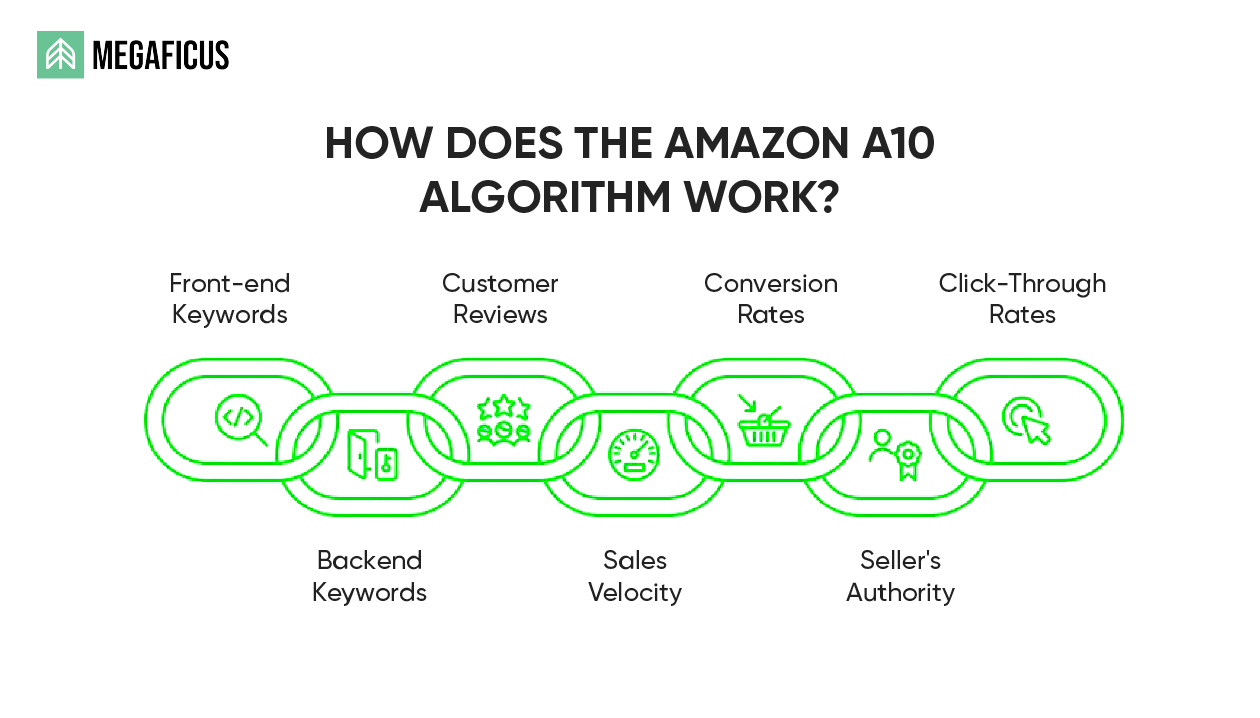
Relevance is the cornerstone of the modern ranking system, ensuring that shoppers see exactly what they intended to find. If a customer searches for “waterproof hiking boots,” the system prioritizes listings that have proven they can convert for that phrase. It effectively filters out generic items that do not meet the user’s specific intent.
Sales velocity, click-through rate (CTR), and conversion rate (CR) are the primary metrics that dictate your current standing. A high CTR tells the system your main image and title are appealing enough to earn a click. A high conversion rate proves that your product page effectively closes the deal for the visitor.
| Algorithm Metric | Weight in A10 | Practical Impact |
|---|---|---|
| Organic Sales | Primary | Builds foundational authority |
| External Traffic | High | Acts as a ranking catalyst |
| Conversion Rate | Critical | Ensures long-term placement |
How to conduct Amazon keyword research effectively?
Effective research starts by identifying high-volume seed keywords that define the core category of your specific product. These are broad terms that describe what the item is, such as “protein powder” or “yoga mat.” These terms bring the most traffic but are often the most expensive to target.
Once the foundation is set, you must branch out into long-tail phrases that capture specific buyer personas. These phrases often have lower search volumes but significantly higher conversion rates because they match niche needs perfectly. A buyer searching for “vegan chocolate protein powder” is much closer to purchasing than one searching for “protein.”
Using reverse ASIN lookups is a powerful way to steal competitor traffic by identifying the keywords they rank for. By analyzing the top three sellers in your category, you can find gaps in their strategy. This data allows you to target keywords that they might be neglecting or underperforming on currently.
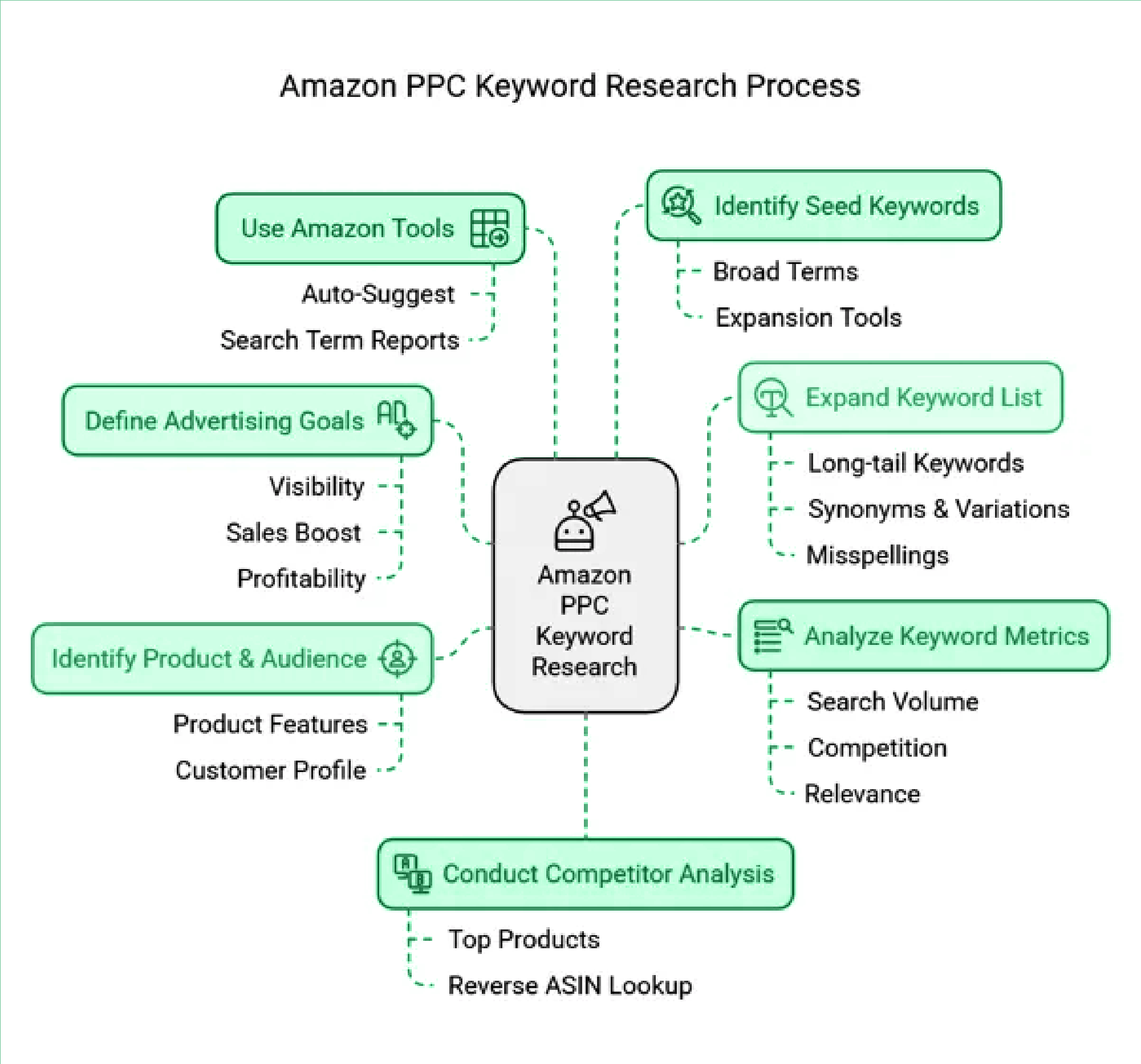
For instance, if you sell “bamboo cutting boards,” a reverse ASIN search might reveal that competitors are missing “extra large meat carving board.” By optimizing for this specific phrase, you capture a segment of the market that is underserved. This focused approach yields a higher return on investment for your efforts.
What are the key elements of an optimized Amazon listing?
Crafting a keyword-rich title that prioritizes the customer experience is the first step toward a successful product launch. You must include your most important keywords while ensuring the title remains readable and professional to the human eye. Avoid using all-caps or excessive symbols that make the brand look untrustworthy.
Writing benefit-driven bullet points that incorporate secondary keywords helps bridge the gap between technical specs and user needs. Instead of just listing “stainless steel,” explain that the material prevents rust and ensures a lifetime of heavy use. This method naturally weaves keywords into a narrative that persuades the customer.
Optimizing the product description and A+ Content is essential for indexing and building lasting brand trust with buyers. While descriptions help with long-tail indexing, A+ Content uses visuals to overcome any final objections the shopper may have. High-quality imagery combined with clear text creates a professional storefront that converts well.
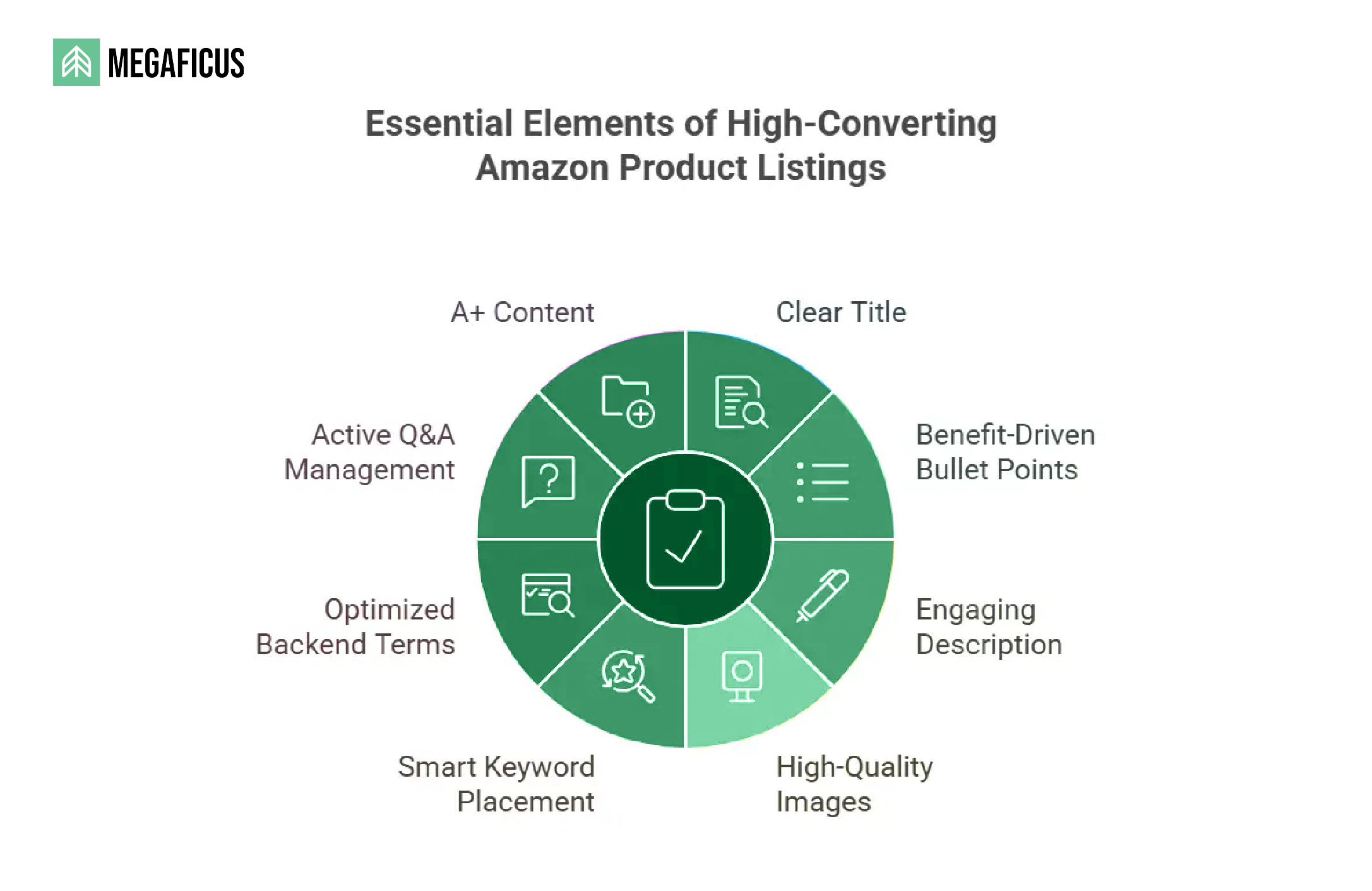
An example of this is a listing for a “weighted blanket” that highlights “deep pressure stimulation” in the bullets. By mentioning “anxiety relief” and “better sleep,” you will hit the emotional triggers that drive a purchase decision. This combination of SEO and sales psychology is what separates top sellers from the rest.
How to optimize backend search terms for maximum reach?
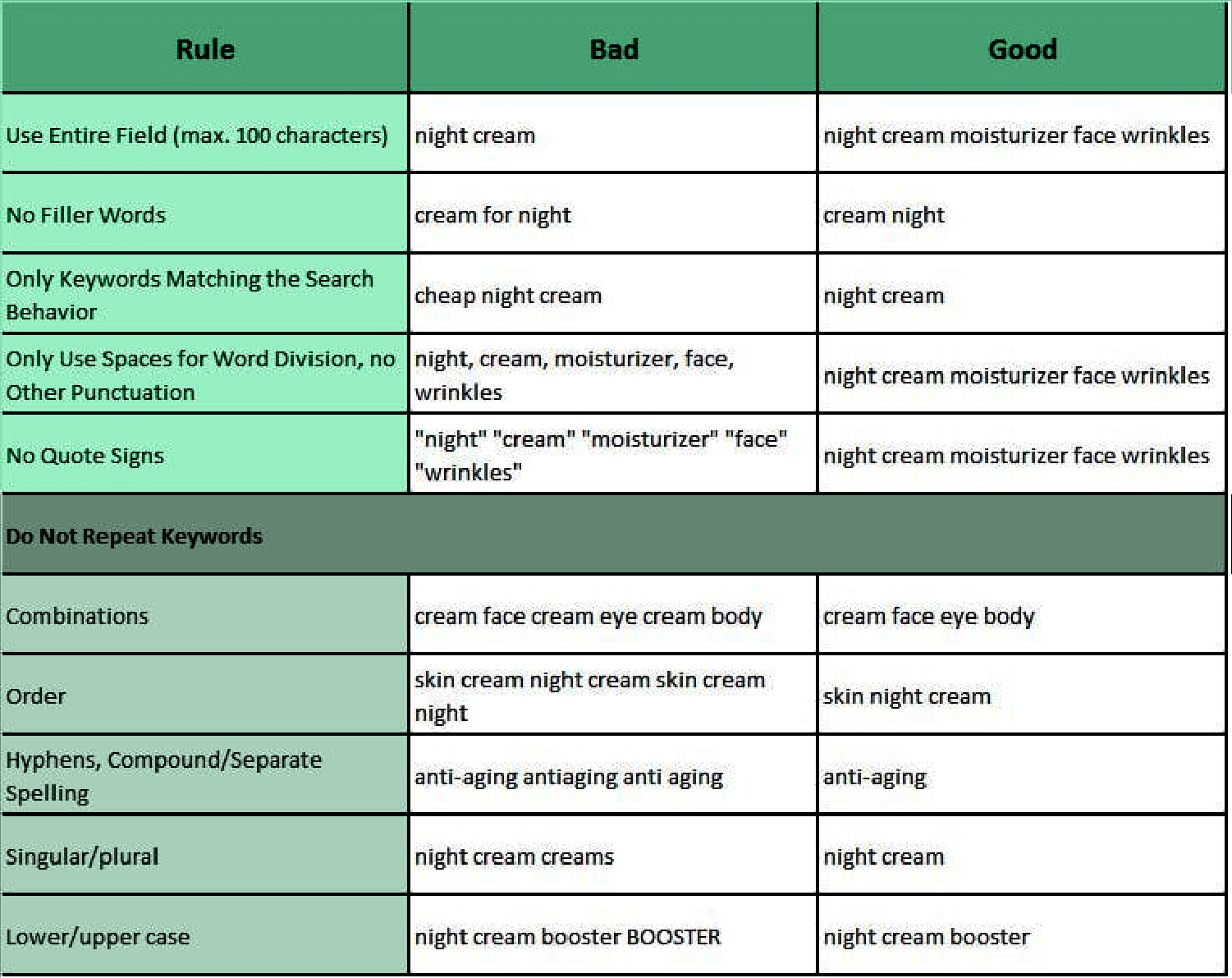
The rules for the 249-byte search term field are strict, and violating them can lead to your listing being suppressed. You should never repeat words that are already in your title or use brand names of your competitors. Focus on synonyms, related terms, and common misspellings that people might type into the bar.
Filling out specific product attributes is another vital step to appear in the category filters on the left side. Many shoppers narrow down their choices by selecting specific sizes, colors, or technical specifications during their search journey. If your backend data is incomplete, your product will vanish from these filtered results entirely.
Using “Subject Matter” and “Intended Use” fields allows you to capture niche traffic that isn’t explicitly in the title. These fields tell the system who the product is for and what situation it is best suited for. This metadata helps the algorithm place your product in relevant “suggested” carousels.
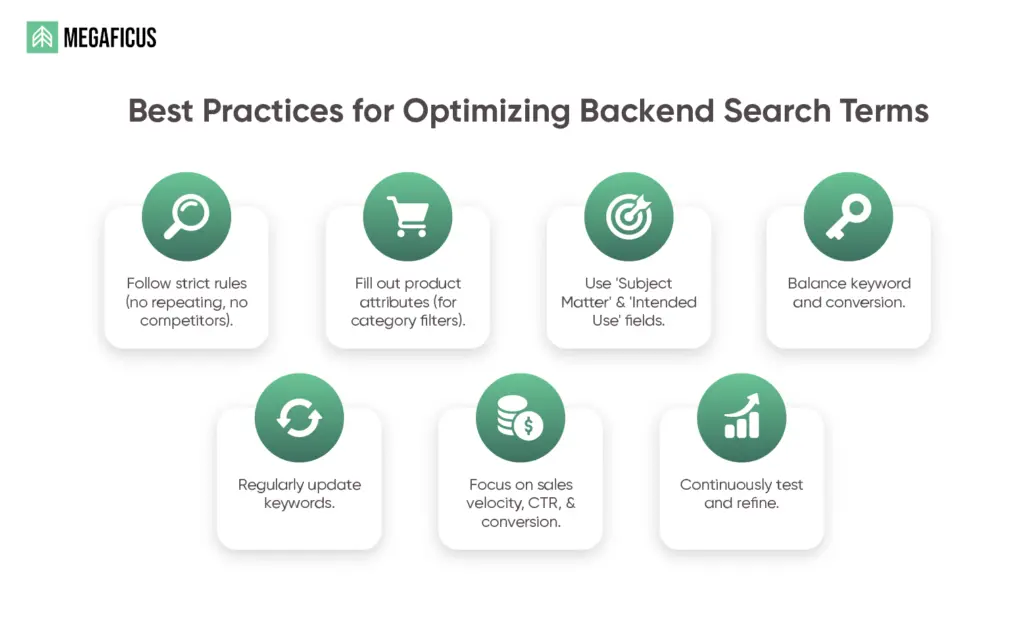
Imagine you’re selling “LED strip lights” and adding “bedroom decor” and “gaming setup” in the intended use fields. Even if those words aren’t in your main title, Amazon can now show your product to gamers. This broadens your reach without making your main product listing look cluttered or confusing.
Common Amazon SEO mistakes that kill your visibility
Over-optimizing with repetitive keywords often backfires by hurting the readability and perceived quality of your product page. When a title is just a string of nouns, customers often scroll past it because it looks like spam. That’s why balance is necessary to maintain a high conversion rate while still ranking well.
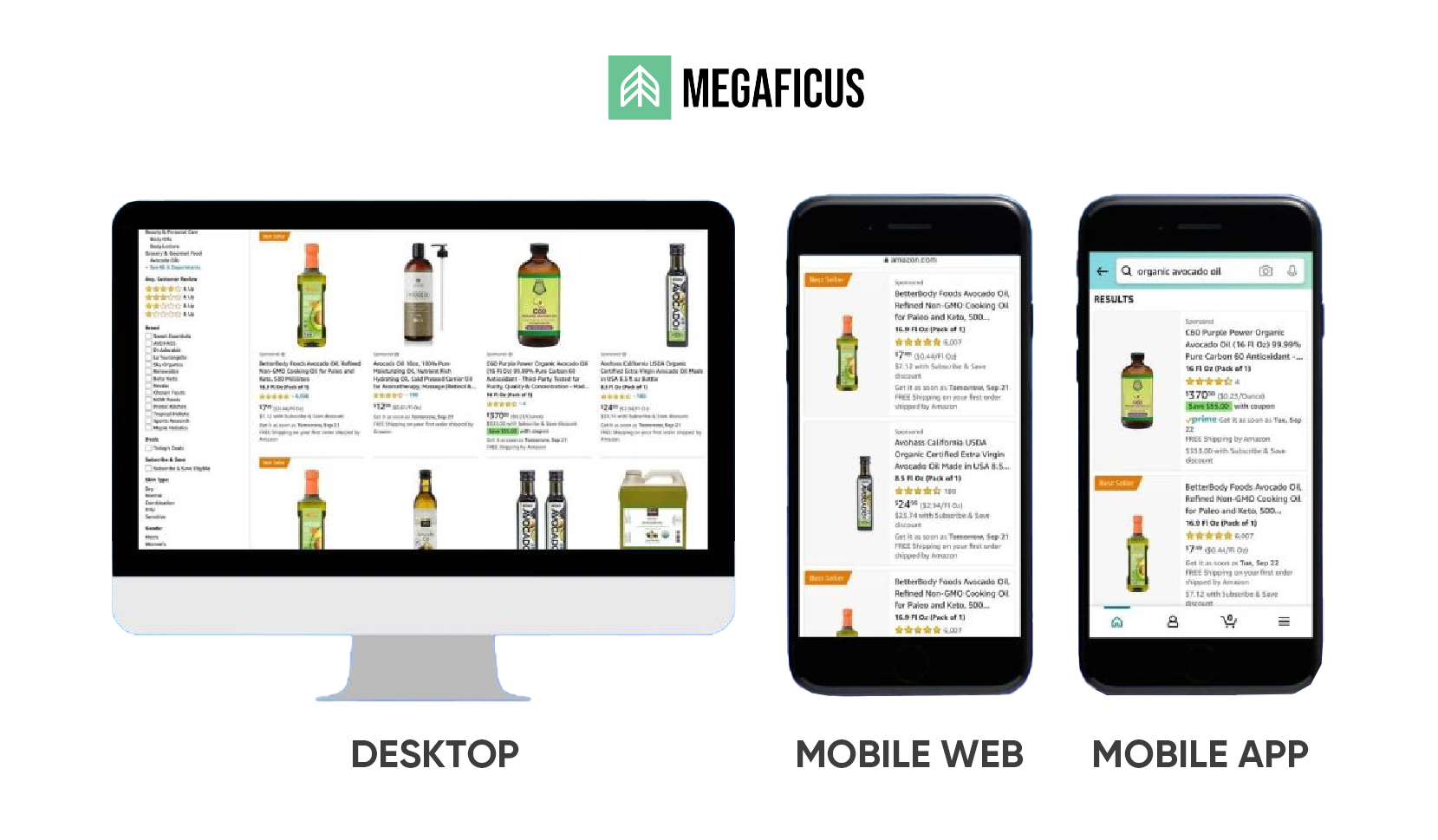
Ignoring mobile view formatting is another critical error that can cause you to lose half of your potential buyers. Mobile screens display fewer characters of the title and prioritize different parts of the listing compared to desktops. If your most important benefit is at the end of a long paragraph, mobile users won’t see it.
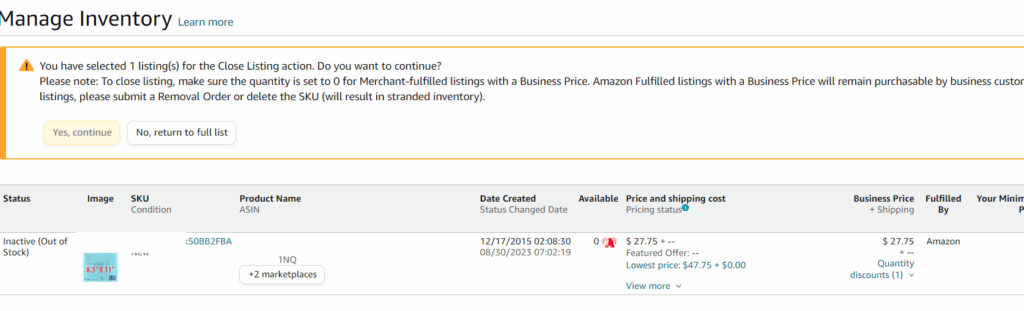
Letting products go out of stock is perhaps the most damaging mistake a seller can make for their ranking history. Amazon’s algorithm prioritizes items that are available for immediate shipment to provide a good customer experience. Once you hit zero inventory, your hard-earned organic position can disappear within just a few days.
FAQ about Amazon SEO
Usually, it takes about three to six weeks for the algorithm to fully index changes and adjust your rank. This timeframe depends on your current sales velocity and how competitive the keywords you are targeting are. Patience is required as the system gathers enough data to verify your listing’s new relevancy.
Yes, because PPC ads drive sales, and sales are the primary driver of organic ranking in the A10 algorithm. By paying for visibility, you generate the transaction history that proves to Amazon your product is worth showing. It is a strategic way to “jumpstart” a new listing’s organic growth.
You should focus on keywords to get found, but images are what actually make the sale happen for you. Without keywords, no one sees the product; without great images, no one clicks on the product they see. Both must be optimized simultaneously to create a high-performing and profitable sales funnel.
Yes, they are fundamentally different because Google focuses on information retrieval while Amazon focuses on commercial intent and purchases. Google cares about backlinks and authority, whereas Amazon cares about conversion rates and inventory levels. You cannot use a Google strategy and expect it to work on Amazon.
A quarterly review is recommended to ensure you are still targeting the most relevant and high-traffic search terms. Consumer trends change, and new competitors may introduce terms that you hadn’t previously considered for your own listing. Regular updates prevent your brand from becoming stagnant and losing market share.https://megaficus.com/en/blog/amazon-algorithm/
Get Professional Help from Megaficus
Implementing a robust Amazon SEO strategy is not a one-time task but a commitment to excellence across every part of your product page. Monitor your data, watch your competitors, and never stop looking for ways to improve your click-through rate. The path to the top of page one is paved with consistent, data-driven optimizations.