
Can you launch a highly profitable e-commerce business without sinking thousands into inventory or manufacturing? Amazon FBA arbitrage is the proven, low-barrier model that capitalizes on retail price inefficiencies for fast returns. This essential roadmap from Megaficus gives you the exact steps to source discounted products, master Amazon logistics, and achieve a consistent ROI.
Quick Summary
- Cost per mille (CPM) is a pricing model where advertisers pay a fixed amount for every 1,000 ad impressions, commonly used in Amazon DSP and Sponsored Display (vCPM) campaigns focused on brand awareness rather than immediate sales.
- When to use CPM: Best for brand awareness, product launches, video/display campaigns, and retargeting. Requires $10,000+ monthly budget for self-service or $35,000-$50,000 for managed-service Amazon DSP.
- CPM calculation: Total Campaign Cost ÷ Total Impressions × 1,000. Example: $300 spent with 75,000 impressions = $4 CPM.
- Amazon DSP setup: Six-step process including account access, order creation, line item configuration, CPM bid setting ($5-$15 typical), creative upload, and launch with 24-48 hour review.
- Best practices: Prioritize Amazon-owned inventory, set 70%+ viewability thresholds, test multiple ad formats (video, display, audio), and monitor effective CPM, frequency, domain performance, and audience overlap weekly.
What Exactly is Amazon FBA Arbitrage and How Does It Work?
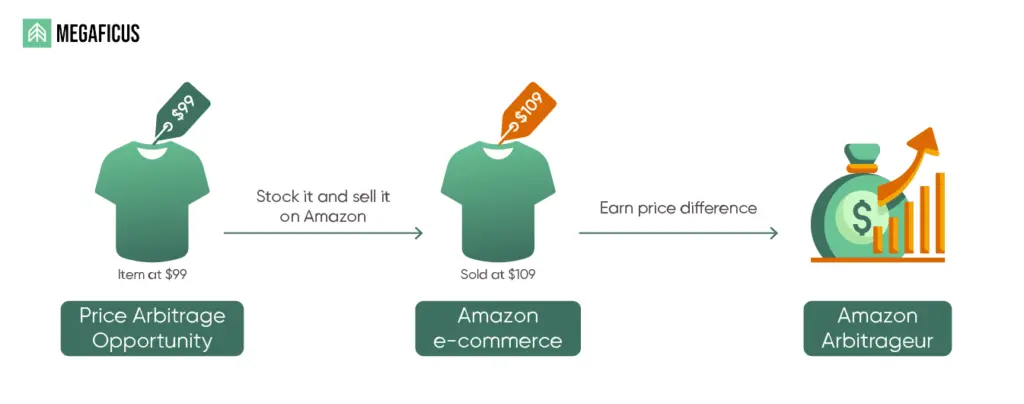
Amazon FBA arbitrage is the practice of purchasing products at a lower price point from a retailer or other online marketplace, then listing and selling those same items for a higher price on Amazon. The profit is generated from the discrepancy between the buy price and the sell price, after accounting for all associated costs.
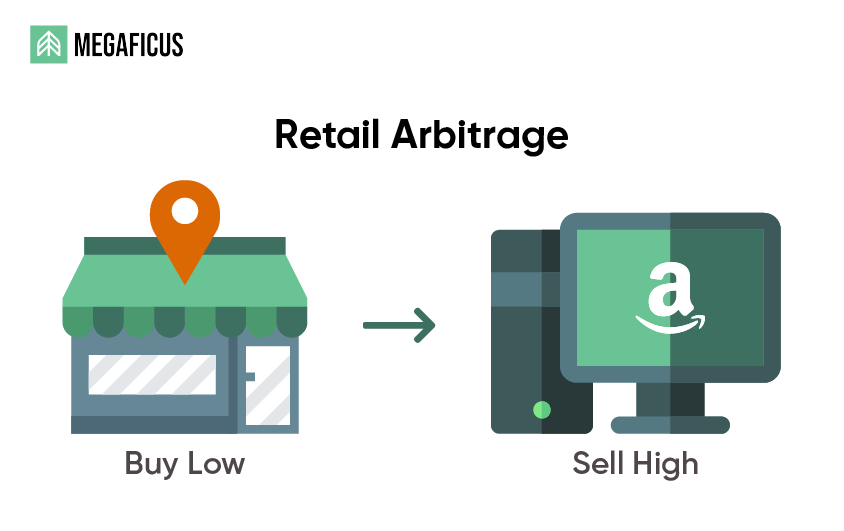
The process relies on the fact that prices are not uniform across the entire market, and Amazon provides a highly liquid platform where consumers are willing to pay a premium for convenience and trust. This systematic exploitation of price gaps is the purest form of the arbitrage model in e-commerce.
What Are the Core Benefits and Risks of the FBA Arbitrage Model?
Before committing time and money, you must evaluate the inherent trade-offs between low risk and potential operational hurdles associated with this business model.
The Benefits
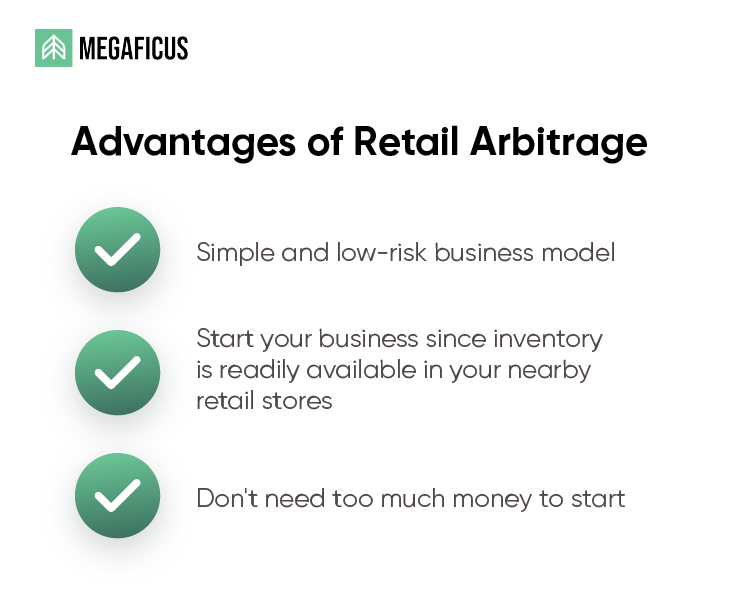
The low barrier to entry is a significant draw of the Amazon FBA arbitrage model. A new seller can easily start with just a few hundred dollars to acquire a small initial batch of profitable inventory to test the market successfully. This accessible starting point allows individuals to quickly learn the FBA systems and build capital without taking on significant financial risk.
FBA arbitrage can offer an extremely fast ROI: If a seller sources an item today and ships it to Amazon tomorrow, it can be available for purchase and shipped to the customer within days. This rapid turnover of inventory and cash allows sellers to quickly cycle their funds and scale their sourcing capacity significantly faster than in other models.
Product validation is inherently easier in FBA arbitrage because, by analyzing the Best Seller Rank (BSR) and sales history data, sellers know precisely how fast an item moves before they purchase it. There is no need to guess if a market exists or spend money on advertising to build initial demand.
The Risks
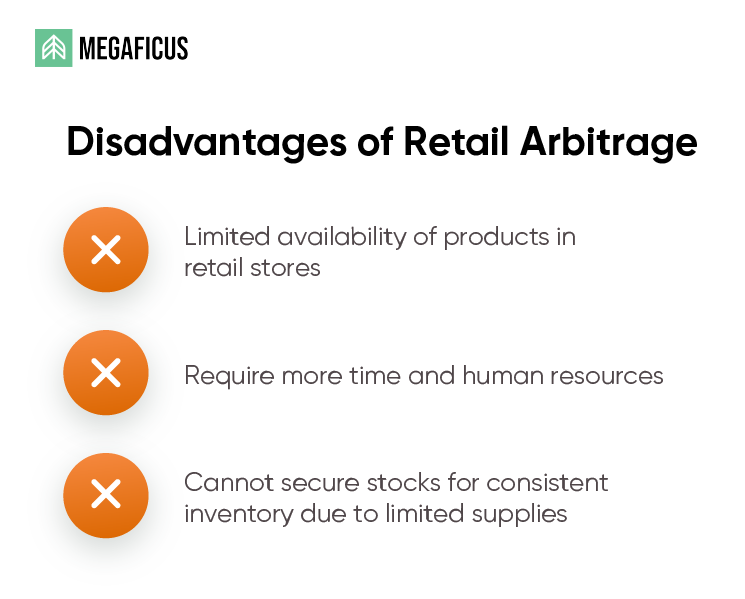
The primary legal risk in Amazon FBA arbitrage involves receiving Intellectual Property (IP) complaints from brands that do not want their products sold by unauthorized resellers on Amazon. These “authenticity” or “infringement” complaints can temporarily freeze inventory and lead to account suspension if not handled correctly by the seller.
Competition is a constant challenge in arbitrage. When multiple sellers source the exact same profitable item, they frequently engage in continuous price undercutting to win the Buy Box. This aggressive repricing quickly reduces profit margins, sometimes pushing the selling price below the break-even point.
Inventory management challenges mainly relate to cash flow and storage costs over time, which can heavily impact profitability. Overstocking a slow-moving item ties up capital that could be invested elsewhere and incurs escalating monthly Amazon FBA fees. Also, incorrect forecasting results in either missed sales opportunities or unnecessary charges for storage.
How does Amazon FBA arbitrage differ from other strategies?
When comparing overall e-commerce strategies, Amazon FBA arbitrage, including RA (retail arbitrage) and OA (online arbitrage), is a fundamentally different business model than Private Label or Wholesale. The unified table below clarifies the distinctions across all four major selling methods
| Feature | Arbitrage (RA/OA) | Wholesale | Private Label |
|---|---|---|---|
| Product Sourcing | Opportunistic purchasing of retail/online clearance or sale items. | Bulk purchasing of established brands directly from authorized distributors. | Manufacturing a unique, branded product from scratch (usually overseas). |
| Brand Ownership | Reselling established brands. | Reselling established brands. | Creates and owns the brand/product. |
| Proof of Purchase | Retail Receipts/Order Confirmations. | Commercial Invoices (required for Amazon compliance). | Commercial Invoices from Manufacturer. |
| Initial Capital Needed | Low ($500 – $2,000) | Medium to High ($5,000+) | High ($10,000+) |
| Time to Profit | Very Fast (Weeks) | Fast to Medium (1-3 Months) | Slow (3-9 Months, due to development/manufacturing) |
| Risk Profile | Low (Low capital commitment per SKU). | Medium (Higher commitment, but known demand). | High (High commitment, unproven demand). |
How Much Does it Cost to Start Amazon FBA Arbitrage?
A critical step before initiating your first purchase is establishing a firm budget and understanding all the associated expenses. Profit is only realized when the total cost of operation is subtracted from the selling price.
| Cost/Fee Type | Specific Item | Rate | Impact on FBA Arbitrage |
|---|---|---|---|
| Startup Costs | Initial Inventory Capital | $500 – $2,000 prudent starting range. | Allows testing multiple products and minimizes overall financial risk. |
| Essential Software Tools | $40 – $100 per month. | Required for efficient sourcing of products for Amazon FBA using scanning apps (Scoutify) and historical data (Keepa). | |
| Seller Account Fee | $39.99 per month (Professional plan). | Essential for serious sellers (over 40 items/month) to unlock Buy Box eligibility and full listing features. | |
| Ongoing FBA Fees | Referral Fee | 8% to 15% of the total sale price (category-dependent). | Amazon’s sales commission must be factored into every profit calculation. |
| FBA Fulfillment Fee | Varies based on product size and weight tiers. | The highest operational cost covers picking, packing, shipping, and customer service. | |
| Monthly Storage Fee | Charged per cubic foot; higher rates Oct-Dec. | Cost for inventory space in Amazon warehouses that ties up capital if the inventory sits. | |
| Long-Term Storage (LTSF) | Penalty fee for inventory stored longer than 271 days. | Forces sellers to liquidate slow-moving stock to free capital and avoid erosion of margins. | |
| Profitability Metric | Target ROI | 30% to 50% minimum on purchase price. | Ensures the net profit provides a necessary buffer against returns, unexpected costs, and minor price fluctuations. |
How Do You Find Profitable Products for FBA Arbitrage Step-by-Step?
Finding the right products is the engine that drives an arbitrage business, and these tips are where smart sellers distinguish themselves from those who simply buy the first discounted item they see.
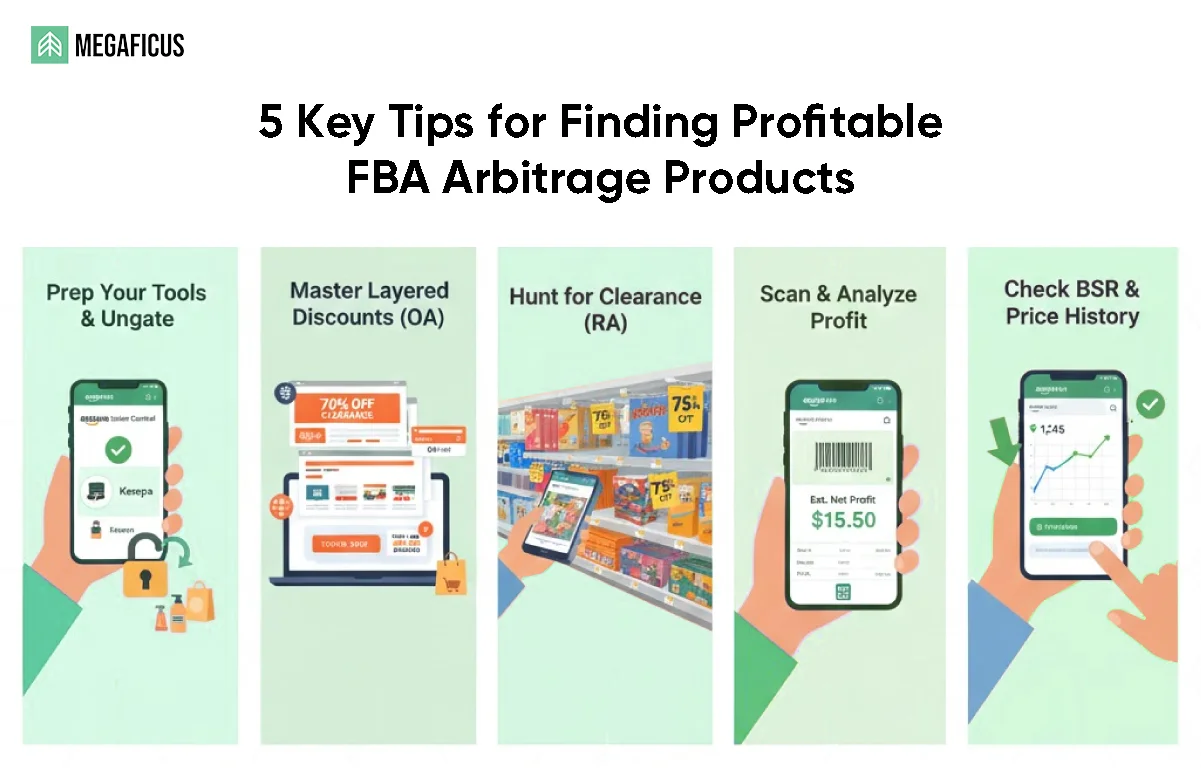
Prep Your Tools and Get Ungated
Before sourcing, set up your Amazon Seller account and install key data tools like the scouting app and Keepa. Crucially, apply to be “ungated” in restrictive categories like Health & Beauty and Grocery. This proactive step prevents listing restrictions and opens the door to higher-profit products for Amazon FBA arbitrage.
Master Layered Discounts for OA
OA relies on finding deep, stacked savings on e-commerce sites. Look for deals where coupon codes combine with existing clearance pricing or buy-one-get-one offers. This method is really efficient for large-scale sourcing of products from home, leveraging wide geographic availability.
Hunt for Clearance for RA
RA requires systematic visits to physical stores, focusing strictly on marked-down clearance racks and overstocked items. Finding a popular branded item marked down 75% that sells at a substantial premium on Amazon is a classic example. This in-person approach confirms item condition instantly, which is vital before committing to bulk purchases.
Scan Everything and Analyze Profit
The Amazon Seller App is the fundamental tool for quickly calculating viability in the field. Scan the barcode, input your COGS, and let the app calculate the estimated net profit after all fees from Amazon. This instant, data-driven feedback loop is necessary for making rapid, high-volume sourcing decisions efficiently.
Always Check BSR and Historical Price
Before any purchase, confirm the product’s sales viability by checking key metrics. The BSR must be low enough to ensure the item is not dead stock, and tools like Keepa reveal historical price stability. This analysis predicts future competition and helps prevent profit margin erosion, ensuring informed sourcing decisions.
How Do You Prepare and Ship Arbitrage Inventory to Amazon FBA?
Once a profitable sourcing run is complete, the inventory must be prepared and shipped according to Amazon’s rigorous standards.
Step 1: Create a Shipping Plan
The shipping process begins in Amazon Seller Central, where you create a detailed Shipping Plan to specify which products, along with their quantities, will be sent to the Amazon warehouse, as well as the prep category for each item.
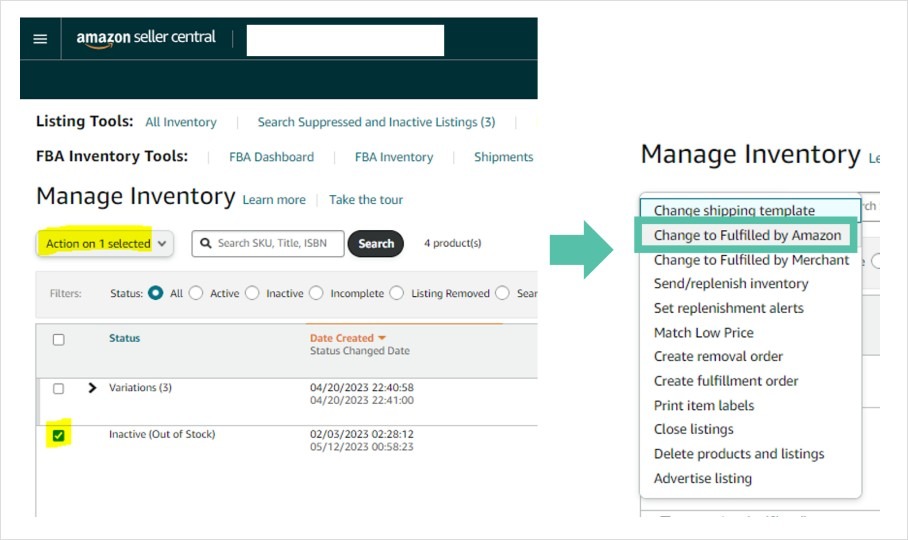
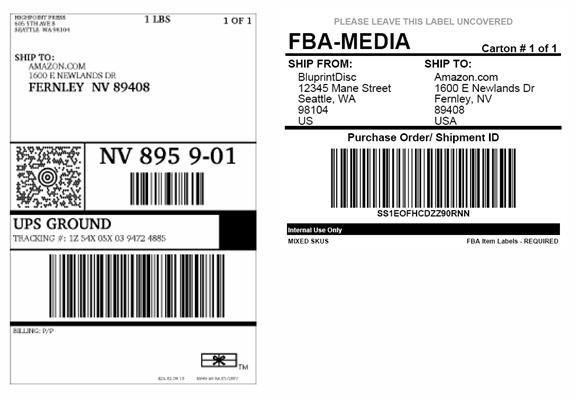
Amazon’s system then generates the specific FBA labels for each item and assigns the shipment to one or more Amazon fulfillment centers, providing the final shipping address. You must adhere exactly to the split shipments mandated by Amazon.
Step 2: Perform Mandatory Inventory Prep
All individual items must be prepped correctly. Mandatory steps include affixing the FBA item label (FNSKU) over the original barcode to ensure Amazon tracks the item correctly. Fragile items must be bubble-wrapped, and liquid items or textiles must be poly-bagged to prevent leakage or damage during transit.
For bundles (multiple items sold as one unit), a “Sold as Set” label must be applied to the packaging to ensure the warehouse staff does not separate the component items. Following these steps prevents processing delays and unhappy customers.
Step 3: Box and Ship to Amazon Warehouse
Best practices dictate that inventory should be packaged efficiently and safely. You must choose sturdy, appropriately sized shipping boxes and ensure that the items are packed tightly with dunnage (packing material) to prevent movement.
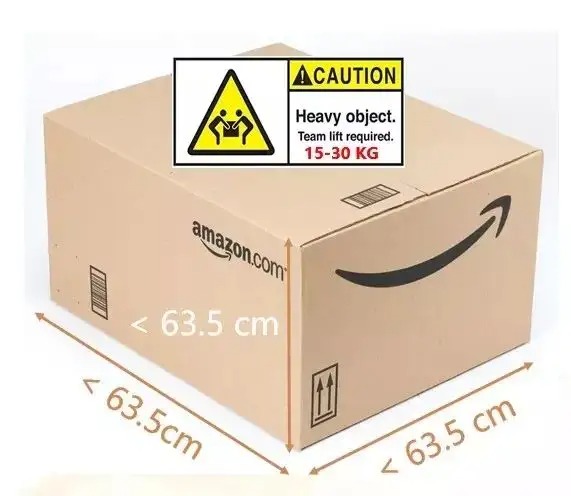
The shipment must be labeled with the box content information and the Amazon-provided shipping label. Using an Amazon Partnered Carrier (UPS or FedEx) generally provides the best negotiated rates and the most seamless integration with the FBA system, lowering the total inbound shipping cost.
What Are the Best Practices for Maximizing FBA Arbitrage Profits?
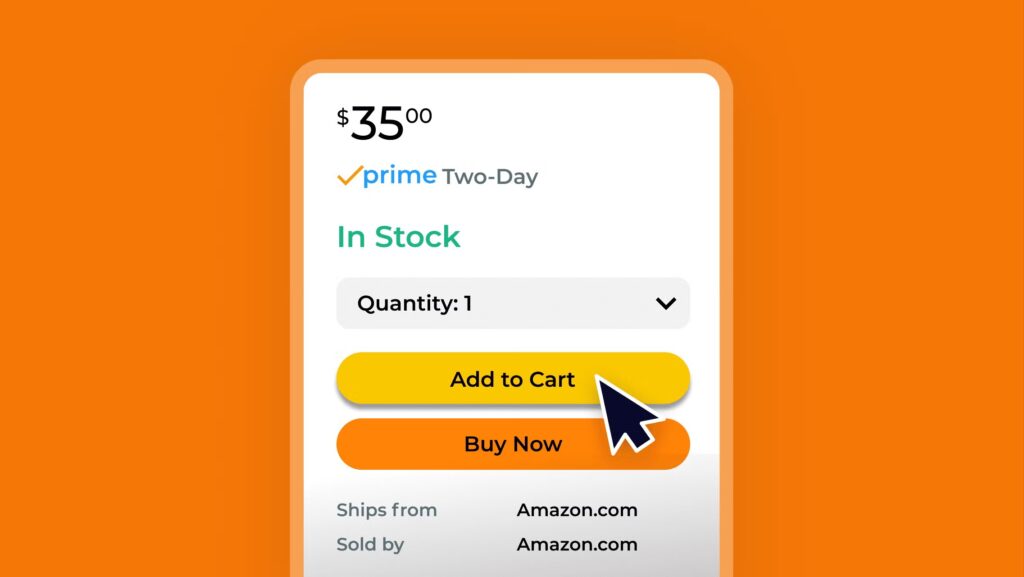
The first critical practice is to win the Buy Box, as it is where the vast majority of Amazon sales occur. To win it more often, you should maintain a competitive but profitable price, keep excellent seller health metrics, and ensure their inventory is always in stock. FBA status itself gives a significant advantage over competitors using Fulfillment by Merchant (FBM).
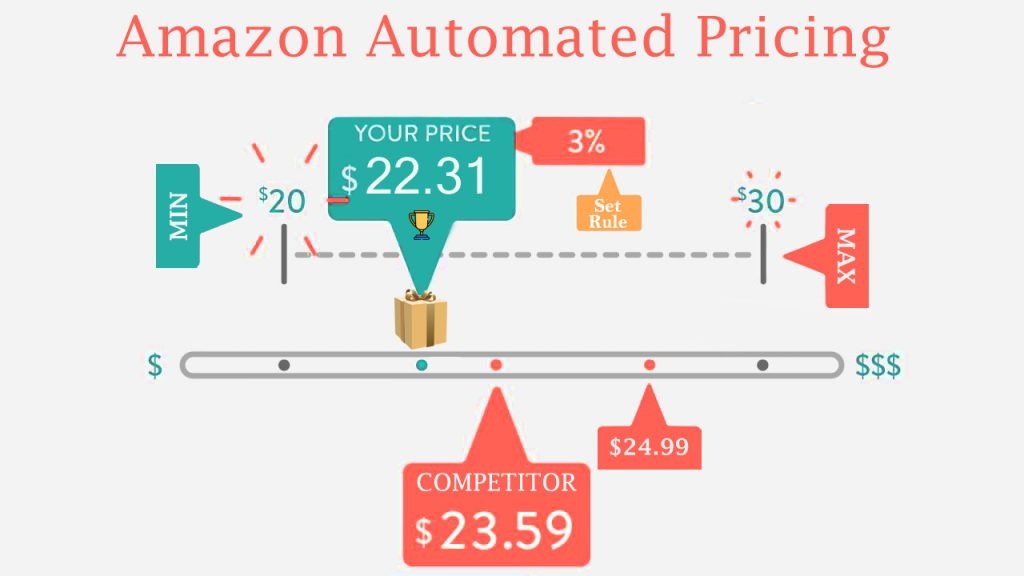
Secondly, an automated repricer is highly recommended for any scaling arbitrage business as it takes the constant, manual adjustment of prices out of the seller’s hands. The software monitors competitors and adjusts the selling price instantly and continuously. This automation will protect the profit margin against human error and ensure the most optimized price at all times.
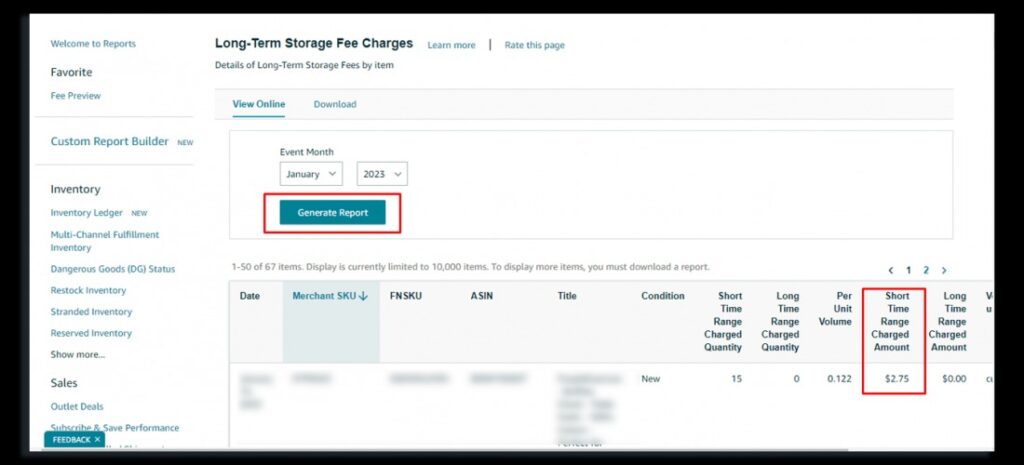
Thirdly, avoiding the costly Long-Term Storage Fees (LTSF) is also crucial. You should routinely check the Inventory Age report to identify products that are approaching the LTSF trigger dates (typically, those sitting for over 271 days). You should discount slow-moving inventory to clear it out, or in extreme cases, create a removal order to have the inventory sent back to them.
Last but not least, maintaining meticulous compliance records is the most effective defense against the risk of account suspension due to IP or authenticity complaints. You should save and organize every single retail receipt immediately after purchase. They serve as necessary proof of purchase in case Amazon requires verification of where the item was sourced.
What Are the Most Common Mistakes New FBA Arbitrage Sellers Make?
Learning from the common missteps of others is a fast track to success in Amazon FBA arbitrage. By actively avoiding these pitfalls, new sellers can protect their initial capital and accelerate their path to sustained profitability.
Buying solely based on price (ignoring BSR and sales velocity)
A frequent mistake is seeing a deeply discounted product and buying it without checking its sales velocity (BSR). A product selling at 90% off is worthless if it takes six months to sell and incurs multiple storage fees in the process.
Profitable sourcing products for Amazon FBA arbitrage prioritizes speed of sale over depth of discount. A moderate discount on an item that sells 50 times a month is always superior to a massive discount on an item that barely sells once a year.
Ignoring product restrictions and gated categories
New sellers often encounter frustration when they purchase inventory only to discover Amazon has “gated” the product or brand, preventing them from listing it. This leads to capital being tied up in unlistable inventory that must be returned or liquidated elsewhere.
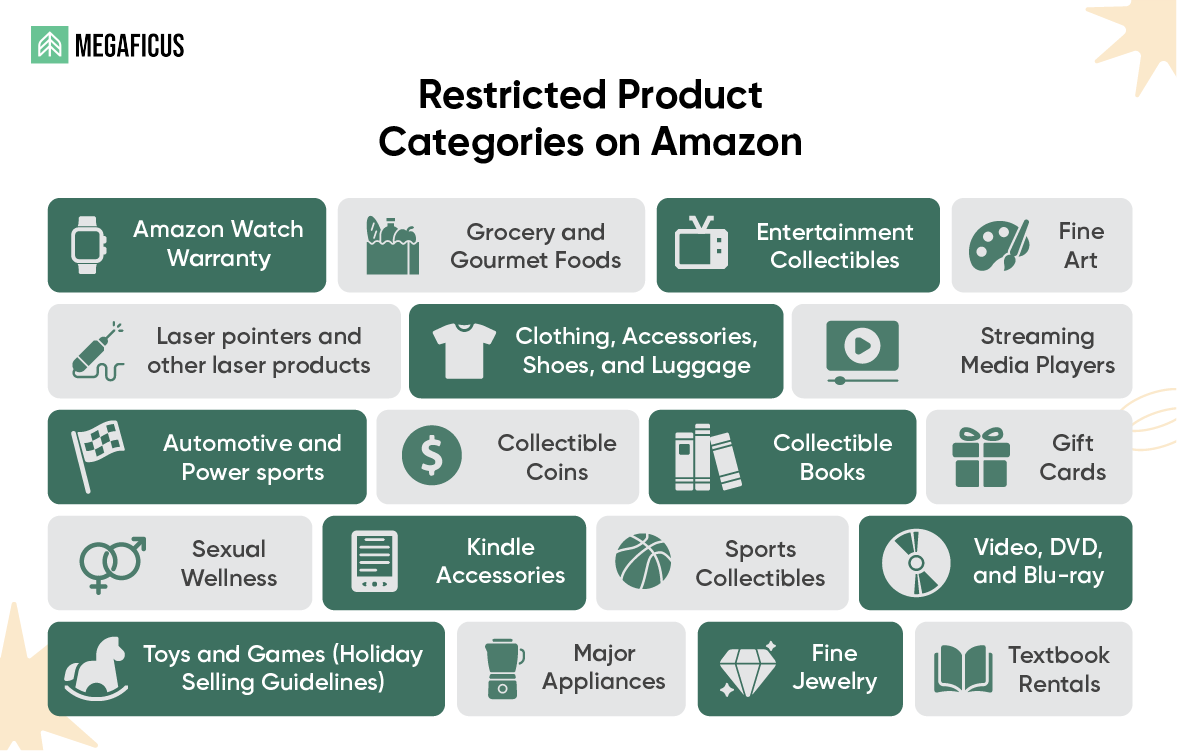
You must always check the Amazon Seller App before purchasing to ensure they are approved to sell the item and the brand. Ignoring this vital step is a direct path to inventory management headaches and account health warnings.
>> Read more: Amazon Restricted Categories: Full List And Approval Guide
Failing to account for all fees in profitability calculations
Inaccurate calculation of all associated costs is a fatal flaw for many beginners. They often forget to factor in the cost of packing supplies (labels, poly-bags, boxes), the cost of inbound shipping to the Amazon warehouse, and the inevitable cost of customer returns.
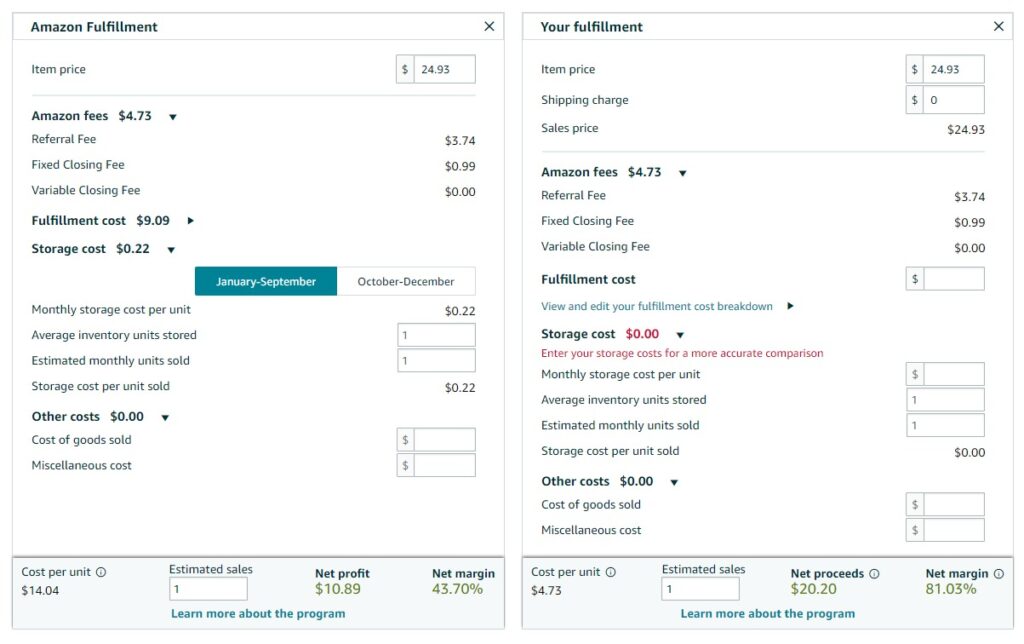
Failing to include these secondary costs leads to an inflated sense of the ROI. So you must always confirm that your gross margin remains positive even after all Amazon FBA fees are applied.
Over-relying on a single sourcing store or product category
Dependence on a single source, such as one particular clearance rack at one specific Walmart or one online deal site, exposes the business to extreme risk. If that source dries up or the store changes its clearance strategy, the entire supply chain collapses.
For successful arbitrage, you should constantly diversify in sourcing products across multiple retail and online channels, as well as several different product categories, to ensure a steady, reliable flow of inventory.
Using FBM when FBA is the better choice for the Buy Box
While FBM can sometimes be cheaper for very large or heavy items, new arbitrage sellers often underestimate the Buy Box advantage FBA provides. Amazon heavily favors FBA sellers, making them much more likely to win the Buy Box.
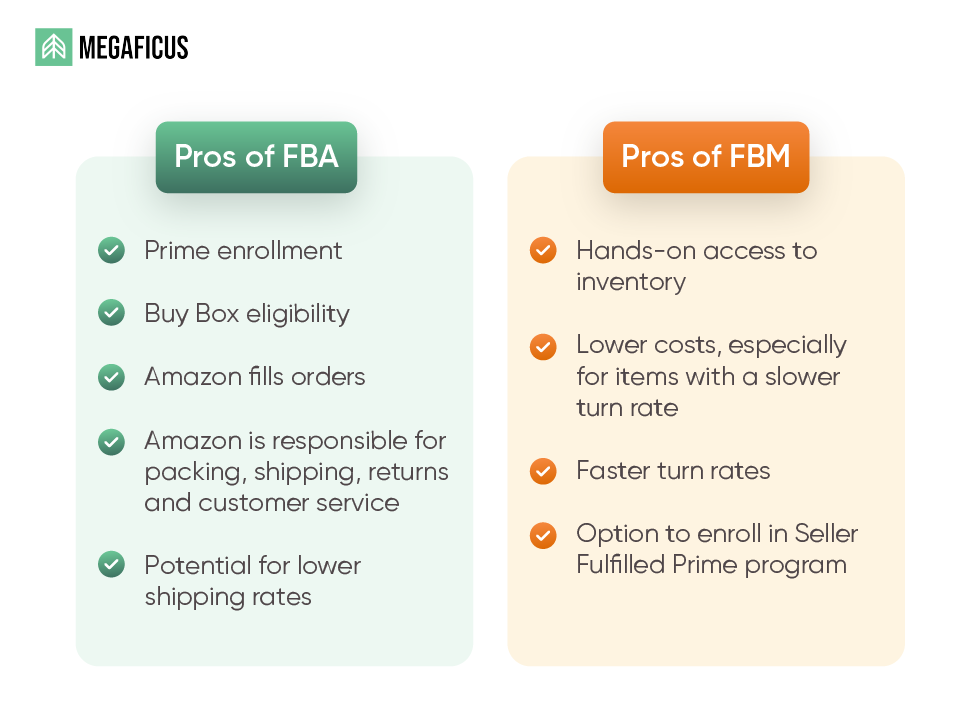
You have to always use FBA for arbitrage unless the item is extremely large/heavy, or FBA is unavailable. For most arbitrage items, FBA remains the superior choice for maximizing profit, and the increased sales velocity from Buy Box eligibility far outweighs the minimal cost savings of handling individual shipping via FBM.
Frequently Asked Questions (FAQ) About FBA Arbitrage
Yes, it is legal and permitted by Amazon under the “First Sale Doctrine” for the resale of branded goods, provided you adhere to seller policies.
A practical and sustainable starting capital is typically between $1,000 and $2,000 for inventory, software, and shipping costs.
You can see your first sales within 2-4 weeks and realize a net profit within the first 60 days of consistent sourcing and selling.
No, you can start as an Individual Seller. However, forming an LLC is recommended for liability protection once your sales volume becomes substantial.
Avoid oversized, heavy, or fragile items due to high Amazon FBA fees, products with quick expiration dates, and brands known for aggressive Intellectual Property complaints.
Get Professional Help from Megaficus
Amazon FBA arbitrage offers a uniquely efficient and low-risk gateway into the thriving e-commerce space. By focusing on the fundamentals – the constant pursuit of price discrepancies and the effective utilization of Amazon’s fulfillment machine – you can build a scalable business with readily available inventory.
This model rewards data, diligence, and compliance over brand building or product innovation. Success hinges on treating every sourced item as a micro-investment, rigorously calculating the ROI after all Amazon fees and managing inventory flow perfectly. The systems are proven; the execution is what counts.
Now is the time to start setting up your Professional Seller account, downloading the Amazon Seller App, and identifying your first profitable item.