
Amazon Private Label vs Wholesale? Which one actually works better for your Amazon business? In this guide, Megaficus will compare how each model works, their key differences, and which delivers better results for different business goals and resources.
Quick Summary:
| Factor | Amazon Private Label | Amazon Wholesale |
|---|---|---|
| Profit | 30-40% margins | 10-20% margins |
| Investment | $10,000-$15,000+ | $2,500-$5,000 |
| Time Intensiveness | 6+ months to profit | 1-3 months to profit |
| Competition | Low (unique products) | High (price wars) |
| Control and Freedom | Complete brand ownership | Limited control |
| Long Term Prospects | 3-5x revenue exit value | Minimal exit value |
| Legal Bindings | Full product liability | Manufacturer liable |
What Is Amazon FBA Private Label?
Amazon FBA Private Label is a business model where sellers source products from manufacturers, rebrand them with their own logo and packaging, then sell them on Amazon. Through the FBA program, Amazon handles all storage, shipping, and customer service, allowing sellers to focus on building their brand while leveraging Amazon’s logistics infrastructure.
What Is Amazon Wholesale?
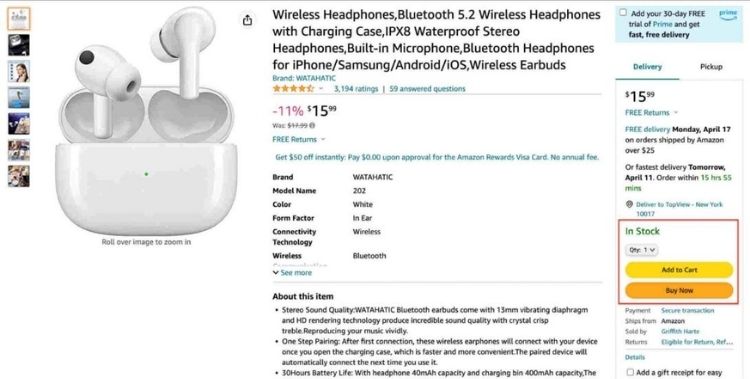
Amazon Wholesale is a business model where sellers purchase branded products in bulk from manufacturers or distributors at wholesale prices, then resell them on Amazon at retail prices. Profit comes from the price difference between wholesale and retail, with bulk buying enabling lower per-unit costs and higher margins.
Key Differences Between Amazon Private Label vs Wholesale
Let’s examine how private label and wholesale compare across critical business factors to help you determine which model aligns with your specific goals and resources.
Profit
This aspect examines how each business model impacts your profit margins and overall profitability potential.
Amazon Private Label
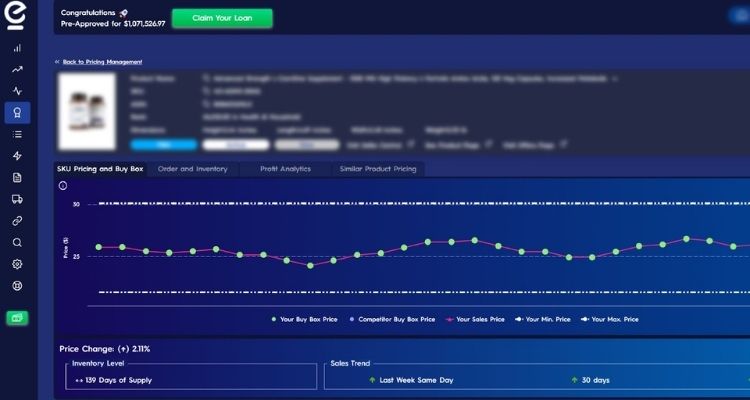
Private label products typically deliver profit margins of up to 40%, significantly higher than other Amazon selling models. Since private label sellers create and sell unique branded products, they face minimal Buy Box competition, allowing them to set higher prices and maintain robust margins.
Amazon Wholesale
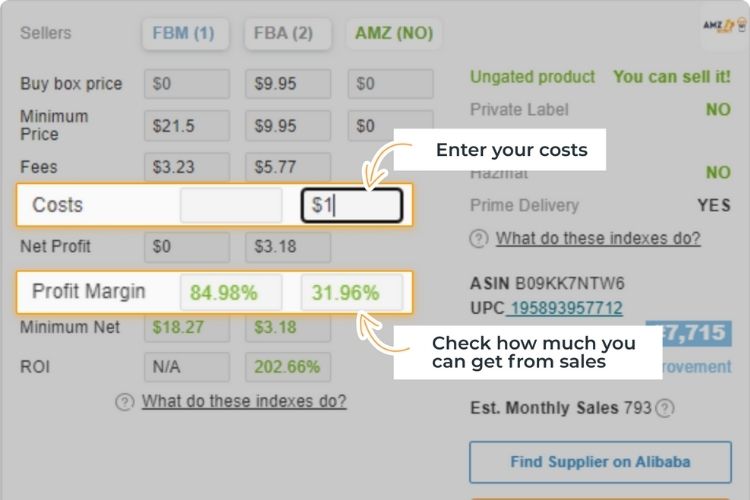
Wholesale sellers typically see profit margins around 10%-20%, considerably lower than private label products. These margins can shrink quickly due to intense competition and the constant need to win the Buy Box by offering the lowest prices.
Wholesale sellers have limited control over their profit margins since they must compete primarily on price and product availability with other sellers offering identical branded products.
Investment
Understanding the upfront capital requirements and ongoing financial commitments helps determine which model fits your budget and resource availability.
Amazon Private Label
Private label sellers face substantially higher investment requirements due to comprehensive brand-building demands. They must allocate a budget for professional label design, packaging creation, high-quality product photography, and marketing campaigns to generate brand awareness.
Additionally, obtaining unique product identifiers like EAN codes and managing larger minimum order quantities from overseas manufacturers increases upfront costs. Although these investments require considerable financial resources, they establish the foundation for building a valuable brand asset with strong long-term growth potential.
Amazon Wholesale
Wholesale sellers benefit from significantly lower investment requirements by leveraging existing brand equity rather than creating it from scratch. Their primary investment focuses on purchasing and distributing products, eliminating expenses for brand development, professional design work, and extensive marketing efforts.
Many wholesale sellers source from domestic or regional suppliers, reducing minimum order quantities and avoiding complex international import procedures. This streamlined approach enables faster market entry with lower financial barriers, though it sacrifices the brand equity building opportunities available to private label sellers.

Time Intensiveness
The timeline to profitability and daily operational workload varies significantly between these two business models.
Amazon Private Label
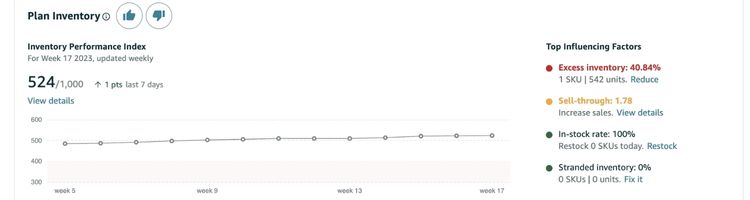
Private label involves a slower time to market due to the extensive processes of product development, manufacturing, branding, and building brand awareness from scratch. 65% of private label sellers took over six months to see their first profit, as creating a new brand requires significant time investment in marketing and gaining customer trust.
Additionally, private label sellers must dedicate time to creating and optimizing product listings, developing Amazon PPC ad campaigns, and continuously working on brand building and customer engagement.
Amazon Wholesale
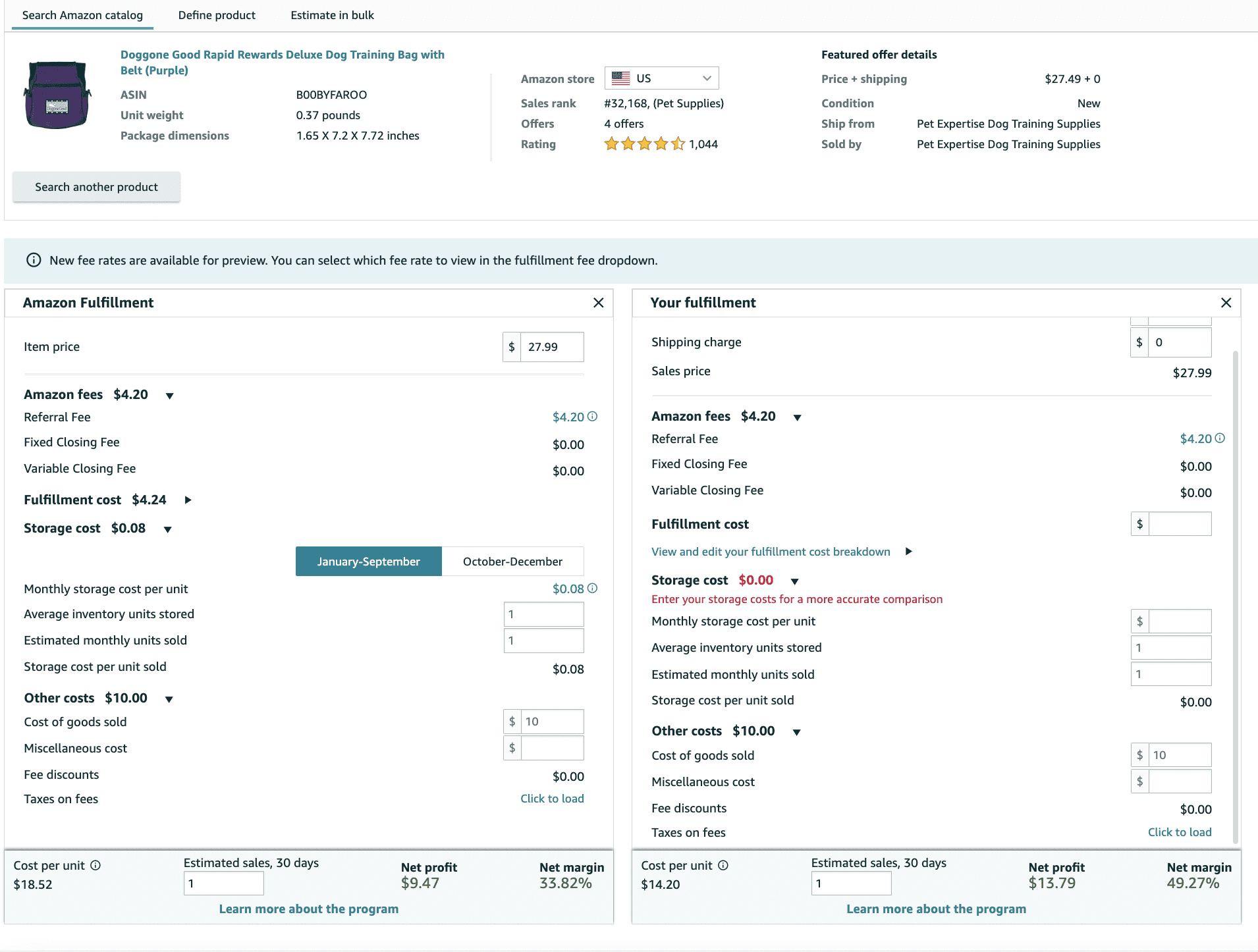
Wholesale offers a much faster time to market since sellers work with established brands that already have existing customer demand and recognition. 57% of wholesalers turned a profit within their first three months, demonstrating significantly quicker returns compared to private labels.
Wholesale requires less overall work because sellers don’t need to create their own brand, develop product listings from scratch, or optimize extensive ad campaigns, allowing them to list products on Amazon quickly once inventory is secured.
Competition
Market saturation and competitive dynamics differ drastically depending on whether you’re selling branded products or building your own brand.
Amazon Private Label
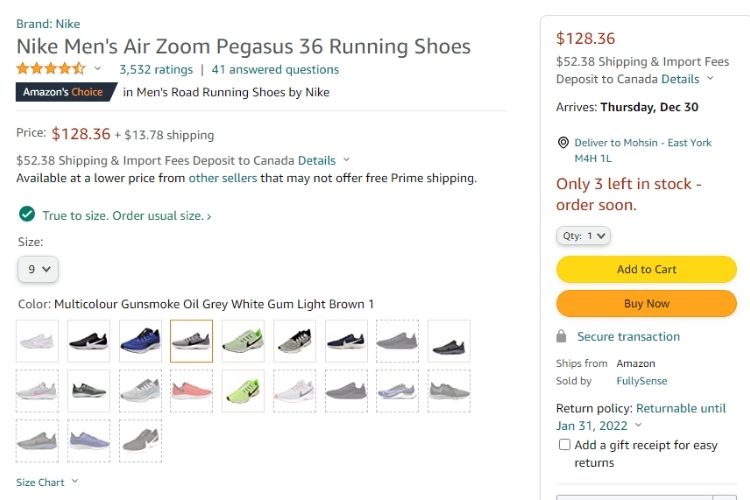
Private label sellers enjoy a significant competitive advantage by offering unique, branded products that no other seller can duplicate without infringing on their trademarks. Consequently, winning the Buy Box becomes much easier since there are no direct competitors for their specific branded items.
However, new brands lack organic search volume, requiring substantial investment in keyword optimization and PPC campaigns to generate initial reviews and customer awareness.
Amazon Wholesale Competition
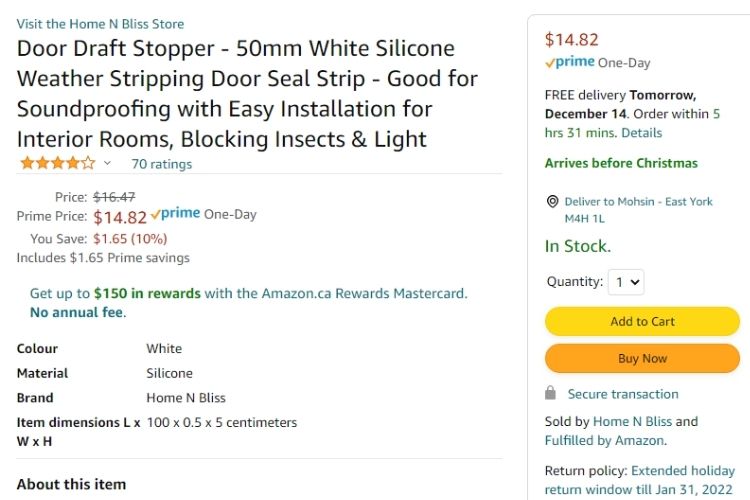
Wholesale sellers compete directly with numerous merchants offering identical branded products, creating an intensely competitive marketplace. As a result, maintaining the lowest price and Prime availability becomes essential for Buy Box placement, which inevitably shrinks profit margins over time.
Nevertheless, established brand recognition drives high organic search volume naturally, reducing the need for aggressive advertising spend compared to building a private label brand.
Control and Freedom
The level of autonomy you have over business decisions, product management, and brand identity varies considerably between these two approaches.
Amazon Private Label
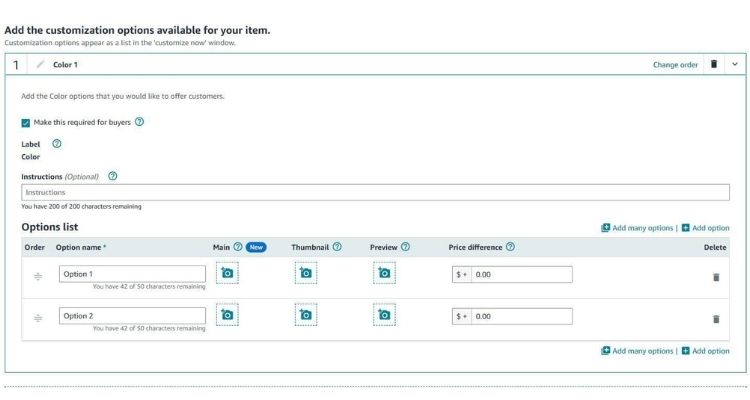
Private label sellers own their brand completely, allowing them to control product design, packaging, pricing, and marketing strategies independently. Furthermore, they can select manufacturers and set quality standards throughout the supply chain, enabling flexible inventory management based on market demands.
This autonomy creates opportunities for high product differentiation, where sellers build unique brand identities and command premium pricing.
Amazon Wholesale
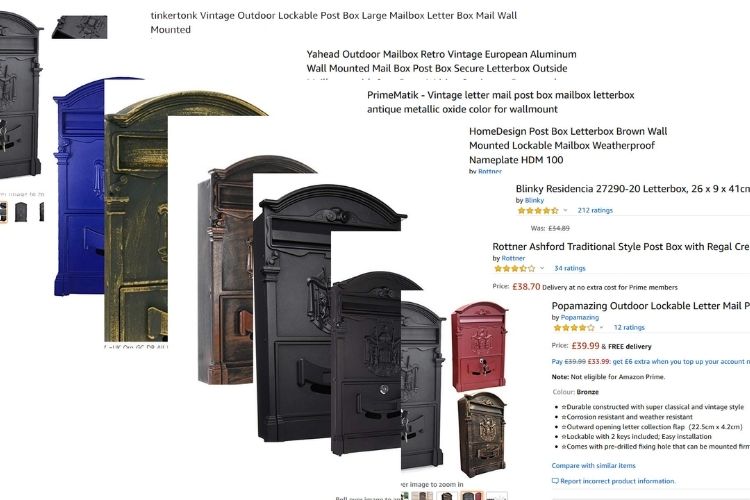
Wholesale sellers face significant limitations due to supplier dependence, as stock availability and brand guidelines are determined by manufacturers. Consequently, product differentiation becomes nearly impossible since merchants resell identical items already available from competitors.
Additionally, supply chain issues like stockouts remain beyond their control, while they cannot customize product listings but merely add offers to existing pages.
Long Term Prospects
The scalability potential and business exit opportunities differ significantly based on which selling model you choose.
Amazon Private Label
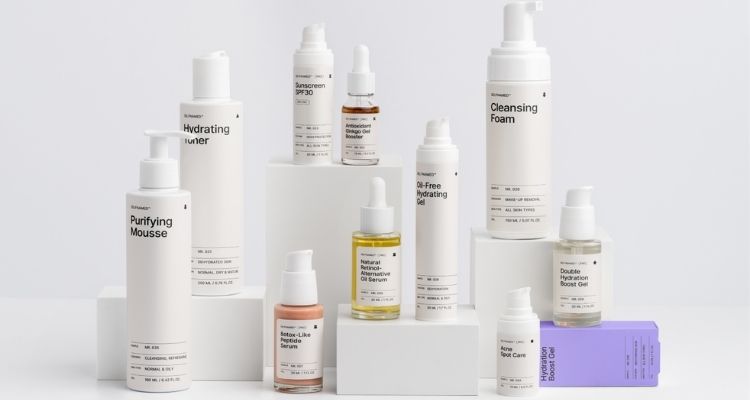
Private label offers exceptional scalability by allowing sellers to continuously expand their product lines under the same brand or create entirely new brands for different market segments. Moreover, building a successful private label brand creates valuable intellectual property that can be sold for 3-5 times its annual revenue, providing a lucrative exit strategy.
Through consistent branding efforts and customer loyalty development, private label sellers can establish lasting market positions with sustainable competitive advantages.
Amazon Wholesale
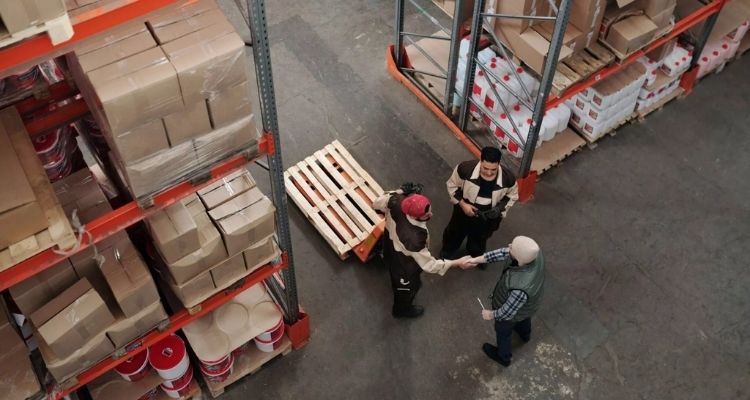
Wholesale businesses demonstrate strong scalability potential by continuously sourcing new distributors and manufacturers offering bulk deals, then expanding product catalogs across multiple categories.
However, the business remains vulnerable to supplier relationships and market conditions, as losing key supplier partnerships or facing increased competition can quickly erode profitability.
While wholesale provides steady cash flow, it lacks the brand equity building opportunities that create long-term business value or attractive exit multiples for potential buyers.
Legal Bindings
The legal obligations and liability responsibilities you assume depend heavily on whether you’re creating your own brand or reselling established products.
Amazon Private Label
Private label sellers bear full legal liability under the Product Liability Act since they function as the manufacturer or importer of their branded products. If a product malfunctions and causes damages, sellers face not only reputational harm but also potential legal consequences and financial liability.
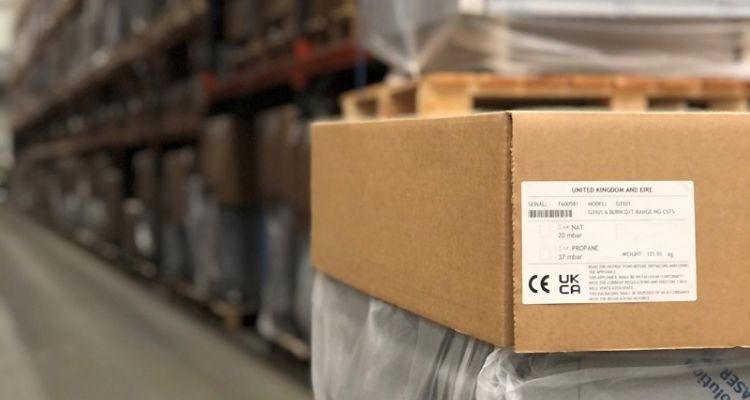
When sourcing from non-EU countries, private label sellers become the official importer, making them responsible for obtaining CE marking certification, conducting required safety tests, and ensuring customs-compliant imports. These compliance requirements involve substantial costs for testing and documentation, which must be factored into pricing strategies to maintain profitability.
Amazon Wholesale
Wholesale sellers enjoy significantly reduced legal obligations since product liability remains with the original manufacturer rather than the reseller. They are not held responsible for product defects or malfunctions, as the established brand retains legal accountability under the Product Liability Act.
By sourcing products already distributed within the EU, wholesalers avoid importer responsibilities entirely, including CE marking requirements and customs compliance procedures.
This simplified legal framework allows wholesale sellers to focus on distribution and sales without the burden of product safety certifications or extensive regulatory compliance that private label sellers must navigate.
When To Choose Each Business Model: Amazon FBA Private Label Vs Wholesale
Choosing between private label and wholesale requires careful evaluation of your business circumstances, resources, and long-term objectives. Neither model is universally superior, the right choice depends on your specific situation, capabilities, and strategic goals.
When To Choose Amazon Private Label?
Amazon Private Label is ideal when brand building, product differentiation, and long-term equity creation take priority over quick market entry. If your business circumstances align with any of the following, Private Label could be the better option:
You have sufficient capital and patience for brand development
Private label requires $10,000-$15,000 in upfront investment and 6+ months before profitability, making it suitable for entrepreneurs with adequate funding and realistic timelines.
If you’re launching premium kitchen gadgets, you’ll need to invest in product development, professional photography, trademark registration, and sustained PPC campaigns before generating meaningful sales, but you can eventually command 40% profit margins once your brand gains traction.
You want to create a sellable business asset
Entrepreneurs planning eventual exits benefit from the private label’s ability to generate 3-5x annual revenue valuations through established brand equity.
As an illustration, if you build a pet accessories brand with strong customer loyalty through quality products and consistent branding, you can sell the entire business to aggregators or investors, whereas wholesale operations have minimal exit value beyond existing inventory.

You’re targeting niche markets with specific customer needs
Private label excels in specialized categories where customization and unique features create competitive advantages.
Notably, if you’re creating ergonomic office accessories for remote workers, you can design products addressing specific pain points that generic wholesale items don’t solve, thus commanding premium pricing and building devoted customer followings.
You have creative skills in branding and marketing
Success in private label demands strong capabilities in brand identity development, copywriting, visual design, and advertising optimization.
In particular, if you have graphic design experience and marketing knowledge, you can create compelling brand stories and professional product listings that differentiate your yoga mats from dozens of identical wholesale alternatives.
When To Choose Amazon Wholesale?
Amazon Wholesale works best when quick profitability, lower financial risk, and operational simplicity matter more than brand ownership and maximum profit margins.
You’re starting with limited capital ($2,500-$5,000)
Wholesale’s lower entry costs make it accessible for new sellers testing Amazon without major financial risk.
For example, if you’re starting as a first-time seller, you can purchase 100 units of established home goods from regional distributors, list them within days, and generate profits within 3 months without investing in branding, photography, or extensive marketing campaigns.
You have strong negotiation and relationship-building skills
Wholesale success depends on securing favorable terms with brand owners and distributors through persistent outreach and professional communication.
For instance, if you’re skilled at networking and attending trade shows, you can cold-call manufacturers and build supplier relationships that provide exclusive distribution rights or preferential bulk pricing unavailable to competitors.

You want a faster time to profitability
Businesses needing immediate cash flow benefit from wholesale’s proven products with existing customer demand. If you’re purchasing popular kitchen brands and leveraging established search volume and customer trust, you can generate sales within weeks, avoiding the 6-12 month ramp-up period required for unknown private label brands to gain market visibility.
You prefer analytical, numbers-driven operations
Wholesale suits entrepreneurs who excel at data analysis, inventory management, and pricing optimization rather than creative brand building.
As an example, if you’re using repricing software and profit calculators to systematically evaluate hundreds of potential products, you can select items with optimal margins and velocity, then scale inventory across multiple winning SKUs without developing marketing campaigns or brand narratives.
>>> Read more: Amazon FBA vs 3PL: Find The Best Option For Your Business
FAQs About Amazon FBA Private Label Vs Wholesale
Yes, you need authorization from brand owners or authorized distributors. You must provide documentation, like invoices and authorization letters, to prove legitimate sourcing and avoid account suspension.
Private label has less direct competition since you sell unique branded products that others cannot duplicate. Wholesale faces intense competition with multiple sellers offering identical products competing primarily on price.
Yes, many sellers start with wholesale to generate cash flow and learn Amazon’s marketplace, then use those profits and experience to fund private label development.
Private label requires higher investment ($10,000-$15,000), longer profitability timeline (6+ months), and full product liability. You also risk product failure if your brand doesn’t resonate with customers.
Private labels provide complete control over pricing and branding since you own the product entirely. Wholesale offers minimal control as you must compete on price and cannot modify existing brand listings.
Get Professional Help from Megaficus
In general, if you want higher profit margins and long-term brand equity, go with Amazon Private Label. If you need faster profitability and lower startup investment, Wholesale is your best bet. It all depends on your available capital, timeline, and business objectives.
Still need further help deciding on or setting up your Amazon business? Contact Megaficus for expert support with Amazon selling strategies, product sourcing, and business optimization.