
Is selling on Amazon still worth the effort today? Find out the definitive answer! This guide from Megaficus will explain what is Amazon Marketplace place, detailing its costs, benefits, and the systematic strategies successful sellers use to harness unparalleled scale and crucial logistics infrastructure for maximum profit and growth.
Quick Summary
- Definition: The Amazon marketplace is Amazon’s third-party platform, where independent sellers list products directly to consumers alongside Amazon’s retail inventory.
- Essential Role: It is essential because it provides immediate access to Amazon’s global customer base and its trusted fulfillment network (FBA).
- Seller Models: Sellers choose between Fulfillment by Amazon (FBA) for convenience and Prime eligibility, or Fulfillment by Merchant (FBM) for greater inventory control.
- Cost Structure: Key expenses include Referral Fees (8% to 15% commission), FBA Fulfillment Fees, and monthly Professional Subscription fees.
- Profitability: Success now relies on meticulous cost analysis and advanced strategies like Listing Optimization and focused advertising integration.
- Strategy Core: Achieving long-term profitability requires managing product reviews and consistently optimizing listings to maintain a high search rank.
What Exactly is the Amazon Marketplace, and the Difference between It and Amazon?
Before launching any product, a clear understanding of what is Amazon marketplace is paramount for planning your business structure. The Amazon Marketplace is fundamentally a platform where independent third-party sellers list their goods for sale directly to consumers. These sellers compete alongside Amazon’s own retail offerings.
This platform is not merely an online store. It is a global e-commerce engine that connects millions of independent businesses to a massive, ready-to-buy global customer base. The sheer scale makes it impossible for most small businesses to ignore.
When reading this, many of you may wonder whether the Amazon marketplace and Amazon are the same. The answer is No. Amazon acts as a vendor, purchasing and owning inventory directly from a brand (1P model).
The Marketplace, conversely, is a third-party retail market that is tightly integrated with Amazon, which allows independent third-party (3P) sellers to list and sell their products directly to the consumer, competing with the retail giant. Megaficus will be presented shortly in the comparison table below:
| Feature | Amazon Retail (1P/Vendor) | Amazon Marketplace (3P/Seller) |
|---|---|---|
| Inventory Owner | Amazon | Independent Seller |
| Fulfillment Options | Amazon handles all logistics | FBA (Amazon) or FBM (Seller) |
| Pricing Control | Amazon sets the final price | Seller sets the final price |
| Profit Model | Wholesale Margin | Retail Margin – Fees |
The immense scale and inherent consumer trust offered by the 3P model make the Amazon marketplace indispensable for any brand seeking rapid, scalable e-commerce penetration. Ignoring this channel means sacrificing immediate access to the world’s most purchase-ready audience.
How Does the Amazon Marketplace Function for Sellers?
To operate successfully on the platform after you understand what Amazon Marketplace is, you must master the fundamental mechanics of product listing, pricing, and fulfillment. These processes define the day-to-day operation of a marketplace business.
Product Listing, Pricing, and Sales Generation
The initial step involves creating a compelling product listing in Seller Central. This is where the title, images, and description are defined. The price is set competitively based on competitor data and internal cost structure.
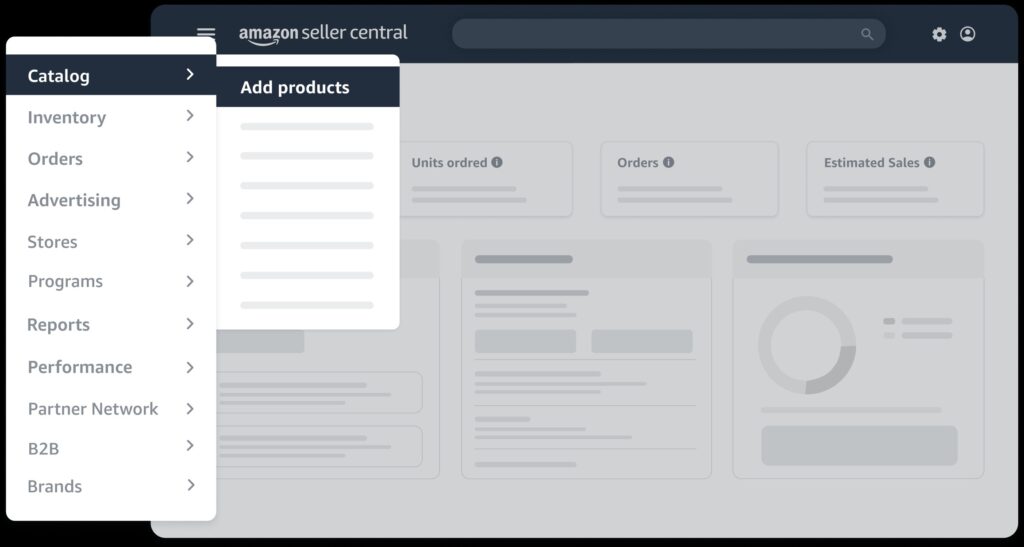
Sales are generated when a customer searches for a relevant term (e.g., “stainless steel water bottle”) and clicks the product. Success requires combining strong organic search optimization (SEO) with effective paid advertising to drive initial traffic and sales velocity.
FBA vs. FBM: The Two Main Fulfillment Models
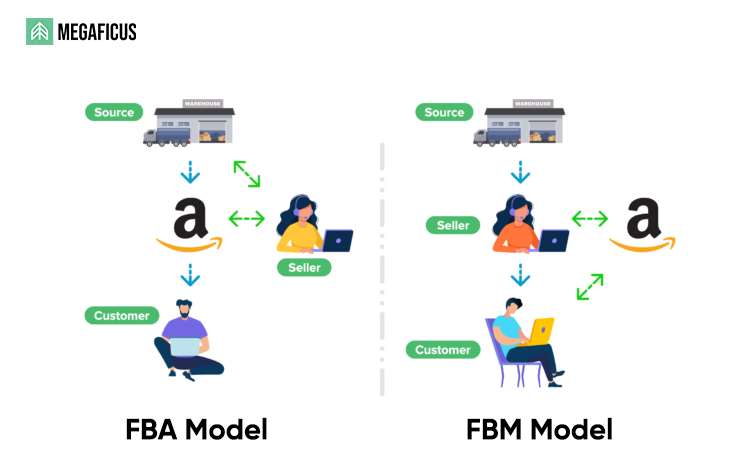
You may choose between FBA, where Amazon handles all storage, picking, packing, and customer service after the product is sent to a warehouse, and FBM. Under the FBM model, you’re the one retaining control. You’re responsible for storing inventory, packing every order, and managing all shipping logistics directly to the customer.
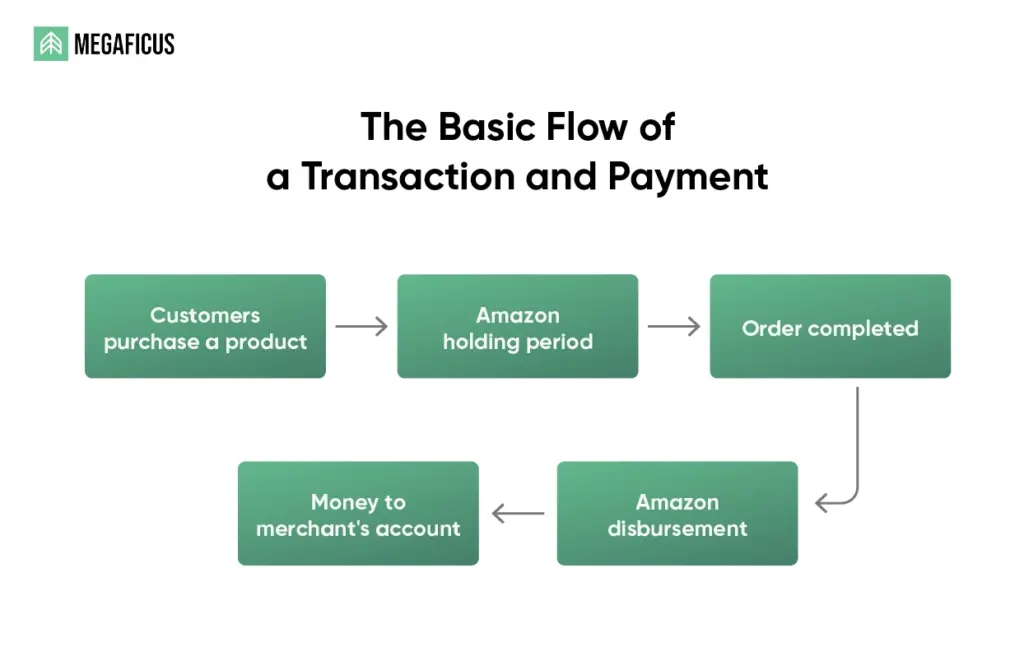
The Basic Flow of a Transaction and Payment
The transaction flow begins when a customer places an order on a seller’s listing. If FBA is used, Amazon pulls the item from the warehouse, ships it, and handles all post-sale customer service (returns/refunds).
The sale amount is credited to the seller’s account, less all associated fees (Referral, FBA Fulfillment, etc.). Amazon then disburses the final net balance to the seller’s bank account, typically on a bi-weekly cycle.
>>> Read more: Amazon FBA Vs FBM: How To Decide The Best Option For Sellers
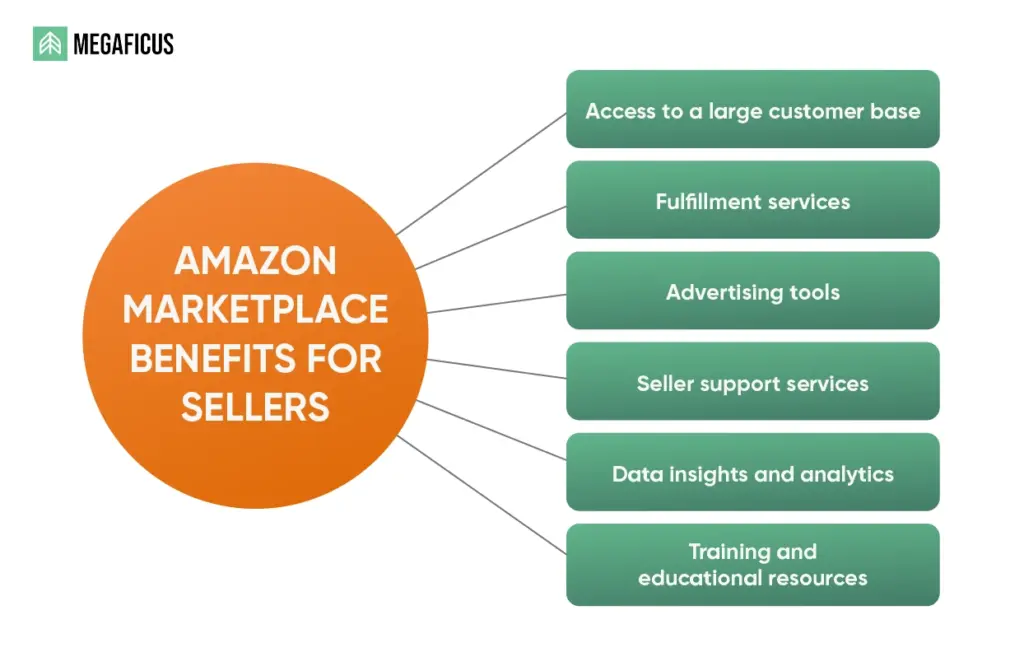
What Are the Core Benefits of Selling on the Marketplace?
An understanding of what is Amazon Marketplace reveals three powerful benefits that accelerate growth and minimize operational headaches for small and scaling businesses.
Benefit 1: Immediate Access to the Prime Customer Base
The primary advantage is the immediate, massive traffic volume provided by the built-in audience. A new product does not have to spend months building brand awareness. It can instantly be seen by millions of high-intent shoppers.
Critically, you gain access to the lucrative Prime customer segment. These shoppers are highly loyal, buy more frequently, and spend more money, making them the most profitable consumer demographic.
Benefit 2: Instant Trust and Brand Credibility
Building trust takes years for an independent e-commerce store. Selling on the marketplace bypasses this timeline entirely. When a product is listed on Amazon, it is immediately covered by Amazon’s A-to-Z Guarantee and refund policy.
This instant association with the Amazon brand instantly lends credibility to a small seller’s business. Customers are confident in the transaction, leading to higher conversion rates and faster sales velocity, even for new brands.
Benefit 3: Offloading Logistics and Ensuring Scalability via FBA
FBA transforms logistics from a major overhead into a predictable, variable cost. Sellers avoid renting warehouse space, hiring packing staff, and negotiating shipping rates.
This offloading of warehousing, shipping, and customer service via FBA is transformative for scalability. A single seller can manage thousands of orders per month, something that would be impossible without this infrastructure.
| Benefit Category | Impact on Seller | Example |
|---|---|---|
| Access & Reach | Instant global customer base | Prime shoppers buy 2x as often as non-Prime shoppers. |
| Credibility | Immediate consumer confidence | New sellers benefit from Amazon’s trusted return policy. |
| Scalability | Simplifies high-volume logistics | Seller manages 1,000 orders/month without hiring staff. |
What Fees and Costs Are Involved in Selling on Amazon?
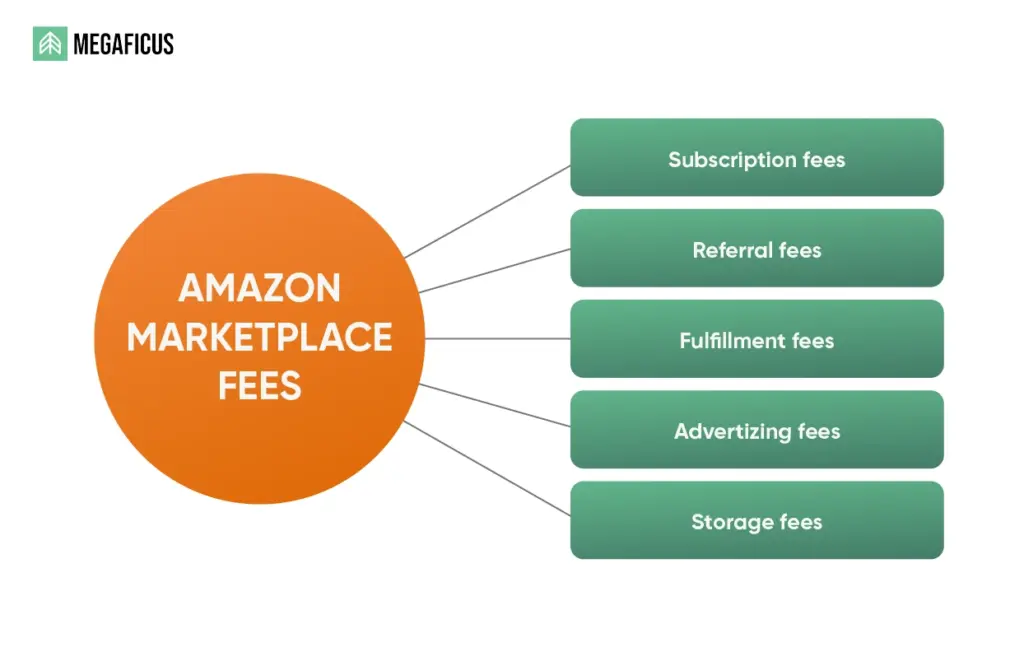
A profitable Amazon business requires meticulous financial forecasting. When you learn about what Amazon marketplace is, understanding the three primary categories of fees below is essential before setting product pricing.
The Percentage-Based Referral Commission
Referral fees are essentially Amazon’s sales commission, charged as a percentage of the total sale price (including shipping). The rate varies widely by category, but most products fall between the 8% to 15% range.
For example, electronics accessories are often 8%, while clothing items carry a higher 17% fee. This mandatory fee must be factored into the Cost of Goods Sold (COGS) for every single product listing to avoid surprise losses.
FBA Fulfillment Fees: Picking, Packing, and Shipping Costs
FBA Fulfillment Fees cover the variable operational costs Amazon incurs after a customer orders the product. These fees are based entirely on the product’s weight and dimensions, categorized into size tiers (e.g., Small Standard, Large Oversize).
The fee covers all labor for picking the item, packing it in a box, shipping it to the customer, and post-sale handling. This cost is critical: promoting an oversized item via FBA can severely reduce profitability due to excessive fulfillment costs.
Account Subscription and Inventory Storage Fees
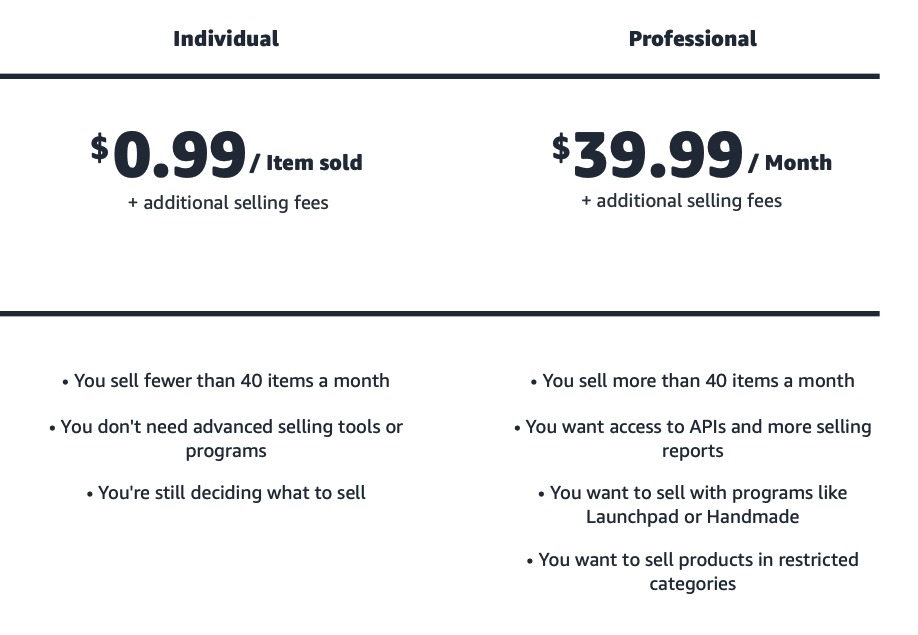
You must choose between the Individual plan (no monthly fee, but a $0.99 fee per item sold) and the Professional plan ($39.99 monthly fee). The Professional plan is mandatory for sellers planning to sell more than 40 units per month, as it unlocks crucial advertising tools and Buy Box eligibility.
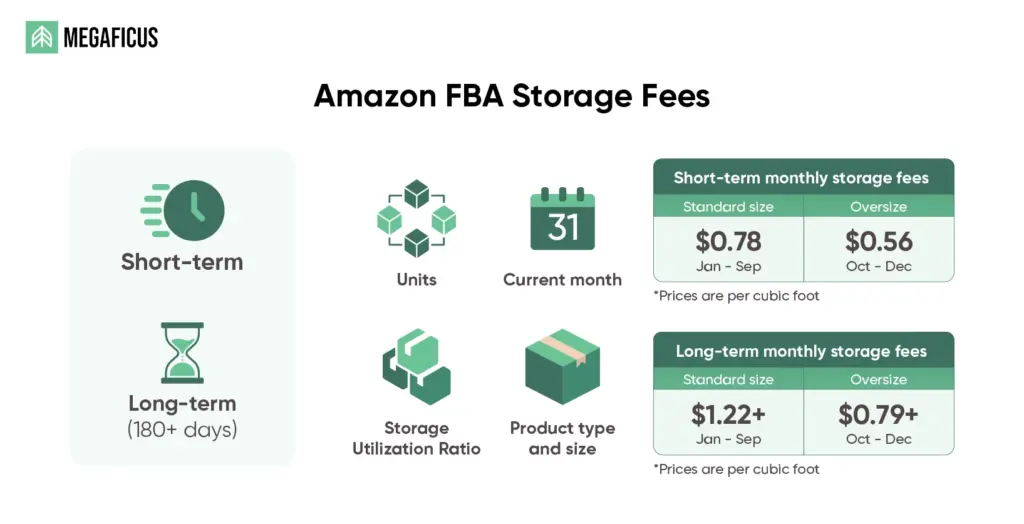
Additionally, FBA sellers pay monthly inventory storage fees, based on cubic foot usage in Amazon’s warehouse. These fees are higher during the peak holiday months (October to December), which incentivizes sellers to manage inventory flow efficiently.
How Do Sellers Choose Between FBA and FBM Options?
The FBA vs. FBM decision is one of the most strategic choices a seller makes when studying what Amazon marketplace is. It balances convenience against cost control.
Comparison: FBA Benefits vs. FBM Control
FBA offers unparalleled speed and scalability. Crucially, FBA products are automatically eligible for the Prime badge, which customers trust. FBM provides lower variable fees since you cut out Amazon’s fulfillment charges. It also gives the seller greater physical control over their inventory and packaging process.
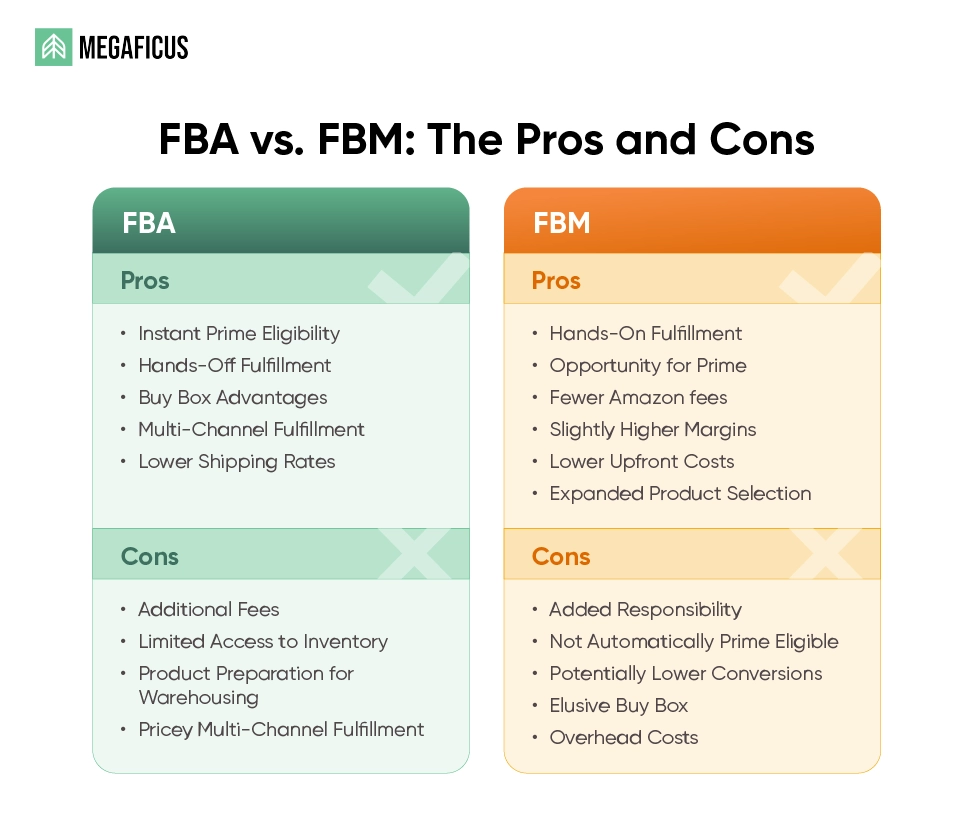
FBA is primarily about maximizing sales velocity and customer experience by automatically gaining the crucial Prime badge. FBM, however, is often chosen by large volume sellers or those with low-margin, bulky products who require tighter control over inventory costs and fulfillment quality.
Guidance on Choosing the Right Fulfillment Model
Small and light items with high margins are ideal for FBA, as their low fulfillment cost maximizes the value of the Prime badge. Conversely, extremely heavy, large, or low-margin items should often be handled via FBM. The high FBA fulfillment fees for these categories can easily wipe out all profit.
The Importance of Earning the Prime Badge
The Prime badge is essential for maximizing conversion and winning the Buy Box. Customers overwhelmingly prefer listings with Prime shipping. Sellers can earn the badge through FBA or the stringent Seller Fulfilled Prime (SFP) program, which requires FBM sellers to meet Prime-level shipping speeds at their own expense.

What Are the Key Steps to Start Selling on the Amazon Marketplace?
The path to selling on the Amazon platform after knowing what is Amazon marketplace is systematic. Following these three steps ensures the proper foundation is laid for long-term growth and compliance.
Step 1: Account Setup and Plan Selection
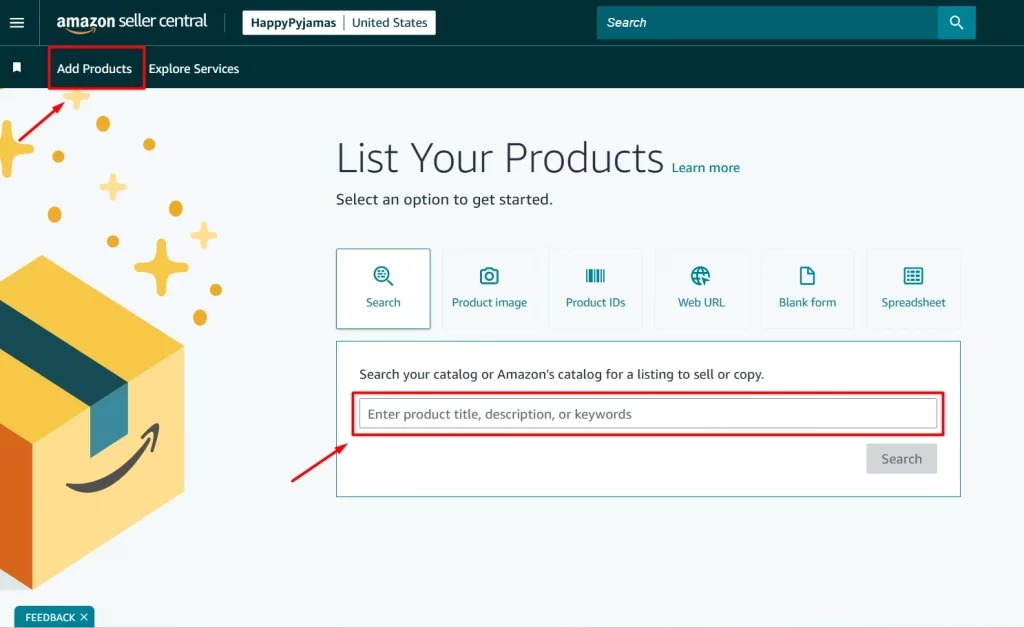
Begin by creating a seller account on Seller Central. The first major decision is choosing the right plan. As noted before, choose the Professional plan if you anticipate selling more than 40 units per month, as the fee unlocks critical features like advertising.
Step 2: Product Sourcing and Listing Creation
Product sourcing involves identifying items with strong demand and healthy profit margins (e.g., through wholesale or private label models). The next step is creating a compelling product page with high-quality images, detailed bullet points, and an optimized title to maximize organic search visibility.
Step 3: FBA Inventory Preparation and Shipping
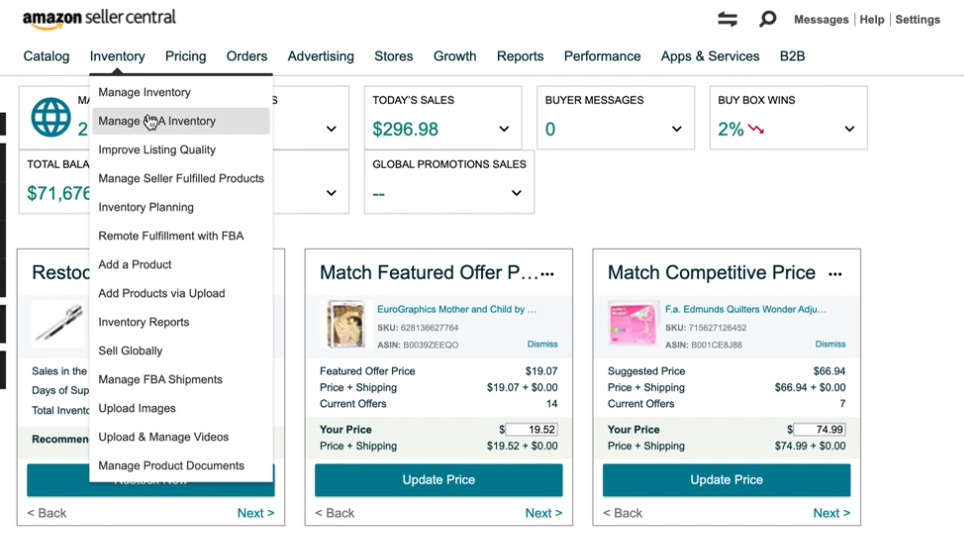
If using FBA, inventory must be prepared according to Amazon’s exact specifications, including FNSKU labeling and proper poly-bagging. The final step is creating a shipping plan in Seller Central and sending the labeled and boxed inventory to the assigned Amazon fulfillment center.
What Are the Best Strategies for Marketplace Success?
Simply listing a product is not enough for modern profitability on Amazon. When Megaficus explains what Amazon marketplace above is, we already express that success requires continuous, data-driven strategies focused on listing quality and sales acceleration.
Listing Optimization for Search Visibility (SEO)
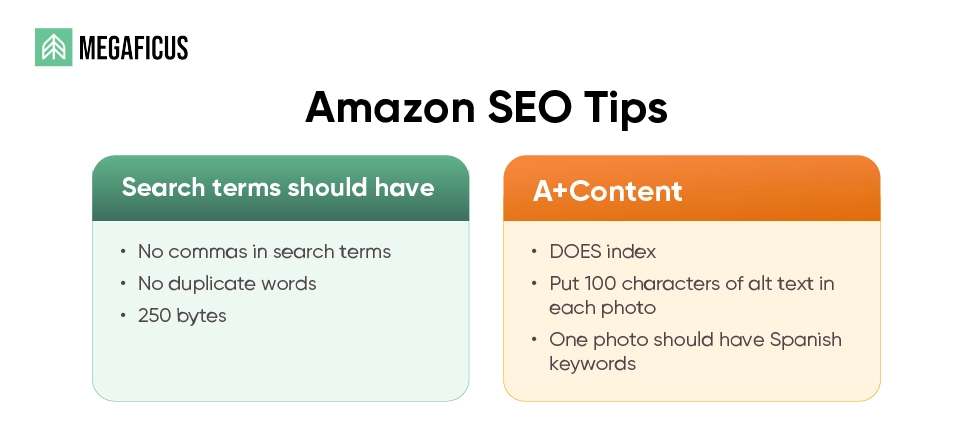
Effective Listing Optimization (SEO) is necessary for visibility. High-quality titles must incorporate primary keywords to improve organic rank. Bullet points should focus on customer benefits, not just features, addressing common shopper questions. Backend search terms should be utilized for keywords that do not fit naturally into the visible text.
Review Management for Trust and Conversion
A consistently high star rating is critical for consumer trust and search rank. Aim for an average of 4.5 stars or higher. Accumulating verified reviews through excellent product quality and ethical post-sale follow-up is necessary to build social proof and increase conversion rates.
Strategic Integration of Amazon Advertising
Advertising integration should be a core component of your strategy. Sponsored Products and Sponsored Brands are key tools for driving initial sales velocity. As noted in the Amazon advertising strategy principles, paid ads boost sales, which reinforces the Amazon Flywheel, ultimately leading to higher organic rankings.
Frequently Asked Questions (FAQ)
A Vendor sells products to Amazon wholesale (Amazon owns the inventory). A Seller sells products on the Amazon platform directly to the customer.
You should prioritize mastering fulfillment models (FBA/FBM), fee calculations, listing optimization (SEO), and data-driven advertising strategies.
Yes, it is highly profitable, but the margin has tightened. Success requires meticulous cost analysis, continuous optimization, and treating it as a specialized logistics and marketing business.
All FBA inventory must be labeled with the FNSKU barcode over the manufacturer barcode. Fragile items require bubble wrap, and liquids must be poly-bagged to prevent leakage.
The Buy Box is the ‘Add to Cart’ button, accounting for over 80% of sales. Winning it is essential for profitability and is determined by price, fulfillment method (FBA favored), and seller metrics.
Get Professional Help from Megaficus
The Amazon marketplace remains the world’s most massive and scalable commerce engine. Understanding what is Amazon marketplace means recognizing its dual nature as both a retail giant and a vital logistics partner.
Sustained profitability is not achieved simply by listing products, but by executing a systematic strategy. This focuses intensely on optimizing your listings, rigorously managing fees, and utilizing FBA to ensure logistical excellence.
Your success relies on continuously testing, monitoring, and optimizing every component of your business. Now is the time to finalize your product choices and align your strategy with Amazon’s core mechanisms.