
If your Amazon listing gets traffic but struggles to convert, the problem is rarely the product. More often, it comes down to not knowing exactly who you are selling to. This guide by Megaficus breaks down the Amazon target audience in full, from who they are to how to reach them effectively.
Who Is Amazon’s Target Audience?
Amazon serves over 310 million active users worldwide, each with different needs, budgets, and buying habits. Knowing who they are is the first step to reaching the right ones.
Demographics
Understanding Amazon’s core demographic details helps you identify exactly who you are selling to:
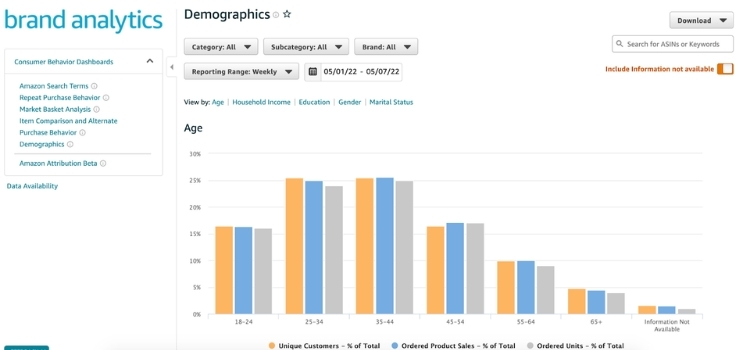
- Age: Amazon users are approximately 36-43 years old on average, with the 35-49 age group making up around 45% of the platform’s shoppers. Millennials (25-40) remain a core buying segment, and Baby Boomers are steadily growing as a new wave of online shoppers.
- Gender: The user base skews slightly female, with women accounting for 53% of shoppers and men making up the remaining 47%.
- Income: Amazon attracts shoppers across all income levels, from deal-seekers to premium buyers. Small and medium-sized businesses also represent a major force, driving roughly 60% of total retail sales on the platform.
- Education: A large share of Amazon users are highly educated and digitally fluent. Over 57% of them consider Amazon a non-negotiable part of their shopping routine since the pandemic.
Geographic Reach & Market Share
Amazon’s global footprint gives sellers access to one of the largest and most diverse customer bases in e-commerce:
- Global reach: Amazon operates in over 100 countries, tailoring its product offerings and services to match regional preferences and local demand.
- Market penetration: Amazon holds approximately 39.6% of the U.S. e-commerce market and is projected to climb to 40.9% by 2025. The platform has over 310 million active users worldwide, with 80% based in the United States and around 161.7 million Prime members in the U.S. alone.
- Regional strategies: Amazon adapts its pricing, product availability, and delivery options to fit regional needs, prioritizing fast fulfillment in dense urban areas while expanding accessibility for shoppers in rural regions.

Psychographics
Amazon’s shoppers are not a single type of buyer. They represent a wide range of lifestyles, values, and motivations that sellers need to understand before positioning any product:
- Lifestyle and values: Amazon’s shoppers span a wide social spectrum, from students and working professionals to families and retirees, all united by a shared preference for convenience, affordability, and product variety.
- Consumer types: Amazon’s audience includes distinct psychographic archetypes such as Resigned, Struggler, Aspirer, Succeeder, Explorer, and Reformer. Each group carries different motivations and buying behaviors, giving sellers a framework to craft more targeted marketing messages.
- Preferences: Across all segments, customers consistently prioritize competitive pricing, a broad product selection, and a frictionless shopping experience, with motivations ranging from finding the best value to discovering new products and categories.
Behavioral Traits
Understanding how Amazon customers actually behave on the platform helps sellers identify which signals to optimize for and which buyer habits to tap into:
- Shopping frequency: Around 48% of Prime members shop on Amazon at least once a week, while 37% of non-Prime shoppers make multiple purchases throughout the year.
- Customer loyalty: Prime members are significantly more engaged buyers. Personalized product recommendations alone account for approximately 35% of Amazon’s total sales, reflecting how deeply loyalty and discovery are intertwined on the platform.
- Customer motivations: The top reasons shoppers choose Amazon are product availability (66%) and free Prime shipping (56%). These two factors consistently outweigh price alone, making fulfillment speed and catalog depth critical levers for sellers.
What Amazon Customers Actually Want?
Behind every purchase on Amazon is a set of expectations that shoppers bring to the platform. Meeting them is what separates listings that convert from ones that get scrolled past.
Speed & Convenience
Over 90% of online shoppers prefer Amazon over other platforms, and 64% of Prime members cite free shipping as their primary reason for subscribing. Both numbers point to the same reality: fulfillment speed and checkout simplicity are the baseline that customers measure every purchase decision against.
If you search for a phone charger at 9 PM, you will almost always pick the FBA listing with same-day delivery over a cheaper one that ships in four days. Because on Amazon, faster fulfillment consistently converts better than a lower price tag.
Trust & Product Information
Around 51% of Amazon shoppers actively research products on the platform before purchasing, which means your listing’s reviews, ratings, and product details carry as much weight as the product itself.
If you are shopping for a wireless mouse and two listings are priced identically, you will almost certainly click the one with 4.7 stars and 2,300 reviews over the one with 3.9 stars and 40 reviews. Authentic social proof and accurate product information are what separate a converting listing from one that gets scrolled past.
Personalization
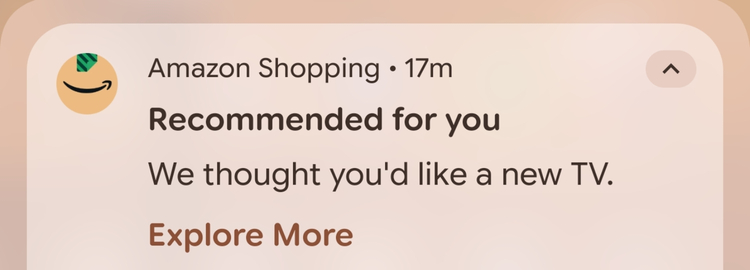
Amazon’s recommendation engine pulls from each user’s browsing history and past purchases to surface products that match their specific interests and buying patterns, which means the platform essentially builds a different storefront for every shopper.
If someone recently bought a yoga mat, Amazon will automatically surface listings for resistance bands, water bottles, and foam rollers in their “Recommended for you” section. As a seller in the fitness accessories space, your optimized listing can appear in front of that buyer without them ever searching for your product directly.
Product Variety
With a catalog exceeding 350 million products, Amazon has built its reputation on solving one of the most common frustrations in retail: not finding exactly what you need in one place. Shoppers return to the platform precisely because they trust that whatever they are looking for exists there.
If you sell stainless steel water bottles, a quick search on Amazon returns over 10,000 results. Shoppers will rarely scroll past the first page, so your listing needs strong keywords, competitive pricing, and enough reviews to appear where purchasing decisions actually happen.
Amazon Prime And The High-Value Customer Segment
Launched in 2005, Amazon Prime has grown into one of the most successful loyalty programs in retail history, with over 200 million subscribers worldwide. The program bundles free two-day shipping, streaming, and exclusive deals into a single annual membership.
For customers, Prime removes the friction that slows down a purchase decision. Members shop with confidence knowing their package arrives in two days at no extra charge, which is why 64% of them cite free shipping as their top reason for subscribing.
Amazon’s strategy behind Prime goes beyond convenience. By continuously expanding the membership bundle, Amazon encourages members to consolidate more of their spending on the platform rather than splitting purchases across competitors.
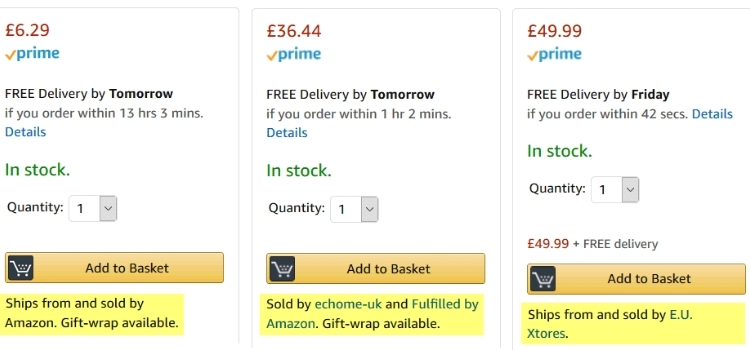
For sellers, Prime members shop more frequently and spend significantly more than non-Prime users, making them the highest-value segment on the platform. Sellers enrolled in FBA automatically qualify for Prime badges, which directly increases listing visibility and conversion rate among this audience.
How Amazon Attracts And Retains Customers?
Amazon’s dominance is built on a set of tools and programs designed to keep shoppers coming back, and understanding them helps sellers align their strategy accordingly.
AI & Personalization
Amazon deploys AI and machine learning across every layer of its platform, from personalized product recommendations to inventory optimization in fulfillment centers. The algorithm continuously learns from each user’s browsing and purchase history to surface the most relevant listings at the right moment.
For sellers, Amazon Personalize helps tailor product marketing to specific buyer segments, while Amazon Forecast uses historical sales data to predict future demand.
If you sell portable fans, Forecast can signal that demand in your category spikes every April, giving you enough lead time to replenish stock before the season hits rather than losing ranking during a stockout at peak sales period.
Voice Commerce
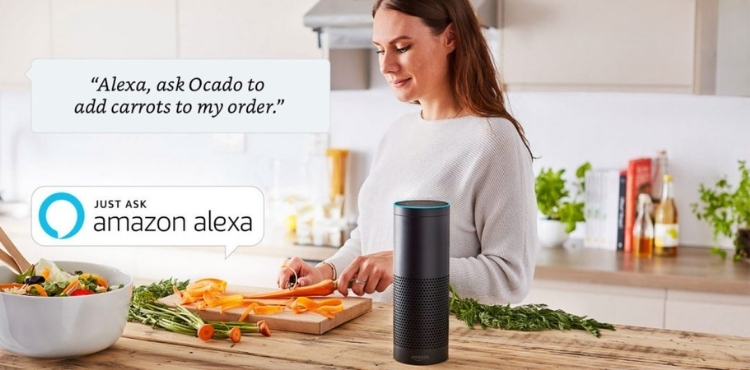
When a customer says, “Alexa, reorder my protein powder,” the assistant pulls from past purchase history and surfaces the most relevant result, meaning the listing that wins voice search is not always the cheapest one, but the one with the strongest sales velocity and review count.
For sellers, this shift means listing optimization can no longer focus solely on visual search, as products with clear, concise titles and strong performance metrics are significantly more likely to surface in voice results.
Subscribe & Save And Customer Lifetime Value
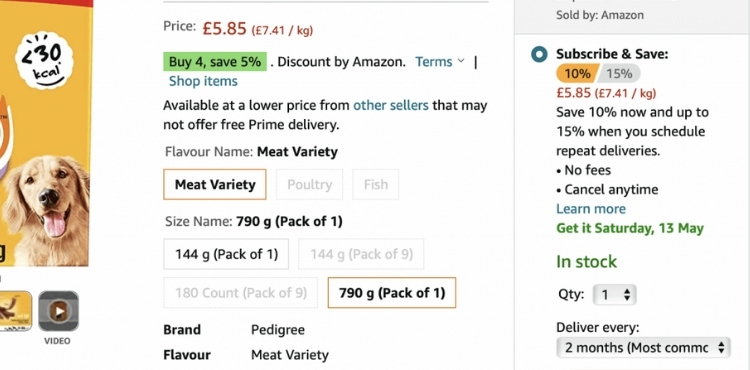
Amazon’s Subscribe & Save program encourages customers to set up recurring deliveries on everyday items like coffee, supplements, or cleaning supplies in exchange for a discount of up to 15%.
Once a shopper locks in a subscription, they rarely go back to searching for alternatives, which is precisely how Amazon converts one-time buyers into predictable, long-term revenue.
For sellers, this translates directly into customer lifetime value. If you sell a daily vitamin supplement priced at $25 and a customer subscribes for monthly delivery, that single conversion generates $300 in annual revenue without any additional advertising spend.
How To Identify Your Target Audience On Amazon?
Finding your target audience on Amazon requires more than intuition. These are the key methods sellers use to identify and reach the right buyers.
Market Research
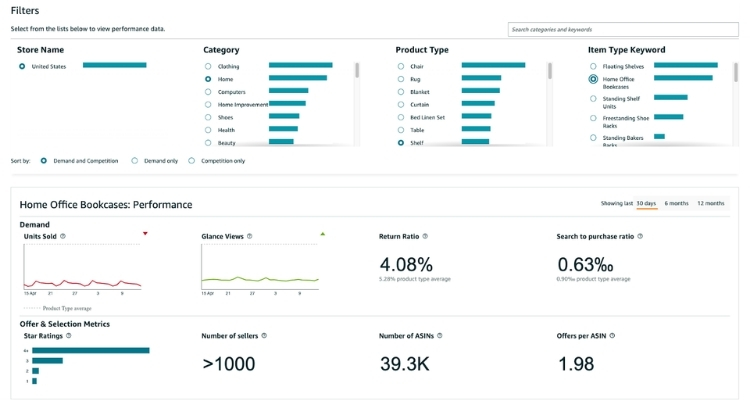
Identifying your target audience on Amazon starts with understanding your product’s niche, studying competitor listings, and reading customer reviews to uncover what buyers actually care about.
For example, if you sell whey protein powder, scanning reviews of top competitors often reveals that customers prioritize mixability and aftertaste over price, which directly shapes how you should position your product.
Three research methods give you the clearest picture of who your buyers are and what they actually want:
- Analyze customer reviews: Reviews of competing products reveal what your target audience values and what they are frustrated by, giving you a clear direction for product positioning and listing copy.
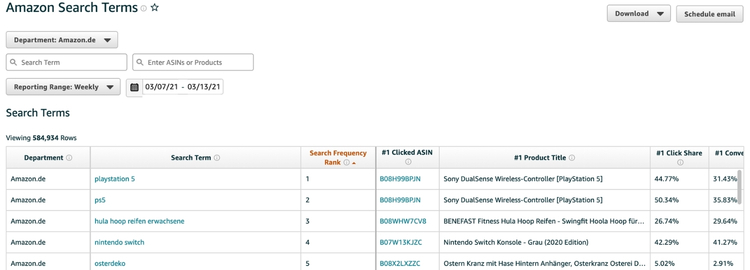
- Use Amazon’s sales reports and search terms: Identifying trending keywords and high-traffic search terms shows you what your audience is actively looking for and where competition is heaviest, allowing you to adjust your keyword strategy accordingly.
- Conduct surveys or focus groups: Direct feedback from potential buyers uncovers preferences and expectations that sales data alone cannot capture, especially useful when launching a new product into an unfamiliar niche.
Amazon Analytics Tools
Amazon’s Seller Central and Advertising Console give sellers direct access to sales reports, order data, customer feedback, and ad performance metrics. By analyzing this data, you can spot patterns like a spike in orders from millennial buyers for a skincare product or growing demand from male customers for a fitness accessory, then adjust your targeting and messaging to match:
- A/B testing: Test one variable at a time, whether it is an image or a headline, to accurately measure what drives better performance across your ads and campaigns.
- Sponsored Brands and Sponsored Products: Feature new or top-selling products in high-visibility placements at the top of search results to capture buyer attention before competitors do.
- Product display ads: Reach shoppers who are browsing related or complementary products to increase cross-sell opportunities beyond your core keyword targeting.
- Search term reports: Regularly review which terms customers use to find your products and feed high-performing ones back into your campaign targeting to expand reach.
- Negative keywords: Exclude irrelevant search terms to prevent wasted ad spend and improve click-through rates across all campaign types.
- Amazon DSP: Leverage demand-side platform options like retargeting and lookalike audiences to re-engage past visitors and reach new buyers who share behaviors with your existing customers.
Listing Optimization
The language that converts a 30-something woman shopping for skincare will not work on a 45-year-old man browsing power tools, so your copy, visuals, and keywords all need to speak directly to the segment you are targeting:
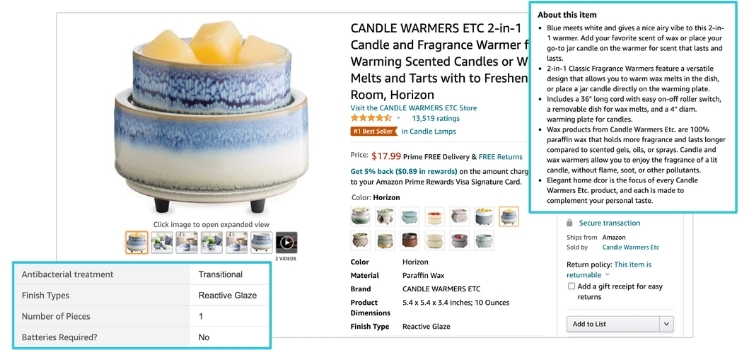
- Title: Keep it under 200 characters, lead with your primary keyword, and avoid promotional language like “best” or “sale” as Amazon filters these out.
- Bullet points: Use all 5 slots, open each with a capitalized benefit, and keep every bullet under 200 characters.
- Product description: Use the 2,000-character limit to tell a benefit-led story about how the product fits your buyer’s life.
- A+ Content: If brand-registered, replace the standard description with comparison charts and lifestyle images to reduce purchase hesitation.
- Images: Upload a minimum of 6 images with your main image on a pure white background (RGB 255, 255, 255) covering at least 85% of the frame
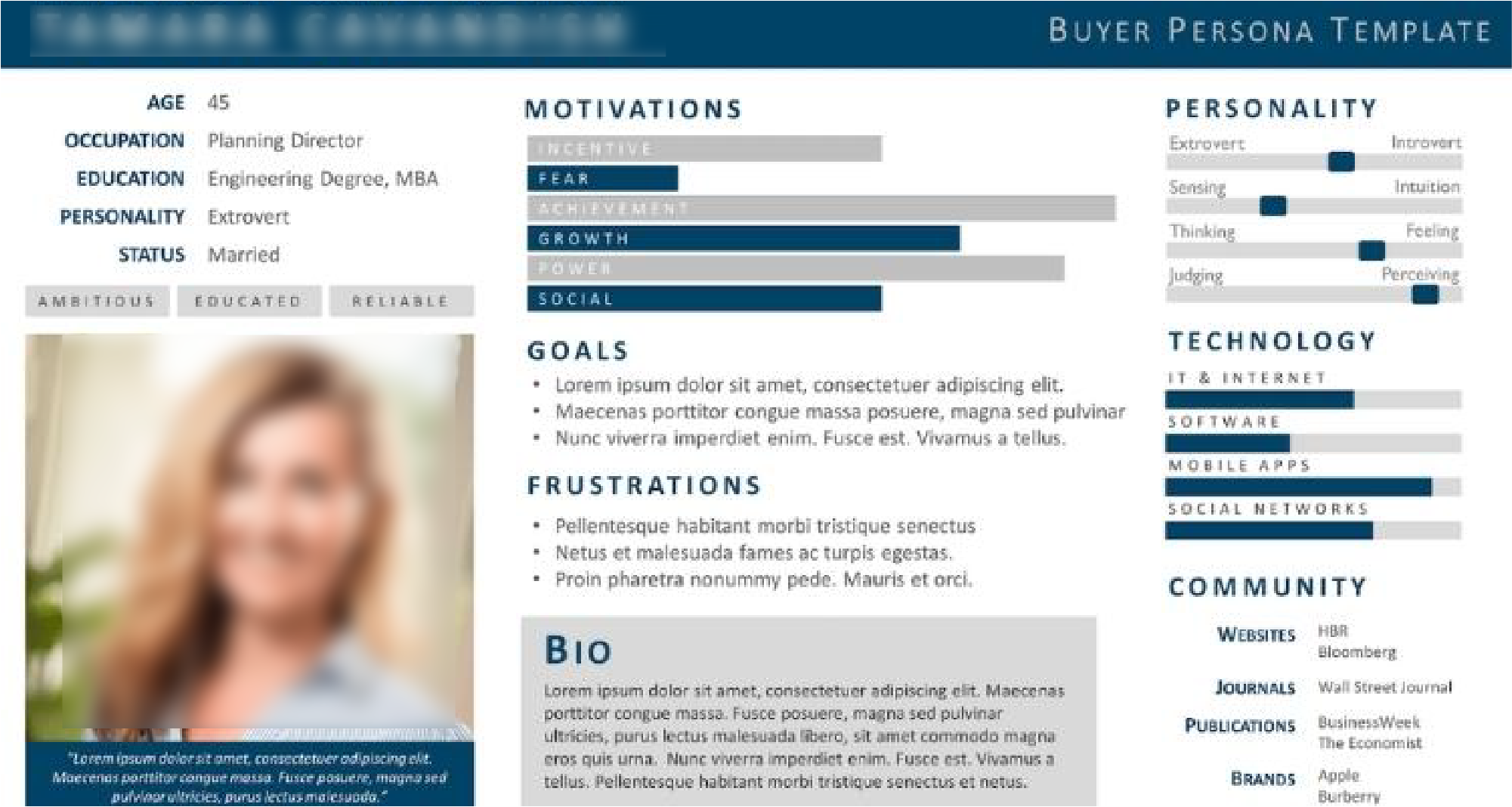
Buyer Personas
A well-crafted buyer persona goes beyond basic demographics to capture the motivations, pain points, and decision-making processes that drive purchase behavior. Building multiple personas lets you tailor every touchpoint so each message reaches the right buyer with the right angle.
For example, knowing that “Sustainable Sarah” prioritizes ethical sourcing lets you highlight those qualities in your listings, while understanding that “Tech-savvy Tyler” seeks cutting-edge specs guides you to lead with performance instead.
The value of a persona depends entirely on the quality of data behind it, so avoid these common pitfalls:
- Basing personas on assumptions without data: Guesswork produces personas that feel accurate but lead your marketing in the wrong direction.
- Creating too many personas: A fragmented audience map dilutes your focus and makes it harder to prioritize which segment to optimize for first.
- Using outdated information: Customer behaviors shift over time, so personas built on research from two years ago may no longer reflect who is actually buying your product today.
- Neglecting to update personas regularly: Treat buyer personas as living documents that evolve alongside changes in your market, your product, and your customers.
Social Media
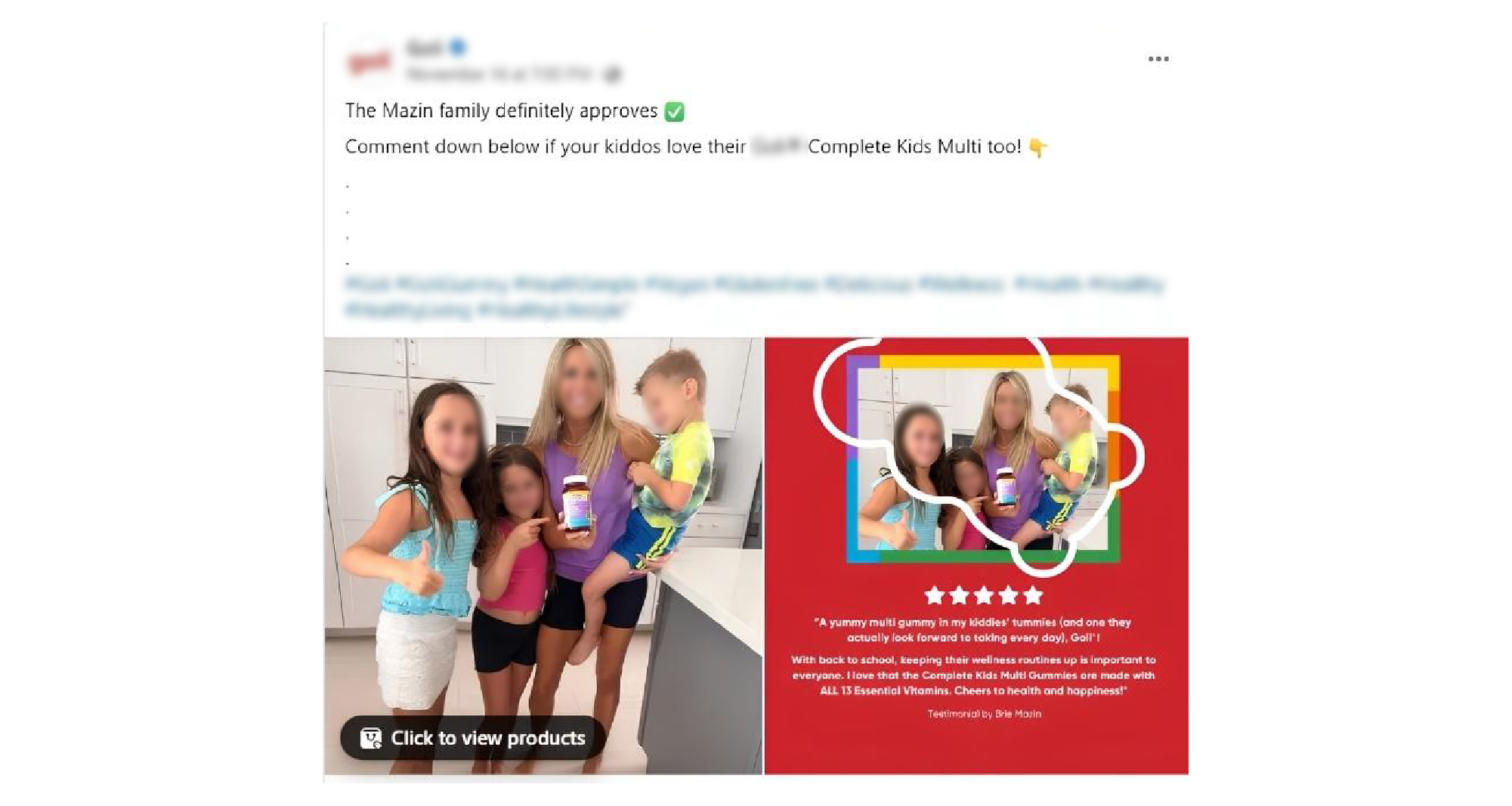
Social media gives you a direct channel to reach potential buyers before they ever open Amazon, making it one of the most cost-effective ways to build brand awareness and drive external traffic to your listings.
- Organic content: Show your product in a real context rather than replicating a listing photo. A skincare brand posting a 60-second morning routine reel on Instagram, for example, can convert viewers who would never have searched for the product organically.
- Paid social ads: Target buyers by interest, behavior, and demographic with enough precision to reach those who match your persona but have not discovered your product yet.
- Influencer partnerships: Mid-tier creators with 100k-500k followers typically drive stronger conversion rates than celebrity accounts due to higher audience engagement and niche specificity.
- Brand collaborations: Two complementary brands co-posting give both parties access to each other’s customer base without additional ad spend.
FAQs About Amazon Target Audience
Yes. A sales plateau often signals a mismatch between who you are targeting and who is actually buying. Revisiting your audience data, reviewing search term reports, and analyzing customer reviews can reveal underserved segments or messaging gaps that, once addressed, open up new demand.
No. Consumer behavior shifts alongside market trends, seasonal demand, and competitor activity, so your audience definition needs regular revisiting. Treat it as an ongoing process rather than a one-time setup.
PPC search term reports show which queries triggered your ads and which converted, revealing how real buyers search for your product. SEO keyword data adds context on search volume and competition, so you can refine targeting based on actual performance rather than assumptions.
Get Professional Help from Megaficus
Amazon target audience research is the foundation of every selling decision you make, from how you write your listing copy to which ad placements you prioritize. When you know who your buyers are, what motivates them, and how they shop, you stop guessing and start converting.
If you need expert guidance to optimize your listings or scale your Amazon strategy, the team at Megaficus is ready to help.