
Have you noticed your ad budget vanishing with very little profit to show for it? Navigating an automatic vs manual campaign Amazon structure is the most critical step you must take to stop wasting ad spend. By mastering both options, you can scale your sales and consistently protect your real profit margins.
Quick Summary:
- The 4 Core Targets: Automatic campaigns distribute ad traffic across 4 distinct targeting groups based entirely on your product listing information.
- The 3 Precision Controls: Manual campaigns let you handpick keywords utilizing 3 distinct match types to eliminate algorithmic guesswork.
- The 7 to 14 Day Timeline: Letting an automatic campaign run for at least 7 to 14 days provides a statistically meaningful sample size of clicks.
- The 3-Sale Migration Trigger: Reviewing search reports to identify terms with at least 3 sales over two weeks helps isolate your absolute winning keywords.
What is an Amazon Automatic Campaign?
An automatic campaign serves as the baseline data generator for your advertising ecosystem on the marketplace. In this framework, Amazon’s algorithm decides when and where to display your ads based entirely on your product listing information. The system handles the heavy lifting, matching your product to relevant shoppers without requiring upfront keyword research.
To optimize your automated performance, you must understand the four distinct targeting groups Amazon uses to distribute your ad traffic. Each type allows you to adjust your bids independently based on real conversion rates.
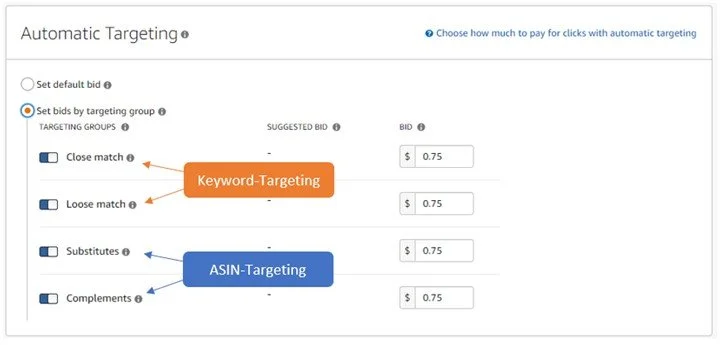
- Close Match: Ads show when search terms are closely related to your product, such as displaying your pillow for the query “ergonomic pillow.”
- Loose Match: Ads show when search terms are loosely related, like displaying your foam pillow to someone searching generally for “bedroom accessories.”
- Substitutes: Ads show on the detail pages of products similar to yours, placing your ad directly on a direct competitor’s pillow listing.
- Complements: Ads show on the detail pages of products that complement yours, like displaying your pillow on a premium mattress cover page.
What is an Amazon Manual Campaign?
A manual campaign represents the ultimate control center for an experienced e-commerce advertiser on the platform. In this setup, the seller manually selects the exact keywords or products they want to bid on. This eliminates algorithmic guesswork, allowing you to direct your ad budget toward phrases that generate actual sales.
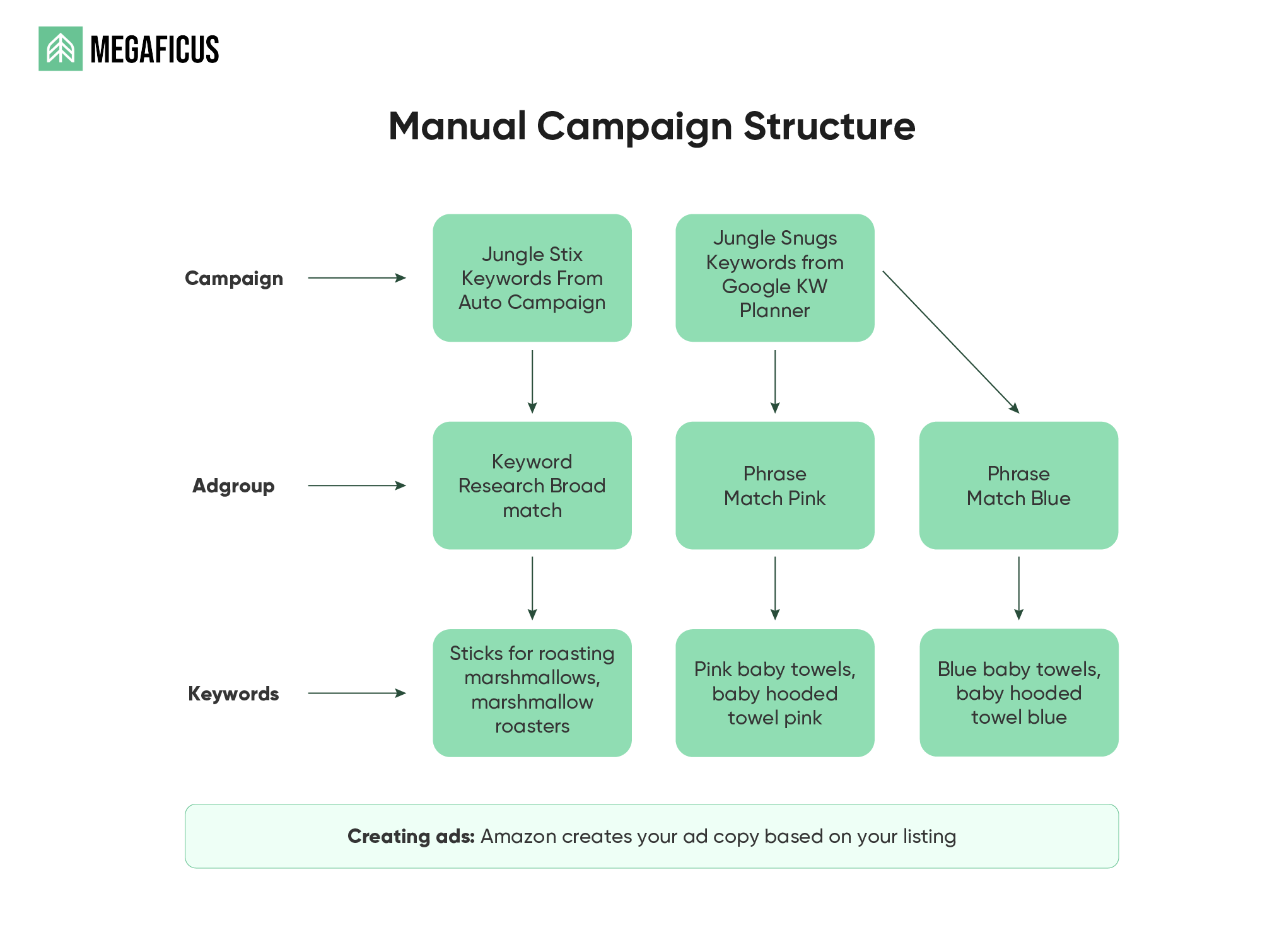
When adding manual targets, you must select specific match types to dictate how closely a buyer’s query must match your chosen keywords.
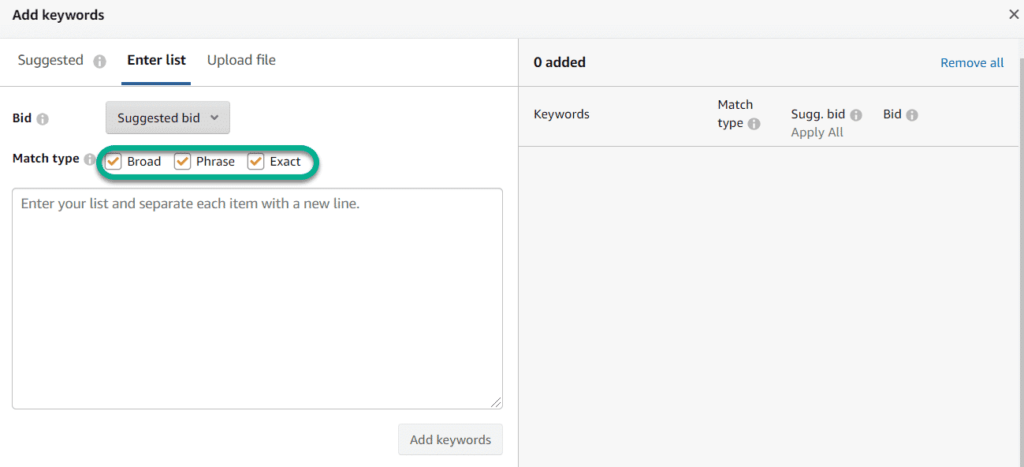
- Broad Match: Ads show if the search query contains your keyword in any order, including synonyms and varied spelling mistakes.
- Phrase Match: Ads show when the exact phrase is used, though shoppers can include words before or after your phrase.
- Exact Match: Ads show only when the exact keyword is searched, allowing only minor variations like plurals or basic prepositions.
Head-to-Head Comparison: Automatic vs. Manual
Before building your next advertising campaign, you must analyze how these two strategies stack up across key performance metrics. Comparing their core features helps you allocate your capital efficiently based on your current inventory goals.
While automatic options excel at discovery, manual settings deliver superior financial precision and scaling. To truly understand why one scales profit while the other scales data, we have to look under the hood at the four core pillars of Amazon advertising performance: Control, Financial Efficiency, Lifecycle Strategy, and Labor Investment.
1. Granular Control & Targeting Architecture
The fundamental dividing line between automatic and manual setups is who makes the targeting decisions: Amazon’s machine-learning algorithm or you.
- Automatic Campaigns (Algorithmic Control): Amazon decides your ad placements based on your listing data. It automatically tests your ads across Close Match, Loose Match, Substitutes, and Complements. You can’t select exact keywords or specific competitor pages. If Amazon misinterprets your listing, the budget is wasted on irrelevant terms.
- Manual Campaigns (Precision Control): You retain total authority over your ad spend. You handpick the exact search phrases or competitor product pages where your ad appears. Furthermore, you select the match types (Broad, Phrase, or Exact) to entirely eliminate algorithmic guesswork.
2. Financial Precision & Bid Optimization
How your money is spent per click determines your ultimate profitability. The two campaign types handle your capital in completely different ways.
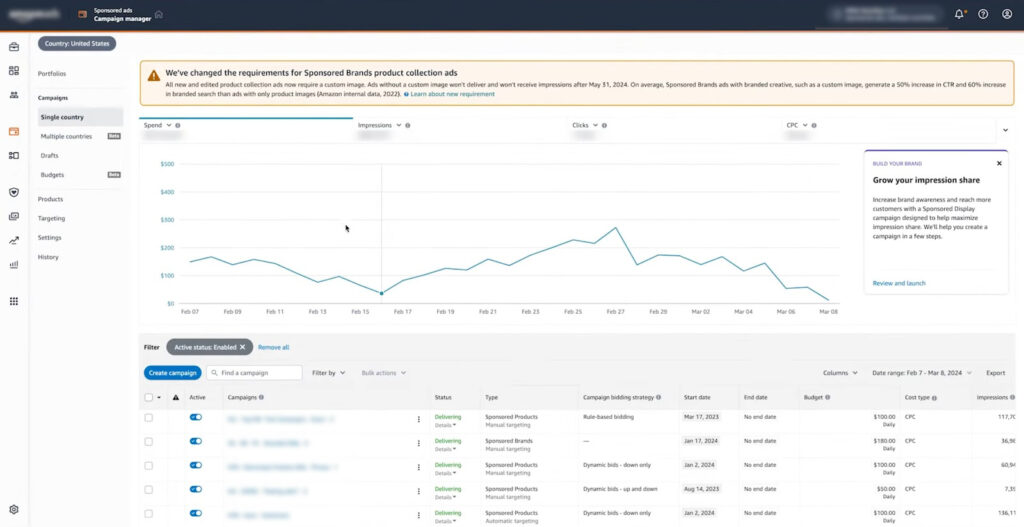
- The Automatic Flat-Rate Structure: Auto campaigns apply a single baseline bid to an entire targeting group. If you set a $1.00 bid, every keyword Amazon pulls under that umbrella costs up to that amount. You cannot lower the bid for a poor keyword without hurting winning keywords in that same group.
- The Manual Precision Structure: Manual campaigns let you assign a unique, custom bid to every individual keyword or ASIN. If a phrase converts well, you can raise its bid aggressively to dominate top placements. If it underperforms, you can drop its bid to $0.30 without affecting other targets.
3. Campaign Lifecycle & Core Utility
Neither campaign type is objectively “better” than the other; rather, they serve completely opposite functions in a product’s lifecycle.
- The Auto Research Department: Automatic campaigns are built exclusively for data gathering and exploration. They are highly effective during a new product launch when customer search habits are unknown. This structure acts as a passive tool to uncover hidden, high-converting keyword trends.
- The Manual Sales Closer: Manual campaigns are designed specifically for scaling and profit isolation. Once a keyword generates consistent sales, keeping it in an auto campaign wastes money. Moving it to a manual campaign allows you to maximize your overall Return on Ad Spend.
4. Time Investment vs. Optimization Maintenance
The final trade-off comes down to how much manual labor you can afford to invest into your storefront architecture.
- Auto (Set and Forget): Setup takes less than two minutes. Because Amazon handles the daily targeting mechanics, it requires very little passive maintenance. You only need basic weekly check-ins to monitor performance.
- Manual (Active Management): Setup is highly demanding and requires deep keyword research. Because marketplace bids constantly shift, manual campaigns require continuous optimization and human management.
Direct Feature Comparison Breakdown
For a quick reference of the technical specifications, here is how the two structures compare head-to-head across every critical marketplace variable:
| Operational Feature | Automatic Campaigns | Manual Campaigns |
| Setup Time | Minutes (Set & Forget) | Demanding (Requires deep research) |
| Keyword Control | None (Amazon’s algorithm decides) | Total (Seller explicitly chooses) |
| Bidding Precision | Ad group or target group level only | Individual Keyword or ASIN level |
| Built-in Target Discovery | Yes (Continuous algorithmic scanning) | No (Lacks native discovery mechanisms) |
| Targeting Mechanisms | 4 Groups (Close, Loose, Substitute, Complement) | 3 Match Types (Broad, Phrase, Exact) & ASINs |
| Best Used For | Keyword research & New product launches | Scaling, Peak Conversions & High ROI |
| Risk of Wasted Spend | Moderate to High (If left unmonitored) | Low (When actively optimized) |
As the table shows, automatic options excel at discovery, while manual settings deliver superior financial precision and scaling. For instance, a brand launching a new kitchen blender would use the auto side to test the market waters. Once the winning keywords emerge, they transition those terms to a manual layout to optimize profitability.
The Hybrid PPC Blueprint Showing How to Combine Automatic and Manual Campaigns for Maximum ROI
Pro Tip: Megaficus suggests you treat them as “teammates.” If you want to be successful, you must create a continuous data loop between both options to scale your businesses predictably.
Step 1: The Discovery Phase (Auto)
Run an Automatic campaign to let Amazon find high-performing, converting keywords you might have missed during initial product listing optimization. For example, if you sell custom coffee mugs, your auto campaign might discover that shoppers love the phrase “funny office gifts.” This initial phase provides the raw keyword gold you need to build your manual structure.
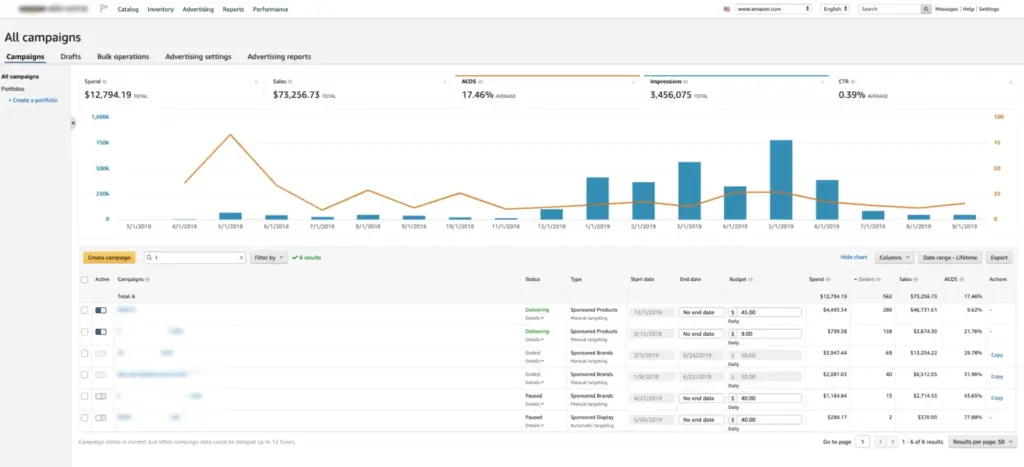
Step 2: The Harvesting Phase
Regularly review your Search Term Report to identify “winner” keywords that display high conversions and low ACoS. Look for search terms that have generated at least three sales over the past two weeks. This structured review ensures you only invest your hard-earned capital into search terms with proven conversion histories.
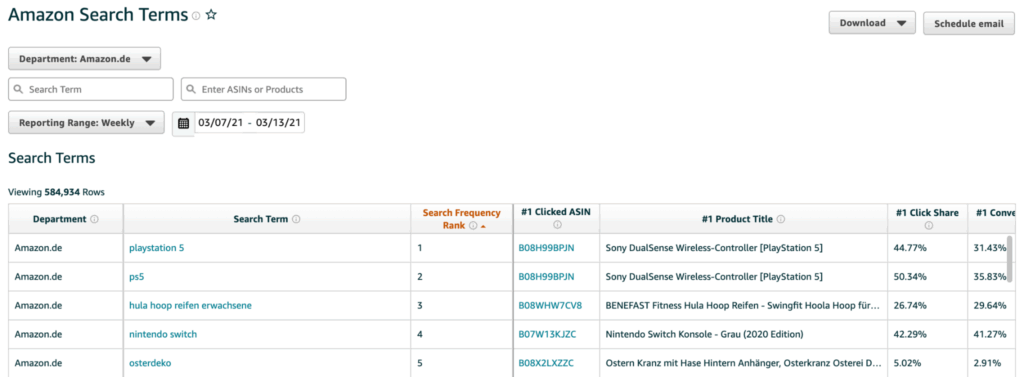
Step 3: The Optimization Phase (Manual)
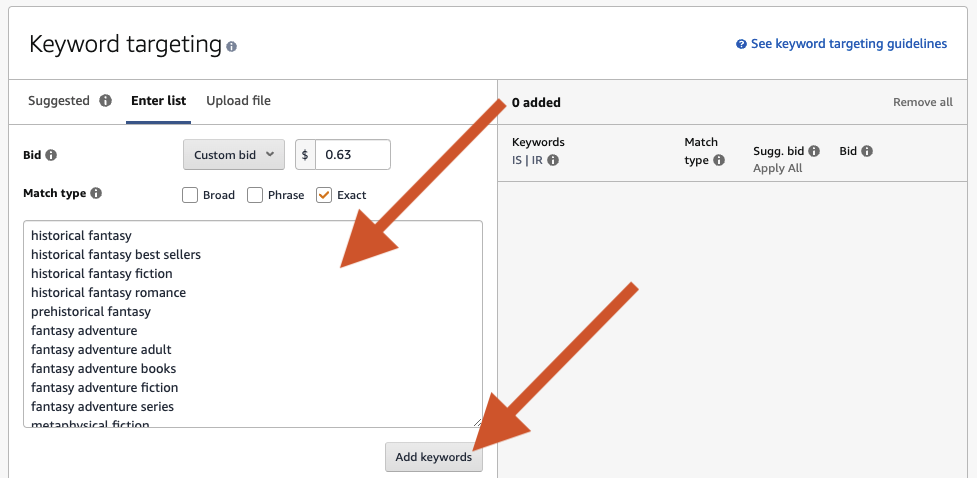
Move those winning keywords into a Manual campaign (Broad/Phrase, then Exact) and raise the bids to dominate visibility. By placing “funny office gifts” into an exact match manual group, you gain total control over its bidding price. This allows you to push your product to the top of search pages during peak shopping hours.
Step 4: The Exclusion Phase (Negative Keywords)
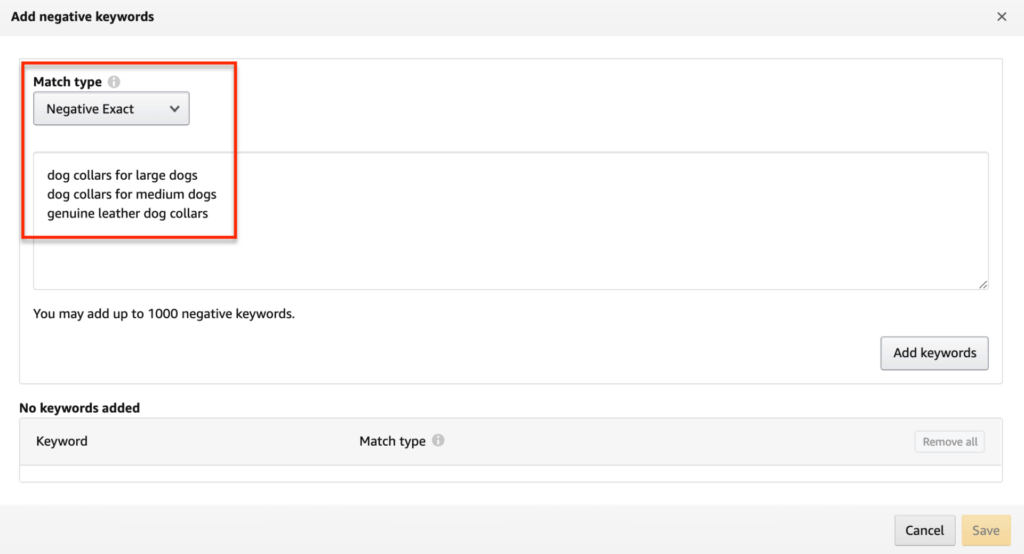
Add those same winning keywords (and non-converting, wasteful keywords) as Negative Keywords in your Auto campaign to prevent bidding against yourself and stop wasted spend. This step ensures your auto campaign stops spending money on phrases your manual campaign is already targeting.
Frequently Asked Questions (FAQs)
Yes, you can absolutely run both campaign types simultaneously for the exact same product on the marketplace. This dual approach allows the automatic side to continuously search for new trends while the manual side scales your proven terms.
You should generally place higher bids on your manual campaigns, especially on your exact match keywords. Since these terms have a proven history of converting shoppers into buyers, they justify a higher financial investment per click.
You should run an automatic campaign for at least seven to fourteen days before harvesting data. This timeline gives the algorithm enough time to optimize placements and collect a statistically meaningful sample size of shopper clicks.
A well-optimized manual campaign typically lowers your ACoS because it eliminates untargeted, non-converting search terms. By adjusting bids at the individual keyword level, you stop wasting budget on phrases that do not generate revenue.
Negative keywords are specific phrases you block from triggering your ads, and they are primarily used in automatic campaigns. Adding them prevents your automated ads from appearing on irrelevant searches, saving you substantial amounts of money.
Conclusion
Automatic campaigns are research departments while manual campaigns are sales closers. Balancing both options effectively allows you to dominate the marketplace, which is why Megaficus encourages you to pull your search term reports today, configure a clean negative keyword bridge, or schedule a comprehensive PPC audit with us to build a scalable storefront.