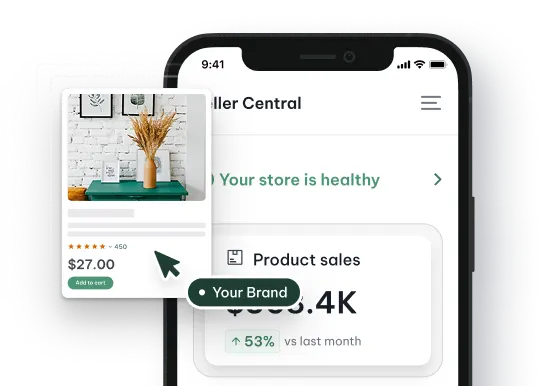

Selling on Amazon without managing your brand is like opening a store with no sign, no story, and no identity. Amazon brand management is the strategic edge that separates forgettable listings from category-dominating brands, and the difference shows directly in your revenue.
Quick Summary
- Amazon Brand Management: Builds and protects a consistent visual identity across touchpoints, driving a 37% increase in conversions for optimized catalogs.
- Core Tools: Joining Brand Registry provides essential IP protection, while rich A+ Content modules can lift sales by 5% to 10% on average.
- Data Analytics: The Brand Analytics dashboard delivers crucial customer behavior insights to inform high-ROI product bundling and strategic marketing decisions.
- Cost Framework: Registry access is free but requires a $250–$350 trademark application alongside $75–$200 photos, $500–$1,500 A+ designs, and $300–$500 monthly ad budgets.
- Strategic Roadmap: Growth relies on a 4-step sequence covering legal protection, listing optimization with 2,000-pixel images, storefront design, and multimedia integration.
What is Amazon Brand Management?
Amazon brand management is the process of building, protecting, and optimizing a brand’s presence on the platform. It covers every touchpoint a customer encounters, from the search thumbnail to the product detail page, and every one of those moments communicates something about who you are as a seller.
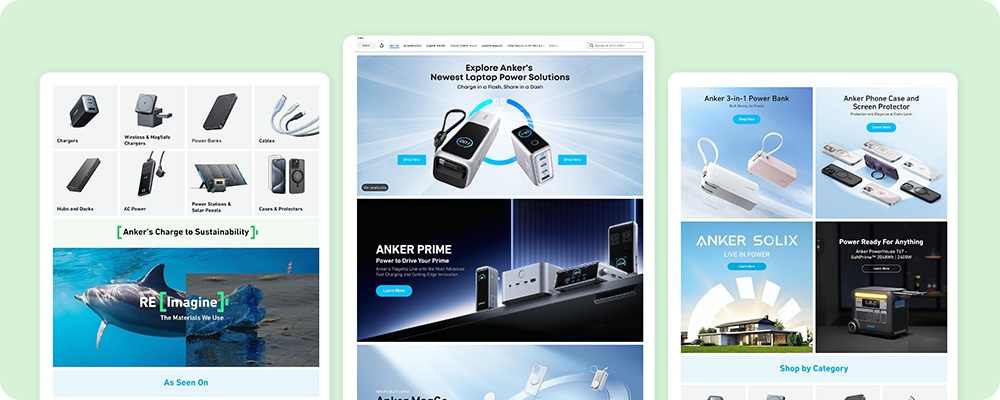
At its core, Amazon’s brand management means maintaining a consistent visual identity and messaging across all product touchpoints. Take Anker as an example. They use the same blue palette and benefit-driven language on every single listing, making their products instantly recognizable even in a crowded search results page.
Effective Amazon brand management also directly influences organic ranking and customer trust at the same time. Amazon’s A9 algorithm rewards listings with stronger click-through and conversion rates, both of which rise when a brand looks professional and credible, turning greater visibility into measurable revenue growth.

For example, Safariland, a safety gear brand that worked with Brandwoven to restructure its Amazon listings with consistent titles, images, and cleaner variation architecture. Within 40 days of implementing the changes, the brand saw a 37 percent increase in conversions, a direct result of deliberate Amazon brand management applied across a complex, 9,000-SKU catalog.
How Does Amazon Brand Management Work?
Knowing what Amazon brand management is gets you started, but understanding how the mechanics behind it operate is what drives real results. Each tool in Amazon’s brand ecosystem connects directly to the next, and together they create a system that strengthens over time.
Amazon Brand Registry as the Foundation
Amazon Brand Registry gives brand owners a level of control that standard sellers simply cannot access. Once enrolled, you can report and remove inaccurate content, counterfeits, and unauthorized sellers through Amazon’s automated protections, keeping your listing accurate and your brand experience fully intact for every customer.
The brand e.l.f. Beauty, for example, uses Brand Registry to ensure no third-party seller can alter their product images or descriptions without authorization. That protection preserves the consistent brand experience customers expect, preventing unauthorized changes that would otherwise erode trust and conversion rates at the same time.
A+ Content and Brand Stores as Conversion Drivers
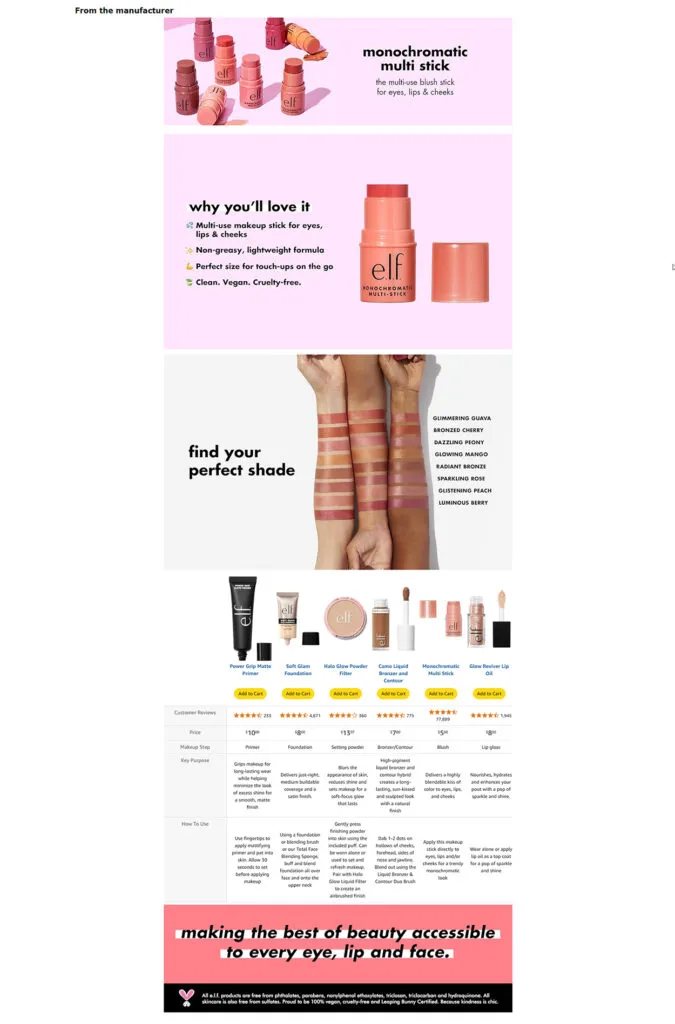
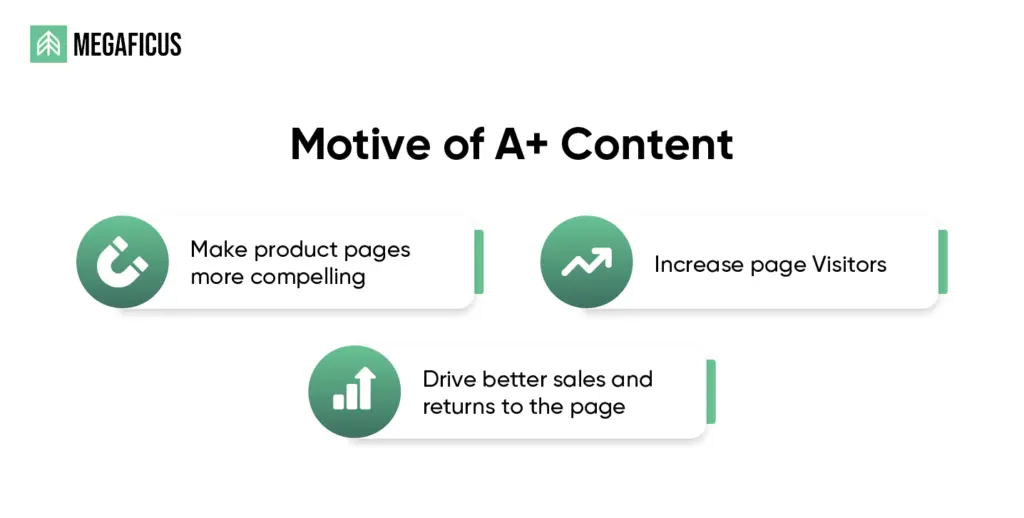
Brand Registry unlocks creative tools that directly push conversion rates higher once you are enrolled. A+ Content replaces standard bullet points with rich multimedia modules, including lifestyle imagery, comparison charts, and detailed feature breakdowns that give shoppers far more confidence before they add a product to their cart.
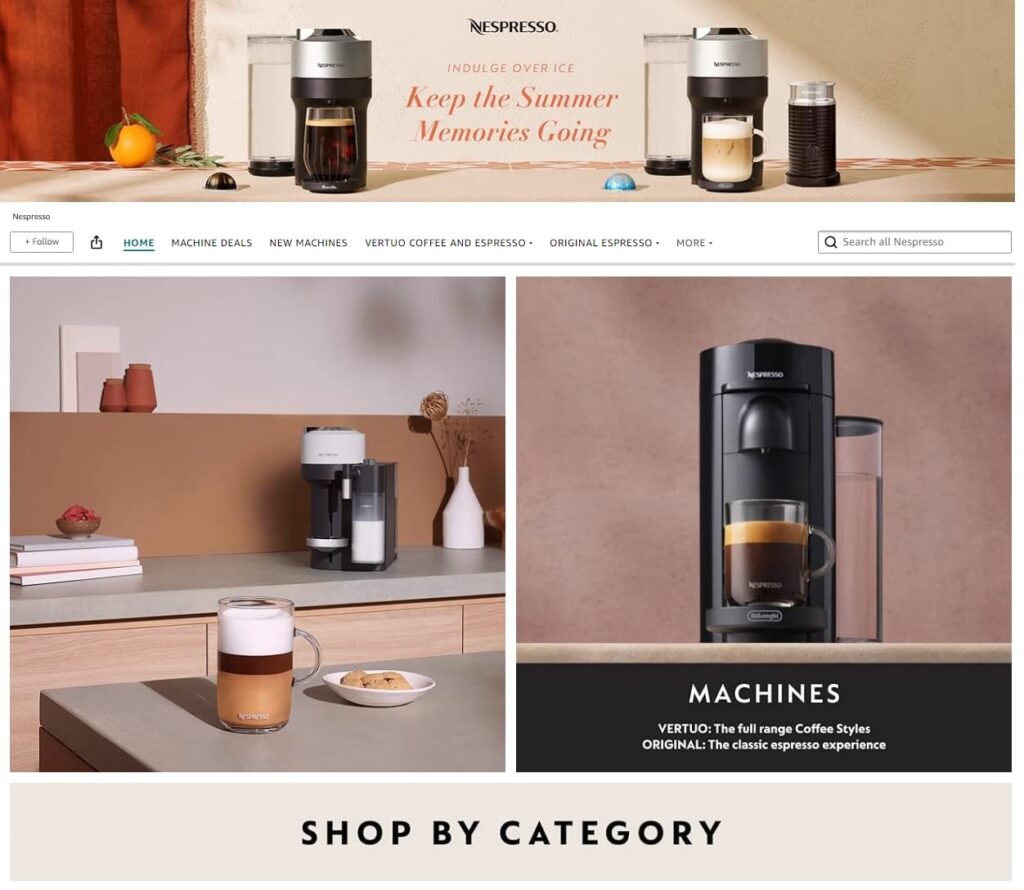
Brand Stores take this further by functioning as a custom multi-page microsite within Amazon, where shoppers explore your full catalog in a fully branded environment. Unlike standard listing pages, a Brand Store lets you control the entire customer journey from discovery to purchase, free from rival ads and Amazon’s own product suggestions appearing alongside your listings.
Brand Analytics as the Decision-Making Engine
The Brand Analytics dashboard completes the system by enabling genuinely data-driven decisions at every level of your brand management strategy. Through it, brand owners access Search Term Reports, Repeat Purchase Behavior data, and Market Basket Analysis, each revealing a different layer of how customers discover and interact with the brand.
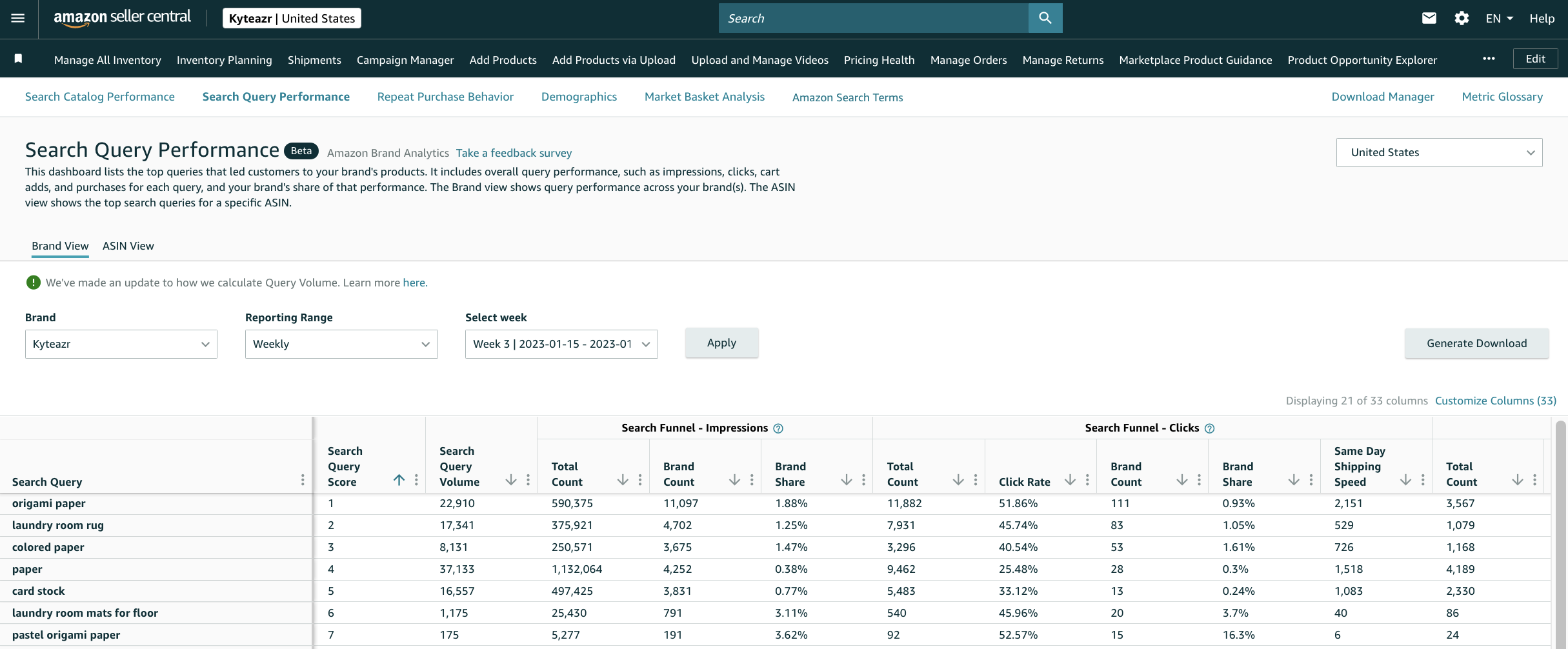
If you have a supplement brand, you might discover through Brand Analytics that customers who buy protein powder almost always purchase their shaker bottle in the same week. That single insight could prompt a bundling strategy that lifts average order value without requiring any additional ad spend, turning existing customer behavior into a direct revenue opportunity.
What are the Benefits of Effective Brand Management?
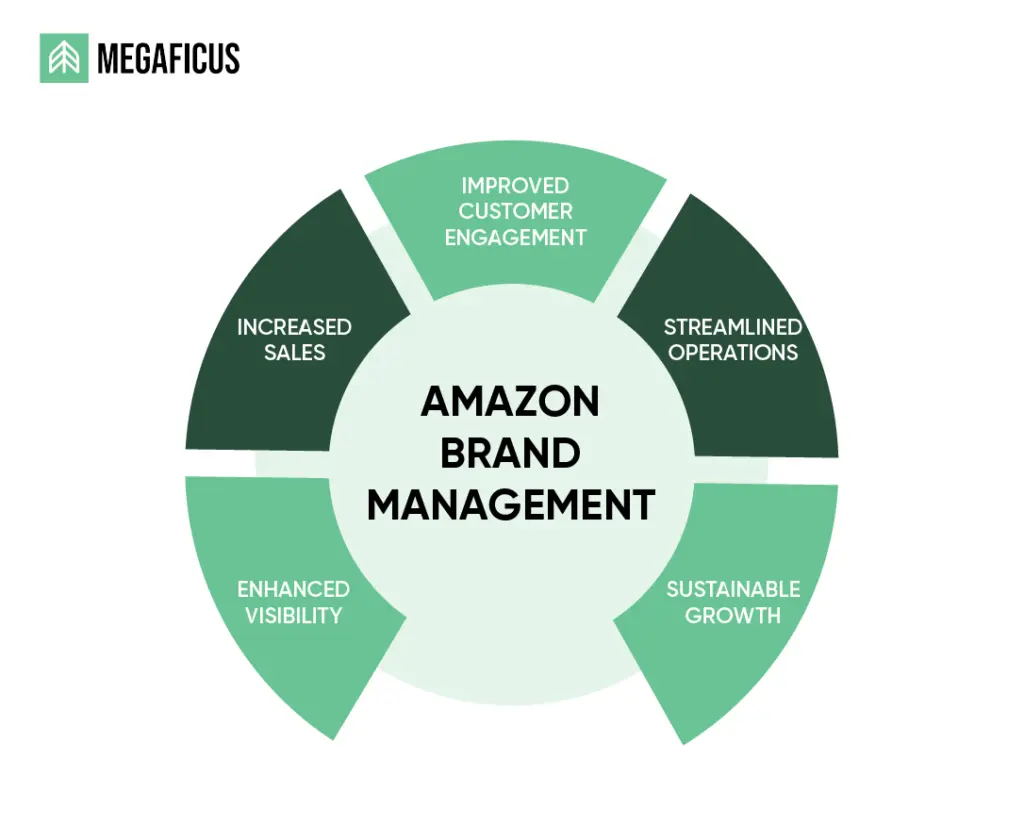
The benefits of Amazon brand management build on each other over time, creating a growth flywheel that competitors find very difficult to reverse. Brands that invest consistently in their brand presence are the ones that dominate categories in the long run, rather than constantly competing on price alone.
The most immediate benefit is higher conversion rates through quality branded content. According to Amazon, A+ Content alone can lift sales by 5 to 10 percent on average, and premium A+ Content with video modules can push that figure even further, meaning more revenue from the exact same volume of traffic coming to your listings.
Brand Registry’s protection against hijackers and counterfeiters is one of the most undervalued strengths of effective Amazon brand management. Without it, any seller can list on your ASIN, swap your images, and undercut your price with a fake product, as happened to countless handmade goods brands before Brand Registry’s automated IP tools became available.
The longest-lasting benefit is building genuine customer loyalty and repeat purchase behavior over time. A pet food brand, for instance, combines Subscribe and Save discounts with a polished Brand Store to ensure customers never feel the need to shop elsewhere, converting one-time buyers into a reliable revenue base that requires no ongoing acquisition spend.
How Much Does Amazon Brand Management Cost?
Amazon brand management costs vary based on your level of investment, but understanding the structure upfront allows you to budget strategically rather than reactively. The most powerful tool in the ecosystem, Amazon Brand Registry, is completely free to join for qualifying brand owners.
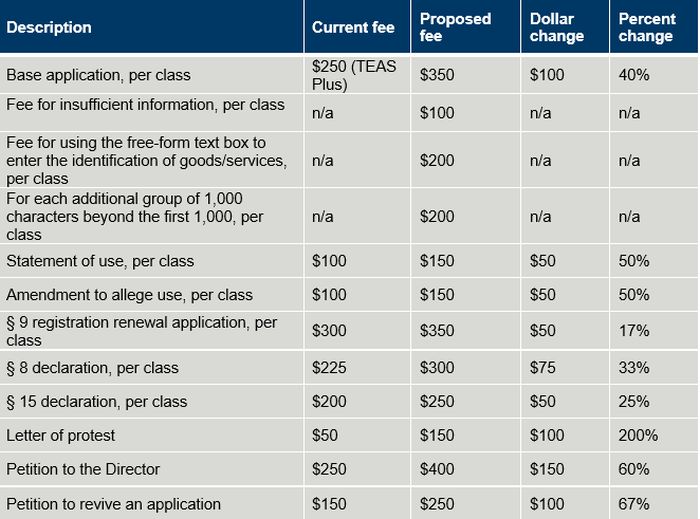
However, enrolling in Brand Registry requires a registered trademark, which carries a real cost. Filing with the USPTO in the United States typically runs between $250 and $350 per class of goods, and the process can take 8 to 12 months, though Amazon IP Accelerator helps sellers gain pending trademark status much faster and begin accessing Brand Registry tools sooner.
On the creative production side, professional photography ranges from $75 to $200 per image, while a full A+ Content design project typically costs between $500 and $1,500 per ASIN. These are largely one-time investments per listing that pay dividends for the entire life of the product, making them among the highest-ROI line items in any brand management budget.
Finally, brand defense through Sponsored Brands advertising requires a dedicated monthly budget, with a reasonable starting point of $300 to $500 per month for a small to mid-sized catalog. Without it, rival ads can appear above your listings even when shoppers search for your brand name, effectively redirecting hard-earned branded traffic straight to a rival product.
| Cost Category | Estimated Range | Frequency |
|---|---|---|
| Trademark Registration (USPTO) | $250 – $350/class | One-time |
| Professional Photography | $75 – $200/image | Per listing |
| A+ Content Design | $500 – $1,500/ASIN | Per listing |
| Sponsored Brands Budget | $300 – $500/month | Ongoing |
| Amazon Brand Registry | Free | Free |
How to Set Up an Amazon Brand Management Strategy?
A strong Amazon brand management strategy follows a clear sequence where each step builds directly on the one before it. Skipping ahead tends to create structural gaps that undermine everything built afterward, so working through each step in order is the most efficient path to a solid brand foundation.
Step 1: Secure a registered trademark to qualify for Amazon Brand Registry
To successfully protect your intellectual property and unlock premium seller features on the platform, you must first file a formal application with the relevant USPTO for the United States marketplace. This initial legal filing serves as the baseline requirement for your brand registry submission.
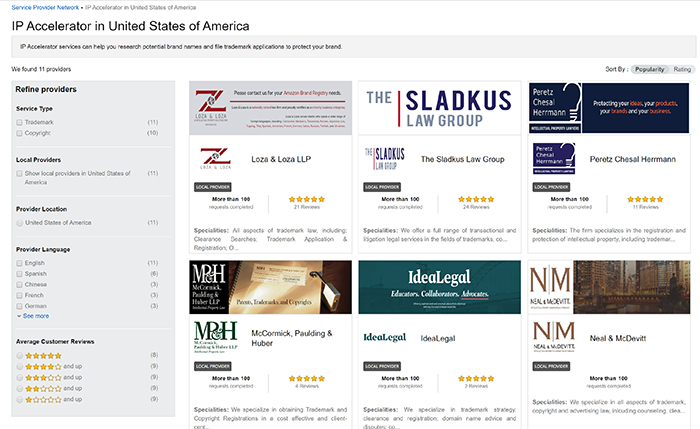
If you are looking for faster access to these specialized tools, utilizing the Amazon IP Accelerator is a highly effective option. The participating law firms in this program can streamline the process, helping you achieve pending trademark status in weeks rather than months.
Step 2: Optimize product listings with branded titles, bullet points, and high-resolution images
Align every listing’s title, bullets, and backend keywords with your brand voice and primary search terms consistently. Use images of at least 2,000 pixels on the longest side, covering multiple angles, lifestyle context, and a clean white background, as the main image to build visual credibility from the first impression.
Step 3: Design an immersive Amazon Storefront to act as a central brand hub
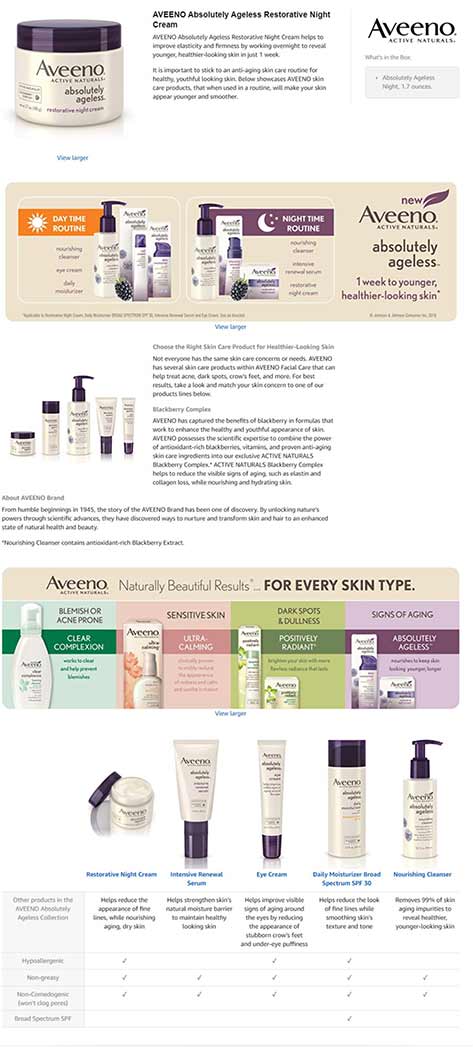
Your Storefront should mirror the experience of visiting your own e-commerce website, with organized product categories, lifestyle imagery, and a brand story section. You can reference brands like Aveeno and Burt’s Bees, which are doing this so well, guiding customers through their full range in a way that feels educational rather than purely transactional.

Step 4: Implement A+ Content to provide a deeper look into product benefits and brand story
Use content modules to address common customer objections and highlight differentiators through comparison charts and feature imagery. If eligible for premium A+ Content, add a video showing the product in use, as it consistently outperforms static content in conversion studies across most product categories.
What are the Best Practices for Managing an Amazon Brand?
Getting the strategy in place is only the first milestone; sustaining and improving results over time requires a different set of ongoing habits. The brands that maintain their position at the top of their categories treat Amazon brand management as a continuous operation, not a one-time setup.
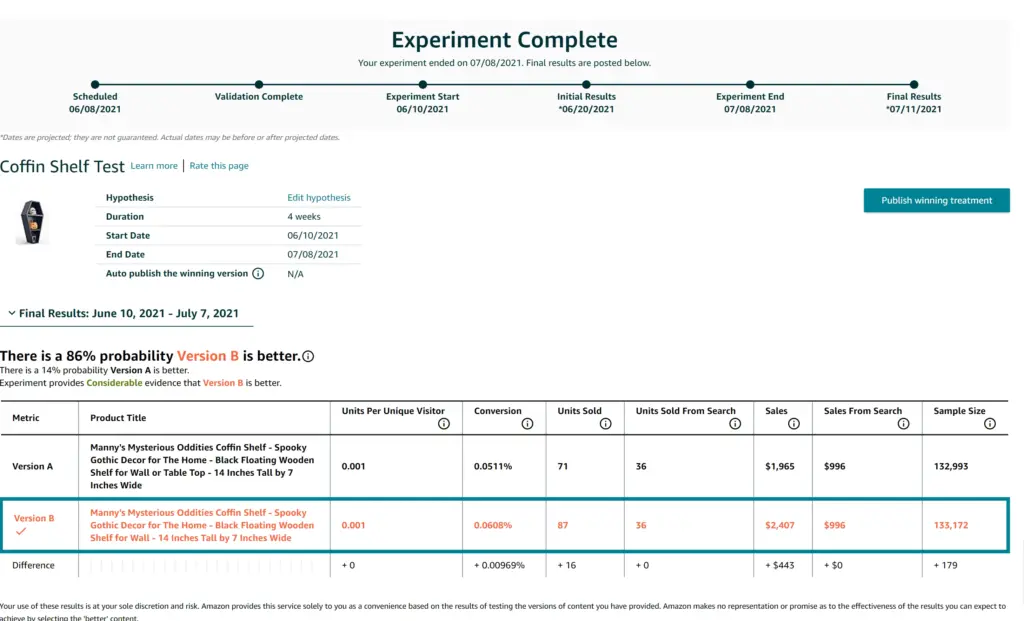
One of the most impactful habits is conducting regular A/B tests on Storefront layouts and A+ Content using Amazon’s Manage Your Experiments tool. For example, you might discover that a lifestyle image of a pan in a modern kitchen lifts conversions by 12 percent over a plain white-background shot, a meaningful gain that compounds across a large catalog over time.
Using the “Brand Follow” feature is another practice that most sellers overlook entirely despite its value. When customers follow your brand, they receive notifications about new launches and promotions through Amazon Posts, creating a direct communication channel inside Amazon’s ecosystem that functions much like an email list but with zero cost per message sent.

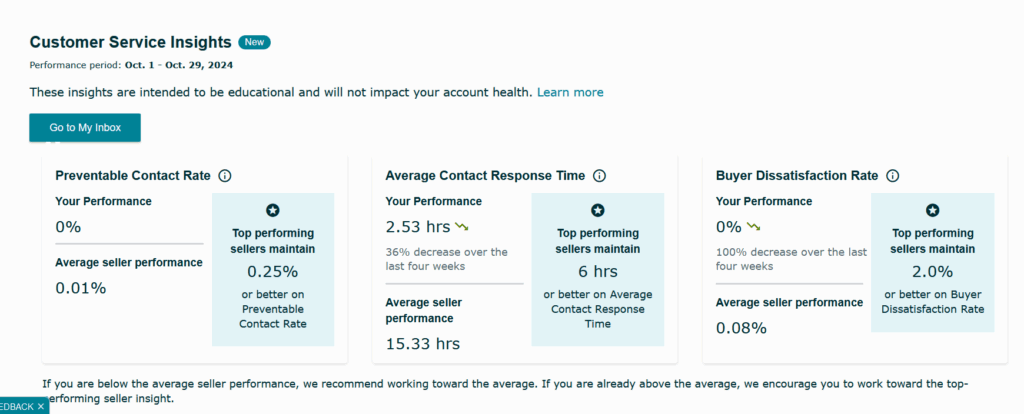
Monitoring “Customer Service Insights” is equally critical for protecting product quality over time. If a spike in contacts reveals that customers frequently find assembly instructions confusing, for instance, updating A+ Content with a how-to video addresses the issue proactively before negative reviews accumulate and begin dragging down the overall listing rating.
>> Read more: Top 20 Amazon Brand Management Agencies for Amazon Sellers
FAQs about Amazon Brand Management
Yes. Better conversion rates lower your acquisition cost, while repeat purchases driven by brand loyalty add revenue at near-zero additional spend, both directly improving net profit margins.
Yes, it is a prerequisite. Without it, sellers cannot access A+ Content, Brand Stores, Brand Analytics, or Sponsored Brands, leaving the most impactful brand-building tools permanently out of reach.
At a minimum, refresh it seasonally and ahead of major events like Prime Day or Black Friday, and whenever a new product launches to keep content current and relevant.
Not directly, but Brand Registry removes unauthorized and counterfeit sellers, while Amazon Transparency’s unique QR codes make counterfeit fulfillment through Amazon’s network physically impossible.
Repeat Purchase Rate and Brand Search Volume matter most, as they show whether customers return without paid nudging and whether brand awareness is growing independently of ad spend.
Get Professional Help from Megaficus
The shift from a “seller” mindset to a “brand” mindset on Amazon is a strategic decision with measurable and compounding financial consequences. Amazon brand management is the discipline that drives that shift, building advantages in conversion, loyalty, and protection that grow stronger with every month of consistent, intentional effort applied.
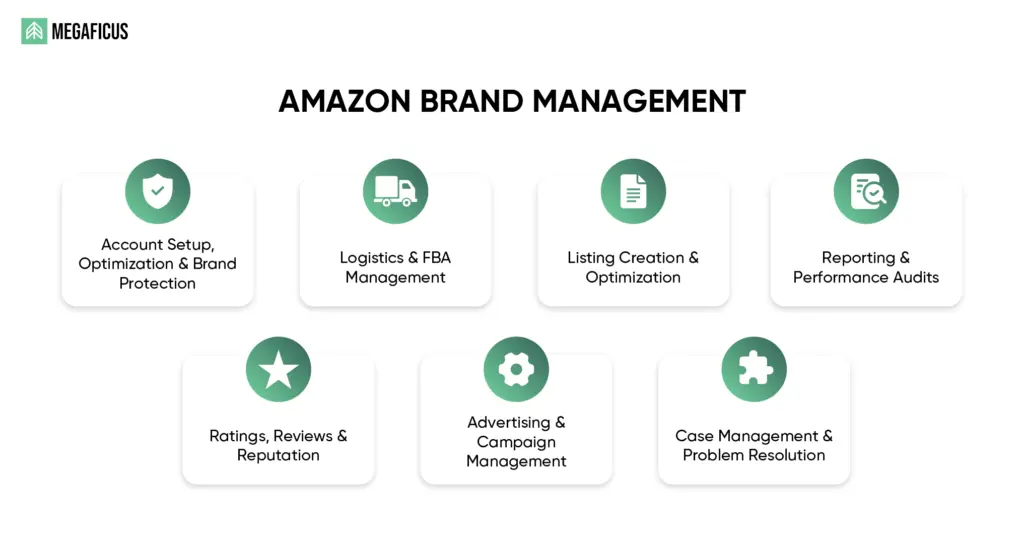
For sellers ready to make that shift at scale, Megaficus specializes in Amazon brand scaling through expert, data-driven management. With capabilities spanning listing optimization, creative production, advertising strategy, and performance analytics, Megaficus ensures your products do not just sell, but genuinely dominate their niche.